Latin Music at SXSW: Why Its Growth Matters
Latin music at SXSW has been reshaping the festival’s cultural landscape, and its growing presence offers another clear sign of how much the broader music industry has changed.
According to SXSW, Latin artist representation at the SXSW Music Festival has increased by 80 percent since 2023. That is not a small shift. It reflects a broader change in who gets seen, who gets heard, and whose music increasingly helps define popular culture.
As an Afro-Latina woman who spends a great deal of time thinking about culture, representation, and the ways communities tell their own stories, I pay close attention to these kinds of changes.
Representation at a festival like SXSW goes beyond putting more diverse artists on a stage. It can create access to audiences, media, industry decision-makers, collaborators, and opportunities that may shape an artist’s career long after the festival ends. That is one reason I continue to follow cultural festivals as spaces where identity, business, and creative expression meet.
Latin Music at SXSW Is Expanding Its Presence
SXSW Latin Music Programmer Evelyn Gómez Rivera recently shared several milestones that show how quickly Latin music has grown within the festival.
Since 2023, Latin artist representation has increased by 80 percent. In 2026, four major music companies activated Latin-focused imprints at SXSW at the same time: Sony Music Latin, Universal Music Mexico and FONO, Interscope and VPS, and Warner Music Latina.
Fans also packed the Street Mob takeover featuring Junior H and Fuerza Regida.
At the same time, Latin artists have started receiving some of SXSW Music’s most prominent recognition. Estevie won the Grulke Prize in 2024, followed by La Texana in 2026. The annual award recognizes emerging artists who stand out during the festival and show strong potential for future success.
Two Latin winners within three years says something about both the artists coming through SXSW and the audiences discovering them. SXSW’s official Music Festival and Conference page also shows how the festival continues to position itself as a global discovery platform for both established and emerging talent.
The Industry Is Following the Audience
Latin music’s growth at SXSW does not exist in isolation.
Across the music industry, audiences have increasingly embraced artists who perform in Spanish and move across genres including reggaeton, regional Mexican music, Latin pop, música urbana, alternative music, and countless hybrid sounds that resist simple classification.
The days when English-language crossover success served as the primary measure of whether a Latin artist could reach a global audience are fading.
Today’s listeners regularly move across languages. Streaming, social media, migration, and the increasingly global nature of popular culture have helped audiences discover music without waiting for traditional gatekeepers to tell them what belongs in the mainstream.
That shift creates opportunities, but it also raises important questions about who benefits when Latin culture becomes commercially valuable.
Representation Should Go Beyond Visibility
Whenever an industry celebrates greater diversity, I think it is worth asking what happens after the celebration.
More Latin artists on SXSW stages is encouraging. However, meaningful inclusion also requires looking at who controls labels, booking decisions, publishing rights, management companies, festival programming, marketing budgets, and investment.
Visibility is important, but visibility alone does not create equity.
Artists also need access to the infrastructure that allows them to build sustainable careers. That includes fair contracts, professional networks, media exposure, mentorship, international touring opportunities, and the ability to maintain ownership and creative control.
Festivals can play a powerful role in building some of those connections because they bring so many parts of the industry together in one place.
Regional Mexican Music Is Changing the Conversation
One particularly interesting part of SXSW’s Latin music growth has been the increased visibility of Regional Mexican music.
For years, discussions about Latin music in the United States often centered heavily on pop and Caribbean-influenced genres. Yet Regional Mexican music has become an increasingly powerful force, especially among younger listeners.
Its growth also reminds us that there is no single Latin music identity.
Latin America and the broader Latino diaspora contain enormous cultural, racial, linguistic, and musical diversity. Mexico sounds different from Puerto Rico. Colombia sounds different from Argentina. The Dominican Republic sounds different from Brazil.
Even within individual countries, musical traditions can vary dramatically by region, community, generation, and migration history.
Giving more of those sounds space on international stages helps audiences encounter a more complete picture of Latin culture. I have explored that same relationship between Latino identity, creativity, food, and community in stories such as Beer Barrio: Sabor Latino, Art, and Food.
SXSW Can Help Artists Reach Beyond Their Existing Markets
One reason SXSW remains important for emerging artists is the unusual mix of people who attend.
Music fans come to discover new performers, but so do journalists, producers, executives, filmmakers, marketers, investors, creators, and people working across technology and entertainment.
That creates opportunities for connections that might never happen at a traditional concert.
An artist can arrive in Austin to play a showcase and leave with a new audience, international media attention, a collaboration, a distribution conversation, or simply a room full of people who now know their name.
For artists from communities that have historically received less industry investment, those encounters can be especially valuable.
Culture Moves Before Institutions Do
One of the things I find most interesting about music is that culture often changes faster than the institutions built around it.
People discover sounds, artists, foods, styles, and ideas long before major companies fully understand what is happening. Eventually, institutions catch up.
The 80 percent rise in Latin artist representation at SXSW since 2023 suggests that the festival is responding to a cultural shift already well underway.
However, the next question is what happens from here.
Will Latin artists continue gaining space across major festival stages? Will more Afro-Latino, Indigenous, queer, women, independent, and genre-bending artists receive the same opportunities? Will the people behind the scenes become more representative too?
Those are the conversations I want to follow.
Looking Ahead to SXSW 2027
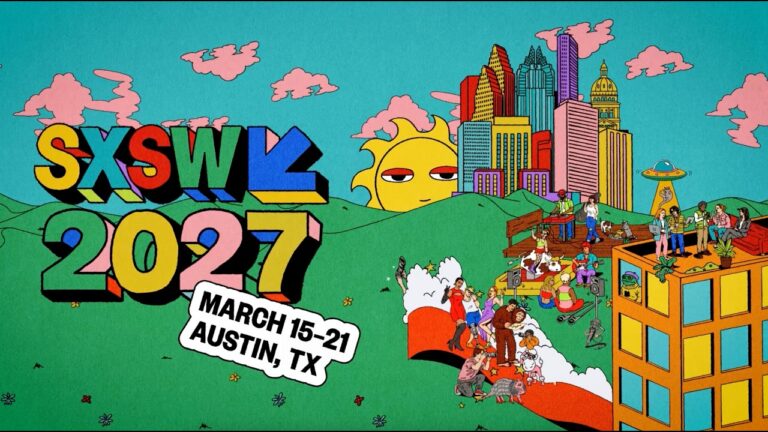
SXSW 2027 will bring another wave of artists, creators, and music industry professionals to Austin in March.
I will be paying close attention to who appears on those stages and whose stories receive attention beyond the performances themselves.
The growth of Latin music at SXSW is worth celebrating because more artists are gaining access to one of the world’s most visible creative gatherings.
Still, the larger story is about something much bigger than one festival. It is about the continued transformation of American culture and the growing recognition that Latin music is not sitting somewhere outside the mainstream waiting to be invited in.
It is already helping shape what the mainstream sounds like.
Source: SXSW Music communications and the official SXSW Music Festival and Conference.