What the Growth of Latin Music at SXSW Says About the Culture My Generation Inherited
Growing up Black and Latino in the United States means learning early that cultural identity rarely fits into one clean category. Music makes that especially obvious. The playlists my generation grew up with do not necessarily respect the boundaries that once separated genres, languages, countries, or audiences, and the rise of Latin music within major American cultural spaces reflects that change.
SXSW recently reported that Latin artist representation at its Music Festival has grown by 80 percent since 2023. In 2026, Latin-focused divisions from several major music companies were active at the festival simultaneously, while audiences packed events featuring artists such as Junior H and Fuerza Regida. Latin performers have also earned significant SXSW recognition, including Grulke Prize wins by Estevie in 2024 and La Texana in 2026. DG Speaks explored those developments in its earlier look at Latin music’s expanding presence at SXSW.
Those numbers reveal more than a programming trend. They reflect the reality that Latin culture is already deeply woven into what younger American audiences listen to, watch, wear, share, and create.
My Generation Does Not Experience Culture in Separate Boxes
The idea of a single mainstream culture has become increasingly difficult to defend. Young audiences move constantly between influences. Someone can listen to regional Mexican music in the morning, hip-hop in the afternoon, Afrobeats at night, and discover a Colombian or Puerto Rican artist through a short video before knowing anything about the genre being performed. Language does not necessarily create the barrier it once did because audiences are increasingly comfortable connecting with music before understanding every lyric.
That fluidity feels natural to me. Being both Black and Latino has always made cultural overlap visible in my own life. African influence runs throughout Latin America and the Caribbean, yet conversations about Black culture and Latino culture in the United States are often treated as though they belong to entirely separate populations. Music repeatedly exposes how incomplete those divisions are.
Rhythm, migration, race, language, and history have crossed borders for generations. Contemporary artists are simply creating within that reality, which is part of why cultural festivals can offer such revealing snapshots of how identity is evolving in public life.
Latin Music Is More Diverse Than the Industry Label Suggests
One of the challenges with discussing “Latin music” is that the term can make an enormous range of traditions sound like a single genre. It is not. The musical cultures associated with Mexico, Colombia, Puerto Rico, Panama, the Dominican Republic, Brazil, Argentina, Cuba, and dozens of other places developed through different histories. Even within one country, regional and racial differences can dramatically change what music sounds like and what cultural traditions it represents.
That diversity becomes particularly important when festivals increase Latin programming. More representation should not simply mean booking more artists who fit whatever sound happens to be commercially successful at the moment. A genuinely interesting festival can introduce audiences to the variety that exists within Latin music rather than narrowing it into one marketable identity.
SXSW Latin Music Programmer Evelyn Gómez Rivera has highlighted the festival’s increased attention to Regional Mexican music, which has experienced tremendous growth among younger listeners. Its rise is particularly interesting because it challenges older assumptions about what kind of Spanish-language music could achieve widespread popularity in the United States. Artists no longer necessarily need to translate themselves for an English-speaking audience before becoming culturally influential.
Visibility Can Create Opportunity, but Ownership Is Also Important
From a creative perspective, seeing Latin artists occupy larger stages is exciting. From an industry perspective, however, representation becomes more complicated. Who owns the music? Who manages the artists? Who controls distribution? Which executives decide how marketing budgets are spent? Who receives publishing revenue when songs become global hits?
Those questions deserve attention because cultural visibility and economic power are not the same thing. A music industry can enthusiastically embrace Latino artists while still concentrating ownership elsewhere. Similar dynamics exist in film, where diverse performers may appear in front of the camera while directing, producing, financing, and executive positions remain much less representative.
Young creatives entering these industries have to think about both sides of that equation. Being invited into the room is valuable, but understanding who owns the room is equally important.
Music and Film Are Increasingly Part of the Same Creative Ecosystem
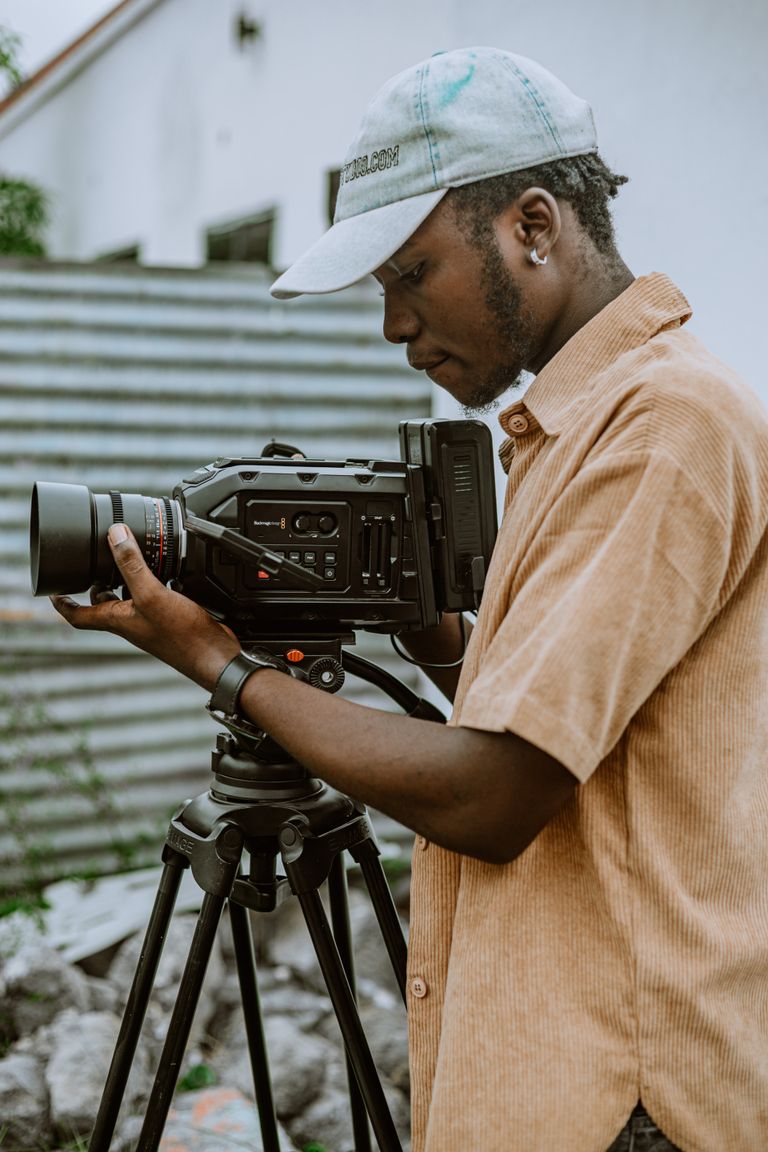
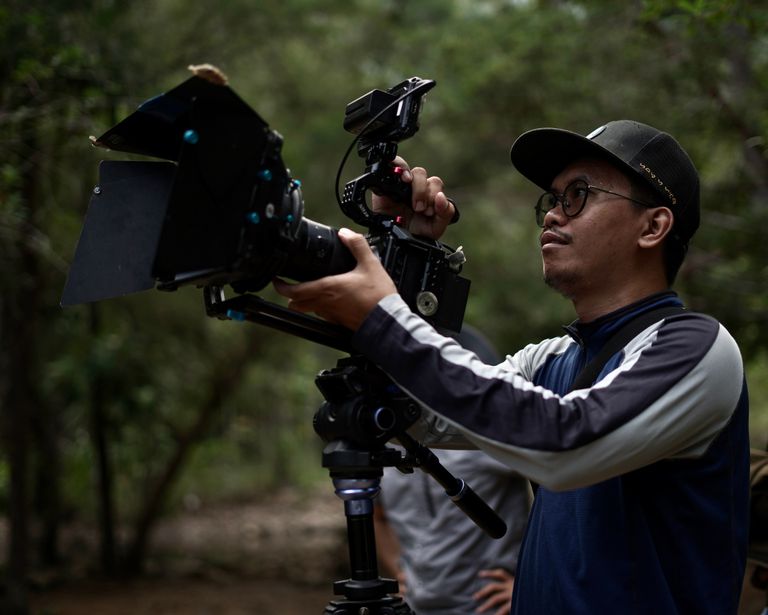
My primary interest is filmmaking, but music is inseparable from visual storytelling. A soundtrack can define a scene before a character says a word. Music videos frequently become laboratories for new cinematography, editing styles, production techniques, and visual effects. Directors often move between music videos, commercials, short films, television, and features because the boundaries between creative industries are increasingly porous.
SXSW is especially interesting because Film & TV, Music, Innovation, Comedy, and now podcasting occupy the same broader event. The official SXSW Film & TV Festival is only one part of an ecosystem designed to bring multiple creative disciplines into contact with one another.
For young creators, that convergence can lead to unexpected collaborations. A filmmaker can discover an artist whose work fits a future project, while a musician might meet a director capable of translating an album into a visual world. Those relationships can begin long before either person becomes widely known.
The cultural crossover is also visible in the way audiences discover creative work. Songs become successful through films and television. Movies find audiences because of social media edits built around a soundtrack. Musicians become actors, filmmakers direct music videos, and creators build careers that resist the job titles previous generations may have expected them to choose.
I Want to See Which Voices Come Next
An 80 percent increase in Latin artist representation since 2023 is substantial, but the number becomes more interesting when viewed as the beginning of a conversation rather than the conclusion. Which Latin communities will receive greater visibility next? Will Afro-Latino artists become more visible within programming that is often presented simply as Latino? Will independent artists receive the same attention as performers backed by major labels? How will women and queer Latin artists shape the next generation of music? What happens when genres that developed locally begin attracting international investment?
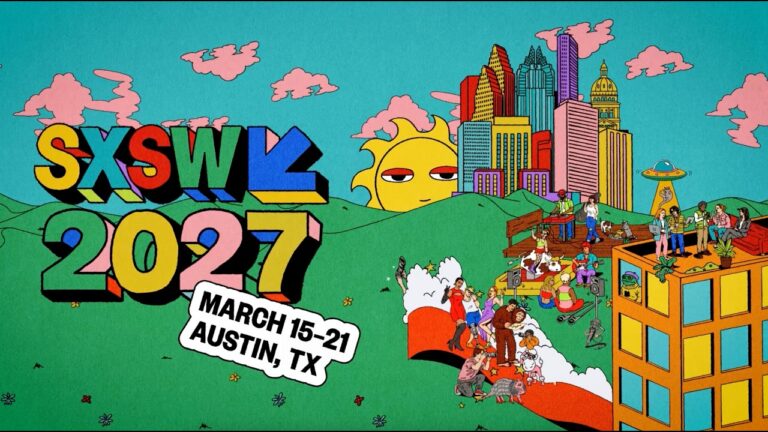
Those questions connect music to the larger conversations about identity and creative power that I am interested in exploring as a filmmaker. SXSW 2027 gives me an opportunity to experience that cultural exchange firsthand while documenting it visually for DG Speaks. The performances will obviously be part of the story, but I am equally interested in the audiences, industry conversations, collaborations, and environments surrounding them.
Latin music is not suddenly entering American culture. It has been part of American culture for generations. What has changed is how difficult it has become for major cultural institutions to overlook its influence.