SXSW 2027 Shows How Hard It Is to Separate Film, Technology and the Creator Economy
The traditional image of a filmmaker is becoming outdated.
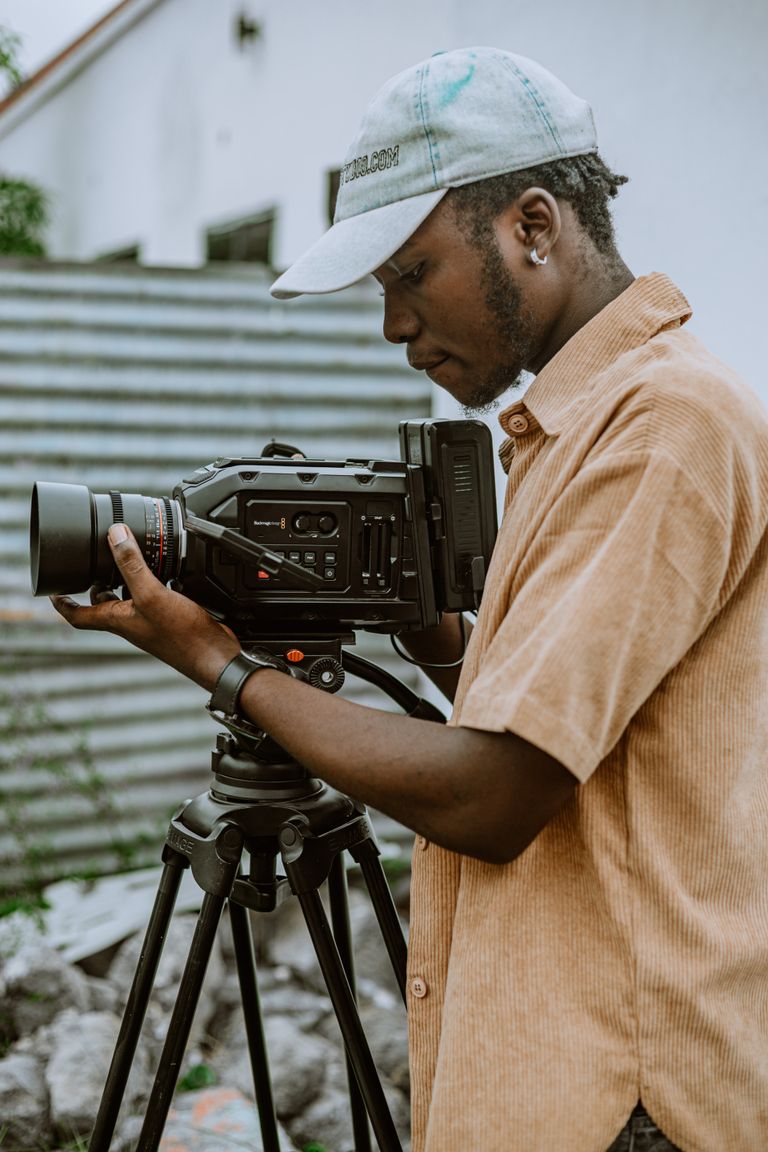
A young director entering the industry today may also shoot branded content, edit social video, create a short film, experiment with virtual production, direct a music video, build an audience online, record a podcast, or work with technology that did not exist when many established filmmakers began their careers. The tools available to us are expanding quickly, but so are the expectations placed on emerging creators.
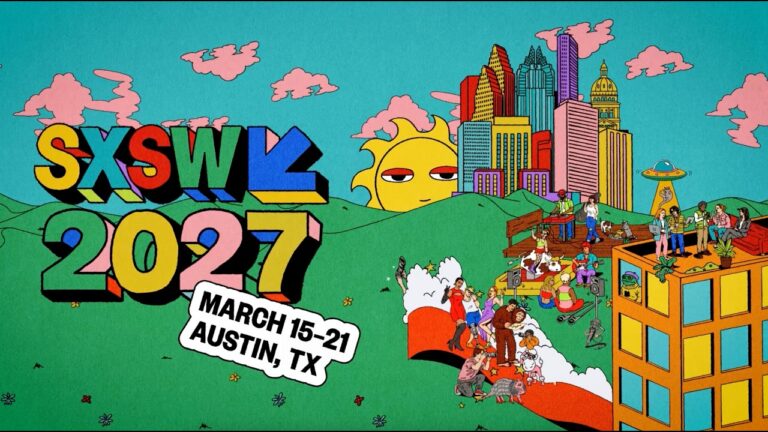
That is one reason the early announcements surrounding SXSW 2027 caught my attention. Film & TV will remain one of the event’s central pillars, yet SXSW is simultaneously expanding podcasting, restructuring conference programming, increasing connections between creative communities, and continuing to position technology alongside entertainment and culture. DG Speaks’ first look at SXSW 2027 outlines many of those structural changes.
For someone beginning a filmmaking career now, those industries no longer feel separate.
Filmmakers Are Entering a Different Industry
Film school teaches craft, storytelling, collaboration, production, and the history of the medium, but graduating into the current entertainment landscape means confronting questions that extend well beyond filmmaking technique.
How do audiences discover independent work? What does distribution look like when streaming platforms control so much viewing behavior? How should filmmakers approach social media without turning every creative decision into content? Where does artificial intelligence belong in the production process, and where should creative industries draw boundaries around its use?
Young filmmakers are entering an industry where technical and cultural change can happen faster than professional norms develop. That uncertainty can be intimidating, although it also creates room for experimentation.
The same filmmaker who struggles to access a traditional studio system can now build an audience independently, collaborate internationally, create professional-looking work with smaller crews, and distribute projects through channels that would have been inaccessible not long ago. Greater access does not eliminate the financial barriers of filmmaking, but it does change how careers can begin.
SXSW Reflects the Convergence Already Happening
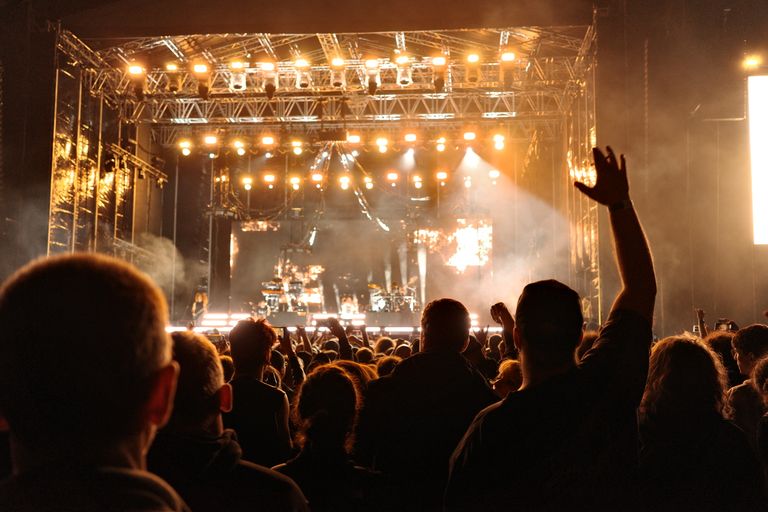
The structure of SXSW makes that transformation unusually visible because the event brings together people who might otherwise attend entirely different conferences. Filmmakers cross paths with technologists. Musicians meet producers and directors. Entrepreneurs encounter artists. Journalists speak with creators, while brands look for new ways to participate in culture.
In 2027, SXSW will add a dedicated Podcast Festival running March 17 through March 20. Podcasting joins Innovation, Film & TV, Music, and Comedy as a core component of the SXSW experience, reflecting how quickly audio storytelling has developed into a major part of the media industry.
For filmmakers, the rise of podcasting is not unrelated to our work. Narrative podcasts become films and television series. Directors and actors use long-form interviews to build relationships with audiences. Independent creators develop intellectual property through audio before trying to finance visual adaptations. Stories increasingly move between formats rather than remaining tied to one medium.
For readers looking at the broader event ecosystem, DG Speaks’ conference guides cover the practical side of navigating large professional and cultural gatherings.
Visual Storytelling Now Exists Everywhere
Growing up with digital media has changed how my generation thinks about moving images. Film still has its own language, discipline, and history, but visual storytelling no longer belongs exclusively to movies and television. A compelling story can unfold in a 90-minute feature, a documentary series, a three-minute music video, or a vertical piece of video watched on a phone.
The challenge for filmmakers is not deciding whether one format is more legitimate than another. The more interesting question is understanding what each format does best. A feature film allows time for narrative complexity and immersion. Short-form video can communicate an idea with remarkable efficiency. Documentary work can preserve experiences that would otherwise disappear. Social platforms can bring filmmakers directly into conversation with audiences before traditional distributors ever become involved.
Learning how those formats influence one another is becoming part of understanding contemporary filmmaking.
Technology Should Serve the Story, Not Replace It
SXSW has always had a strong relationship with emerging technology, which makes the festival particularly relevant during the current debate surrounding artificial intelligence. The first announced 2027 keynote, Timnit Gebru’s “Deep Unlearning: The Rise of AI and the Radicalization of a Tech Idealist,” places questions about AI, power, and accountability directly inside the SXSW conversation. The official SXSW keynote lineup shows how central technology and AI have become to the 2027 program.
For filmmakers my age, AI will probably exist throughout our entire professional careers. Ignoring it is unrealistic, but accepting every use of it without questioning the consequences would be equally shortsighted.
Technology has always changed filmmaking. Digital cameras lowered some production barriers. Editing software transformed post-production. Visual effects expanded what could appear on screen, while streaming dramatically changed how audiences access movies and television. AI raises a different set of questions because it can intersect directly with writing, performance, visual creation, employment, and authorship.
As someone still developing my own voice, I am interested in technology that helps filmmakers execute ideas rather than technology that encourages industries to remove the people who generate them. Efficiency cannot be the only measure of creative progress.
The Creator Economy Changes Career Expectations
Another shift affecting young filmmakers is the expectation that creators build public identities around their work. Previous generations could imagine a director primarily directing. Today, emerging filmmakers may also need to understand social media strategy, audience development, personal branding, crowdfunding, analytics, and direct communication with viewers.
There are advantages to that access. A creator who builds an audience can sometimes demonstrate demand before receiving institutional support. Independent filmmakers can share works in progress, attract collaborators, and develop relationships with viewers across borders.
At the same time, constantly producing content can compete with the slower process required to develop meaningful creative work. Not every idea needs to become a post. Learning how to participate in the creator economy without allowing it to dictate every artistic decision may become one of the defining challenges for my generation of filmmakers.
What I Hope to Find at SXSW
My goal in covering SXSW 2027 for DG Speaks is to look beyond announcements about new technology and ask how these changes are actually affecting the people doing creative work. I want to hear young filmmakers describe how they are building careers, understand how directors are protecting their creative identities, see which tools genuinely improve production, and learn where creators believe boundaries should exist.
The festival environment also offers something digital platforms cannot fully replicate: the opportunity to meet people from different creative disciplines in the same physical space. A filmmaker may arrive thinking primarily about film and leave having met a musician, technologist, journalist, producer, or entrepreneur who changes the direction of a future project.
Those connections are difficult to quantify, but creative industries have always grown through them. SXSW 2027 will undoubtedly include conversations about what the future of entertainment looks like. From my perspective, the more interesting question is who gets to build that future and what kinds of stories they decide are worth carrying forward.
As a young Black and Latino filmmaker entering the industry during this period of change, I want to be part of that conversation rather than simply watching it happen.