Why SXSW Still Offers Something Young Filmmakers Cannot Find Online
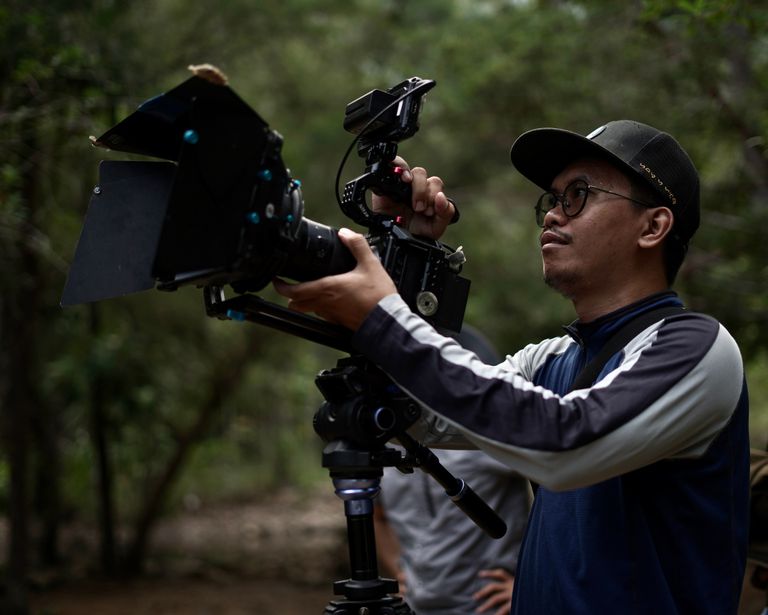
As a 22-year-old filmmaker entering an industry that increasingly lives online, I have grown up surrounded by an almost unlimited amount of film and video content. Streaming platforms recommend what to watch next, social media introduces new directors in seconds, and filmmakers can release work directly to audiences without waiting for traditional distribution. That level of access has created opportunities that previous generations of young filmmakers could hardly have imagined, but it has also made genuine discovery more complicated. When thousands of new images compete for our attention every day, finding work that stays with us can become surprisingly difficult.
That is one reason the SXSW Film & TV Festival continues to interest me as both a filmmaker and someone preparing to cover the festival for DG Speaks. SXSW brings major premieres into the same ecosystem as independent films, shorts, television projects, XR experiences, music videos, and emerging filmmakers who may still be unknown to most audiences. Rather than separating established Hollywood from the next generation of creators, the festival creates an environment where those worlds can exist within the same week. DG Speaks has also been building its broader film festival coverage around exactly this kind of discovery.
For someone at the beginning of a filmmaking career, that proximity has value.
Festivals Create a Different Kind of Discovery
The way my generation discovers movies has changed dramatically. A recommendation may come from TikTok, Letterboxd, YouTube, an Instagram clip, or an algorithm that recognizes viewing habits better than many people recognize their own. These tools can expose audiences to filmmakers from around the world, but digital discovery often happens in isolation. We watch something on a laptop, add another title to a list, scroll to the next recommendation, and move on.
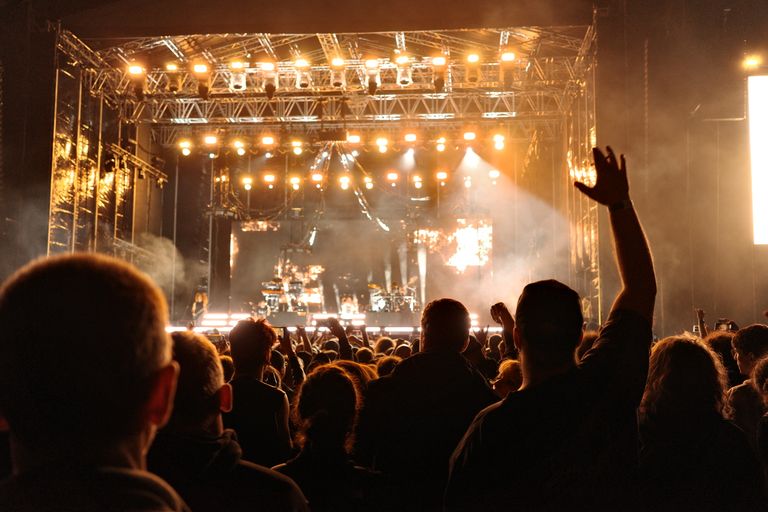
Film festivals offer something different because discovery becomes communal. Sitting in a theater with an audience changes the way a film is experienced, especially when nobody in the room knows exactly what to expect. Laughter moves through a crowd differently than it does in a living room, silence can become almost physical, and the conversation after a screening often becomes part of the experience itself.
SXSW has built much of its Film & TV identity around that interaction between filmmakers and audiences. Screenings are frequently accompanied by conversations and Q&As that allow viewers to hear how a film developed, what challenges shaped the production, and what the creators were trying to explore. For young filmmakers who spend so much time learning through screens, being able to hear directly from working directors, writers, producers, actors, and cinematographers adds another dimension to film education. DG Speaks’ overview of what is changing at SXSW 2027 also shows how the festival is reorganizing its footprint to bring related creative communities closer together.
A Festival Can Change the Trajectory of a Film
SXSW often points to Destin Daniel Cretton as an example of what festival exposure can help create. His 2013 feature Short Term 12 won both the Grand Jury Award and Audience Award at SXSW before his career expanded into much larger productions.
Stories like his are encouraging, but they are also useful reminders that filmmaking careers rarely begin at the scale audiences eventually associate with successful directors. Before the studio budgets, recognizable actors, and major releases, there is usually smaller work that demonstrates a filmmaker’s voice.
Emerging filmmakers need places where that work can be taken seriously. A festival audience may include critics, distributors, producers, agents, other filmmakers, and people who simply love movies enough to advocate for something they discover. No single screening guarantees a career, and romanticizing the festival circuit would ignore how difficult independent filmmaking remains. Still, bringing a project into a room filled with people actively looking for new work creates possibilities that posting a film online does not necessarily reproduce.
Representation Behind the Camera Is Part of the Story
As a Black and Latino filmmaker, I also pay attention to who receives opportunities to tell stories rather than looking only at diversity on screen. Representation has expanded in entertainment, but seeing different faces in front of the camera does not automatically tell us who holds creative authority behind it.
Directors decide where an audience looks. Writers determine whose experiences become central. Cinematographers influence how people, communities, and environments are visually interpreted. Editors shape rhythm and meaning after production ends, while producers often determine which projects receive the resources necessary to exist at all.
For young filmmakers from communities that historically had limited access to these positions, festivals can create spaces to encounter artists building careers through paths that may not resemble the traditional Hollywood model. Meeting those filmmakers, hearing how they financed projects, understanding how they found collaborators, and seeing what happened after a festival premiere can sometimes be more useful than hearing another generalized discussion about breaking into the industry. Those conversations make creative careers feel less abstract.
The 2027 Festival Will Look Different
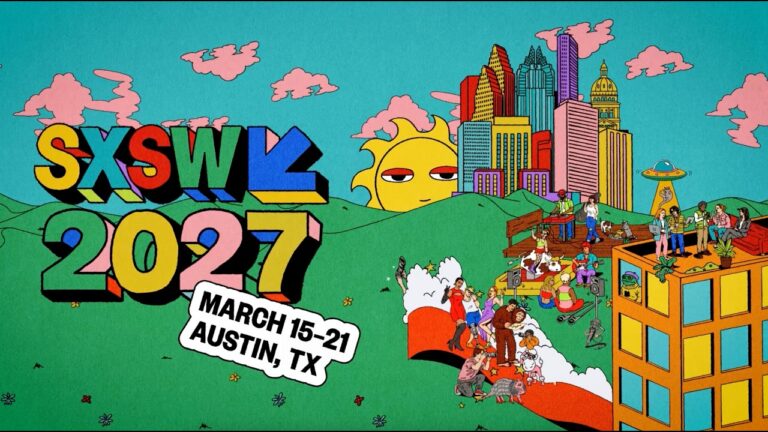
SXSW Film & TV will also have a different physical footprint in 2027. Major premieres, screenings, and red carpets will temporarily move to ACL Live at the Moody Theater while Austin’s historic Paramount Theatre undergoes restoration. Film & TV Conference programming will shift to The Driskill and Stephen F. Austin hotels, placing sessions closer to the premiere venue and Film & TV Clubhouse.
Venue changes may sound like logistical details, but the physical organization of a festival shapes how people interact. Creative relationships often develop in the spaces between scheduled events, whether that happens while waiting for a screening, walking between venues, talking after a panel, or meeting someone unexpectedly during the day. For an emerging filmmaker, those informal encounters can be as valuable as the programmed sessions.
What I Want to Learn at SXSW 2027
My interest in covering SXSW goes beyond watching films and reporting which premieres attract the most attention. I want to understand how filmmakers at different stages of their careers are navigating an industry being reshaped by streaming economics, social platforms, artificial intelligence, shifting audience habits, and new approaches to distribution.
Questions about craft interest me just as much. How does a director develop a recognizable visual language? What makes a producer commit to a young filmmaker? How are independent creators building sustainable careers without losing the individuality that made their work interesting in the first place?
Those are not questions with simple answers, which is precisely why being in rooms where filmmakers are discussing their actual experiences can be valuable. SXSW will undoubtedly produce headlines around celebrities, premieres, and major industry announcements, but some of the most interesting stories may come from filmmakers whose names are not yet familiar. As someone still developing my own voice behind the camera, those are often the people I am most interested in finding.
The possibility that a film can enter Austin relatively unknown and leave with an audience is part of what keeps festivals relevant, even in an era when almost everything can be watched from home. For readers planning their own festival travel, DG Speaks’ conference guides provide a broader look at navigating major events and creative gatherings.