
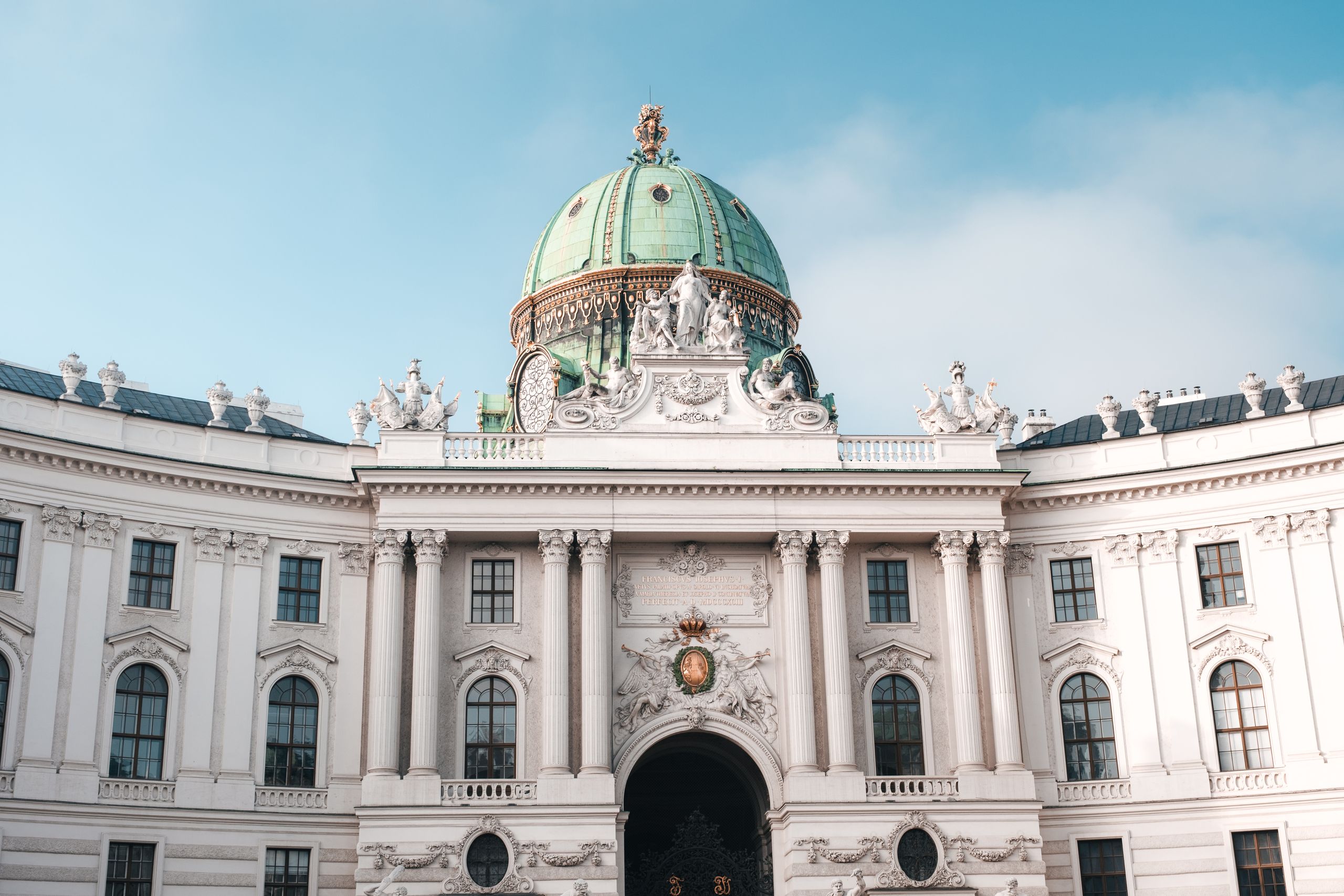
This Austria Travel Guide is for travelers who love music, mountains, café culture, history, and cities that know how to be elegant without trying too hard. Austria has grandeur, but it also has quiet corners, local rituals, and a rhythm that rewards slow attention.
Austria often brings Vienna, Mozart, palaces, alpine villages, and classical music to mind. All of that belongs to the story. However, the country is also shaped by regional traditions, hearty food, political history, modern design, and landscapes that invite both adventure and reflection.
For travelers who enjoy culture with depth, Austria offers a beautiful balance. You can spend the morning in a museum, the afternoon lingering over coffee and cake, and the evening listening to music in a city where history still feels present.
This Austria Travel Guide brings together practical planning advice, destination ideas, food experiences, cultural context, transportation tips, and the slower moments that make a trip feel personal. Whether you are planning a weekend in Vienna or a longer journey through the Alps, Austria deserves more than a quick stop.
Austria at a Glance
- Capital: Vienna
- Official language: German
- Currency: Euro, abbreviated EUR
- Region: Central Europe
- Travel area: European Union and Schengen Area
- Best general travel season: Austria is a year-round destination
- Best months for city travel: Spring and fall offer mild weather and fewer peak-season crowds
- Best months for hiking: Generally late spring through early fall, depending on elevation and trail conditions
- Best months for winter sports: Usually December through March, depending on snowfall and region
- Electrical outlets: Type C and Type F plugs
- Electricity: 230 volts and 50 hertz
- Popular destinations: Vienna, Salzburg, Innsbruck, Graz, Hallstatt, Linz, Wachau Valley, Zell am See, and Austria’s lake regions
Opening hours, transportation schedules, entry rules, and seasonal conditions can change. Therefore, confirm important details through official sources before your trip.
Why Visit Austria?
Austria is ideal for travelers who want European beauty with strong cultural roots. Vienna alone offers enough art, music, architecture, food, and history for several visits. Still, Austria is much more than its capital.
Salzburg brings music, mountain views, baroque architecture, and a cinematic quality that many visitors love. Innsbruck offers alpine energy with an urban center surrounded by dramatic peaks. Graz feels creative and sometimes overlooked, which makes it especially interesting.
Meanwhile, Austria’s lake regions and smaller towns offer a softer, slower version of the country. You can hike, swim, visit local markets, explore vineyards, or simply sit outside and enjoy the view.
Because Austria sits near Germany, Switzerland, Italy, Slovenia, Hungary, Slovakia, Czechia, and Liechtenstein, it also works well as part of a larger European train journey. However, the country deserves enough time to reveal its own identity.
The Best Time to Visit Austria
Austria is a year-round destination, so the best time to visit depends on the kind of experience you want. Each season creates a different version of the country.
Spring in Austria
Spring brings longer days, blooming gardens, café terraces, and more comfortable conditions for exploring cities. March can still feel cold, while April weather may shift quickly between sunshine and rain.
By May, many lower-elevation hiking routes, gardens, and outdoor attractions begin to feel more inviting. Spring can be a lovely time for Vienna, Salzburg, Graz, and the Wachau Valley.
Summer in Austria
Summer is ideal for lakes, hiking, cycling, festivals, outdoor dining, and long evenings. Alpine areas can feel wonderfully refreshing, while cities may become hot and crowded during peak travel periods.
Popular lake towns and mountain destinations can book quickly. Reserve accommodations and special excursions early if you plan to travel during July or August.
Fall in Austria
Fall is one of the most beautiful times to explore Austria. The weather often remains mild during early autumn, while vineyards, forests, markets, and rural landscapes begin changing color.
This season works especially well for food, wine, cultural events, hiking, and city trips. However, some seasonal mountain businesses may reduce hours as winter approaches.
Winter in Austria
Winter brings skiing, snow-covered landscapes, concert seasons, holiday markets, warm cafés, and an atmosphere that can feel almost theatrical.
December is popular for Christmas markets, while January through March attracts winter-sports travelers. Pack carefully for cold temperatures, ice, snow, and changing mountain conditions.
Austria Entry Requirements and Visas
Austria belongs to the European Union and the Schengen Area. Entry requirements depend on your nationality, passport, length of stay, and reason for traveling.
Many visitors can enter Austria for a short tourist stay without applying for a visa in advance. Other travelers must obtain a Schengen visa before departure.
Short tourist stays within the Schengen Area are generally limited to a combined total of 90 days within any 180-day period for eligible non-EU travelers. Time spent in other Schengen countries counts toward the same total.
Because European entry systems and authorization requirements can change, verify your specific situation through the official Austrian government visa information and the Austrian embassy serving your country.
Travelers should carry a valid passport or other accepted travel document. Do not rely on a driver’s license as your only form of identification.
How Many Days Do You Need in Austria?
You can enjoy a single Austrian city during a long weekend. However, seven to ten days will give you a more balanced introduction to the country.
Three to Four Days
A short trip works best when you focus on one destination. Vienna offers the greatest variety of museums, cafés, architecture, and cultural events. Salzburg also works well for a compact city break.
Seven Days
One week gives you enough time to combine Vienna with Salzburg, Graz, or the Wachau Valley. You can also build a Salzburg and Innsbruck itinerary focused on music and mountains.
Ten Days
Ten days allows you to experience several cities without changing hotels every night. A route connecting Vienna, Salzburg, Innsbruck, and a smaller town or lake region works well.
Two Weeks or Longer
With two weeks, you can slow down, explore smaller communities, spend time in the mountains, and include overlooked places such as Graz, Linz, or Austria’s wine regions.
Suggested Austria Itineraries
Three Days in Vienna
- Day One: Explore Vienna’s historic center, St. Stephen’s Cathedral, the Ringstrasse, and a traditional café.
- Day Two: Visit a major palace or museum, then attend a concert, opera, or cultural performance.
- Day Three: Explore a neighborhood market, smaller museum, park, vineyard area, or the Danube.
Seven Days in Austria
- Days One through Four: Vienna
- Day Five: Travel to Salzburg
- Days Six and Seven: Explore Salzburg and take a nearby mountain or lake excursion
Ten Days in Austria
- Days One through Four: Vienna
- Days Five and Six: Salzburg
- Days Seven through Nine: Innsbruck and the surrounding Alps
- Day Ten: Return to Vienna or continue into a neighboring country
Two Weeks in Austria
- Days One through Four: Vienna
- Days Five and Six: Wachau Valley or Graz
- Days Seven through Nine: Salzburg and the Salzkammergut lake region
- Days Ten through Twelve: Innsbruck and Tyrol
- Days Thirteen and Fourteen: Flexible time for hiking, wellness, food, or a smaller town
Austria’s train system makes multi-city travel relatively easy. Still, avoid changing destinations every day. A slower itinerary gives you time to enjoy the cafés, markets, museums, landscapes, and local rituals that make the country special.
Cities and Regions Worth Exploring
Vienna
Vienna is the natural starting point for many Austria itineraries. The city offers imperial architecture, major museums, music, food markets, public parks, contemporary design, and one of Europe’s most celebrated café traditions.
Walk the Ringstrasse, visit the historic center, explore Schönbrunn Palace, spend time in the MuseumsQuartier, and allow yourself at least one unhurried café visit.
However, do not limit yourself to monumental Vienna. Neighborhood markets, public housing, independent shops, vineyards, modern art spaces, and immigrant communities reveal a much broader city.
Salzburg
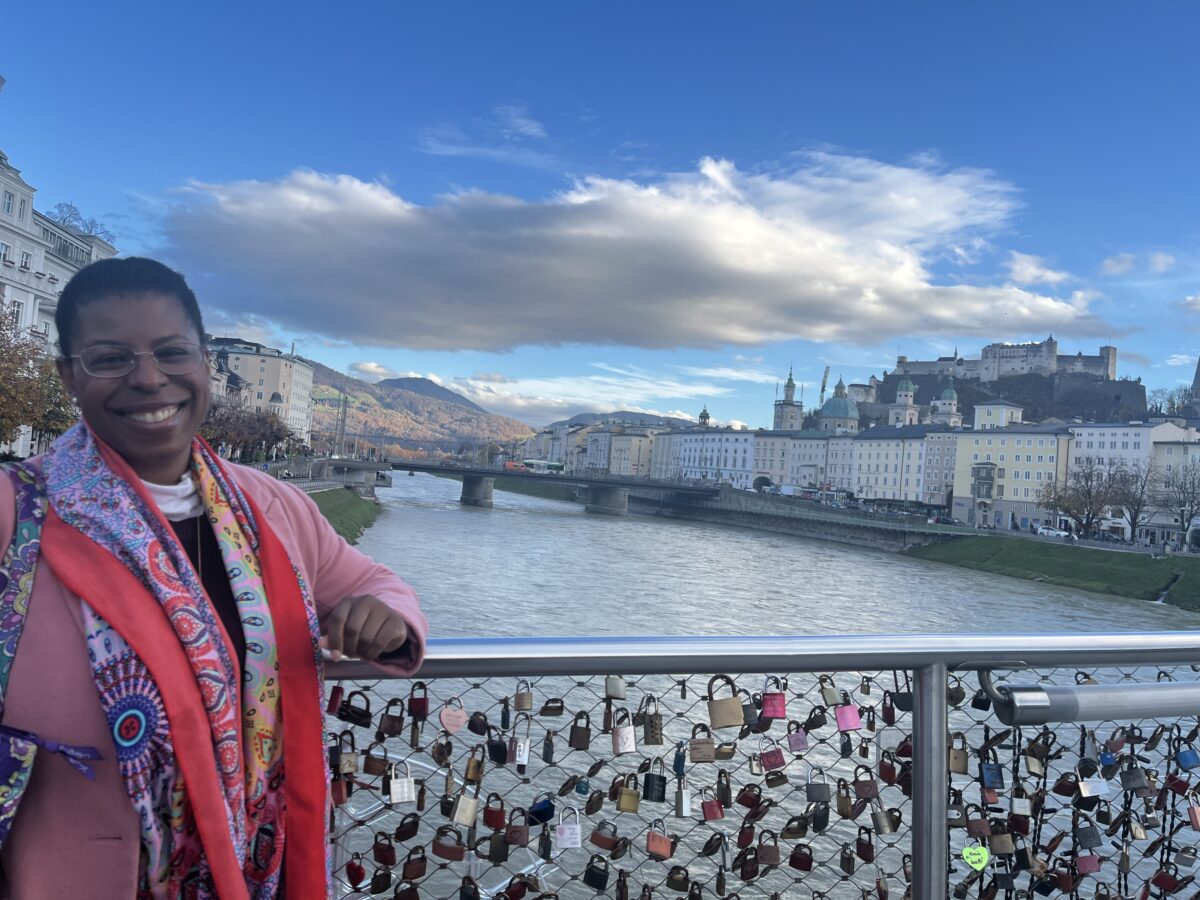
Salzburg brings together baroque architecture, classical music, mountain scenery, and cinematic nostalgia. Its historic center is compact enough to explore on foot, although the surrounding region deserves time too.
Music lovers can explore Mozart-related sites and concert traditions. Fans of The Sound of Music will also recognize several filming locations throughout Salzburg and the nearby countryside.
Because Salzburg receives many day-trippers, staying overnight can offer a quieter experience after tour groups leave.
Innsbruck and Tyrol
Innsbruck combines an attractive historic center with immediate access to the Alps. Mountains rise around the city, making the landscape feel present almost everywhere you turn.
You can explore museums and architecture in the morning, then take a cable car or train toward alpine scenery later in the day. Winter sports are a major draw, but summer hiking and mountain excursions are equally appealing.
Graz
Graz deserves more attention than it often receives. Austria’s second-largest city blends historic architecture, universities, contemporary design, markets, and a strong food culture.
The city feels creative and lived-in rather than arranged only for tourists. That quality makes it especially appealing to travelers who enjoy art, food, architecture, and slower exploration.
Hallstatt and the Salzkammergut
Hallstatt is one of Austria’s most photographed villages. Its lakeside setting and surrounding mountains create an undeniably beautiful scene.
However, heavy visitor traffic can overwhelm the small community. Consider staying overnight, visiting outside peak hours, or exploring other villages within the wider Salzkammergut lake region.
The region includes lakes, walking paths, mountain views, swimming areas, salt-mining history, and towns that receive fewer visitors.
The Wachau Valley
The Wachau Valley follows the Danube between Melk and Krems. Vineyards, apricot orchards, historic towns, monasteries, cycling routes, and river views make it a rewarding escape from Vienna.
The region works well as a day trip. However, an overnight stay allows you to experience the landscape more slowly.
Linz
Linz offers contemporary art, technology, industrial history, and a different perspective on Austrian urban life. The city may appeal to travelers interested in digital culture, architecture, and destinations that sit outside the most familiar tourism circuit.
Getting Around Austria
Austria is well suited for train travel. Rail and regional transportation connect major cities, airports, mountain areas, and many smaller communities.
Traveling by Train
The Austrian Federal Railways, known as ÖBB, operates much of the national rail system. Railjet trains connect major Austrian cities and continue into several neighboring countries.
You can review routes, schedules, ticket types, and mobile booking options through the official ÖBB website.
Advance fares may cost less, but discounted tickets can include restrictions. Always check whether your ticket applies to a specific train and whether changes or refunds are allowed.
City Transportation
Vienna, Salzburg, Graz, Innsbruck, and Linz have strong public transportation systems. Depending on the city, you may use underground trains, trams, buses, suburban rail, or a combination of services.
Many systems operate on an honor-based model. You may not pass through a turnstile, but you still need a valid ticket. Validate tickets when required because inspectors can issue fines.
Driving in Austria
A car can be useful for rural areas, smaller villages, and flexible mountain itineraries. However, parking, city traffic, tolls, fuel, and winter-driving rules can add cost and stress.
Vehicles using Austrian motorways generally need a valid motorway vignette. Rental companies may include one, but you should confirm before driving.
Mountain roads can become difficult during bad weather. Check current road conditions and seasonal equipment requirements before starting a journey.
Cycling and Walking
Austria offers urban cycling paths, long-distance routes, lakeside trails, and mountain biking. The Danube route is especially popular with recreational cyclists.
Walking is also one of the best ways to explore Austrian cities. Wear comfortable shoes because historic streets, hills, palace grounds, and large museums can involve more movement than expected.
Money, Cards, and Tipping in Austria
Austria uses the euro. Credit and debit cards are widely accepted, especially in hotels, supermarkets, museums, and larger restaurants.
However, some cafés, small businesses, rural accommodations, markets, and family-run restaurants may prefer cash. Carrying a modest amount of euros can prevent inconvenience.
Tipping in Austria
Service charges are generally included in restaurant prices, but customers often round up or leave a modest tip for good service.
When paying at a restaurant, tell the server the total amount you want charged rather than leaving money silently on the table. For example, if your bill is €18 and you want to pay €20, say “twenty” when handing over your payment.
Tipping practices can vary by setting. Ask a local host when you are unsure about guides, drivers, hotel staff, or specialty services.
Austrian Food You Should Try
Austrian food is comforting, rich, and strongly tied to regional traditions. Travelers often know Wiener schnitzel, apple strudel, and Sachertorte before they arrive. Yet there is much more to discover.
Wiener Schnitzel
Traditional Wiener schnitzel consists of thinly pounded veal coated in breadcrumbs and fried until crisp. Restaurants may serve it with potatoes, salad, lemon, or lingonberry preserves.
Versions made with pork, chicken, or turkey also appear on menus. However, they may use a different name.
Tafelspitz
Tafelspitz is boiled beef traditionally served with broth, vegetables, potatoes, horseradish, and sauces. It reflects Austria’s love of slow-cooked, comforting food.
Käsespätzle
Käsespätzle combines small egg noodles or dumplings with cheese and often crispy onions. It is especially satisfying in colder weather or after a mountain excursion.
Knödel
Knödel are dumplings that appear in savory and sweet forms. Bread dumplings may accompany meat or stew, while fruit-filled dumplings can become dessert.
Goulash
Austrian goulash reflects the historical movement of food and culture across the former Austro-Hungarian Empire. It is usually rich, deeply flavored, and served with bread or dumplings.
Apfelstrudel
Apple strudel combines thin pastry with apples, sugar, spices, and sometimes raisins. You may find it served warm with cream, ice cream, or vanilla sauce.
Sachertorte
Sachertorte is a dense chocolate cake layered with apricot jam and covered with chocolate glaze. Several Viennese establishments have their own traditions and strong opinions about the “correct” version.
Kaiserschmarrn
Kaiserschmarrn is a torn, fluffy pancake served with powdered sugar and fruit compote. It can appear as a dessert, snack, or wonderfully indulgent meal.
Regional Food and Wine
Austrian cuisine changes across regions. Alpine areas may highlight cheese, dumplings, cured meats, and dairy. Eastern Austria is known for vineyards, fruit, pumpkin seed oil, and produce shaped by a different landscape.
Local markets, wine taverns, bakeries, and seasonal menus can reveal more about Austria than eating only at famous restaurants.
Austrian Café Culture
Café culture is one of Austria’s great pleasures. In Vienna especially, cafés are not simply places to grab coffee. They are social spaces, reading rooms, meeting places, writing rooms, and small stages for daily life.
You are not always expected to drink quickly and leave. Order coffee and cake. Read a newspaper. Watch the room. Let the day stretch a little.
That is the kind of travel experience I love. Sometimes the most memorable moments are the ones that do not look dramatic on paper.
Coffee Drinks to Know
- Melange: Espresso with steamed milk and foam
- Verlängerter: Espresso diluted with hot water
- Einspänner: Strong coffee topped with whipped cream
- Kleiner Schwarzer: A small black coffee similar to espresso
- Großer Brauner: A larger coffee served with milk or cream
Coffee names and preparations can vary by café. Do not worry about getting everything perfect. Part of the pleasure comes from asking questions and discovering what you enjoy.
Austria Through the Lens of Food Systems
My work in sustainable food systems changes how I experience every destination. I notice what grows, how food moves, who produces it, and how the landscape shapes what appears on the table.
Austria’s food traditions reflect mountains, valleys, vineyards, forests, pastureland, and strong regional identities. Dairy farming, fruit production, baking, wine, livestock, markets, and seasonal preservation all contribute to the country’s culinary character.
At the same time, Austrian food culture reflects centuries of migration and political history. Dishes traveled across the Habsburg Empire and continue to connect Austria with Hungary, Czechia, Slovakia, Slovenia, Croatia, Italy, and the Balkans.
Travelers can support local food systems by shopping at markets, choosing regional products, visiting independent bakeries, eating at locally owned restaurants, and learning about seasonal ingredients.
Food is never only food. It carries stories about land, labor, memory, identity, and power.
Music, Memory, and the Weight of Empire
Austria’s cultural legacy is enormous. Classical music, opera, architecture, painting, psychology, politics, and imperial history shape the way many travelers experience the country.
Vienna can feel polished and grand, but it is also layered. Palaces and concert halls tell one story. Museums, memorials, markets, public housing, migrant communities, and ordinary neighborhoods tell others.
Austria’s history includes artistic brilliance, empire, nationalism, war, fascism, antisemitism, displacement, and difficult memory. Thoughtful travel means making room for all of it.
Do not experience Austria only through nostalgia. Ask who built the wealth, who held power, who was excluded, and how modern Austria continues to interpret its past.
Austria Through a Gender Lens
Austria often appears in travel media through palaces, composers, mountains, and romantic city scenes. However, women have always shaped its cultural, political, intellectual, and everyday life.
Look beyond the familiar stories of famous men. Seek out women artists, writers, scientists, organizers, musicians, entrepreneurs, workers, and political figures whose contributions may receive less attention.
Women generally travel independently throughout Austria, and public transportation makes solo exploration manageable. Still, normal safety practices apply.
- Choose accommodations with strong recent reviews.
- Stay aware around train stations and crowded attractions.
- Keep your phone charged during long travel days.
- Use licensed transportation when traveling late at night.
- Share hiking plans when entering mountain areas alone.
- Trust your instincts and leave situations that feel wrong.
Traveling in Austria as a Black Traveler
Black travelers can have warm, enjoyable experiences throughout Austria. However, experiences may vary between diverse urban areas, smaller communities, and heavily touristed destinations.
Some travelers may experience staring, curiosity, awkward questions, racial profiling, or isolated discrimination. Others may encounter no significant problems at all. Both realities can exist.
I believe in traveling with openness while remaining honest about how race can shape our experience. Learn about your destination, read recent accounts from other Black travelers, and do not allow anyone to make you feel that you do not belong.
Austria’s growing African, Caribbean, Middle Eastern, Asian, and Eastern European communities also contribute to the country’s modern culture. Exploring contemporary neighborhoods, restaurants, music, and community spaces can offer a broader understanding of Austrian life.
Is Austria Safe to Visit?
Austria is generally considered a low-risk destination for visitors. However, no place is completely free from crime, disruption, or unexpected events.
Petty theft can occur in crowded transportation areas, major attractions, festivals, and busy public spaces. Keep valuables secure, especially around train stations and popular tourist districts.
Weather presents another important risk. Mountain conditions can change quickly, even when the day begins with sunshine. Never treat an alpine hike like an ordinary city walk.
American travelers should review the latest U.S. Department of State Austria Travel Advisory. Travelers from other countries should consult their own government’s current guidance.
Basic Safety Tips
- Keep passports, cards, and cash secure.
- Watch your belongings in crowded transportation areas.
- Avoid leaving phones or bags unattended in cafés.
- Check weather and trail conditions before mountain activities.
- Carry water, layers, and appropriate footwear outdoors.
- Save emergency and accommodation information offline.
- Follow instructions from local authorities during disruptions.
Cultural Etiquette in Austria
Austrian social interactions can feel more formal than what some visitors expect. Politeness, punctuality, personal space, and respectful greetings matter.
- Greet people when entering small shops, cafés, and guesthouses.
- Use formal titles when appropriate until invited to become more casual.
- Arrive on time for reservations, tours, and meetings.
- Keep noise low in residential buildings and on public transportation.
- Stand to the side on escalators so others can pass.
- Do not cross bicycle lanes without looking carefully.
- Respect quiet hours in accommodations and apartment buildings.
- Ask before photographing people.
- Follow recycling and waste-sorting instructions.
- Do not assume everyone wants to discuss politics, war, or stereotypes about Austria.
Useful German Words and Phrases
- Guten Morgen: Good morning
- Guten Tag: Good day
- Grüß Gott: A traditional greeting commonly heard in Austria
- Hallo: Hello
- Bitte: Please or you’re welcome
- Danke: Thank you
- Entschuldigung: Excuse me or sorry
- Sprechen Sie Englisch? Do you speak English?
- Wie viel kostet das? How much does that cost?
- Die Rechnung, bitte: The bill, please
Connectivity, SIM Cards, and Internet Access
Wi-Fi is common in hotels, hostels, cafés, and public spaces. However, connection quality can vary in rural and mountainous areas.
Travelers can purchase a local SIM card or use an eligible European eSIM. Registration requirements may apply, so bring your passport when purchasing service.
- Download offline maps before mountain or rural travel.
- Save train tickets and reservations to your phone.
- Carry a portable power bank.
- Confirm whether your existing mobile plan includes EU roaming.
- Keep accommodation addresses available offline.
What to Pack for Austria
Austria’s weather can change by season, altitude, and region. Pack layers rather than relying on one heavy item.
- Comfortable walking shoes
- Weather-resistant outerwear
- Lightweight layers
- A sweater or jacket for cool evenings
- A compact umbrella
- Sunglasses and sunscreen
- A reusable water bottle
- A secure crossbody bag
- A portable power bank
- A Type C or Type F power adapter
- Copies of important travel documents
- Travel insurance information
- Any required medication
- Smart-casual clothing for concerts or special dinners
Additional Mountain Gear
- Supportive hiking shoes or boots
- Moisture-wicking clothing
- Extra warm layers
- Rain protection
- A sun hat
- Trail snacks and water
- A downloaded map
- A small first-aid kit
Fashionable city shoes may not work for cobblestones, palace grounds, steep hills, or long museum days. Comfort matters.
Responsible Travel in Austria
Austria’s popularity creates pressure in small towns, mountain communities, historic centers, and fragile natural areas. Thoughtful choices can help reduce that pressure.
- Use trains and public transportation when practical.
- Stay overnight instead of visiting small communities only as a day trip.
- Support locally owned restaurants, guesthouses, and shops.
- Visit less crowded destinations and neighborhoods.
- Respect private property in villages and rural areas.
- Remain on marked hiking trails.
- Carry your trash out of natural areas.
- Do not disturb livestock or wildlife.
- Follow local recycling rules.
- Avoid treating residential communities as photo sets.
Responsible travel is not about being perfect. It is about recognizing that our presence affects the places we visit.
Hiking and Mountain Safety
Austria’s mountain landscapes are beautiful, but they require preparation. Trail difficulty, elevation, weather, and seasonal closures can change an outing quickly.
- Check the weather before leaving.
- Choose a trail that matches your fitness and experience.
- Wear proper footwear.
- Carry water, food, rain protection, and warm layers.
- Tell someone where you are going.
- Do not depend only on mobile service.
- Turn back if conditions become unsafe.
- Respect trail closures and warning signs.
- Research the final cable-car or transportation departure time.
A mountain excursion should never become dangerous because you felt pressured to finish a route.
Booking Austria Tours and Experiences
Guided experiences can add valuable context, especially for imperial history, classical music, art, food, architecture, and day trips into the Alps.
Before booking, confirm entrance fees, transportation, meeting points, accessibility, cancellation rules, and whether the experience includes sales stops.
You can browse Austria tours, Vienna museum visits, Salzburg experiences, music events, alpine day trips, food tours, and cultural activities through GetYourGuide.
Finding Accommodation in Austria
Austria offers luxury hotels, historic properties, hostels, mountain lodges, family-run guesthouses, apartments, spa hotels, and rural farm stays.
Location matters. A less expensive room outside the center may still work well when public transportation is convenient. However, late-night schedules and mountain access can affect your plans.
Questions to Ask Before Booking
- How close is the property to public transportation?
- Does the building have an elevator?
- Is air conditioning available during summer?
- Does the room include a private bathroom?
- Are city taxes included?
- Is breakfast included?
- What time does reception close?
- Does the property store luggage?
- How late can you return at night?
- Are mountain transfers or guest cards included?
Budget travelers can compare hostels and affordable accommodations through Hostelworld.
Travel Insurance for Austria
Travel insurance may help with medical emergencies, trip delays, cancellations, lost baggage, and other unexpected expenses.
Travelers planning skiing, hiking, climbing, cycling, or other outdoor activities should check whether their policy covers those activities. Standard policies may exclude certain elevations, off-piste skiing, rescue costs, or high-risk sports.
Long-term travelers and digital nomads can review available coverage through SafetyWing. Compare the policy with other options and read all exclusions before purchasing.
Frequently Asked Questions About Austria Travel
Is Austria expensive?
Austria can feel expensive, especially in central Vienna, Salzburg, ski resorts, and highly visited lake towns. However, public transportation, supermarkets, lunch menus, bakeries, hostels, and city passes can help control costs.
How many days do I need in Austria?
Seven to ten days gives first-time visitors enough time to combine Vienna with Salzburg, Innsbruck, Graz, or a lake region. Two weeks allows for a slower and more varied trip.
Do I need a visa to visit Austria?
Visa requirements depend on your nationality, passport, length of stay, and reason for traveling. Check current requirements through the Austrian government or an Austrian embassy before departure.
Is Austria safe for solo women?
Many women travel independently throughout Austria. Strong public transportation and walkable cities make solo travel manageable. However, women should still use normal safety precautions and prepare carefully for mountain activities.
Is English widely spoken in Austria?
Many people working in tourism, hospitality, transportation, and major attractions speak English. However, English may be less common in smaller communities. Learning a few German phrases is helpful and respectful.
Can I travel around Austria without a car?
Yes. Trains, buses, trams, and local transportation make it possible to visit many Austrian destinations without driving. A car becomes more useful for remote rural areas and highly flexible mountain routes.
Should I visit Hallstatt?
Hallstatt is beautiful, but it can become crowded. Consider staying overnight, visiting outside peak hours, or exploring another community within the Salzkammergut region.
What food should I try in Austria?
Try Wiener schnitzel, Tafelspitz, Käsespätzle, dumplings, goulash, apple strudel, Sachertorte, Kaiserschmarrn, regional cheeses, pastries, and seasonal dishes.
Do I need cash in Austria?
Cards are widely accepted, but cash remains useful at smaller cafés, markets, rural businesses, public restrooms, and family-run establishments.
What is the best city for a first visit?
Vienna offers the broadest introduction to Austrian history, art, food, architecture, music, and café culture. Salzburg may appeal more to travelers seeking a smaller city with immediate access to mountain scenery.
Can I drink the tap water in Austria?
Tap water is generally safe to drink throughout Austria. However, follow posted guidance in remote locations, mountain huts, or temporary facilities.
Helpful Austria Travel Resources
- Official Austria Tourism Website
- Official Austrian Government Information
- ÖBB Austrian Federal Railways
- U.S. Department of State Austria Travel Advisory
- Browse Austria Tours on GetYourGuide
- Compare Austria Hostels on Hostelworld
- Review Travel Insurance Through SafetyWing
Explore More Austria Stories on DG Speaks
This Austria Travel Guide will continue growing as I add destination guides, food stories, cultural reflections, practical advice, and personal experiences from the country.
- Things to Do in Vienna
- A Guide to Vienna’s Café Culture
- Austrian Foods Every Traveler Should Try
- How to Spend Three Days in Salzburg
- Visiting Innsbruck and the Austrian Alps
- Graz Travel Guide
- How to Travel Around Austria by Train
- Austria Travel Tips for Solo Women
- What to Pack for Austria
- How Much Does It Cost to Visit Austria?
Final Thoughts on Visiting Austria
Austria is a country for travelers who appreciate beauty with depth. Come for the music, mountains, palaces, and famous cafés. However, stay long enough to notice the neighborhoods, markets, regional food, public spaces, and small rituals that make the country feel alive.
Spend time with Austria’s grandeur, but do not stop at the polished surfaces. Learn about its difficult history. Seek out overlooked voices. Support local businesses. Ride the trains. Sit by a lake. Let yourself linger over coffee and cake.
The best travel experiences happen when we stop rushing from one attraction to another and begin paying attention to the life unfolding around us.
Austria rewards that kind of attention.
This page contains affiliate links. If you make a purchase through one of these links, DG Speaks may earn a commission at no additional cost to you. These commissions help support the independent travel and cultural storytelling shared on this site.