
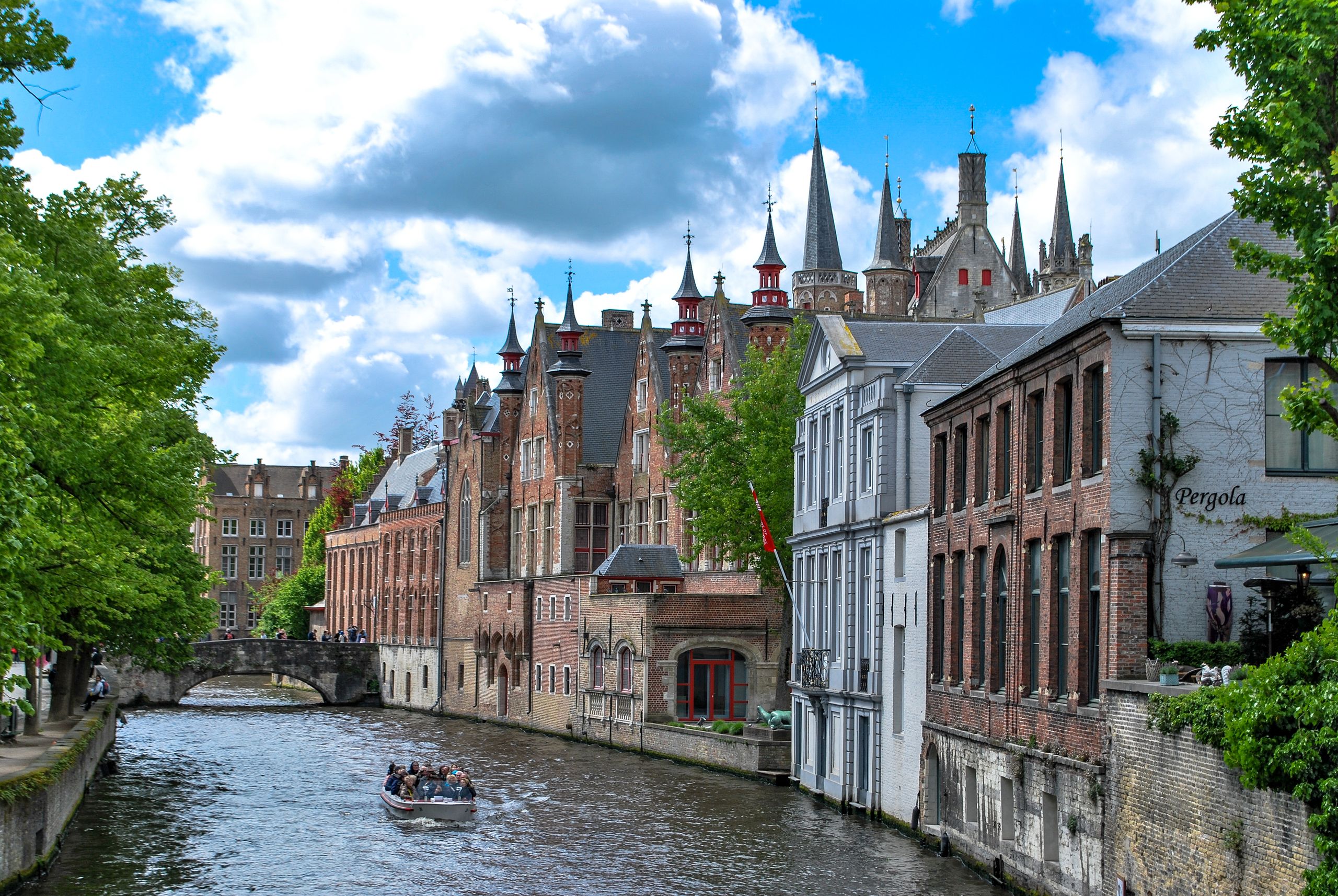
This Belgium Travel Guide is for travelers who enjoy places that reveal themselves through food, art, architecture, history, and small pleasures. Belgium may be compact, but it is never boring. In fact, some of its greatest gifts are found in the details.
Belgium sits at a crossroads of languages, cultures, and histories. Dutch, French, and German are all official languages, and that complexity shapes the country in visible and invisible ways. You feel it in the food, hear it in the streets, and notice it in the architecture, politics, and local identities.
For travelers, Belgium offers a beautiful mix of medieval cities, grand squares, quiet canals, world-class chocolate, strong beer traditions, and museums that can turn a simple weekend into a rich cultural experience.
This Belgium Travel Guide brings together practical planning advice, suggested itineraries, regional food, transportation tips, cultural context, and the everyday experiences that make this small country feel surprisingly layered.
Belgium at a Glance
- Capital: Brussels
- Official languages: Dutch, French, and German
- Currency: Euro, abbreviated EUR
- Region: Western Europe
- Travel area: European Union and Schengen Area
- Best general travel seasons: Spring and early fall
- Main international airport: Brussels Airport
- Electrical outlets: Type C and Type E plugs
- Electricity: 230 volts and 50 hertz
- Driving: Vehicles travel on the right side of the road
- Popular destinations: Brussels, Bruges, Ghent, Antwerp, Leuven, Liège, Dinant, Namur, Mechelen, and the Ardennes
Transportation schedules, entry rules, opening hours, and safety guidance can change. Therefore, confirm important details through official sources shortly before your trip.
Why Visit Belgium?
Belgium is ideal for travelers who want a European destination with depth, variety, and easy movement between cities. Brussels, Bruges, Ghent, Antwerp, Leuven, and Liège each offer something different.
Brussels is international and layered. It is home to major European institutions, yet it also has neighborhood markets, comic book murals, Art Nouveau architecture, and food traditions worth exploring.
Bruges feels romantic and historic, with canals, towers, and cobblestone streets that invite slow wandering. Ghent has creative energy, medieval architecture, and a lively student presence.
Antwerp brings fashion, design, art, and port-city confidence. Leuven offers university-town charm, while Wallonia reveals different landscapes, culinary traditions, and cultural identities.
Together, these places make Belgium feel much larger than it looks on a map.
The Best Time to Visit Belgium
Belgium is a year-round destination. However, the best time to visit depends on whether you prefer gardens, festivals, outdoor cafés, museums, holiday markets, or fewer crowds.
Spring in Belgium
Spring brings blooming parks, longer days, outdoor terraces, and generally comfortable conditions for city exploration. March can still feel cold, while April weather may shift quickly between rain and sunshine.
By May, cities often feel lively without reaching the busiest part of summer. Spring works especially well for Brussels, Bruges, Ghent, Antwerp, and garden visits.
Summer in Belgium
Summer brings festivals, longer evenings, outdoor dining, canal cruises, and busy public squares. July and August are popular, particularly in Bruges and other heavily visited destinations.
Belgian weather can remain unpredictable even in summer. Carry a light rain layer and avoid assuming every day will be warm and sunny.
Fall in Belgium
Early fall can offer mild temperatures, fewer peak-season crowds, changing leaves, and a cozy return to cafés and indoor cultural experiences.
September and early October work well for city travel, food experiences, walking tours, and exploring the countryside. Later fall brings cooler temperatures and shorter days.
Winter in Belgium
Winter can feel cold, damp, and gray. However, museums, chocolate shops, breweries, historic cafés, and holiday markets make the season appealing.
December brings festive lights and seasonal events. January and February may offer lower accommodation prices, although some attractions operate reduced hours.
Belgium Entry Requirements and Visas
Belgium belongs to the European Union and the Schengen Area. Entry requirements depend on your nationality, passport, length of stay, and reason for traveling.
Many visitors can enter Belgium for short tourist stays without applying for a visa in advance. Other travelers must obtain a Schengen visa before departure.
Eligible non-EU travelers are generally limited to a combined total of 90 days within any 180-day period throughout the Schengen Area. Time spent in other Schengen countries counts toward the same allowance.
Entry systems and authorization requirements can change. Therefore, check the official Belgian visa information and the Belgian embassy or consulate serving your country before departure.
Your passport should meet the requirements for your nationality and travel dates. Border officials may also ask for accommodation details, proof of funds, travel insurance, or an onward ticket.
How Many Days Do You Need in Belgium?
Belgium’s compact size makes it possible to see several cities in one trip. However, moving too quickly can turn every destination into a blur of train stations and hurried photographs.
Two to Three Days
A short visit works best when you focus on Brussels and one nearby city. Bruges, Ghent, Leuven, Antwerp, and Mechelen are all possible additions by train.
Four to Five Days
Four or five days gives you enough time to combine Brussels with Bruges and Ghent. You can also substitute Antwerp if art, fashion, architecture, and urban culture interest you more.
Seven Days
One week allows you to visit several cities while slowing down enough to enjoy museums, food experiences, markets, neighborhoods, and evening walks.
Ten Days or Longer
Ten days gives you room to add Wallonia, the Ardennes, the Belgian coast, smaller towns, or deeper cultural experiences in Brussels and Antwerp.
Suggested Belgium Itineraries
Three Days in Belgium
- Day One: Explore central Brussels, the Grand-Place, nearby neighborhoods, and a traditional Belgian meal.
- Day Two: Take a day trip to Bruges or Ghent.
- Day Three: Visit Brussels museums, markets, Art Nouveau sites, or European institutions.
Five Days in Belgium
- Days One and Two: Brussels
- Day Three: Bruges
- Day Four: Ghent
- Day Five: Leuven, Mechelen, or additional time in Brussels
Seven Days in Belgium
- Days One and Two: Brussels
- Day Three: Bruges
- Days Four and Five: Ghent
- Days Six and Seven: Antwerp
Ten Days in Belgium
- Days One through Three: Brussels
- Day Four: Leuven or Mechelen
- Days Five and Six: Bruges
- Days Seven and Eight: Ghent
- Days Nine and Ten: Antwerp, Liège, Namur, or Dinant
Belgium’s rail network makes city-to-city travel easy. Still, consider staying overnight in Bruges, Ghent, or Antwerp instead of treating every destination as a day trip.
Cities and Regions Worth Exploring
Brussels
Brussels is the political capital of Belgium and one of Europe’s most international cities. It is home to European institutions, diplomatic communities, historic architecture, working-class neighborhoods, migrant communities, museums, markets, and a strong food scene.
The Grand-Place deserves its reputation, especially when evening light reflects across the ornate buildings. However, Brussels becomes more interesting when you move beyond the central square.
Explore the Marolles, Saint-Gilles, Ixelles, Matonge, Sablon, and other neighborhoods. Look for comic murals, Art Nouveau façades, flea markets, African restaurants, independent shops, and neighborhood cafés.
Bruges
Bruges is known for medieval architecture, canals, towers, historic squares, and a beautifully preserved center. It can feel romantic, theatrical, and almost too perfect at first glance.
The city receives large numbers of day-trippers. Therefore, consider staying overnight or exploring early in the morning and later in the evening.
Walk beyond the busiest streets, visit quieter canals, enter smaller museums, and remember that Bruges is also a living community rather than a historical backdrop.
Ghent
Ghent combines medieval architecture with student energy, contemporary culture, street art, nightlife, and a strong sense of daily life.
The historic waterfront is beautiful, but the city’s appeal extends beyond its postcard views. Museums, vegetarian restaurants, creative spaces, markets, and community events give Ghent a younger and more experimental energy.
Travelers who find Bruges too polished may prefer Ghent’s livelier and more lived-in atmosphere.
Antwerp
Antwerp is a port city with strong connections to fashion, art, diamonds, trade, design, and global migration. It feels confident, creative, and more urban than Bruges or Ghent.
Visit the historic center, explore fashion and art museums, admire Antwerp Central Station, and spend time near the river and former port areas.
Antwerp’s cultural story also includes colonial trade, Jewish history, migration, and the global systems that shaped its wealth. Thoughtful travel should make room for those histories.
Leuven
Leuven is a university city with a compact historic center, lively public squares, cafés, breweries, and a strong student presence.
It works well as a day trip from Brussels. However, staying overnight reveals a more relaxed city after commuters and short-term visitors leave.
Mechelen
Mechelen sits between Brussels and Antwerp but receives fewer visitors than either city. Its historic center, cathedral tower, museums, and canals make it a rewarding alternative to Belgium’s busiest destinations.
The city is especially appealing to travelers who appreciate architecture and history without large crowds.
Liège
Liège offers a more industrial, energetic, and distinctly Walloon experience. French is the dominant language, and the city’s markets, food traditions, architecture, and nightlife create a different atmosphere from Flanders.
Travelers interested in regional identity and cities outside the most polished tourism circuit may find Liège especially compelling.
Namur and Dinant
Namur and Dinant introduce travelers to Wallonia’s river valleys, fortresses, dramatic landscapes, and smaller-city rhythms.
Dinant is especially recognizable for its riverside setting and cliffside citadel. Namur offers a larger urban center with a historic core and hilltop fortress.
The Ardennes
The Ardennes offer forests, hiking, cycling, villages, rivers, caves, and historic sites. This region provides a quieter contrast to Belgium’s dense urban centers.
Public transportation may be less convenient in rural areas. Therefore, carefully research connections or consider renting a car for a flexible countryside itinerary.
The Belgian Coast
Belgium’s North Sea coast includes beaches, resort towns, seafood, promenades, dunes, and a coastal tram connecting several communities.
Coastal Belgium feels very different from the country’s medieval cities. It can make an interesting addition during warmer months or a windswept winter escape.
Understanding Belgium’s Languages and Regions
Belgium’s linguistic structure is central to understanding the country. Dutch is dominant in Flanders, French is dominant in Wallonia, and a smaller German-speaking community lives in eastern Belgium.
Brussels is officially bilingual in Dutch and French. However, the city is also highly international, and you will hear many other languages in everyday life.
Language is closely connected to regional identity, education, politics, media, and public administration. Travelers do not need to master Belgium’s political structure, but it helps to avoid treating the country as culturally uniform.
Pay attention to place names because stations and cities may appear differently in Dutch and French. For example, Antwerpen is Antwerp, Gent is Ghent, and Luik is Liège.
Getting Around Belgium
Belgium works beautifully for train travel. Its cities are relatively close together, and many major destinations have direct or simple rail connections.
Traveling by Train
SNCB/NMBS operates Belgium’s national passenger rail system. The company’s name appears in French as SNCB and in Dutch as NMBS.
You can check routes, platforms, journey times, delays, and ticket options through the official Belgian Rail website.
Most intercity trains do not require seat reservations. However, international services may use different rules.
Stations can become crowded, and platform information may change. Check the departure board shortly before boarding.
International Trains
Belgium has rail connections to France, the Netherlands, Germany, Luxembourg, and the United Kingdom. International high-speed trains often cost less when booked early.
Review international routes through the official SNCB International website or the relevant train operator.
Public Transportation in Brussels
Brussels uses metro, tram, bus, and suburban rail services. Different regional and national operators may appear in trip-planning results.
Check which operator manages your route and whether your ticket allows transfers. Contactless payment may be available on some services, but rules can change.
Walking and Cycling
Belgian historic centers are highly walkable. However, cobblestones, tram tracks, rain, and uneven pavement can make comfortable footwear essential.
Cycling is common in many areas, particularly in Flanders. Always check bicycle lanes before crossing the street, and avoid walking in marked cycling paths.
Driving in Belgium
A car is generally unnecessary for Brussels, Bruges, Ghent, Antwerp, and Leuven. It may become useful for rural Wallonia, parts of the Ardennes, or a highly flexible countryside itinerary.
Traffic, parking, road construction, and low-emission zones can complicate city driving. Check local vehicle rules before entering major cities.
Money, Cash, Cards, and Tipping
Belgium uses the euro. Credit and debit cards are widely accepted in hotels, supermarkets, museums, and established restaurants.
However, some small cafés, market vendors, public restrooms, and independent businesses may prefer cash or a local payment system. Carrying a modest amount of euros can help.
Tipping in Belgium
Service is generally included in restaurant and café prices. Tipping is not required in the same way it is in the United States.
You can round up the bill or leave a small additional amount for excellent service. Large percentage-based tips are usually unnecessary.
For guides, drivers, hotel staff, and specialty services, tipping depends on the experience and quality of service.
Belgian Food You Should Try
Belgium is one of those countries where food becomes part of the travel experience almost immediately. Chocolate is a serious craft. Fries are not an afterthought. Waffles are not just one thing. Beer has centuries of tradition behind it.
However, Belgian food is more than the famous treats. Seafood, stews, cheeses, pastries, vegetables, regional specialties, and immigrant food traditions all deserve attention.
Belgian Fries
Belgian fries are typically thick-cut and fried more than once to create a crisp exterior and soft interior. They may be served in a paper cone with a wide choice of sauces.
Look for a local friterie or frituur rather than assuming restaurant fries will offer the same experience.
Moules-Frites
Mussels and fries are one of Belgium’s best-known combinations. The mussels may be prepared with white wine, cream, herbs, vegetables, or other sauces.
Quality and seasonality matter. Ask what preparation the restaurant recommends.
Carbonnade Flamande
Carbonnade flamande is a Flemish beef stew commonly cooked with beer, onions, and seasonings. It is rich, comforting, and often served with fries.
Waterzooi
Waterzooi is a creamy stew associated with Ghent. Traditional versions may feature fish or chicken with vegetables, broth, cream, and eggs.
Stoemp
Stoemp combines mashed potatoes with vegetables such as carrots, leeks, cabbage, or spinach. It may be served with sausage, meat, or another protein.
Croquettes
Shrimp croquettes and cheese croquettes appear on many Belgian menus. The crisp exterior surrounds a creamy filling, making them a popular starter or light meal.
Speculoos
Speculoos are crisp, warmly spiced biscuits often served with coffee. You will also find speculoos flavors in spreads, desserts, ice cream, and pastries.
Belgian Waffles Are Not All the Same
Travelers often speak about Belgian waffles as though they are one single food. However, regional styles differ.
Brussels Waffles
Brussels waffles are generally rectangular, light, crisp, and airy. They may be served with powdered sugar, fruit, chocolate, or whipped cream.
Liège Waffles
Liège waffles are denser, sweeter, and often irregular in shape. Pearl sugar caramelizes during cooking and creates sweet, crisp pockets.
Try both styles before deciding which one you prefer.
Belgian Chocolate
Chocolate is one of Belgium’s most famous exports, but the experience goes far beyond buying a decorative box near a tourist attraction.
Belgium has historic chocolate houses, independent makers, experimental chocolatiers, factory-scale brands, and small shops creating their own fillings and flavor combinations.
Try pralines, truffles, ganache, filled chocolates, chocolate bars, and seasonal creations. Ask about cocoa origins and production methods when possible.
Save room to visit more than one chocolatier because each shop has its own style and personality.
Understanding Belgian Beer Culture
Belgian beer culture includes Trappist brewing, abbey traditions, lambic fermentation, farmhouse styles, strong ales, wheat beers, fruit beers, and many regional variations.
Beer may be served in a glass designed for that specific style. Alcohol levels can also be much higher than visitors expect.
- Trappist beer: Beer connected to recognized Trappist monasteries and specific production standards
- Lambic: A spontaneously fermented beer associated with Brussels and the surrounding region
- Gueuze: A blend of aged and younger lambic beers
- Kriek: A fruit beer traditionally made with cherries
- Saison: A farmhouse-style beer associated with Wallonia
- Dubbel and tripel: Stronger styles connected to Belgian monastic brewing traditions
- Witbier: A light wheat beer often brewed with spices
Drink slowly, eat alongside your beer, and never assume that one Belgian beer equals one standard American beer in strength.
Travelers who do not drink alcohol can still enjoy Belgian food culture through chocolate, coffee, waffles, pastries, regional dishes, markets, and alcohol-free beverages.
Belgium Through the Lens of Food Systems
My work in sustainable food systems changes how I experience every destination. I notice where ingredients come from, who produces them, how they move, and which foods become symbols of national identity.
Belgium’s food story includes dairy farming, potatoes, sugar, seafood, brewing grains, chocolate production, market systems, international trade, and strong regional traditions.
Chocolate also connects Belgium to a much larger global story. Cocoa does not grow in Belgium. It travels through international supply chains shaped by farming communities, labor conditions, commodity markets, colonial history, and unequal economic relationships.
Beer has its own agricultural foundation. Grain, hops, water, yeast, land, transportation, energy, and skilled labor all contribute to what eventually appears in a glass.
Travelers can support local food systems by visiting markets, choosing independent producers, eating seasonal food, asking where products come from, and recognizing the labor behind every celebrated specialty.
Art, Architecture, and Public Life
Belgium has a strong visual identity. You see it in medieval squares, Gothic churches, Art Nouveau buildings, comic art, industrial architecture, royal monuments, and modern design.
Cities here often feel like open-air museums, especially when you slow down enough to notice carvings, façades, signs, towers, doorways, and the changing styles along a single street.
The country also has deep artistic roots. Flemish painters, surrealists, designers, photographers, illustrators, and contemporary artists all contribute to Belgium’s cultural story.
For travelers who love museums, the country offers far more than one trip can hold.
Belgium, Colonialism, and Difficult History
Belgium’s wealth and cultural institutions cannot be discussed honestly without acknowledging colonialism, especially the country’s relationship with the Congo.
King Leopold II controlled the Congo Free State as a personal possession before it became a Belgian colony. Violence, forced labor, resource extraction, and mass suffering shaped that history.
Colonial wealth influenced architecture, monuments, collections, public institutions, trade, and national narratives. Some museums and communities are now examining those legacies more openly.
Thoughtful travel means looking beyond beautiful squares and royal monuments. Ask what produced the wealth, whose stories were excluded, and how Belgium continues to debate its colonial past.
Belgium Through a Gender Lens
Women have shaped Belgium as artists, workers, migrants, politicians, scholars, entrepreneurs, farmers, organizers, brewers, chocolatiers, and community leaders.
However, traditional tourism stories often center kings, businessmen, male artists, and religious institutions. Travelers can broaden that perspective by seeking museums, tours, businesses, and cultural spaces that highlight women’s experiences.
Women commonly travel independently throughout Belgium. Walkable cities and public transportation make solo exploration manageable.
- Choose accommodations with strong recent reviews.
- Stay aware near major train stations late at night.
- Watch your belongings in crowded city centers.
- Keep your phone charged during long travel days.
- Use official taxis or established ride services when needed.
- Trust your instincts and leave situations that feel uncomfortable.
Traveling in Belgium as a Black Traveler
Black travelers can have rich, welcoming experiences throughout Belgium. Brussels and Antwerp are especially diverse, with African, Caribbean, Middle Eastern, Asian, and other diaspora communities shaping the cities’ culture.
Brussels has important connections to Congolese and wider African diasporas. The Matonge neighborhood in Ixelles is one visible center of African shops, restaurants, salons, businesses, and cultural life.
At the same time, Black travelers may encounter staring, racial profiling, inappropriate comments, or discrimination. Experiences can vary by person, neighborhood, and situation.
I believe in traveling with openness while remaining honest about race. Read recent accounts from other Black travelers, support Black-owned businesses, and remember that you have every right to occupy cultural and public spaces.
Is Belgium Safe to Visit?
Belgium receives millions of visitors, and many trips take place without serious problems. However, travelers should remain aware of petty theft, transportation disruptions, demonstrations, and current security guidance.
Pickpocketing and bag theft can occur around major train stations, crowded attractions, public transportation, shopping streets, and busy public squares.
American travelers should review the latest U.S. Department of State Belgium Travel Advisory. Travelers from other countries should consult their own government’s current guidance.
Basic Safety Tips
- Keep bags closed and positioned in front of you in crowded areas.
- Do not leave phones or wallets on café tables near the street.
- Use luggage racks carefully on trains.
- Remain aware around Brussels-Midi and other major stations.
- Avoid displaying large amounts of cash.
- Save copies of important travel documents.
- Follow instructions from local authorities during demonstrations or disruptions.
- Keep emergency and accommodation information available offline.
Cultural Etiquette in Belgium
Belgian interactions can feel polite, reserved, and regionally distinct. Greeting people, respecting personal space, and making an effort with local language can improve everyday experiences.
- Greet people when entering small shops and cafés.
- Use polite language when asking for assistance.
- Respect queues and personal space.
- Keep noise moderate on public transportation.
- Do not block bicycle lanes.
- Ask before photographing people.
- Avoid making jokes about language or regional differences.
- Do not assume everyone in Belgium speaks French.
- Respect quiet hours in residential buildings.
- Handle colonial history and local politics with care.
Useful Words and Phrases
The language you use may depend on the region. French is common in Brussels and Wallonia, while Dutch is dominant in Flanders.
Useful French
- Bonjour: Hello or good day
- Bonsoir: Good evening
- S’il vous plaît: Please
- Merci: Thank you
- Excusez-moi: Excuse me
- Parlez-vous anglais? Do you speak English?
- L’addition, s’il vous plaît: The bill, please
Useful Dutch
- Goedemorgen: Good morning
- Hallo: Hello
- Alstublieft: Please or here you are
- Dank u: Thank you
- Excuseer: Excuse me
- Spreekt u Engels? Do you speak English?
- De rekening, alstublieft: The bill, please
Connectivity, SIM Cards, and Internet Access
Wi-Fi is common in hotels, hostels, cafés, museums, and public spaces. However, connection quality can vary.
Travelers may purchase a local SIM card or use an eligible European eSIM. Registration requirements may apply, so carry your passport when purchasing service.
- Download offline city maps.
- Save train tickets and reservations to your phone.
- Carry a portable power bank.
- Confirm whether your mobile plan includes European roaming.
- Keep hotel addresses available offline.
- Download translation tools for Dutch and French.
What to Pack for Belgium
Belgian weather can change quickly. Layers and rain protection are useful during every season.
- Comfortable walking shoes
- A water-resistant jacket
- Lightweight layers
- A compact umbrella
- A sweater or light jacket
- A secure crossbody bag
- A reusable water bottle
- A portable power bank
- A Type C or Type E power adapter
- Copies of important travel documents
- Travel insurance information
- Any necessary medication
- A slightly dressier outfit for special restaurants or cultural events
Cobblestone streets can be beautiful and unforgiving. Choose shoes that can handle long walking days, uneven pavement, and occasional rain.
Responsible Travel in Belgium
Belgium’s most popular destinations can feel crowded, especially when day-trippers arrive in large numbers. Thoughtful choices can reduce pressure on historic centers and residential communities.
- Use trains and public transportation when practical.
- Stay overnight in popular cities instead of visiting only for a few hours.
- Support locally owned restaurants, shops, and accommodations.
- Explore neighborhoods beyond the central tourist areas.
- Buy chocolate directly from independent producers.
- Ask about ethical and sustainable cocoa sourcing.
- Respect private homes and residential streets.
- Do not block sidewalks or doorways while taking photographs.
- Follow local recycling instructions.
- Learn about Belgium’s colonial history instead of focusing only on royal grandeur.
Responsible travel means looking beyond consumption. It asks us to consider where our money goes, whose labor supports our experience, and which stories we repeat afterward.
Booking Belgium Tours and Experiences
Guided experiences can add valuable context, especially for food, chocolate, beer, architecture, colonial history, art, and neighborhood exploration.
Before booking, confirm entrance fees, tastings, transportation, meeting points, age restrictions, accessibility, and cancellation policies.
You can browse Belgium tours, Brussels experiences, chocolate workshops, beer tastings, walking tours, museum visits, and day trips through GetYourGuide.
Finding Accommodation in Belgium
Belgium offers international hotels, boutique properties, hostels, apartments, historic guesthouses, bed-and-breakfasts, and rural accommodations.
Location can strongly affect your experience. A hotel near a central station may simplify day trips, while a neighborhood property may offer better food, quieter streets, and a stronger sense of local life.
Questions to Ask Before Booking
- How close is the property to a train, tram, metro, or bus stop?
- Does the building have an elevator?
- Is air conditioning available during summer?
- Does the room have a private bathroom?
- Are city taxes included in the listed price?
- Is breakfast included?
- Does the property offer luggage storage?
- What time does reception close?
- Is the surrounding area comfortable after dark?
- How long does it take to reach the main attractions?
Budget travelers can compare hostels and affordable accommodations through Hostelworld.
Travel Insurance for Belgium
Travel insurance may help with medical emergencies, trip delays, cancellations, lost baggage, and unexpected expenses.
Read the policy details carefully. Coverage can vary for pre-existing conditions, valuable belongings, civil disruption, missed connections, and activities such as cycling.
Long-term travelers and digital nomads can review available coverage through SafetyWing. Compare the policy with other options before purchasing.
Frequently Asked Questions About Belgium Travel
Is Belgium expensive?
Belgium can feel expensive, especially in central Brussels, Bruges, and popular tourist areas. However, trains, bakeries, supermarkets, lunch specials, hostels, and free walking routes can help reduce costs.
How many days do I need in Belgium?
Four or five days gives first-time visitors enough time to combine Brussels with Bruges and Ghent. Seven to ten days allows for Antwerp, Leuven, Wallonia, or a slower itinerary.
Do I need a visa to visit Belgium?
Visa requirements depend on your nationality, passport, reason for travel, and length of stay. Check the official Belgian government requirements before departure.
Is Belgium safe for solo women?
Many women travel independently throughout Belgium. Public transportation and walkable cities make solo travel manageable. However, remain alert near major stations, crowded areas, and nightlife districts.
Which language should I speak in Belgium?
Dutch is dominant in Flanders, French is dominant in Wallonia, and Brussels is officially bilingual. English is common in many tourism settings, but learning a greeting in the regional language is respectful.
Can I travel around Belgium without a car?
Yes. Trains connect most major cities, while local trams, metros, and buses cover urban areas. A car becomes more useful in rural parts of Wallonia and the Ardennes.
Should I stay in Brussels or Bruges?
Brussels offers stronger transportation connections, diverse neighborhoods, major museums, nightlife, and international culture. Bruges offers a smaller, more atmospheric historic setting. Many travelers enjoy staying in both.
Is Bruges worth visiting?
Bruges is beautiful and historically significant. However, it can feel crowded during peak hours. Stay overnight or explore early and late to experience a quieter side of the city.
Is Ghent better than Bruges?
Neither city is universally better. Bruges offers a polished medieval atmosphere, while Ghent feels livelier, younger, and more integrated with modern city life.
Do I need cash in Belgium?
Cards are widely accepted, but some small businesses, market stalls, cafés, and public restrooms may require cash or local payment methods.
What food should I try in Belgium?
Try Belgian fries, moules-frites, carbonnade flamande, waterzooi, croquettes, waffles, chocolate, speculoos, cheese, seafood, and regional beer styles.
Can I drink the tap water in Belgium?
Tap water is generally safe to drink in Belgium. However, follow any local notices or property-specific guidance.
Helpful Belgium Travel Resources
- Official Belgium Government Website
- Official Belgium Visa Information
- SNCB/NMBS Belgian Rail
- SNCB International Rail
- Visit Flanders
- Visit Wallonia
- Visit Brussels
- U.S. Department of State Belgium Travel Advisory
- Browse Belgium Tours on GetYourGuide
- Compare Belgium Hostels on Hostelworld
- Review Travel Insurance Through SafetyWing
Explore More Belgium Stories on DG Speaks
This Belgium Travel Guide will continue growing as I add destination guides, food stories, cultural reflections, practical advice, and personal experiences from across the country.
- Things to Do in Brussels
- A Guide to Brussels Neighborhoods
- How to Spend a Day in Bruges
- Ghent Travel Guide
- Things to Do in Antwerp
- Belgian Foods Every Traveler Should Try
- A Guide to Belgian Chocolate
- How to Travel Around Belgium by Train
- Belgium Travel Tips for Solo Women
- Black History and Culture in Brussels
- What to Pack for Belgium
- How Much Does It Cost to Visit Belgium?
Final Thoughts on Visiting Belgium
Belgium is a country of rich flavors, layered histories, and places that reward close attention. Come for the chocolate, waffles, beer, canals, and medieval squares. However, stay long enough to notice the languages, neighborhoods, markets, migration stories, and regional identities that make the country feel alive.
Look closely at the architecture. Visit more than one city. Try food beyond the famous treats. Learn about the country’s difficult history. Pay attention to the people and communities shaping Belgium today.
The best travel experiences happen when we stop treating small countries like quick stops and begin allowing them to tell their own complicated stories.
Belgium has plenty to say.
This page contains affiliate links. If you make a purchase through one of these links, DG Speaks may earn a commission at no additional cost to you. These commissions help support the independent travel and cultural storytelling shared on this site.