

This Canada Travel Guide is for travelers who want more than postcard images of mountains, lakes, and snowy landscapes. Canada is undeniably beautiful. Yet its real story also includes cultural complexity, regional identities, living histories, and communities shaped by migration, language, and the land.
People often describe Canada as polite, scenic, and easy to explore. While those impressions may hold some truth, they only scratch the surface. Across its vast distances, the country includes major cities, small towns, Indigenous nations, French-speaking regions, immigrant neighborhoods, Atlantic coasts, prairie landscapes, Pacific rainforests, and northern territories.
What draws me to Canada is the way it rewards slower, more thoughtful travel. The landscapes may capture your attention first. Still, the people, food, histories, languages, and regional identities give the country its real depth.
Throughout this Canada Travel Guide, you will find practical planning advice, regional itineraries, transportation tips, cultural context, food experiences, safety guidance, and ideas for traveling more responsibly across one of the largest countries in the world.
Canada at a Glance
- Capital: Ottawa
- Official languages: English and French
- Currency: Canadian dollar, abbreviated CAD
- Political divisions: Ten provinces and three territories
- Best general travel season: Late spring through early fall for city travel and outdoor activities
- Best season for fall color: September through October, depending on the region
- Best season for winter sports: Generally December through March
- Main international gateways: Toronto, Vancouver, Montreal, Calgary, and Ottawa
- Electrical outlets: Type A and Type B plugs
- Electricity: 120 volts and 60 hertz
- Driving: Vehicles travel on the right side of the road
- Emergency number: 911
- Popular destinations: Toronto, Montreal, Vancouver, Quebec City, Ottawa, Halifax, Calgary, Banff, Jasper, Victoria, Niagara Falls, and Prince Edward Island
Because Canada stretches across such an enormous area, no two trips will look exactly alike. Weather, transportation, costs, language, and daily logistics vary considerably from one province or territory to another. For that reason, always verify information for the specific region you plan to visit.
Why Visit Canada?
Whether you are drawn to multicultural cities or remote wilderness, Canada offers remarkable variety. Major urban centers sit alongside forests, coastlines, islands, agricultural regions, historic communities, and Indigenous homelands.
One trip could center on Toronto’s museums and food neighborhoods. Another might focus on French language and culture in Quebec. Elsewhere, you could travel along the Atlantic coast, hike through the Rocky Mountains, explore Vancouver Island, or experience the vast landscapes of the Prairies.
Seasonal changes add another layer to the experience. Summer brings festivals, hiking, lakes, road trips, and outdoor dining. Meanwhile, fall introduces brilliant color and harvest traditions. Once winter arrives, cities and mountain regions shift toward skating, skiing, snowshoeing, and cold-weather celebrations.
For travelers from the United States, Canada may feel familiar at first. Even so, it deserves to be understood on its own terms. Its political system, bilingual institutions, Indigenous nations, migration patterns, regional identities, and relationship with the land create a story that is distinctly Canadian.
Canada Is Bigger Than One Itinerary
One of the biggest mistakes first-time visitors make is underestimating the country’s size. As the second-largest country in the world by total area, Canada simply cannot be experienced fully during one vacation.
A traveler could focus entirely on Toronto, Montreal, Vancouver, Quebec City, Halifax, Calgary, Ottawa, the Canadian Rockies, Atlantic Canada, or the North and still see only one small part of the country.
Each region also moves at a different rhythm. Montreal feels very different from Vancouver. Atlantic Canada offers another pace than Ontario. Farther west, the Prairies create an entirely different sense of space. By contrast, northern travel introduces unique landscapes, cultures, costs, and logistical challenges.
Rather than rushing across the map, choose one region and experience it well. Cross-country travel is possible, but it requires time, money, patience, and careful transportation planning.
The Best Time to Visit Canada
The ideal time to visit depends on both the destination and the experience you want. Because the country spans several climate zones, the same month can feel completely different in Vancouver, Toronto, Halifax, Banff, and the Yukon.
Spring in Canada
As winter begins to release its grip, spring brings blooming gardens, maple season, fewer crowds, and lower accommodation rates. Nevertheless, snow may remain in mountain and northern regions well into the season.
March and April often feel wet, muddy, and unpredictable. By May, however, many cities become more comfortable for walking, outdoor patios, festivals, and neighborhood exploration.
For city travel, spring works particularly well in Toronto, Montreal, Ottawa, Vancouver, Victoria, and southern parts of Atlantic Canada. Before heading into mountain areas, always review current trail and road conditions.
Summer in Canada
Across much of the country, summer is the busiest travel season. Long days, festivals, hiking, camping, beaches, road trips, lakes, and outdoor dining make June through August especially popular.
As a result, national parks, mountain towns, coastal areas, and major festivals may book months in advance. Reserve accommodations, rental cars, ferries, campsites, and popular activities as early as possible.
Do not assume the country remains cool all summer. Toronto, Montreal, Ottawa, the Prairies, and interior British Columbia can experience significant heat. In addition, wildfire smoke may affect air quality in several regions.
Fall in Canada
For many travelers, fall is one of the most beautiful times to visit. September often brings comfortable temperatures, fewer summer crowds, harvest events, and changing foliage.
Ontario, Quebec, New Brunswick, Nova Scotia, and Prince Edward Island are especially well known for autumn color. Still, peak timing depends on elevation, latitude, and annual weather patterns.
Later in the season, cold weather can arrive quickly. Therefore, check seasonal schedules because some businesses, mountain roads, boat services, and outdoor attractions may reduce hours or close.
Winter in Canada
For travelers who enjoy cold-weather adventures, winter opens the door to skiing, snowboarding, skating, snowshoeing, northern lights experiences, winter festivals, and frozen landscapes.
Even so, Canadian winters require serious preparation. Temperatures may become dangerously cold, daylight hours shrink, storms disrupt transportation, and road conditions change without much warning.
Coastal British Columbia and Vancouver generally experience milder winters than central, northern, and eastern Canada. Meanwhile, Winnipeg, Ottawa, Montreal, Quebec City, and Edmonton may face severe cold.
Canada Entry Requirements and Visas
Before booking, check the entry rules connected to your nationality, passport, immigration status, arrival method, and reason for travel.
Many visa-exempt foreign nationals need an Electronic Travel Authorization, commonly called an eTA, when flying to or transiting through a Canadian airport. By contrast, other travelers must obtain a visitor visa.
U.S. citizens traveling with a valid United States passport generally do not need a Canadian visitor visa or eTA for a tourist visit. Nevertheless, every traveler must still meet Canada’s basic entry requirements.
Because an eTA is linked electronically to the passport used in the application, receiving a new passport may require a new authorization.
Instead of relying on unofficial websites, visit the official Government of Canada visitor information to determine whether you need a visa or eTA.
At the border, officials may ask about your accommodation, finances, return plans, travel purpose, and intended length of stay. Carry supporting information even when a visa is not required.
Travelers with criminal convictions, including certain driving offenses, may face entry restrictions. Therefore, review your circumstances before departure rather than assuming a minor offense will not matter.
How Many Days Do You Need in Canada?
No single itinerary length works for every visitor. Instead, the answer depends on which region you choose and how deeply you want to explore it.
Three to Four Days
A long weekend works best when you focus on one major city. Toronto, Montreal, Vancouver, Quebec City, Ottawa, Calgary, Victoria, and Halifax can each support a rewarding city break.
Seven Days
With one week, you can comfortably combine nearby destinations. Toronto and Niagara Falls, Montreal and Quebec City, Vancouver and Victoria, or Calgary and Banff all make strong pairings.
Ten Days
Ten days creates more room for regional travel. For example, you might explore Ontario and Quebec, follow part of an Atlantic route, or build a Canadian Rockies itinerary.
Two Weeks
Two weeks offers enough time to experience one region at a comfortable pace. Alternatively, you can combine two connected areas without rushing through every stop.
Three Weeks or Longer
Once you have three weeks or more, cross-country travel becomes more realistic. Even then, distances remain significant, so consider combining flights, trains, ferries, rental cars, and regional transportation.
Suggested Canada Itineraries
Four Days in Toronto
- Day One: Explore downtown Toronto, the waterfront, and a major museum or cultural attraction.
- Day Two: Visit Kensington Market, Chinatown, Little Jamaica, or another food-rich neighborhood.
- Day Three: Explore the Distillery District, Toronto Islands, or a neighborhood outside the central core.
- Day Four: Take a day trip to Niagara Falls, Niagara-on-the-Lake, or another nearby destination.
Seven Days in Ontario and Quebec
- Days One through Three: Toronto
- Day Four: Travel to Ottawa
- Day Five: Explore Ottawa
- Days Six and Seven: Montreal
Because this route moves quickly, add Quebec City and more time in Montreal if you have ten days.
Seven Days in Vancouver and Victoria
- Days One through Four: Vancouver
- Day Five: Travel to Victoria by ferry or flight
- Days Six and Seven: Explore Victoria and southern Vancouver Island
Ten Days in the Canadian Rockies
- Days One and Two: Calgary
- Days Three through Five: Banff and Lake Louise
- Days Six and Seven: Icefields Parkway
- Days Eight and Nine: Jasper
- Day Ten: Return toward Calgary or continue to Edmonton
Road conditions, park reservations, seasonal closures, wildfire activity, and wildlife may all affect this route. For that reason, build flexibility into your plans.
Ten Days in Atlantic Canada
- Days One through Three: Halifax and nearby coastal communities
- Days Four and Five: Cape Breton or mainland Nova Scotia
- Days Six and Seven: New Brunswick
- Days Eight through Ten: Prince Edward Island
Atlantic Canada rewards slower road travel. Since ferries, weather, and seasonal business hours may affect your route, avoid packing the itinerary too tightly.
Two Weeks in Quebec
- Days One through Four: Montreal
- Days Five through Seven: Quebec City
- Days Eight through Ten: Charlevoix
- Days Eleven through Fourteen: Eastern Townships, Saguenay, or another regional destination
Quebec is easily large enough to support an entire trip. In addition, learning a few French phrases will make the experience feel more connected and respectful.
Regions and Cities Worth Exploring
Toronto and Southern Ontario
As Canada’s largest city, Toronto reflects the country’s multicultural identity through neighborhoods, food, arts, migration, business, and everyday city life.
Instead of limiting your visit to downtown attractions, explore Kensington Market, Chinatown, Little India, Little Jamaica, Greektown, Koreatown, Scarborough, and other neighborhoods that reveal the city’s cultural depth.
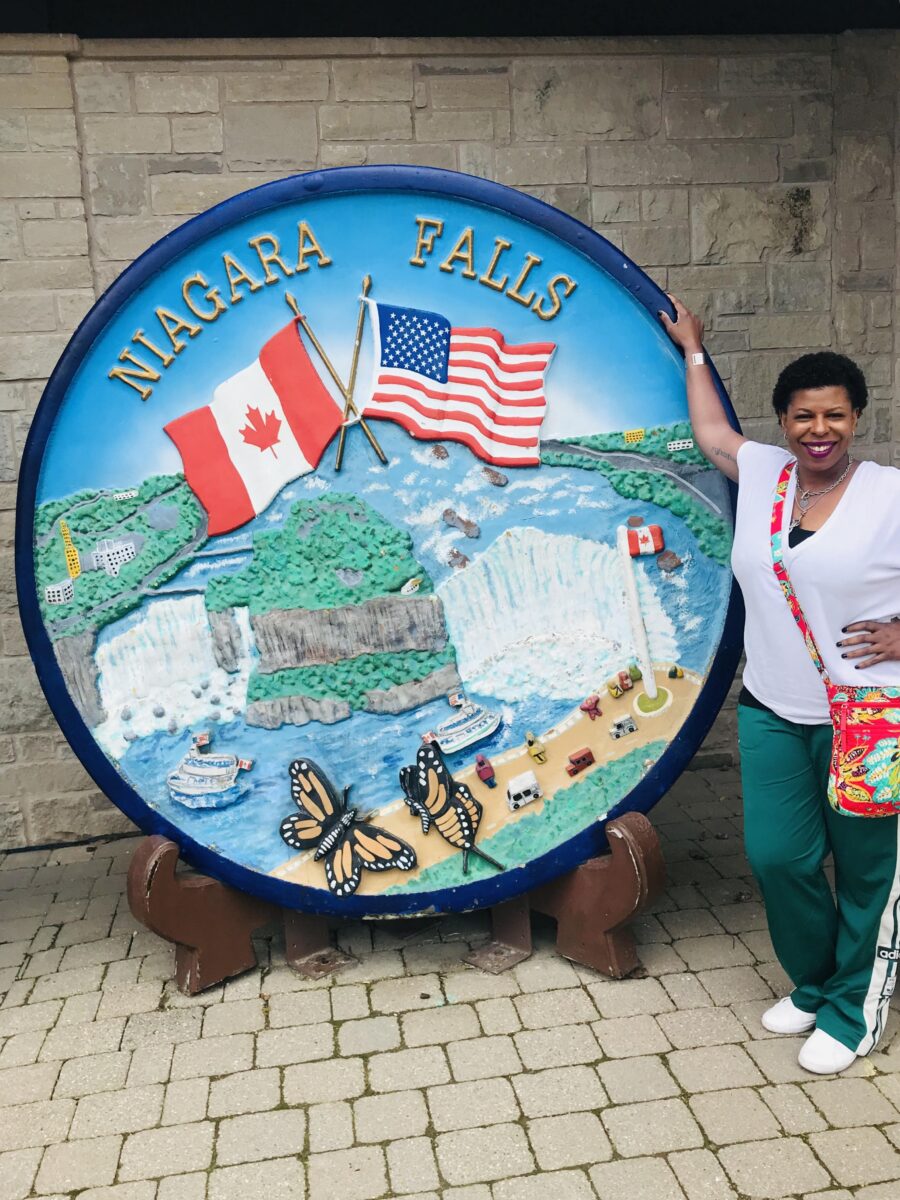
Beyond Toronto, southern Ontario includes Niagara Falls, Niagara wine country, Hamilton, Kingston, Prince Edward County, and numerous smaller lake communities.
Ottawa
For travelers interested in politics, national museums, public spaces, architecture, and Canadian history, Ottawa offers a strong introduction to the country’s federal institutions.
Beyond Parliament Hill, the city also offers neighborhood restaurants, festivals, parks, the Rideau Canal, and easy access to nearby Gatineau in Quebec.
Because national institutions help shape the stories a country tells about itself, notice which histories receive attention and which voices remain less visible.
Montreal
French language, food, music, festivals, nightlife, architecture, design, and immigrant communities all shape Montreal’s strong neighborhood culture.
Old Montreal attracts many first-time visitors. Yet the city’s personality also lives in the Plateau, Mile End, Little Burgundy, Côte-des-Neiges, Jean-Talon Market, and countless residential streets.
Equally important, Montreal’s Black history includes long-established communities, Caribbean migration, African diasporas, jazz, labor, activism, and cultural production. Seek out those stories rather than treating the city only as a European-style escape.
Quebec City
Historic walls, stone architecture, a dramatic river setting, and a strong French-speaking identity make Quebec City one of Canada’s most distinctive destinations.
The old city is undeniably beautiful, especially when explored slowly. Still, neighborhoods, food markets, museums, Indigenous experiences, and nearby nature add important depth beyond the most photographed streets.
Vancouver
Few cities combine ocean, mountains, beaches, parks, glass towers, and global food cultures as dramatically as Vancouver.
Although nature remains one of its biggest attractions, the city also holds important stories about migration, housing, inequality, Indigenous land, environmental activism, and the global economy.
While exploring Stanley Park, Granville Island, Chinatown, Commercial Drive, museums, restaurants, and the waterfront, remember that Vancouver stands on the traditional territories of Indigenous peoples whose presence continues today.
Victoria and Vancouver Island
Gardens, coastal views, historic architecture, museums, tea traditions, and a slower urban rhythm give Victoria its distinctive atmosphere.
Across the wider island, travelers will find Indigenous communities, beaches, forests, small towns, wildlife experiences, and rugged landscapes. Even so, distances can be greater than they appear, while ferries, weather, winding roads, and limited transportation may slow the journey.
Calgary
Many visitors use Calgary as a gateway to Banff and the Rockies. Nevertheless, the city deserves attention in its own right.
Spend time exploring its food scene, neighborhoods, museums, river paths, public art, and western heritage. At the same time, the city’s identity reflects migration, energy industries, Indigenous history, and its position between the Prairies and the mountains.
Banff, Jasper, and the Canadian Rockies
Banff, Lake Louise, Jasper, and the Icefields Parkway belong to Canada’s most celebrated landscapes. Their popularity, however, means planning is essential.
Accommodation can be expensive, parking fills quickly, wildlife remains active, and mountain weather may change suddenly.
Above all, remember that national parks are protected landscapes, not theme parks. Stay on designated trails, respect closures, secure food, and give wildlife plenty of space.
The Prairies
Across Manitoba, Saskatchewan, and Alberta, vast grasslands, agricultural communities, lakes, cities, badlands, Indigenous nations, and open skies create a powerful sense of scale.
Winnipeg offers museums, food, architecture, music, Indigenous culture, and important conversations about human rights. Saskatchewan introduces visitors to grasslands, prairie agriculture, and smaller cities. Farther west, Alberta stretches from plains and badlands to the Rocky Mountains.
Rather than viewing the Prairies as empty land between larger attractions, pay attention to the farming, migration, Indigenous history, climate, resource extraction, and rural life that shape the region.
Halifax and Nova Scotia
Halifax brings together maritime history, universities, music, seafood, museums, waterfront attractions, and a strong regional personality.
Elsewhere in Nova Scotia, Cape Breton, fishing communities, lighthouses, beaches, Acadian culture, Mi’kmaq culture, Black history, and coastal drives broaden the experience.
The province is also home to African Nova Scotian communities whose histories reach back centuries. Therefore, seek out museums, cultural sites, and local stories that center those experiences.
New Brunswick
As Canada’s only officially bilingual province, New Brunswick offers Acadian culture, seafood, forests, rivers, coastal communities, and the dramatic Bay of Fundy.
Saint John, Fredericton, Moncton, Fundy National Park, and smaller communities all offer worthwhile stops. Because public transportation is limited in some areas, the province works especially well for road trips.
Prince Edward Island
Red soil, beaches, seafood, potatoes, farming, literary connections, and small communities define much of Prince Edward Island’s character.
Summer draws the largest crowds, while shoulder seasons create a quieter experience. A car offers the most flexibility, although cycling and regional tours may work for some travelers.
Newfoundland and Labrador
Dramatic coastlines, fishing history, distinctive music, Indigenous cultures, local food, and colorful communities make Newfoundland and Labrador feel different from much of the country.
St. John’s serves as the main urban starting point. Beyond the city, however, travel requires careful planning because weather, ferry schedules, distance, and limited services shape the journey.
The Yukon, Northwest Territories, and Nunavut
Northern Canada offers remote communities, extraordinary landscapes, Indigenous cultures, northern lights, wildlife, and travel experiences unlike those found farther south.
Because travel in the North is expensive and logistically complex, plan carefully. Flights may be limited, road access is not available everywhere, accommodations can book early, and weather often disrupts itineraries.
Most importantly, do not treat northern communities as empty wilderness or as attractions. Learn whose homeland you are entering, work with local guides, respect community protocols, and spend money with Indigenous and locally owned businesses.
Getting Around Canada
From a practical standpoint, transportation is one of the most important parts of planning a Canada trip. Distances frequently surprise international visitors, and one route may require several forms of transportation.
Domestic Flights
For journeys between distant regions, flying is often the most practical choice. A trip from Toronto to Vancouver, for example, covers thousands of kilometers.
Domestic flights can become expensive, particularly when booked late. Before purchasing, compare baggage fees, airport transfers, and total travel time.
Traveling by Train
Passenger rail service operates across parts of the country through VIA Rail. Its network includes the busy Quebec City–Windsor corridor, Atlantic service, western routes, and long-distance trains.
Routes, stations, schedules, and fares are available through the official VIA Rail website.
Although train travel can be scenic and comfortable, it is not always faster or less expensive than flying. Outside major corridors, service frequency may be limited. In addition, long-distance routes can experience delays.
The journey between Toronto and Vancouver takes several days. Therefore, treat it as a travel experience rather than a quick transfer.
Buses and Regional Transportation
Intercity bus service changes from one province to another. Some companies connect cities, airports, mountain towns, and smaller communities. In other areas, convenient public transportation may not exist.
For that reason, research each route separately instead of assuming one company serves the entire country.
Rental Cars and Road Trips
Rental cars provide useful flexibility in national parks, Atlantic Canada, rural Quebec, Vancouver Island, northern routes, wine regions, and smaller communities.
At the same time, fuel, insurance, parking, tolls, one-way fees, winter tires, and long distances can raise the total cost considerably.
Winter driving requires additional care. Check road conditions, understand rental rules, carry emergency supplies, and avoid unfamiliar rural routes during severe weather.
Ferries
In British Columbia, Atlantic Canada, Quebec, and parts of the North, ferries play an important role in regional transportation.
Vehicle reservations may be necessary during peak summer periods. In addition, arrive early and review weather-related service updates before departure.
Public Transportation in Canadian Cities
Toronto, Montreal, Vancouver, Ottawa, Calgary, Edmonton, and several other cities operate public transportation systems. Coverage and service quality, however, vary by destination.
Some systems use regional fare cards or contactless payment. Before traveling, review transfer rules, airport surcharges, fare zones, and late-night schedules.
Money, Cards, Taxes, and Tipping
The Canadian dollar is the national currency. Credit cards, debit cards, and contactless payments are widely accepted.
Still, a small amount of cash can be useful for markets, laundromats, tips, rural businesses, small vendors, and emergencies.
Prices May Not Include Tax
One detail that surprises many international visitors is that advertised prices often exclude sales tax. As a result, the final total may be higher than the amount listed.
Because tax rates vary by province and territory, include that extra cost when budgeting for hotels, restaurants, shopping, tours, and other purchases.
Tipping in Canada
Tipping is common at restaurants, bars, salons, in taxis, and for food delivery or personal services.
Payment terminals may suggest several percentages. Before selecting one, check whether the tip is calculated before or after tax and whether a service charge already appears on the bill.
While practices vary, many diners leave approximately 15 to 20 percent for table service. Ultimately, the amount remains a personal choice based on the setting and quality of service.
Canadian Food You Should Try
Far more than poutine and maple syrup, Canadian food includes butter tarts, smoked meat, bannock, Atlantic seafood, Nanaimo bars, tourtière, prairie grains, and global food traditions.
Because geography, migration, Indigenous foodways, agriculture, climate, language, and regional history all shape the table, no single menu can represent the entire country.
Poutine
Strongly associated with Quebec, poutine combines fries, cheese curds, and gravy. Today, versions appear across Canada.
The best examples balance hot fries, fresh cheese curds, and enough gravy to bring everything together without creating complete mush.
Montreal-Style Smoked Meat
Seasoned, cured, and smoked beef forms the basis of Montreal-style smoked meat. Restaurants commonly serve it in thick slices on rye bread with mustard.
Beyond its flavor, the dish connects directly to Jewish immigrant history and Montreal’s culinary development.
Montreal-Style Bagels
Compared with many New York-style bagels, Montreal bagels are smaller, thinner, sweeter, and often denser. Traditionally, bakers boil them before placing them in a wood-fired oven.
For the best experience, try them warm and compare more than one bakery before choosing a favorite.
Tourtière
Associated with Quebec and French Canadian traditions, tourtière is a savory meat pie whose recipe changes by family and region.
Butter Tarts
A rich, sweet filling inside a pastry shell gives butter tarts their distinctive character. Some versions include raisins or nuts, while others remain plain.
As with many beloved foods, people hold strong opinions about texture, filling, and whether raisins belong in the recipe.
Nanaimo Bars
Associated with Nanaimo, British Columbia, these no-bake desserts usually combine a crumb base, creamy center, and chocolate topping.
Atlantic Seafood
Lobster, scallops, oysters, mussels, clams, fish, and other seafood shape the culinary identity of Atlantic Canada.
Ask about seasonality, local sourcing, and preparation. Often, a simple seafood meal near the coast becomes one of the most memorable parts of a trip.
Maple Products
Maple syrup may be the best-known product, but maple also appears in candy, butter, beverages, sauces, desserts, and seasonal experiences.
Production is especially important in Quebec, Ontario, New Brunswick, and Nova Scotia.
Prairie Grains and Farm Foods
Across the Prairie provinces, grain, oilseed, pulses, livestock, and other agricultural products play a major economic and cultural role.
Farmers markets, bakeries, breweries, farm-to-table restaurants, and Indigenous food businesses help connect those landscapes to the meals travelers enjoy.
Immigration and Canada’s Global Food Cultures
Some of the country’s most exciting meals come from immigrant and diaspora communities.
In Toronto, travelers can explore Caribbean, Chinese, Indian, Pakistani, Filipino, Ethiopian, Somali, Italian, Greek, Latin American, Korean, Japanese, Middle Eastern, and countless other food traditions.
Vancouver is especially well known for Chinese, Japanese, Korean, Filipino, Punjabi, and Pacific Rim cuisines. Meanwhile, Montreal brings together French, Jewish, Haitian, North African, Lebanese, Caribbean, and other influences.
Calgary, Edmonton, Winnipeg, Halifax, Ottawa, and smaller cities also contain diverse food communities worth exploring.
Even so, immigrant neighborhoods should never be treated as exotic food courts. They represent homes, histories, family traditions, businesses, and cultural survival.
Canada Through the Lens of Food Systems
My work in sustainable food systems changes the way I experience Canada. I notice grain fields, fishing communities, vineyards, dairy farms, maple forests, urban markets, Indigenous foodways, migrant labor, and global supply chains.
As a major agricultural producer and exporter, the country connects wheat, canola, pulses, livestock, dairy, seafood, fruit, vegetables, and other commodities to both national and global markets.
At the same time, these systems raise questions about land access, farm consolidation, fisheries, seasonal labor, climate change, food prices, transportation, northern food insecurity, and Indigenous food sovereignty.
Urban abundance can hide the fact that many households struggle to access affordable, nutritious food. In remote and northern communities, prices may be especially high while choices remain limited.
Travelers can support local systems by shopping at farmers markets, choosing seasonal food, visiting independent restaurants, and supporting Indigenous food businesses.
Ultimately, food tells us who has access to land, whose labor remains invisible, and how communities respond to environmental and economic change.
Indigenous Foodways and Cultural Experiences
Long before Canada became a country, First Nations, Inuit, and Métis peoples developed food systems adapted to specific lands, waters, climates, animals, plants, and cultural traditions.
No single Indigenous cuisine exists. Instead, traditions differ across nations, regions, environments, and families.
Travelers may encounter bannock, wild rice, berries, salmon, game, Arctic foods, corn, beans, squash, teas, medicines, smoked foods, and contemporary Indigenous cuisine. These foods, however, should not be separated from stories about land, community, colonial policy, and cultural survival.
Whenever possible, choose Indigenous-owned experiences. The Indigenous Tourism Association of Canada features Indigenous-owned culinary, cultural, nature, accommodation, and wildlife experiences across the country.
Listen more than you speak. Follow photography rules, respect community boundaries, and never treat ceremonies, sacred knowledge, clothing, or cultural practices as entertainment available on demand.
Culture and History Deserve Attention
Thoughtful travel requires learning about more than beautiful scenery. Indigenous history, colonization, residential schools, language politics, immigration, Black history, labor, regional identity, and environmental conflict all help explain the country as it exists today.
Museums, guided walks, cultural centers, historic sites, community events, local conversations, and public art can move visitors beyond a simple scenic experience.
At the same time, national museums and heritage sites reflect institutional choices. Ask whose perspective receives attention, who controls the story, and what may be missing.
Indigenous Peoples, Land, and Colonization
The lands now called Canada have been home to Indigenous peoples for thousands of years. First Nations, Inuit, and Métis communities are not merely part of the past. They remain living nations, governments, cultures, families, artists, businesses, and communities.
Colonization involved land seizure, broken treaties, forced relocation, residential schools, child removal, and efforts to suppress language, culture, and Indigenous life.
Consequently, those histories continue to shape health, education, land rights, infrastructure, food systems, cultural preservation, and political relationships.
Learning the name of the Indigenous territory you are visiting is a good starting point. Still, a land acknowledgment should lead to deeper understanding rather than becoming an empty phrase.
Support Indigenous-owned accommodations, restaurants, guides, museums, cultural centers, artists, shops, and tourism businesses. Pay fairly, follow community protocols, and allow people to tell their own stories.
French Canada, Language, and Regional Identity
English and French are Canada’s official languages at the federal level. In practice, however, language use varies by province, territory, institution, city, and community.
French remains especially central to life in Quebec, while New Brunswick is officially bilingual. French-speaking communities also exist in Ontario, Manitoba, Nova Scotia, Prince Edward Island, and other regions.
Because language connects to culture, identity, education, politics, and historical struggle, avoid treating French Canada as a decorative European feature.
When visiting Quebec, beginning an interaction with a French greeting shows respect, even if the conversation later continues in English.
Black History and Culture in Canada
Black people have lived in what is now Canada for centuries. Their histories include enslavement, Black Loyalist settlement, freedom-seeking migration, Caribbean immigration, African diasporas, labor, resistance, education, politics, art, and community-building.
African Nova Scotian communities hold some of the country’s deepest Black roots. Meanwhile, Toronto, Montreal, Ottawa, Winnipeg, Edmonton, Calgary, Vancouver, and other cities have all been shaped by Black migration and culture.
Travelers can explore this history through museums, heritage sites, festivals, churches, restaurants, galleries, neighborhoods, walking tours, and community organizations.
Canada’s reputation for tolerance should never erase racism. Black Canadians have experienced enslavement, segregation, displacement, exclusion, discrimination, and unequal policing.
Learning these histories creates a fuller picture of the country beyond national myths about universal politeness and equality.
Traveling in Canada as a Black Traveler
Black travelers can have warm, enjoyable experiences throughout Canada. In major cities, Black communities contribute significantly to food, business, music, politics, art, and everyday life.
Experiences may differ, however, in smaller communities, remote regions, and places with limited racial diversity. Some travelers may encounter staring, awkward questions, profiling, or discrimination.
Before traveling, read current accounts from other Black visitors, research neighborhoods, and support Black-owned businesses. At the same time, avoid assuming Canada is free from the racial dynamics found elsewhere.
Above all, do not allow anyone to make you feel that outdoor spaces, luxury experiences, remote destinations, or cultural institutions are not for you. You belong wherever you choose to travel.
Canada Through a Gender Lens
Women travel independently throughout Canada, and many destinations offer strong tourism infrastructure, public transportation, walkable neighborhoods, and outdoor experiences.
Even so, women’s experiences differ based on race, income, disability, gender identity, location, and whether they travel alone.
Travel stories should also recognize the leadership and labor of Indigenous women, Black women, immigrant women, farmers, caregivers, rural women, entrepreneurs, artists, organizers, and workers.
The country’s history includes serious gendered violence, especially the disproportionate violence experienced by Indigenous women, girls, and gender-diverse people. These realities deserve thoughtful attention rather than being reduced to abstract statistics.
Solo Travel Tips for Women
- Choose accommodations with strong recent reviews.
- Research the neighborhood, not only the property.
- Check late-night transportation options in advance.
- Share remote hiking and road-trip plans with someone you trust.
- Keep your phone charged and carry a backup battery.
- Do not depend on mobile service in remote areas.
- Trust your instincts and leave situations that feel wrong.
- Carry appropriate clothing and emergency supplies for the weather.
- Use licensed guides for unfamiliar wilderness activities.
Nature Is Powerful, but It Is Not Empty
Mountains, forests, tundra, lakes, coastlines, rivers, glaciers, parks, and wildlife draw visitors from around the world.
These landscapes are not empty, however. They are Indigenous homelands connected to treaty rights, stewardship, food systems, cultural practices, conservation, tourism economies, resource extraction, and local communities.
Although national parks may appear untouched, their creation sometimes involved removing or restricting Indigenous peoples from their own lands.
Enjoy the beauty, but also ask who cared for the land before it became a protected tourism destination and how those relationships continue today.
National Parks and Outdoor Safety
Hiking, camping, paddling, cycling, skiing, and wildlife viewing make Canada’s national parks incredibly appealing.
Beautiful scenery can also make visitors underestimate risk. Cold water, mountains, rivers, tides, wildlife, extreme heat, winter storms, and rapidly changing conditions all require preparation.
- Check official weather, trail, road, fire, and closure notices.
- Choose activities that match your fitness and experience.
- Carry water, food, navigation tools, and appropriate layers.
- Tell someone where you are going and when you expect to return.
- Do not rely only on mobile phone service.
- Stay on designated trails.
- Obey all closures and warning signs.
- Keep pets leashed where required.
- Carry out all trash.
- Never feed wildlife.
- Store food and scented items securely.
- Turn back when conditions become unsafe.
Before entering a national park or historic site, review current guidance through the Parks Canada safety portal.
Wildlife Safety in Canada
Bears, moose, elk, bison, wolves, coyotes, cougars, marine mammals, and many other wild animals live throughout Canada.
Seeing wildlife can be exciting. Nevertheless, approaching animals for photographs places both people and wildlife at risk.
- Keep a safe distance from every wild animal.
- Never feed wildlife.
- Do not block roads while watching animals.
- Remain inside your vehicle when appropriate.
- Keep food, garbage, toiletries, and coolers secure.
- Learn bear-safety guidance before entering bear country.
- Carry bear spray where recommended and learn how to use it.
- Do not approach young animals because a parent may be nearby.
- Follow instructions from park staff.
If your presence changes an animal’s behavior, you are probably too close.
Wildfires, Smoke, and Extreme Weather
During summer and fall, wildfires and smoke can affect several parts of Canada. Conditions may change quickly, disrupting flights, parks, roads, outdoor activities, and accommodations.
Because smoke can travel far beyond the active fire zone, review air-quality alerts, official fire maps, park closures, and local emergency information throughout your trip.
Beyond wildfires, the country can experience winter storms, flooding, Atlantic hurricanes, extreme heat, landslides, avalanches, and coastal hazards.
Travel insurance may not cover every weather-related disruption. Therefore, read the policy carefully and keep your plans flexible.
Is Canada Safe to Visit?
For most visitors, Canada is a manageable destination. Still, no country is completely free from crime, harassment, transportation problems, severe weather, or outdoor risk.
Petty theft can occur in nightlife districts, busy city centers, airports, festivals, and public transportation areas. Vehicle break-ins may also happen near tourist attractions and trailheads.
In many regions, outdoor conditions create greater risk than violent crime. Cold, heat, mountains, water, wildlife, wildfire smoke, and distance from emergency services all require serious attention.
American travelers can review the latest U.S. Department of State Canada information. Visitors from other countries should consult their own government’s current guidance.
Basic Safety Tips
- Keep valuables secure in crowded places.
- Do not leave luggage visible inside a parked vehicle.
- Research neighborhoods before booking accommodation.
- Check weather before every outdoor excursion.
- Carry emergency supplies during road trips.
- Save accommodation and emergency information offline.
- Do not underestimate driving distances.
- Avoid hiking alone without sharing your route.
- Follow local alerts and evacuation instructions.
Health Care and Travel Insurance
Canada’s publicly funded health-care system primarily serves eligible residents. International visitors should not assume medical care will be free.
Ambulance services, hospital visits, emergency treatment, and medical evacuation can become expensive. For that reason, purchase travel medical insurance that fits your itinerary.
If you plan to hike, ski, snowboard, paddle, cycle, climb, or travel remotely, confirm that your policy covers both the activity and any necessary rescue.
Long-term travelers and digital nomads can review available coverage through SafetyWing. Compare policies and read all exclusions before purchasing.
Cultural Etiquette in Canada
With many cultures, languages, regions, and social norms, Canada should never be treated as culturally uniform.
- Respect queues and personal space.
- Arrive on time for tours, appointments, and reservations.
- Ask before photographing people.
- Do not enter private land without permission.
- Learn basic French greetings when visiting Quebec or French-speaking communities.
- Do not imitate Indigenous ceremonies, clothing, language, or spiritual practices.
- Avoid treating remote and rural communities as empty scenery.
- Follow recycling and waste-sorting instructions.
- Respect smoking, cannabis, and alcohol regulations.
- Ask thoughtful questions without expecting strangers to explain an entire culture.
Useful French Phrases
- Bonjour: Hello or good day
- Bonsoir: Good evening
- S’il vous plaît: Please
- Merci: Thank you
- Excusez-moi: Excuse me
- Parlez-vous anglais? Do you speak English?
- Combien ça coûte? How much does it cost?
- L’addition, s’il vous plaît: The bill, please
Cannabis Laws and Border Rules
Recreational cannabis is legal for adults under Canadian law, although provincial and territorial rules still apply.
Crossing the international border with cannabis remains illegal without specific authorization. That restriction applies when entering or leaving Canada, even if the other destination has also legalized cannabis.
Purchase age, possession limits, retail rules, and permitted consumption areas vary by province and territory. Therefore, review the laws for your specific destination.
Connectivity, SIM Cards, and Internet Access
Wi-Fi is common in airports, hotels, hostels, libraries, cafés, and public spaces. Service may become limited, however, in rural, mountain, northern, and remote regions.
Mobile service in Canada can cost more than travelers expect. Before arrival, compare international roaming, eSIM options, and local SIM cards.
- Download offline maps.
- Save accommodation addresses and reservations offline.
- Carry a portable power bank.
- Do not depend on mobile coverage in national parks.
- Download official transit apps for major cities.
- Keep emergency contacts available without internet access.
What to Pack for Canada
Weather changes by season, region, elevation, and activity. Therefore, pack for your actual itinerary instead of relying on general ideas about Canadian weather.
- Comfortable walking shoes
- Weather-resistant outerwear
- Layering pieces
- A compact umbrella
- Sunscreen
- Sunglasses
- A reusable water bottle
- Insect repellent during warmer months
- A secure crossbody bag
- A portable power bank
- A Type A or Type B power adapter, if needed
- Copies of important travel documents
- Travel insurance information
- Prescription medication
- A light sweater for air-conditioned spaces
Additional Items for Outdoor Travel
- Supportive hiking shoes or boots
- Moisture-wicking layers
- Rain protection
- Trail food and extra water
- A downloaded or paper map
- A small first-aid kit
- A whistle
- A headlamp
- Wildlife-safety equipment recommended for the region
- Emergency warmth
Additional Items for Winter
- An insulated coat
- Thermal base layers
- Waterproof winter boots
- Warm socks
- Gloves or mittens
- A hat that covers the ears
- A scarf or face covering
- Ice grips when conditions require them
Responsible Travel in Canada
Responsible travel begins by recognizing that the country’s cities, parks, coastlines, farms, and remote regions remain connected to living communities and Indigenous homelands.
- Learn whose traditional territory you are visiting.
- Choose Indigenous-owned tourism experiences.
- Support locally owned accommodations and restaurants.
- Use public transportation when practical.
- Stay longer rather than rushing through multiple regions.
- Remain on marked trails.
- Never feed or approach wildlife.
- Carry out your trash.
- Respect fire bans and water restrictions.
- Avoid geotagging fragile or culturally sensitive locations.
- Do not remove rocks, plants, shells, artifacts, or natural materials.
- Respect local housing pressures when choosing short-term rentals.
- Ask before photographing people or community spaces.
More than simply protecting nature, responsible travel means supporting the people who live, work, farm, fish, create, teach, guide, and maintain the places we enjoy.
Booking Canada Tours and Experiences
Guided experiences can add valuable context, particularly when exploring Indigenous culture, food, Black history, wildlife, architecture, museums, national parks, and local neighborhoods.
Before booking, confirm transportation, entrance fees, accessibility, weather policies, guide credentials, group size, meals, equipment, pickup points, and cancellation rules.
You can browse Canada tours, cultural experiences, food tours, city walks, wildlife excursions, national park activities, and day trips through GetYourGuide.
Finding Accommodation in Canada
Travelers can choose from luxury hotels, hostels, motels, cabins, resorts, guesthouses, apartments, lodges, farm stays, campgrounds, and Indigenous-owned accommodations.
Prices vary dramatically by city, season, and region. Vancouver, Toronto, Banff, Jasper, and popular summer destinations can become especially expensive.
For national parks, festivals, fall foliage, peak summer weekends, winter resorts, and remote communities, book as early as possible.
Questions to Ask Before Booking
- How close is the property to public transportation?
- Does the room include a private bathroom?
- Are taxes and resort fees included?
- Is breakfast included?
- Does the property have air conditioning or heating?
- Does it offer luggage storage?
- Is parking included?
- Are there seasonal road or ferry limitations?
- Does the property have an elevator?
- How far is it from the attractions you plan to visit?
- Is the surrounding area comfortable after dark?
- Does the property have dependable Wi-Fi?
Budget travelers can compare hostels and affordable accommodations through Hostelworld.
Frequently Asked Questions About Canada Travel
Is Canada expensive?
Costs can add up quickly in Toronto, Vancouver, Banff, Jasper, and remote destinations. Accommodation, flights, rental cars, restaurant meals, taxes, and tips often make these areas especially expensive.
How many days do I need in Canada?
Seven to ten days works well for one region, while two weeks allows a more relaxed itinerary. Cross-country travel requires considerably more time.
Do I need a visa to visit Canada?
Requirements depend on your nationality, passport, and arrival method. Some visitors need a visa, while many visa-exempt air travelers require an eTA.
Do U.S. citizens need a visa for Canada?
U.S. citizens traveling with a valid United States passport generally do not need a visitor visa or eTA for a short tourist visit. They must still meet Canada’s entry requirements.
Can I travel around Canada without a car?
Major cities and some connected regions are easy to explore without driving. National parks, rural areas, Atlantic routes, parts of Vancouver Island, and remote communities may require a vehicle or organized tour.
Is Canada safe for solo women?
Many women travel independently throughout the country. Normal city precautions apply, while outdoor travel requires additional preparation, weather awareness, and emergency planning.
Is English spoken everywhere in Canada?
English is widely spoken across much of the country. French is especially important in Quebec and remains present in communities nationwide. Indigenous languages also continue to be spoken and revitalized.
Can I drink the tap water in Canada?
Municipal tap water is generally safe in most Canadian cities. Nevertheless, follow local notices in campgrounds, remote communities, parks, and areas under temporary water advisories.
Do I need cash in Canada?
Cards are widely accepted. Even so, some Canadian currency can be useful for markets, laundromats, tips, small vendors, remote businesses, and emergencies.
Is train travel a good way to see Canada?
Train travel can be scenic and comfortable, particularly in the Ontario–Quebec corridor and on long-distance routes. However, service does not reach every destination, and cross-country journeys take several days.
What is the best city for a first visit?
Toronto offers cultural diversity and major attractions. Montreal stands out for food, festivals, and French Canadian culture. Vancouver combines city life with easy access to nature. Ultimately, the best choice depends on your interests.
What food should I try in Canada?
Try poutine, Montreal-style bagels, smoked meat, tourtière, butter tarts, Nanaimo bars, maple products, Atlantic seafood, prairie foods, Indigenous cuisine, and dishes from immigrant communities.
Can I see the northern lights in Canada?
Yes. Northern lights experiences are available in the Yukon, Northwest Territories, northern Manitoba, northern Alberta, Saskatchewan, and other northern regions. Visibility depends on weather, darkness, solar activity, and location.
When is wildfire season in Canada?
Timing varies by region and year, although risk generally increases during warmer and drier months. Check official local information before and during your trip.
Helpful Canada Travel Resources
- Destination Canada Official Travel Guide
- Official Canada Visitor and Entry Information
- Official Canada eTA Information
- VIA Rail Canada
- Parks Canada
- Parks Canada Safety Information
- Indigenous Tourism Association of Canada
- U.S. Department of State Canada Information
- Browse Canada Tours on GetYourGuide
- Compare Canada Hostels on Hostelworld
- Review Travel Insurance Through SafetyWing
Explore More Canada Stories on DG Speaks
As I publish more destination guides, food stories, cultural reflections, practical tips, and personal experiences, this Canada Travel Guide will continue to grow.
- Things to Do in Toronto
- A Guide to Toronto’s Food Neighborhoods
- Montreal Travel Guide
- How to Spend Three Days in Quebec City
- Things to Do in Vancouver
- Victoria and Vancouver Island Travel Guide
- How to Visit Banff and Jasper
- Halifax and Nova Scotia Travel Guide
- Black History and Culture in Canada
- Indigenous Tourism Experiences in Canada
- Canadian Foods Every Traveler Should Try
- How to Travel Around Canada by Train
- Canada Travel Tips for Solo Women
- What to Pack for Canada
- How Much Does It Cost to Visit Canada?
Final Thoughts on Visiting Canada
What keeps drawing me back to Canada is not only the scenery. The country offers both comfort and complexity while inviting deeper questions about land, language, identity, migration, belonging, and responsibility.
Come for the mountains, lakes, cities, food, coastlines, festivals, and national parks. Then stay long enough to notice the Indigenous cultures, regional identities, neighborhoods, farms, histories, and ordinary lives surrounding them.
Choose one region and give it time. Eat locally. Support Indigenous, Black-owned, and community-owned businesses. Learn whose land you are visiting. Most importantly, pay attention to how geography shapes culture and how history continues to shape the present.
The best destinations do more than show us something beautiful. They encourage us to think more carefully about the world.
Canada can do both.
This page contains affiliate links. If you make a purchase through one of these links, DG Speaks may earn a commission at no additional cost to you. These commissions help support the independent travel and cultural storytelling shared on this site.