
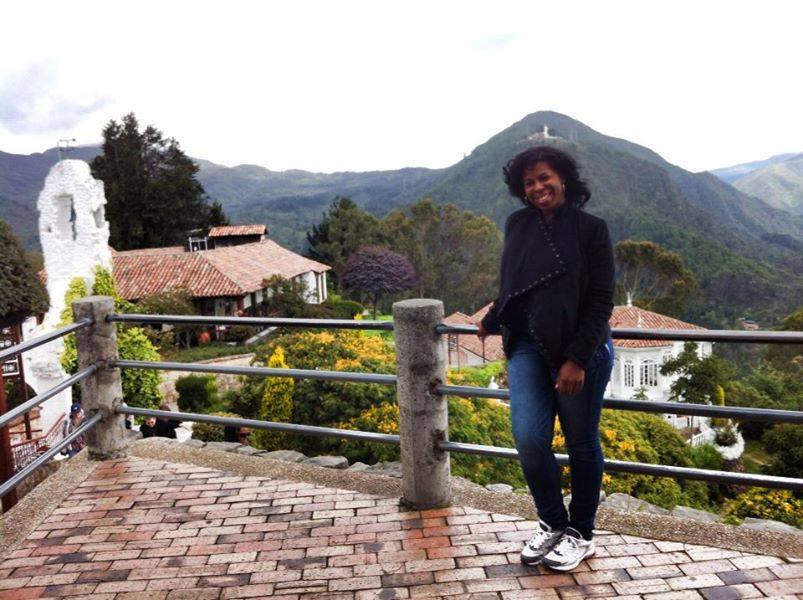
This Colombia travel guide is for travelers who want more than a quick checklist. Colombia feels like color, rhythm, coastline, mountains, memory, and family stories braided together. Whenever I think about the country, I think about food, history, music, community, and the small moments that turn a trip into a story worth keeping.
At DG Speaks, I approach travel as a conversation. I want to know what people eat, how neighborhoods move, which histories shaped a place, and how visitors can travel with greater care.
For that reason, this page is not meant to be a rigid itinerary. Instead, it is a growing country hub where you can find practical planning advice, regional itineraries, food experiences, cultural context, safety guidance, and ideas for traveling more responsibly.
Colombia rewards curiosity, but it also asks us to look beyond easy narratives. Its beauty deserves attention. So do its Indigenous nations, Afro-Colombian communities, rural traditions, complex history, modern cities, and people shaping the country today.
Colombia at a Glance
- Capital: Bogotá
- Official language: Spanish, alongside numerous Indigenous and regional languages
- Currency: Colombian peso, abbreviated COP
- Political divisions: 32 departments and the Capital District of Bogotá
- Natural regions: Caribbean, Pacific, Andean, Orinoquía, Amazon, and Insular regions
- Main international gateways: Bogotá, Medellín, Cartagena, Cali, and Barranquilla
- Best general travel season: Varies by region, altitude, rainfall, and the experience you want
- Electrical outlets: Type A and Type B plugs
- Electricity: 110 volts and 60 hertz
- Driving: Vehicles travel on the right side of the road
- Emergency number: 123
- Popular destinations: Bogotá, Medellín, Cartagena, Cali, Santa Marta, San Andrés, Palenque, the Coffee Region, Tayrona, Villa de Leyva, and the Amazon
Because Colombia stretches from the Caribbean to the Amazon and from the Pacific coast to high Andean cities, no single weather forecast describes the entire country. Transportation, climate, altitude, costs, and safety conditions also change from one region to another. Therefore, always research the specific places you plan to visit.
Why Colombia Belongs on a Thoughtful Travel List
Few destinations offer the same combination of music, food, biodiversity, regional identity, architecture, beaches, mountains, and cultural traditions.
Of course, famous attractions deserve attention. Cartagena’s old city, Medellín’s transformation, Bogotá’s museums, the Coffee Region’s landscapes, and the Caribbean coast all attract visitors for good reasons.
Still, the deeper experience often happens between those major stops. It may unfold inside a market, during a long bus ride, at a family-run restaurant, or through a conversation that helps you understand the country differently.
For me, the best travel does not flatten a country into a brand. Instead, it makes room for beauty and difficulty, joy and memory, tradition and change.
A strong Colombia travel guide should celebrate the country without pretending its complexity does not exist.
Colombia Is More Than One Itinerary
One of the easiest mistakes to make is assuming Colombia can be covered quickly. Although the country may look manageable on a map, mountains, winding roads, domestic flights, weather, and regional transportation can slow the journey.
A single trip could focus entirely on Bogotá and the Eastern Andes. Another might center Medellín, Antioquia, and the Coffee Region. On the Caribbean coast, Cartagena, Palenque, Barranquilla, Santa Marta, and nearby natural areas could easily fill a separate itinerary.
Meanwhile, Cali and the Pacific offer another cultural world shaped by salsa, Afro-Colombian traditions, biodiversity, and coastal foodways. San Andrés and Providencia add an island story influenced by Raizal culture and Caribbean history.
Rather than trying to see everything, choose one or two connected regions. By slowing down, you create more room for conversation, rest, food, and the unplanned moments that often become the best part of the trip.
The Best Time to Visit Colombia
Colombia does not follow the traditional four-season pattern found in many northern countries. Instead, altitude, rainfall, geography, and local climate shape conditions throughout the year.
Bogotá can feel cool and rainy because of its elevation. Cartagena remains hot and humid for much of the year. Medellín is known for mild temperatures, while mountain towns can become chilly at night.
Drier Travel Periods
December through March and parts of July and August are often described as drier periods in several regions. As a result, these months can be popular for city travel, beaches, hiking, and outdoor activities.
Even so, weather patterns vary. Tropical rain can arrive unexpectedly, while climate change continues to make traditional patterns less predictable.
Rainier Periods
April, May, October, and November may bring heavier rainfall in many areas. However, rain does not necessarily ruin a trip.
Showers may come and go, while landscapes often appear greener and more dramatic. In addition, accommodations and attractions may feel less crowded outside peak travel periods.
Festivals and Major Events
Festivals can shape both the atmosphere and cost of a trip. Events such as Carnaval de Barranquilla, Feria de Cali, Medellín’s Feria de las Flores, and the Petronio Álvarez Festival draw large crowds.
If a festival is central to your plans, reserve accommodation early. On the other hand, travelers seeking quiet streets and lower prices may prefer different dates.
Colombia Entry Requirements and Visas
Entry rules depend on your nationality, passport, reason for travel, and intended length of stay.
Citizens of many countries can enter Colombia for short tourist visits without obtaining a visa in advance. Other travelers must apply for a visitor visa before departure.
Before booking, review the official Colombian Ministry of Foreign Affairs visa information and the requirements for your nationality.
Travelers generally need a valid passport. Immigration officials may also request proof of onward travel, accommodation details, sufficient funds, or information about the purpose of the visit.
Airlines sometimes enforce entry rules before boarding. Therefore, carry digital and printed copies of your return ticket, accommodation confirmation, passport details, and any required authorization.
Requirements can change. For that reason, avoid relying entirely on an older blog post, social media video, or unofficial visa service.
How Many Days Do You Need in Colombia?
The ideal trip length depends on the region. However, transportation time makes a slower itinerary much more enjoyable.
Four to Five Days
A short visit works best when you focus on one destination. Bogotá, Medellín, Cartagena, Cali, or Santa Marta can each support a rewarding city break.
Seven Days
With one week, combine two nearby destinations. Medellín and Guatapé, Cartagena and Palenque, or Bogotá and Villa de Leyva all make practical pairings.
Ten Days
Ten days allows you to connect two regions without spending the entire trip in transit. For example, you could combine Bogotá with the Coffee Region or Medellín with Cartagena.
Two Weeks
Two weeks provides enough time for three connected destinations at a comfortable pace. You can also add rest days, rural experiences, or a short beach stay.
Three Weeks or Longer
A longer trip opens the door to slower regional travel, island stays, the Amazon, the Pacific coast, or overland journeys that would feel rushed during a shorter visit.
Suggested Colombia Itineraries
Four Days in Bogotá
- Day One: Explore La Candelaria, Plaza de Bolívar, and a major museum.
- Day Two: Visit food markets, local restaurants, and neighborhoods beyond the historic center.
- Day Three: Explore Monserrate, museums, public art, or a guided cultural experience.
- Day Four: Take a day trip to Zipaquirá, Guatavita, or another nearby destination.
Seven Days in Medellín and Antioquia
- Days One through Four: Medellín
- Day Five: Guatapé and El Peñol
- Days Six and Seven: Jardín, Santa Fe de Antioquia, or additional time in Medellín
Seven Days on the Caribbean Coast
- Days One through Three: Cartagena
- Day Four: Palenque or another community-based cultural experience
- Days Five through Seven: Santa Marta, Minca, or Tayrona
Because coastal heat can become intense, leave space for rest. In addition, confirm park access, transportation, and local conditions before visiting Tayrona or remote beaches.
Ten Days in Bogotá and the Coffee Region
- Days One through Four: Bogotá
- Day Five: Travel to the Coffee Region
- Days Six through Nine: Salento, Filandia, coffee farms, and surrounding landscapes
- Day Ten: Return or continue toward Medellín
Two Weeks Across Three Regions
- Days One through Four: Bogotá
- Days Five through Eight: Medellín and Antioquia
- Days Nine through Fourteen: Cartagena, Palenque, and the Caribbean coast
Domestic flights make this route more practical. Nevertheless, avoid scheduling flights and major tours too tightly because weather and transportation delays can happen.
Cities and Regions Worth Exploring
Bogotá
As the capital, Bogotá brings together politics, art, food, museums, universities, migration, business, and communities from across the country.
La Candelaria attracts many first-time visitors with colonial architecture, street art, museums, and historic plazas. Yet the city extends far beyond its central district.
Markets, residential neighborhoods, restaurants, galleries, parks, and cultural centers offer a broader understanding of daily life.
Because Bogotá sits at a high elevation, some travelers need time to adjust. Drink water, rest, and avoid overloading the first day.
Medellín
Medellín is often presented through a simple transformation story. While public transportation, urban design, cultural investment, and innovation deserve attention, the city’s reality remains more complex.
Neighborhoods, migration, inequality, tourism pressure, memory, art, and community organizing all shape modern Medellín.
Take time to understand the city beyond nightlife and social media imagery. Museums, local guides, public spaces, neighborhood businesses, and conversations can provide a much fuller experience.
Cartagena
Cartagena’s walls, balconies, plazas, and Caribbean setting make it one of Colombia’s most recognizable destinations.
However, the historic center tells only part of the story. Cartagena is also shaped by Afro-Colombian culture, port history, tourism inequality, working neighborhoods, music, migration, and coastal food traditions.
Explore beyond the most photographed streets. Getsemaní, local markets, community-based tours, and nearby cultural experiences can add important context.
Heat and humidity can become intense. Therefore, plan outdoor activities for the morning or late afternoon and leave room for rest.
San Basilio de Palenque
San Basilio de Palenque holds a central place in Afro-Colombian history. Founded by people who escaped enslavement, the community has preserved distinctive language, music, food, healing knowledge, and cultural traditions.
Visit through community-led experiences whenever possible. Local guides should control how their history, homes, traditions, and cultural knowledge are shared.
Most importantly, Palenque should never be treated as a performance created for outsiders. It is a living community with its own priorities and future.
Cali
Salsa gives Cali much of its international identity, but the city offers more than dance.
Afro-Colombian culture, Pacific migration, food, music, sports, public space, and neighborhood life all contribute to Cali’s energy.
Dance classes and music experiences can provide an accessible entry point. At the same time, markets, museums, cultural centers, and local restaurants reveal additional layers.
The Colombian Pacific
The Pacific coast is one of Colombia’s most biodiverse and culturally important regions. Afro-Colombian and Indigenous communities have shaped its music, food, environmental knowledge, and relationship with land and water.
Travel may involve boats, limited roads, small aircraft, changing weather, and fewer services. As a result, preparation and local guidance matter.
Community-owned tourism can help direct spending toward local residents. Even so, visitors should ask who benefits from each experience and whether the activity respects environmental and cultural boundaries.
Santa Marta, Minca, and Tayrona
Santa Marta serves as a gateway to Caribbean beaches, mountain communities, Minca, and Tayrona National Natural Park.
Minca offers cooler air, coffee and cacao farms, waterfalls, birding, and mountain views. Meanwhile, Tayrona attracts travelers with beaches, forest, trails, and dramatic coastal scenery.
These landscapes are connected to Indigenous territories and living communities. Check local closures, access rules, environmental restrictions, and community guidance before visiting.
The Coffee Region
Mountain landscapes, coffee farms, colorful towns, wax palms, and agricultural traditions define much of the Coffee Region’s appeal.
Salento receives the greatest attention, but Filandia, Armenia, Pereira, Manizales, and smaller communities offer additional perspectives.
Choose coffee experiences that discuss labor, land, pricing, climate, processing, and the people who make the industry possible. A beautiful farm view should not replace honest conversations about the coffee system.
San Andrés, Providencia, and the Insular Caribbean
San Andrés and Providencia offer beaches, marine ecosystems, island food, and a distinct Caribbean identity.
Raizal culture, language, history, and community life are central to understanding the archipelago. Therefore, avoid viewing the islands only through resorts and beach excursions.
Freshwater limits, waste management, reef protection, cruise traffic, and tourism pressure all affect island life. Visitors should use resources carefully and support locally owned businesses.
The Colombian Amazon
Amazon travel offers rivers, forests, wildlife, Indigenous cultures, and an entirely different experience from Colombia’s major cities.
Leticia serves as a common entry point. From there, boats and community-based operators connect travelers with surrounding areas.
Choose guides carefully, follow community protocols, and avoid experiences that exploit wildlife or present Indigenous peoples as attractions.
Because heat, humidity, insects, limited infrastructure, and water travel shape the region, pack and plan specifically for the Amazon.
Getting Around Colombia
Mountains and long distances make transportation planning essential. A route that looks short on a map may take many hours by road.
Domestic Flights
Flying often saves time between Bogotá, Medellín, Cartagena, Cali, Santa Marta, San Andrés, and other distant destinations.
Low advertised fares may exclude checked baggage, seat selection, or other services. Therefore, compare the full cost before booking.
Weather and airport conditions can also create delays. Avoid scheduling a separate international flight immediately after a domestic arrival.
Intercity Buses
Long-distance buses connect cities, towns, and rural areas throughout Colombia. Options range from basic services to more comfortable coaches.
Although buses can be affordable, mountain roads and traffic may make journeys longer than expected. Overnight routes also require careful safety and comfort planning.
City Transportation
Bogotá, Medellín, Cali, Cartagena, and other cities each use different transportation systems.
Medellín’s metro and cable-car network makes many journeys easier. Bogotá relies heavily on buses and TransMilenio, while taxis and ride-hailing services operate in several urban areas.
Always confirm current transportation options, official pickup points, and payment methods before traveling.
Taxis and Ride-Hailing Services
Whenever possible, request taxis through an accommodation, official airport desk, established app, or trusted contact.
Avoid accepting random transportation offers outside airports or bus terminals. In addition, confirm the vehicle, driver, route, and approximate fare before entering.
Rental Cars
A rental car can provide flexibility in the Coffee Region, rural areas, and smaller towns. However, mountain roads, city traffic, tolls, parking, weather, and local driving habits may create stress.
Before renting, review insurance, road restrictions, fuel policies, emergency procedures, and whether nighttime driving is advisable along your route.
Money, Cards, and Tipping
Colombia uses the Colombian peso. Cards are accepted at many hotels, restaurants, supermarkets, and established tourism businesses.
Still, cash remains useful for markets, small restaurants, rural communities, public transportation, tips, and independent vendors.
Use ATMs located inside banks, shopping centers, airports, or secure commercial areas whenever possible. In addition, decline offers from strangers who want to help with the machine.
Tipping in Colombia
Restaurants may ask whether you want to include a voluntary service charge, often called propina voluntaria.
Before adding anything extra, check whether the charge already appears on the bill. Tipping for guides, drivers, hotel workers, and other services depends on the setting and quality of service.
Colombian Food You Should Try
Food is often where I begin. Across Colombia, travelers can explore arepas, empanadas, sancocho, tropical fruit, coffee, coconut rice, seafood, plantains, tamales, soups, chocolate, and countless regional dishes.
No single meal represents the entire country. Geography, migration, Indigenous knowledge, African heritage, farming, climate, and family traditions all shape what appears on the table.
Arepas
Arepas appear in many forms across Colombia. Some are thin and simple, while others contain cheese, eggs, meat, or regional fillings.
Rather than searching for one “authentic” version, try them in several regions and notice how preparation changes.
Empanadas
Colombian empanadas often use a corn-based exterior filled with seasoned meat, potatoes, or other ingredients.
They make an easy snack, especially when served hot with ají or another sauce.
Sancocho
Sancocho is a comforting soup or stew whose ingredients vary by region and household. Meat, fish, plantains, cassava, potatoes, corn, and herbs may all appear.
Beyond the recipe, sancocho often carries strong associations with family, gatherings, and community.
Ajiaco
Associated with Bogotá and the surrounding region, ajiaco commonly combines several types of potatoes, chicken, corn, and guascas.
Capers, cream, rice, and avocado may accompany the soup, depending on the setting.
Bandeja Paisa
Bandeja paisa is associated with Antioquia and the Paisa region. The generous plate may include beans, rice, meat, chicharrón, egg, plantain, avocado, and arepa.
Because portions can be large, arrive hungry or consider sharing.
Caribbean Coconut Rice and Seafood
Along the Caribbean coast, coconut rice, fried fish, seafood, plantains, soups, and tropical ingredients reflect the region’s relationship with the sea.
Ask what is fresh and locally sourced rather than ordering only the most familiar option.
Pacific Food Traditions
Pacific cuisine highlights fish, shellfish, coconut, plantains, herbs, forest ingredients, and Afro-Colombian culinary knowledge.
Traditional drinks and preparations may also carry cultural, medicinal, and spiritual meaning. Therefore, approach them with respect rather than treating them as novelty products.
Fresh Fruit and Juices
One of the great pleasures of traveling in Colombia is discovering fruit.
Lulo, guanábana, maracuyá, granadilla, guava, mango, papaya, curuba, and countless other varieties appear in markets and juice shops.
Ask whether juice contains added sugar or milk if you have a preference.
Colombian Coffee
Coffee is one of Colombia’s most recognizable agricultural products. Yet many visitors know more about the export image than the people who produce it.
A thoughtful coffee experience should discuss varieties, altitude, harvesting, processing, labor, pricing, climate, and the difference between domestic and export markets.
Colombia Through the Lens of Food Systems
Because my work has long touched food systems and sustainable development, I rarely see a meal as just a meal.
I think about who grew the ingredients, who transported them, who cooked them, and which forms of labor remain invisible.
Colombia’s food systems include coffee, cacao, bananas, plantains, tropical fruit, livestock, fisheries, rice, corn, potatoes, cassava, sugarcane, herbs, and countless regional crops.
At the same time, land concentration, armed conflict, rural displacement, climate change, market access, infrastructure, and unequal pricing continue to shape farming communities.
Women, Indigenous producers, Afro-Colombian communities, farmers, vendors, fishers, and home cooks preserve knowledge that does not always receive enough recognition.
Travelers can support local systems by visiting farmers markets, buying directly from producers, choosing community-based food experiences, and asking better questions about where food comes from.
Ultimately, every meal connects us to land, labor, memory, and power.
Afro-Colombian History and Culture
Afro-Colombian communities are central to the country’s history, culture, music, food, labor, politics, and identity.
The Caribbean and Pacific coasts are especially important, although Afro-Colombian people live throughout the country.
Music traditions such as cumbia, champeta, currulao, salsa, bullerengue, and marimba-based forms reflect migration, resistance, memory, spirituality, and community life.
Food traditions carry equally important stories. Coconut, seafood, plantains, herbs, rice, roots, and ancestral preparation methods reveal deep relationships with land and water.
Seek out Black-owned businesses, community-led tours, cultural centers, festivals, restaurants, musicians, guides, and artisans.
Most importantly, allow Afro-Colombian people to tell their own stories rather than treating their culture as background entertainment.
Indigenous Peoples and Living Cultures
Colombia is home to many Indigenous nations with distinct languages, territories, governments, cultural traditions, and relationships with the land.
Indigenous communities are not remnants of the past. They remain living peoples responding to contemporary political, environmental, economic, and cultural challenges.
Tourism can create income, but it can also exploit sacred knowledge, private spaces, ceremonies, clothing, and identity.
Choose community-controlled experiences whenever possible. Follow photography rules, listen carefully, pay fairly, and accept that some knowledge or places are not meant for visitors.
Conflict, Memory, and Peacebuilding
Colombia’s modern history includes armed conflict, displacement, political violence, organized crime, resistance, and peacebuilding.
These realities should never become entertainment. At the same time, avoiding them completely creates an incomplete picture of the country.
Museums, memorials, community organizations, guided walks, public art, and local initiatives can help visitors learn with greater care.
When engaging with difficult history, prioritize survivors, local historians, community leaders, and organizations doing the work of memory and peacebuilding.
Avoid reducing Colombia to either violence or a polished transformation narrative. Both approaches erase too much.
Traveling in Colombia as a Black Traveler
Black travelers can experience powerful connections throughout Colombia, especially in places where African-descended culture shapes music, food, language, spirituality, and community life.
For members of the African diaspora, Palenque, Cartagena, Cali, the Pacific coast, San Andrés, and Afro-Colombian neighborhoods may feel especially meaningful.
At the same time, racism and colorism exist. Experiences may vary by location, skin tone, nationality, class, language ability, and social setting.
Research Black-owned businesses, Afro-Colombian cultural organizations, local guides, festivals, restaurants, and community spaces before traveling.
Approach the trip with openness, but do not romanticize racial dynamics or assume shared ancestry creates automatic access to every space.
Colombia Through a Gender Lens
Women shape Colombia as farmers, artists, entrepreneurs, vendors, caregivers, organizers, professionals, cooks, community leaders, and political actors.
Travel stories should recognize that labor rather than presenting women only through beauty, romance, or safety warnings.
Women travel independently throughout Colombia. However, experiences differ according to race, nationality, age, gender identity, language, location, and whether someone travels alone.
Street harassment, persistent attention, drink tampering, theft, dating scams, and gender-based violence are concerns that require practical preparation.
Solo Travel Tips for Women
- Choose accommodations with strong recent reviews from women.
- Research the neighborhood as carefully as the hotel.
- Arrange airport transportation before arrival.
- Use official taxis or established transportation apps.
- Share long-distance and rural travel plans with someone you trust.
- Keep your phone charged and carry a backup battery.
- Watch drinks being prepared and never leave them unattended.
- Avoid sharing accommodation details with strangers.
- Trust your instincts and leave situations that feel wrong.
- Use local guides for unfamiliar rural or wilderness areas.
Is Colombia Safe to Visit?
Safety conditions vary significantly by department, city, neighborhood, road, and border region.
Many travelers visit Bogotá, Medellín, Cartagena, Cali, Santa Marta, and the Coffee Region without experiencing serious problems. Nevertheless, crime, armed groups, kidnapping, civil unrest, scams, and regional conflict remain concerns.
Never assume that advice for one destination applies throughout the country. Conditions can also change quickly.
American travelers should review the latest U.S. Department of State Colombia Travel Advisory. Travelers from other countries should consult their own government’s current guidance.
Avoid demonstrations, follow local news, and pay attention to destination-specific alerts. Border areas and certain departments may carry stronger warnings than major tourism centers.
Basic Safety Tips
- Keep phones and valuables out of sight when not in use.
- Carry only the cash and cards you need for the day.
- Use official transportation services.
- Avoid walking alone in unfamiliar areas late at night.
- Research neighborhoods before booking accommodation.
- Do not accept food, drinks, or gum from strangers.
- Keep drinks in sight at all times.
- Avoid displaying expensive jewelry or electronics.
- Share rural and long-distance plans with someone you trust.
- Follow local alerts and instructions from authorities.
Scams, Theft, and Dating App Safety
Tourists may encounter inflated prices, distraction theft, unlicensed transportation, false guides, card fraud, or pressure to enter particular businesses.
Dating apps also require caution. Criminals have used fake romantic interest, drugging, theft, and robbery to target visitors.
- Meet new people in busy public places.
- Tell someone where you are going.
- Arrange your own transportation.
- Do not invite strangers to your accommodation immediately.
- Watch your drinks and food.
- Leave if the situation changes unexpectedly.
- Do not share financial information or send money.
Politeness should never override personal safety.
Health, Vaccines, Water, and Altitude
Health needs vary by destination. Urban travel in Bogotá requires different preparation than visiting the Amazon, Pacific coast, or rural tropical areas.
Before departure, review current medical guidance and discuss your itinerary with a travel-health professional.
The official tourism portal notes that vaccine requirements depend on the destination and circumstances. Some tropical or rural areas may carry recommendations related to yellow fever and other illnesses.
You can review official visitor guidance through Colombia Travel’s health and vaccine information.
Drinking Water
Tap-water safety varies by location. In major cities, local residents may drink municipal water, while rural and remote areas can require bottled or treated water.
When uncertain, use sealed bottled water or a reliable treatment method. Also, pay attention to ice, raw foods, and how produce was washed.
Altitude
Bogotá and other high-altitude destinations may affect travelers who arrive from sea level.
Headaches, fatigue, breathlessness, and disrupted sleep can occur. Therefore, drink water, limit alcohol, rest, and avoid intense exercise during the first day.
Mosquito-Borne Illness
Tropical and lower-elevation regions may carry risks from mosquito-borne illnesses.
Use insect repellent, wear protective clothing, sleep in screened or air-conditioned rooms when possible, and follow current medical recommendations.
Cultural Etiquette in Colombia
Colombian culture varies by region, class, community, language, and social setting. No single list can describe everyone.
- Greet people before beginning a request or transaction.
- Use polite forms of address until invited to become more casual.
- Ask before photographing people.
- Learn basic Spanish phrases.
- Dress appropriately for churches, rural communities, and formal settings.
- Avoid jokes about drugs, violence, or famous criminals.
- Do not reduce the country to conflict or narco-tourism.
- Respect Indigenous and Afro-Colombian cultural boundaries.
- Ask thoughtful questions without expecting strangers to explain an entire community.
- Show patience when schedules and communication styles differ from your expectations.
Useful Spanish Phrases
- Buenos días: Good morning
- Buenas tardes: Good afternoon
- Buenas noches: Good evening
- Por favor: Please
- Gracias: Thank you
- Con permiso: Excuse me
- ¿Cuánto cuesta? How much does it cost?
- ¿Aceptan tarjeta? Do you accept cards?
- La cuenta, por favor: The bill, please
- No, gracias: No, thank you
Connectivity, SIM Cards, and Internet Access
Wi-Fi is common in hotels, hostels, cafés, airports, coworking spaces, and urban accommodations. Service becomes less reliable in rural, mountain, jungle, coastal, and island destinations.
Travelers can purchase local SIM cards or use eligible eSIM services. Registration may require a passport or identity document.
- Purchase service from an official store or recognized vendor.
- Ask the employee to activate and test the service.
- Download offline maps before rural travel.
- Save accommodation addresses in Spanish.
- Carry a portable power bank.
- Keep emergency contacts available without internet access.
What to Pack for Colombia
Pack according to altitude, rainfall, region, and planned activities rather than assuming the entire country is hot.
- Comfortable walking shoes
- Lightweight, breathable clothing
- A light jacket or sweater for high-altitude cities
- A water-resistant jacket or compact umbrella
- Sunscreen
- Sunglasses and a hat
- Insect repellent
- A secure crossbody bag
- A reusable water bottle
- A portable power bank
- A Type A or Type B power adapter, if needed
- Copies of important travel documents
- Travel insurance information
- Prescription medication
- Modest clothing for religious or traditional settings
Additional Items for Beaches and Tropical Regions
- Swimwear
- Quick-drying clothing
- Water shoes or secure sandals
- Reef-conscious sun protection
- A dry bag
- Electrolytes or oral rehydration packets
Additional Items for Hiking and Rural Travel
- Supportive hiking shoes or boots
- Moisture-wicking layers
- Rain protection
- Trail food and extra water
- A downloaded or paper map
- A small first-aid kit
- A headlamp
- Any destination-specific health supplies
Responsible Travel in Colombia
Sustainable travel is not only about choosing a greener hotel. It also involves how we move, where we spend, what we consume, and how we treat the people who make our trips possible.
- Stay longer in fewer places.
- Support locally owned accommodations and restaurants.
- Choose Afro-Colombian and Indigenous-owned experiences.
- Hire local guides who understand the community.
- Buy directly from artisans and producers.
- Ask before photographing people or private spaces.
- Avoid experiences that exploit wildlife.
- Respect sacred and culturally sensitive places.
- Carry out trash in natural areas.
- Use water carefully on islands and in drought-affected areas.
- Avoid geotagging fragile or private locations.
- Learn about Colombia beyond conflict and narco-tourism.
Travel should create value for visitors and host communities. When an experience serves only the visitor, something important gets lost.
That is why every Colombia travel guide should include questions about impact, equity, labor, ownership, and respect.
Wildlife and Nature Tourism
Colombia is one of the world’s most biodiverse countries. Birding, marine life, forests, mountains, wetlands, and tropical ecosystems create extraordinary opportunities for nature travel.
However, wildlife should never be handled, fed, chased, staged, or removed from its natural environment for a photograph.
- Choose qualified nature guides.
- Stay on marked trails.
- Keep a safe distance from wildlife.
- Never feed wild animals.
- Avoid captive wildlife photo experiences.
- Follow park and community rules.
- Carry out all trash.
- Use reef-safe and environmentally responsible practices in marine areas.
Booking Colombia Tours and Experiences
Guided experiences can add valuable context, especially when exploring food, Afro-Colombian history, Indigenous culture, conflict memory, coffee, music, neighborhoods, and nature.
Before booking, confirm transportation, entrance fees, accessibility, guide credentials, group size, meals, safety policies, cancellation rules, and community ownership.
You can browse Colombia tours, cultural experiences, food activities, day trips, walking tours, coffee excursions, and local guides through GetYourGuide.
Finding Accommodation in Colombia
Accommodation options include luxury hotels, boutique properties, hostels, guesthouses, apartments, rural lodges, eco-lodges, beach properties, and community-owned stays.
Location matters. A beautiful property may become inconvenient if it sits far from transportation, restaurants, or the experiences you plan to book.
In addition, neighborhood safety can change within a short distance. Research the immediate area rather than relying only on the city name.
Questions to Ask Before Booking
- Does the property offer airport transportation?
- Is the front desk staffed at night?
- Does the room include air conditioning or a fan?
- Is hot water available?
- Does the room have a private bathroom?
- Is breakfast included?
- Does the property store luggage?
- Is reliable Wi-Fi available?
- How close is the property to public transportation?
- Is the surrounding area comfortable after dark?
- Can the hotel arrange trusted drivers or guides?
- Are taxes and service charges included?
Budget travelers can compare hostels and affordable accommodations through Hostelworld.
Travel Insurance for Colombia
Travel insurance may help with medical emergencies, cancellations, delayed flights, lost baggage, theft, and other unexpected expenses.
Policies vary widely. Therefore, review exclusions related to government-advised regions, pre-existing conditions, adventure activities, remote travel, civil unrest, and valuable belongings.
Long-term travelers and digital nomads can review available coverage through SafetyWing. Compare the policy with other options before purchasing.
Frequently Asked Questions About Colombia Travel
Is Colombia expensive?
Costs vary by city, region, season, and travel style. Cartagena, San Andrés, luxury properties, domestic flights, and popular tourism areas can become expensive. Meanwhile, local restaurants, buses, guesthouses, and smaller cities may offer better value.
How many days do I need in Colombia?
Seven to ten days works for one or two connected regions. Two weeks creates a more relaxed itinerary, while three weeks allows slower multi-region travel.
Do I need a visa to visit Colombia?
Visa requirements depend on your nationality, passport, and reason for travel. Check the official Colombian Ministry of Foreign Affairs information before departure.
Is Colombia safe for solo women?
Many women travel independently throughout Colombia. Nevertheless, careful accommodation choices, trusted transportation, drink safety, neighborhood research, and strong boundaries remain important.
Can I travel around Colombia without a car?
Yes. Domestic flights, buses, city transit, taxis, and organized transfers connect many destinations. A car may add flexibility in rural regions, although it also introduces driving and parking challenges.
Is English widely spoken in Colombia?
English is spoken in some hotels, tourism businesses, and major attractions. However, Spanish remains essential in many everyday situations. Learning basic phrases will make travel easier and more respectful.
Can I drink tap water in Colombia?
Water quality varies by location. Municipal tap water may be drinkable in some major cities, while rural, coastal, island, and remote areas may require bottled or treated water. Follow local guidance.
Do I need cash in Colombia?
Cards are common in cities and established businesses. Even so, cash remains useful for markets, small restaurants, rural areas, local transportation, tips, and independent vendors.
What food should I try in Colombia?
Try arepas, empanadas, sancocho, ajiaco, bandeja paisa, tamales, coconut rice, seafood, tropical fruit, regional soups, Colombian chocolate, and local coffee.
What is the best city for a first visit?
Bogotá offers museums, history, food, and urban culture. Medellín provides mild weather, public transportation, and access to Antioquia. Cartagena combines Caribbean history, architecture, and coastal culture. The best choice depends on your interests.
Should I visit the Coffee Region?
Yes, especially if you enjoy agriculture, mountain landscapes, small towns, hiking, or coffee. Choose experiences that discuss labor, production, climate, and local livelihoods rather than focusing only on photographs.
Can I visit Colombia during the rainy season?
Yes. Rainfall varies by region, and showers may not last all day. However, heavy rain can affect roads, trails, flights, boat service, and outdoor activities.
Helpful Colombia Travel Resources
- Official Colombia Travel Website
- Official Colombia Entry Information
- Colombian Ministry of Foreign Affairs Visa Information
- Official Health and Vaccine Guidance
- Official Colombia Regional Travel Guide
- U.S. Department of State Colombia Travel Advisory
- Browse Colombia Tours on GetYourGuide
- Compare Colombia Hostels on Hostelworld
- Review Travel Insurance Through SafetyWing
Explore More Colombia Stories on DG Speaks
As I publish more destination guides, restaurant features, cultural reflections, hotel reviews, and personal stories, this Colombia travel guide will continue to grow.
- Things to Do in Bogotá
- Medellín Travel Guide
- Things to Do in Cartagena
- How to Visit San Basilio de Palenque
- Cali Travel Guide
- Exploring Afro-Colombian Culture
- Colombian Foods Every Traveler Should Try
- A Guide to Colombia’s Coffee Region
- San Andrés Travel Guide
- Colombia Travel Tips for Solo Women
- Traveling in Colombia as a Black Woman
- How to Travel Around Colombia
- What to Pack for Colombia
- How Much Does It Cost to Visit Colombia?
- Responsible Tourism Experiences in Colombia
Final Thoughts on Visiting Colombia
Colombia reminds me that beauty and complexity can live in the same place. It asks visitors to look beyond headlines, stereotypes, and simplified transformation stories.
Come for the music, mountains, beaches, food, cities, coffee, and festivals. Then stay long enough to notice the farmers, vendors, fishers, artists, guides, cooks, families, and communities surrounding those experiences.
Choose one region and give it time. Eat locally. Support Afro-Colombian, Indigenous, women-owned, and community-based businesses. Learn about the histories that shaped the place, but also pay attention to the people shaping its future.
That is the kind of travel I want to keep writing about on DG Speaks. Not travel as escape alone, but travel as connection. Not travel as performance, but travel as a way to listen, learn, and live a little more openly.
This page contains affiliate links. If you make a purchase through one of these links, DG Speaks may earn a commission at no additional cost to you. These commissions help support the independent travel and cultural storytelling shared on this site.