
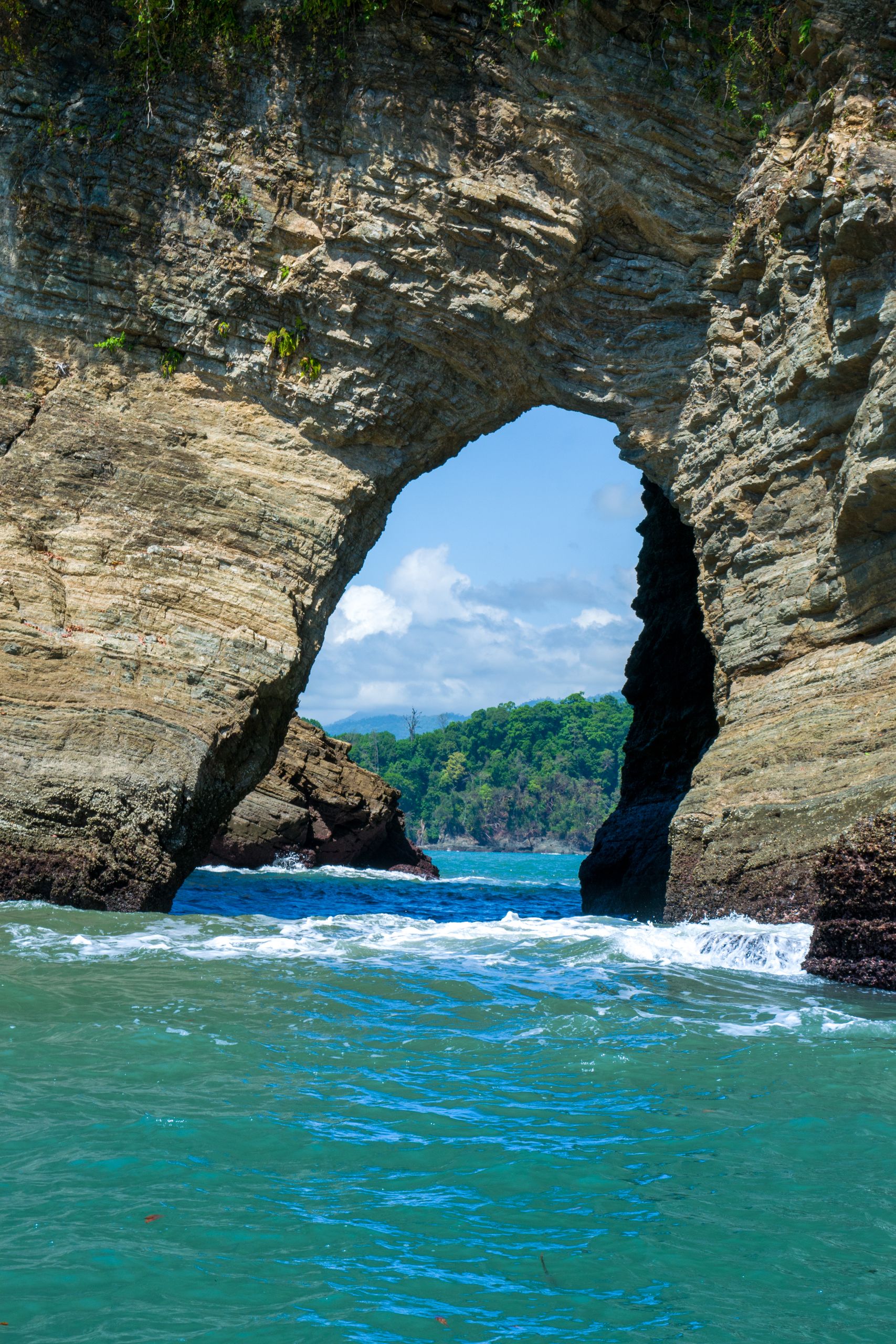
This Costa Rica travel guide is for travelers who want more than a quick checklist. Costa Rica has a way of slowing the body while waking up the senses. When I think about this beautiful Central American country, I remember tropical food, layered history, generous people, powerful landscapes, and the small moments that turn a trip into a story worth keeping.
At DG Speaks, I approach travel as a conversation. I want to know what people eat, how neighborhoods move, which histories shaped a place, and how visitors can move through it with greater care. For that reason, this page is not a rigid itinerary. Instead, it is a Costa Rica travel hub you can revisit as more stories, guides, reviews, and reflections are added.
Within a relatively small country, travelers can experience rainforests, volcanoes, beaches, wildlife, cities, farms, and rural communities. Even so, travel times are often longer than they appear on a map. The most rewarding trips leave enough room to slow down, settle in, and understand each destination beyond its most photographed attractions.
Costa Rica at a Glance
- Capital: San José
- Official language: Spanish
- Currency: Costa Rican colón
- Time zone: Central Standard Time
- International calling code: +506
- Electrical outlets: Types A and B
- Emergency number: 911
- Major airports: Juan Santamaría International Airport near San José and Daniel Oduber Quirós International Airport near Liberia
- Popular expression: Pura vida
The phrase pura vida translates directly as “pure life,” yet its meaning reaches much further. People use it as a greeting, farewell, expression of gratitude, and reminder to appreciate life. Visitors hear it often. Still, the phrase should never replace genuine curiosity about the people and communities behind Costa Rica’s tourism image.
Why Costa Rica Belongs on a Thoughtful Travel List
Costa Rica has a way of changing your pace. Somewhere between rainforest trails, roadside sodas, mountain roads, and conversations with local families, the pressure to see everything begins to fade.
Of course, the famous sights deserve attention. However, the deeper experience often happens between those major stops. It may unfold inside a market, during a long bus ride, at a family-run restaurant, or through a conversation that helps you understand the country differently.
For me, the best travel never flattens a country into a brand. Instead, it makes room for complexity. A strong Costa Rica travel guide should celebrate natural beauty while also addressing history, culture, inequality, conservation, labor, and the realities shaping daily life.
Although Costa Rica is famous for environmental leadership and protected landscapes, travelers should still look beyond polished ecotourism language. Ask who owns the business, who benefits from tourism, and how each activity affects workers, nearby communities, water systems, and wildlife.
Best Time to Visit Costa Rica
The best time to visit depends on both the region and the experience you want. Because Costa Rica contains several microclimates, conditions can differ significantly between the Pacific coast, Caribbean coast, mountains, and Central Valley.
Dry Season: December Through April
Across much of the Pacific side and Central Valley, the dry season usually runs from December through April. Clearer skies and easier road conditions make these months popular. As a result, visitors also encounter higher prices, fuller accommodations, and greater demand for tours.
If you plan to travel during Christmas, New Year’s, spring break, or Easter week, book early. Popular beaches, national parks, and mountain destinations can fill quickly.
Green Season: May Through November
From May through November, rain often arrives during the afternoon or evening while mornings remain brighter. During this green season, the landscape becomes especially lush, and travelers may find fewer crowds and lower prices.
Rainfall can become heavier during September and October in parts of the Pacific region. By contrast, the Caribbean coast follows a different weather pattern and may experience better conditions during portions of those months.
Green-season travel can be wonderful. Nevertheless, allow extra time for transportation because heavy rain may affect roads, rivers, trails, and outdoor activities.
Costa Rica Entry Requirements
Travelers need a valid passport to enter Costa Rica. Immigration authorities may also request proof of a return or onward ticket showing that you will leave before your permitted stay ends.
Visa requirements depend on nationality, passport, and individual travel circumstances. In addition, visitors arriving from certain countries may need proof of yellow fever vaccination. Costa Rican immigration officials determine the final entry decision and permitted length of stay.
Before departure, confirm current rules through the official Costa Rica tourism entry requirements page and the embassy or consulate serving your country. Avoid relying only on social media posts or old travel articles.
Travel insurance may not always be mandatory. Even so, coverage can protect you from medical expenses, cancellations, delays, lost belongings, and problems connected to outdoor activities. Read the policy carefully because adventure sports and preexisting conditions may require additional coverage.
How Many Days Do You Need in Costa Rica?
A long weekend is possible, but a short visit requires careful planning. Roads are often winding, and travel times may be much longer than the distance suggests. Therefore, resist the urge to cross the entire country in only a few days.
Five-Day Costa Rica Itinerary
With five days, choose one primary region. You could combine San José with La Fortuna, stay around Liberia and the beaches of Guanacaste, or settle near Manuel Antonio for wildlife, food, beaches, and rest.
- Arrive and settle into your base.
- Explore a nearby town, market, or cultural attraction.
- Take one major nature or wildlife excursion.
- Enjoy a slower beach, food, or wellness day.
- Return to the airport with plenty of travel time.
Seven-Day Costa Rica Itinerary
One week gives you enough time to connect two areas without constantly packing. La Fortuna and Monteverde make a popular combination. Alternatively, pair San José with the Caribbean coast or combine Guanacaste with a nearby inland destination.
Whenever possible, spend at least three nights in each main destination. That pace leaves room for rest, weather changes, and unexpected discoveries.
Ten- to Fourteen-Day Costa Rica Itinerary
With ten days to two weeks, you can explore three regions more comfortably. One route might begin in San José, continue to La Fortuna or Monteverde, and finish on the Pacific or Caribbean coast.
Even with two weeks, you do not need to see everything. Food lovers, wildlife enthusiasts, hikers, wellness seekers, and beach travelers will each build a different itinerary.
Cities and Regions Worth Exploring
San José and the Central Valley
Many visitors treat San José as a place to pass through. Yet the capital offers museums, markets, theaters, restaurants, street art, and opportunities to understand Costa Rican history and urban life.
Spend time in the Central Market, try local food, and visit cultural institutions. Beyond the city, the Central Valley provides access to coffee-growing communities, mountain towns, farms, and day trips.
La Fortuna and Arenal
La Fortuna is known for the Arenal Volcano landscape, hot springs, waterfalls, farms, wildlife, hiking, and adventure activities. Since tourism is highly developed, visitors can find options across several price levels.
Balance major attractions with smaller, locally owned experiences. A farm visit, cooking class, or community-led tour can provide a more grounded understanding of the region.
Monteverde
Misty landscapes, cloud forest, birdlife, suspension bridges, and conservation history make Monteverde one of Costa Rica’s best-known nature destinations.
Because temperatures can feel cooler than the coast, especially at night, pack layers, sturdy shoes, and rain protection. Wildlife sightings are never guaranteed. However, a skilled local guide can help you notice details you might otherwise miss.
Puerto Viejo and the Caribbean Coast
Puerto Viejo and the southern Caribbean coast offer beaches, rainforest, Indigenous communities, and a strong Afro-Caribbean cultural influence.
The region has its own food traditions, rhythms, histories, and relationship with the sea. Therefore, avoid reducing it to a tropical party stop. Learn about Limón Province, Afro-Costa Rican history, local agriculture, and the cultural roots behind the food and music visitors enjoy.
Manuel Antonio and the Central Pacific
Manuel Antonio combines rainforest, beaches, wildlife, and a famous national park. Its beauty also attracts large crowds.
Reserve official park access through approved channels and avoid questionable tickets from unofficial sellers. Once inside, never feed, touch, or pose with wild animals. Keep food secured because monkeys and other wildlife may approach visitors.
Guanacaste and the Nicoya Peninsula
Guanacaste is known for beaches, ranching traditions, dry tropical forest, resorts, and convenient access through Liberia. Tamarindo offers a developed tourism scene, while smaller coastal communities may provide a quieter experience.
The Nicoya Peninsula attracts surfers, beach lovers, wellness travelers, and people looking for a slower rhythm. At the same time, rapid tourism development can pressure housing, water access, and local communities. Choose accommodations and businesses with those impacts in mind.
Tortuguero
Tortuguero sits along the northern Caribbean coast and is commonly reached by boat or small plane. Its canals, rainforest, wildlife, and sea turtle nesting areas make it different from Costa Rica’s road-accessible destinations.
Turtle nesting experiences must follow strict conservation guidelines. Use an authorized guide, avoid bright lights, maintain distance, and never interrupt an animal’s movement.
The Osa Peninsula
The Osa Peninsula appeals to travelers interested in remote landscapes, biodiversity, and Corcovado National Park. Reaching and exploring the region can require additional planning, money, and physical preparation.
Research transportation, weather, park access, and guide requirements before arrival. Most importantly, support operators that treat conservation as a responsibility rather than a marketing slogan.
Food Is One of the Best Ways In
Food is often where I begin. Across Costa Rica, travelers can explore gallo pinto, plantains, tropical fruit, seafood, coffee, cacao, fresh juices, and comforting meals that feel closely connected to the land.
A casado commonly brings rice, beans, salad, plantains, and a protein together on one plate. Meanwhile, gallo pinto combines rice and beans and often appears at breakfast.
Preparation methods and ingredients change by region. On the Caribbean coast, for example, coconut milk, seafood, spices, rice, and plantains reflect Afro-Caribbean traditions.
Because my work has long touched food systems and sustainable development, I rarely see a meal as just a meal. I think about who grew the ingredients, who transported them, and who cooked them. I also notice how women, farmers, vendors, fishers, and home cooks preserve culture in ways that rarely receive enough recognition.
Seek out sodas, which are casual local restaurants serving familiar Costa Rican meals. Visit farmers markets when possible. In addition, ask respectful questions about ingredients, farming, and regional traditions.
Coffee, Cacao, and Agricultural Tourism
Coffee and cacao tours can connect food with land, labor, history, and global trade. However, not every experience provides the same depth.
Look for tours that discuss farming practices, worker conditions, climate pressure, processing, pricing, and producer income. Whenever possible, purchase directly from farmers or cooperatives. A beautiful farm visit becomes more meaningful when the people doing the work receive a fair share of the value.
Culture, History, and Stories Beneath the Surface
A meaningful visit should make room for environmental stewardship, Indigenous communities, Afro-Costa Rican influence, migration, rural livelihoods, labor, conservation, and the daily practice of pura vida.
Those stories do not always fit neatly inside travel brochures. Even so, they help visitors understand why Costa Rica feels the way it does today.
I always encourage travelers to look beyond the easiest version of a destination. Visit the museum, but also visit the market. Take the tour, but also sit in the square. Read the history, then pay attention to how people live now. Together, those layers create a fuller picture.
Getting Around Costa Rica
Transportation can shape the entire trip. Although destinations may look close on a map, mountains, traffic, road conditions, and weather can add hours to a journey.
Public Buses
Public buses provide the most affordable way to travel between many destinations. They also give visitors a closer look at everyday life.
Still, routes may require transfers, terminals differ by company, and schedules do not always fit tourism itineraries. Research the correct terminal and departure time in advance. Keep passports, money, and electronics with you rather than inside an unattended luggage compartment.
Shared and Private Shuttles
Shuttles offer a useful middle ground between public buses and rental cars. Shared services connect many popular destinations, while private transfers provide more flexibility for groups and complicated routes.
Before booking, confirm pickup details, luggage limits, cancellation rules, and whether the service is truly door-to-door.
Rental Cars
A rental car offers freedom to reach beaches, farms, rural accommodations, and smaller communities. Nevertheless, the lowest advertised rate may not include required insurance or other fees.
Ask for the complete price before booking. In addition, select a vehicle based on your actual route. Some roads require higher clearance or four-wheel drive, especially during rainy periods. Avoid unfamiliar rural roads after dark whenever possible.
Domestic Flights and Boats
Domestic flights can reduce travel time to remote regions, although baggage limits may be restrictive. Boats and ferries also connect certain coastal and peninsula destinations.
Because weather can affect small aircraft, ferries, and boat transfers, leave extra time in your schedule.
Money, Costs, and Tipping
The Costa Rican colón is the national currency. Although many tourism businesses accept United States dollars, the exchange rate may not be favorable. Local currency is useful for markets, buses, tolls, small restaurants, and everyday purchases.
Credit and debit cards are common in developed tourism areas. Even so, carry some cash for remote destinations and smaller businesses. Use ATMs in secure locations, protect your PIN, and decline unnecessary currency conversion when your bank offers a better rate.
Costa Rica can cost more than first-time visitors expect. National park fees, guided activities, transportation, imported goods, and popular coastal accommodations quickly increase the budget.
Restaurant bills often include taxes and a service charge. Check the bill before adding another tip. You may leave something extra for excellent service, but United States tipping customs do not automatically apply everywhere.
Costa Rica Travel Safety
Costa Rica welcomes millions of visitors, but no destination is completely risk-free. Petty theft, vehicle break-ins, scams, traffic incidents, isolated areas, and unsafe swimming conditions can cause problems.
- Never leave luggage, phones, or bags visible inside a parked vehicle.
- Keep passports, money, and cards secured.
- Use registered transportation or trusted providers.
- Avoid isolated beaches and unlit roads after dark.
- Ask local experts about currents before entering unfamiliar water.
- Keep drinks in sight and avoid becoming too impaired to make safe decisions.
- Share your itinerary with someone you trust.
- Download offline maps before entering remote areas.
- Keep emergency contacts and insurance information accessible.
Ocean conditions deserve special attention. A beautiful beach may still have powerful currents, sudden drop-offs, or limited lifeguard coverage. Never assume calm-looking water is safe.
Travel advisories and local conditions can change. Therefore, review current guidance before departure and continue checking alerts during your trip.
Costa Rica Travel for Women
Costa Rica can work well for solo women, but confidence should never replace preparation. Choose accommodations with strong recent reviews, secure entrances, and transportation options that match your arrival time.
Whenever possible, arrive at a new destination during daylight. Doing so gives you time to understand the area, find food, identify transportation, and notice anything that feels uncomfortable.
Trust your instincts. You do not owe anyone prolonged conversation, personal information, or access to your space. Move, leave, cancel, or ask for help whenever something feels wrong.
Keep your phone charged and avoid sharing your exact accommodation or solo status with strangers. A portable charger and reliable local data plan can make travel much easier.
Clothing norms change by setting. Beachwear belongs at the beach, while restaurants, towns, cultural sites, and rural communities may call for greater coverage. Lightweight layers make those adjustments easier.
Cultural Etiquette in Costa Rica
Learning basic Spanish shows respect, even when people speak English. Begin with a greeting before making a request. A simple buenos días, por favor, or gracias can change the tone of an interaction.
- Greet people before beginning a request.
- Ask permission before photographing individuals.
- Never photograph children without a parent’s consent.
- Avoid treating Indigenous or Afro-Costa Rican culture as entertainment.
- Respect private property and marked trails.
- Do not remove shells, plants, rocks, or wildlife.
- Dress appropriately away from beach areas.
- Speak respectfully about local communities and workers.
Not every interaction will move at the speed you prefer. At the same time, avoid romanticizing every delay or inconvenience as part of pura vida. Local people live full, complex lives—not performances designed for visitors.
Experiences to Look For
For a richer trip, look for rainforest walks, coffee farms, wildlife viewing, beach days, volcano landscapes, markets, small cafés, cooking experiences, and slow stays that leave room for rest.
- A guided rainforest or cloud forest walk
- A locally owned coffee or cacao experience
- A Costa Rican cooking class
- A food market visit
- A community-based cultural tour
- A national park visit with an ethical guide
- A wildlife experience that prohibits touching and feeding
- A beach day with no schedule
- A locally owned wellness experience
- A farm stay or rural tourism experience
Choose guides, businesses, and experiences that respect local communities. Spend money with locally owned operators whenever possible. Most importantly, remember that thoughtful travel means asking better questions, not simply taking better photographs.
A Sustainable Costa Rica Travel Lens
Sustainable travel involves much more than choosing a greener hotel. It also includes how we move, where we spend, what we consume, and how we treat the people who make our trips possible.
In Costa Rica, responsible choices may include supporting local food businesses, staying longer in fewer places, conserving water, respecting cultural norms, and avoiding experiences that exploit wildlife, people, or sacred traditions.
- Carry a reusable water bottle when local conditions allow.
- Refuse unnecessary single-use plastics.
- Use reef-conscious sun protection.
- Stay on marked trails.
- Never feed or touch wild animals.
- Keep your distance from nesting turtles and sensitive wildlife.
- Choose locally owned accommodations and restaurants.
- Conserve water, especially in areas facing seasonal shortages.
- Pay fair prices rather than negotiating every purchase.
- Ask how tourism revenue reaches the surrounding community.
Travel should create value for both visitors and host communities. When it serves only the visitor, something important gets lost. That is why every Costa Rica travel guide should include questions about impact, equity, ownership, and respect.
What to Pack for Costa Rica
Your packing list should reflect the region, season, and planned activities. Pack lightly, but prepare for rain, humidity, insects, mud, heat, and cooler mountain temperatures.
- Lightweight, breathable clothing
- A light rain jacket or poncho
- Comfortable walking shoes
- Hiking shoes with reliable traction
- Sandals or water-friendly shoes
- Swimwear and a cover-up
- A sun hat and sunglasses
- Broad-spectrum sunscreen
- Insect repellent
- A refillable water bottle
- A dry bag or waterproof pouch
- A portable phone charger
- A compact first-aid kit
- Prescription medication in its original packaging
- Copies of important travel documents
- A sweater or light layer for higher elevations
- Binoculars for wildlife watching
Unless your itinerary includes a specific upscale event, you probably will not need much formal clothing. Costa Rica supports a relaxed travel wardrobe, although clean and appropriate clothing still matters away from beaches and adventure activities.
Booking Your Costa Rica Travel Experience
Begin with the kind of experience you want, then build your route around it. Food lovers may prioritize markets, farms, and cooking classes. History-focused visitors can add museums and guided walks. Those seeking rest should protect open space in the schedule.
You can browse tours, cultural experiences, food activities, day trips, and local guides through GetYourGuide.
Budget and solo travelers can compare hostels through Hostelworld. Read recent reviews carefully, especially comments about location, transportation, security, cleanliness, and noise.
You can also review travel insurance options through SafetyWing. Always read the full policy to confirm that it fits your age, health, destination, and planned activities.
Travelers who need help reviewing visa requirements can explore iVisa. However, verify all final entry requirements through official government sources.
Frequently Asked Questions
Is Costa Rica expensive?
Costa Rica can cost more than many first-time visitors expect. Tours, transportation, national parks, coastal accommodations, and imported products all increase the budget. Public buses, local restaurants, longer stays, and smaller towns can help reduce costs.
Is Costa Rica safe for solo women?
Many women travel through Costa Rica independently. Nevertheless, solo travel still requires preparation. Choose well-reviewed accommodations, protect your valuables, arrange safe transportation, avoid isolated places after dark, and trust your instincts.
Do I need to speak Spanish?
You can navigate many popular tourism areas with limited Spanish. Even so, basic phrases make everyday interactions easier and more respectful. Spanish becomes especially useful in markets, bus stations, small towns, and locally owned businesses.
Can you drink the tap water in Costa Rica?
Tap water is treated and commonly consumed in many parts of the country. Conditions may differ, however, in remote areas or after severe weather. Ask your accommodation about the local supply whenever you are unsure.
Do businesses accept United States dollars?
Many tourism businesses accept United States dollars. However, you may receive change in Costa Rican colones, and the business may choose its own exchange rate. Local currency remains useful for smaller purchases and public transportation.
Do I need a rental car?
No. Public buses, shared shuttles, private transfers, domestic flights, ferries, and organized tours connect many destinations. A rental car offers greater flexibility, but it also adds insurance costs, parking concerns, navigation challenges, and changing road conditions.
What is the best area for a first visit?
La Fortuna, Manuel Antonio, Guanacaste, Monteverde, and Puerto Viejo are popular first-trip choices. The best option depends on whether you prioritize beaches, wildlife, food, rainforest, culture, wellness, or adventure.
How far ahead should I book?
Book early for the December-through-April high season, Easter week, holidays, and popular national park areas. Quieter periods may offer greater flexibility. Still, remote lodges, small tours, and limited transportation can sell out throughout the year.
Traveling Through Costa Rica with Intention
What stays with me about Costa Rica is the way nature refuses to remain in the background. Forests, volcanoes, coastlines, rivers, farms, rain, and wildlife shape daily life.
Traveling here should feel less like consuming nature and more like becoming a respectful guest within it.
Come for the beaches, wildlife, food, volcanoes, and rainforests. Then stay long enough to notice the farmers, cooks, guides, workers, families, and communities surrounding those experiences.
That is the kind of travel I want to keep writing about on DG Speaks. Not travel as escape alone, but travel as connection. Not travel as performance, but travel as a way to listen, learn, and live a little more openly.
This page contains affiliate links. If you make a purchase through one of these links, DG Speaks may earn a commission at no additional cost to you. These commissions help support the independent travel and cultural storytelling shared on this site.