

This Czech Republic Travel Guide is for travelers who want more than a quick walk across Charles Bridge and a photo in Old Town Square. The Czech Republic is beautiful, yes. However, it is also layered, literary, musical, resilient, and filled with stories that reward anyone willing to slow down. When I think about this country, I think about centuries of history, neighborhood cafés, Gothic skylines, castles, conversations over beer, and quiet streets where everyday life unfolds beyond the tourist crowds.
At DG Speaks, I approach travel as a conversation rather than a checklist. I want to know what people eat, how neighborhoods evolve, what histories shaped a place, and how visitors can travel with greater awareness. Because of that, this page is not intended to be a rigid itinerary. Instead, it serves as a Czech Republic travel hub that will continue growing as I publish destination guides, restaurant reviews, cultural reflections, and practical travel advice.
Although Prague deserves its reputation as one of Europe’s most beautiful capitals, the Czech Republic offers far more than a single city. Medieval towns, spa communities, vineyards, castles, forests, mountains, and vibrant university cities reveal a country whose identity extends well beyond the famous postcard views.
Czech Republic at a Glance
- Capital: Prague
- Official language: Czech
- Currency: Czech koruna (CZK)
- Time zone: Central European Time
- Emergency number: 112
- Electrical outlets: Types C and E
- Driving: Right side of the road
- Major airport: Václav Havel Airport Prague
- Member of: European Union and Schengen Area
Although the Czech Republic belongs to the European Union, it does not use the euro as its official currency. Many tourist businesses accept euros, but paying in Czech koruna generally provides a better value.
Why Visit the Czech Republic?
The Czech Republic appeals to travelers who appreciate history, architecture, literature, music, and everyday culture. Prague alone can fill several days with museums, churches, castles, gardens, cafés, and neighborhoods worth exploring. Even so, the country’s greatest rewards often appear once you leave the busiest streets behind.
Rather than rushing from one landmark to another, allow yourself time to wander. Sit beside the Vltava River. Browse a neighborhood bookstore. Spend an afternoon in a local café. Listen to church bells echo through narrow streets. Those quieter moments often become the memories that last longest.
Beyond Prague, destinations such as Český Krumlov, Brno, Karlovy Vary, Kutná Hora, Olomouc, and the Moravian countryside offer completely different perspectives on Czech life. Together they reveal a country shaped by regional traditions, changing borders, artistic achievement, and remarkable resilience.
For me, the Czech Republic reminds us that beauty is rarely only visual. Architecture may capture your attention first, yet history, music, literature, food, and everyday life provide the deeper reasons to stay longer.
Best Time to Visit the Czech Republic
The best time to visit depends on what you hope to experience. Each season offers something different, from colorful autumn streets to lively Christmas markets and summer festivals.
Spring
Spring brings blooming gardens, comfortable temperatures, and fewer crowds than summer. Parks, castle grounds, and riverside walks become especially inviting. Moreover, longer daylight hours make it easier to explore cities on foot.
Summer
Summer is the busiest travel season. Outdoor cafés fill with locals and visitors alike, while festivals, concerts, and open-air events take place across the country. Because accommodations in Prague and Český Krumlov can sell out quickly, book well in advance if you plan to visit during July or August.
Autumn
Autumn may be my favorite season for exploring the Czech Republic. Cooler temperatures, colorful parks, harvest festivals, and fewer crowds create an atmosphere that feels especially inviting. In addition, cafés and historic squares become even more enjoyable as the weather turns crisp.
Winter
Winter transforms many Czech cities into storybook settings. Christmas markets, seasonal foods, festive lights, and snowy rooftops create an unforgettable atmosphere. Nevertheless, temperatures can fall well below freezing, so warm clothing is essential.
Entry Requirements
The Czech Republic is part of the Schengen Area. Consequently, entry requirements depend on your nationality, passport, and immigration status. Many travelers can enter visa-free for short tourist stays, while others must obtain a Schengen visa before arrival.
Before you travel, verify current requirements through the official Czech government or the embassy serving your country. Immigration regulations can change, and relying on outdated blog posts or social media advice may create unnecessary problems.
Travel insurance is not only a wise investment—it may also be required for certain travelers applying for a Schengen visa. Choose a policy that covers medical emergencies, trip interruptions, and any activities you plan to enjoy.
How Many Days Do You Need?
The answer depends on whether you want to experience only Prague or explore more of the country. Fortunately, the Czech Republic’s compact size makes regional travel relatively easy.
Three Days
Spend all three days in Prague. Explore the historic center, Prague Castle, Charles Bridge, the Jewish Quarter, neighborhood cafés, and one or two museums without rushing.
Five Days
Combine Prague with a day trip to Kutná Hora or Karlovy Vary. Alternatively, spend an extra night in Český Krumlov to experience the town after most day-trippers leave.
Seven Days
One week allows you to experience Prague while adding Český Krumlov and Brno or another regional destination. At this pace, you can enjoy museums, local food, and train travel without feeling constantly rushed.
Ten Days or More
Ten days creates space to experience Prague, South Bohemia, Moravia, spa towns, wine regions, castles, and smaller communities. Instead of trying to check every famous destination off a list, choose a few places and allow each one to reveal its own character.
Cities and Regions Worth Exploring
Although Prague deserves every bit of its international reputation, it is only one chapter of the Czech story. The country’s regions each have their own personality, traditions, architecture, cuisine, and pace of life. Rather than trying to see everything in one trip, choose a region that matches your interests and allow yourself time to experience it beyond the highlights.
Prague
Prague is one of Europe’s most beautiful capitals, yet it rewards travelers who look beyond the postcard views. Charles Bridge, Prague Castle, Old Town Square, and the Astronomical Clock deserve their fame. However, some of the city’s greatest moments happen away from the busiest streets.
Spend time in neighborhoods such as Vinohrady, Holešovice, Karlín, or Malá Strana. Visit local cafés, browse independent bookstores, ride the historic trams, and enjoy evenings along the Vltava River. The farther you wander from the largest tour groups, the more the city begins to feel like a place people actually live rather than simply visit.
Český Krumlov
Český Krumlov feels like a fairytale brought to life. Its winding streets, colorful buildings, riverside setting, and hilltop castle create one of the country’s most memorable destinations.
Many visitors arrive on day trips from Prague. Instead, consider spending the night. Early mornings and evenings allow you to enjoy the town after the crowds leave, revealing a quieter and more authentic atmosphere.
Brno
Brno, the country’s second-largest city, offers a youthful energy shaped by universities, contemporary culture, excellent cafés, and modern architecture. Although it receives fewer international visitors than Prague, many travelers end up wishing they had stayed longer.
Its relaxed atmosphere makes it an ideal place to experience everyday Czech life while exploring castles, museums, markets, and outstanding local restaurants.
Karlovy Vary
Karlovy Vary has welcomed spa visitors for centuries. Elegant colonnades, mineral springs, historic hotels, and forested hills give the city a distinctive atmosphere that feels very different from Prague.
Even if spa treatments are not your priority, walking through the town offers a glimpse into a long tradition of European wellness travel.
Kutná Hora
Many travelers visit Kutná Hora for the Sedlec Ossuary, often called the Bone Church. While the chapel is remarkable, the town deserves much more than a quick photo stop.
Its medieval streets, Gothic cathedral, and UNESCO-listed historic center provide an excellent day trip from Prague.
Moravia
Moravia introduces visitors to vineyards, wine villages, castles, rolling countryside, and traditions that differ from Bohemia. Travelers interested in food, wine, and slower regional experiences often find this part of the country especially rewarding.
Food Is One of the Best Ways In
Food is often where I begin. Czech cuisine reflects climate, agriculture, history, and centuries of Central European influence. Rather than focusing on trends, meals often emphasize comfort, hospitality, and ingredients that sustained families through long winters.
As someone who works in sustainable food systems, I rarely see a meal as simply something to eat. Instead, I think about farming traditions, labor, regional ingredients, migration, and how food preserves culture from one generation to the next.
Traditional Foods to Try
- Svíčková
- Goulash
- Roast duck with dumplings
- Smažený sýr (fried cheese)
- Bramborák (potato pancakes)
- Koláče pastries
- Traditional soups
- Open-faced sandwiches
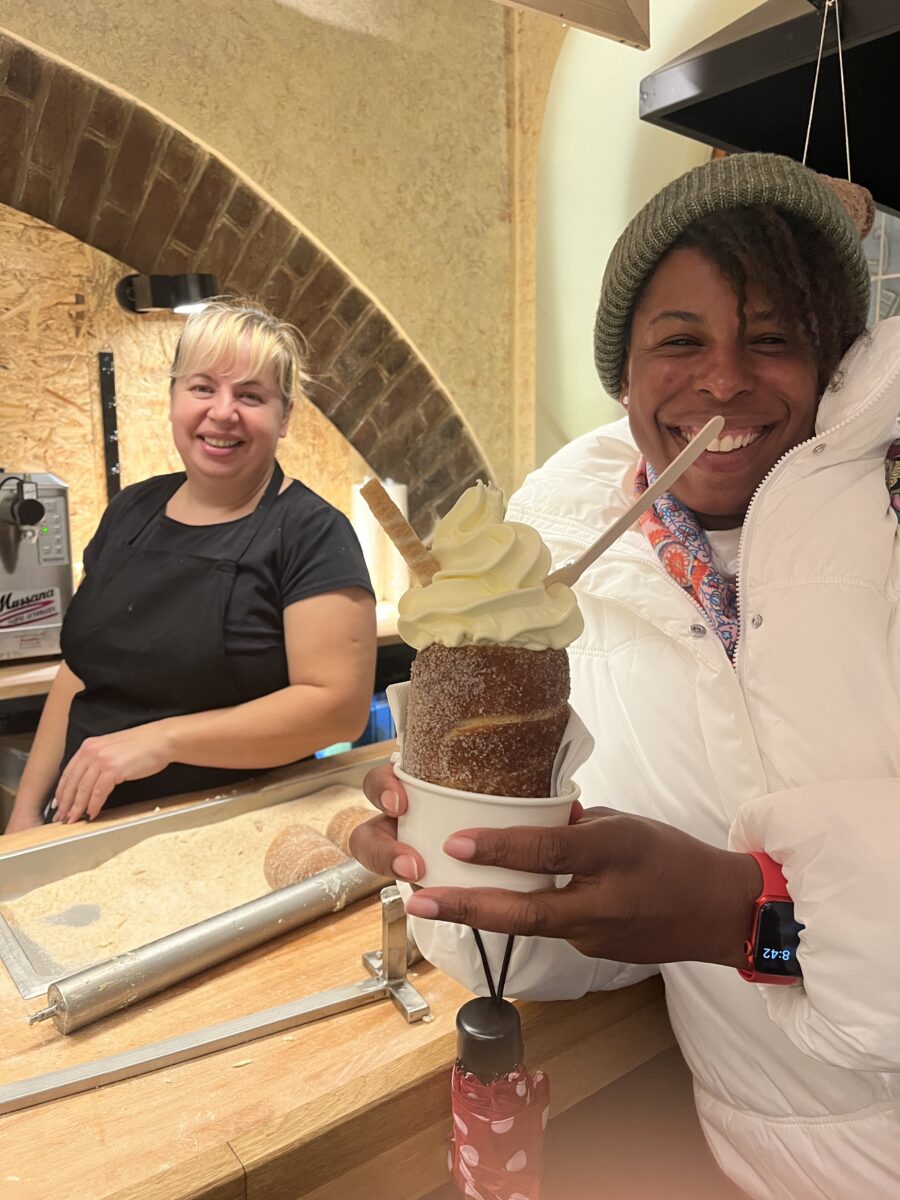
Many travelers immediately search for trdelník after arriving in Prague. While delicious, it is primarily associated with tourist areas rather than everyday Czech food culture. Instead, make time for neighborhood bakeries, local cafés, and traditional restaurants serving regional specialties.
Beer Is Part of the Culture
The Czech Republic has one of the strongest beer traditions in the world. Beer here is not simply a drink. It is woven into everyday social life, local identity, and centuries of craftsmanship.
Even travelers who rarely drink may appreciate learning about Czech brewing traditions through brewery tours or conversations with local brewers. At the same time, beer culture is only one piece of the country’s identity. Coffeehouses, tea rooms, wine bars, and neighborhood cafés are equally worth exploring.
Culture, Literature, and History
The Czech Republic has produced writers, composers, scientists, artists, and political thinkers whose influence extends far beyond its borders. Franz Kafka remains closely associated with Prague, while composers such as Antonín Dvořák and Bedřich Smetana continue to shape classical music around the world.
However, the country’s history also includes empire, occupation, war, communism, resistance, and democratic transformation. Museums, memorials, synagogues, churches, castles, and public squares help tell these stories. Taking time to understand them creates a richer and more respectful travel experience.
History here is not confined to museums. It appears in architecture, public art, neighborhood names, and everyday conversations about identity, memory, and change.
Getting Around the Czech Republic
Transportation is straightforward, making the Czech Republic one of Europe’s easier countries to explore independently.
Train Travel
Trains connect most major cities efficiently and comfortably. Rail travel is often the easiest way to reach destinations such as Brno, České Budějovice, Olomouc, and Ostrava.
Public Transportation
Prague’s public transportation system ranks among Europe’s best. Trams, buses, and the metro provide reliable access throughout the city. Walking remains the best way to experience the historic center, although comfortable shoes are essential because of the cobblestones.
Driving
A rental car offers flexibility in rural regions and national parks. However, driving inside Prague is rarely necessary. Parking can be expensive, while public transportation is usually faster and less stressful.
Money, Costs, and Tipping
The Czech Republic uses the Czech koruna rather than the euro. Credit cards are widely accepted, especially in cities. Nevertheless, carrying some local currency remains helpful for markets, smaller cafés, and independent businesses.
Tipping is appreciated in restaurants, although practices differ from those in the United States. Round up the bill or leave around 10 percent for good service unless a service charge has already been included.
Safety
The Czech Republic is generally considered a safe destination. Even so, popular tourist areas attract pickpockets, particularly around Prague’s busiest landmarks and public transportation hubs.
- Keep valuables secure.
- Watch your belongings on trams and the metro.
- Use licensed taxis or reputable ride-share services.
- Avoid exchanging money at unofficial exchange offices.
- Stay aware in crowded tourist areas.
- Keep digital copies of important documents.
Traveling as a Solo Woman
Many women travel comfortably throughout the Czech Republic. Prague, Brno, and other major cities have strong tourism infrastructure, reliable transportation, and numerous accommodation options.
As always, research neighborhoods before booking accommodations, arrive during daylight whenever possible, trust your instincts, and avoid isolated areas late at night after heavy drinking districts become crowded.
Solo travel is often most enjoyable when balanced with flexibility. Join a walking tour, spend time in cafés, or take a cooking class if you would like opportunities to meet other travelers without sacrificing your independence.
Cultural Etiquette
Respect, curiosity, and patience go a long way in the Czech Republic. Although many younger people speak English, learning a few Czech greetings shows appreciation for the local culture.
- Greet people before asking questions.
- Say “Děkuji” (thank you).
- Respect quiet spaces such as churches and memorials.
- Ask before photographing people.
- Support locally owned businesses whenever possible.
- Dress appropriately when visiting religious sites.
- Take your time instead of rushing through every attraction.
Finally, remember that the Czech Republic is far more than a backdrop for beautiful photographs. It is a country shaped by literature, music, resilience, community, and everyday life. Travelers who slow down almost always discover far more than they expected.
Experiences to Look For
The Czech Republic rewards travelers who slow down and leave room for curiosity. While famous landmarks deserve a place on your itinerary, some of the most memorable experiences happen when you wander beyond the obvious. Look for opportunities to connect with local history, food, music, and everyday life rather than simply collecting attractions.
- A walking tour led by a local historian.
- A classical music performance in a historic church or concert hall.
- A neighborhood café away from the busiest tourist streets.
- A castle or chateau outside Prague.
- A brewery tour that explores Czech beer culture.
- A traditional Czech cooking class.
- A farmers market or seasonal food festival.
- A scenic train journey through the countryside.
- A visit to a UNESCO World Heritage Site.
- A day spent simply wandering without a strict itinerary.
Wherever you travel, choose locally owned businesses whenever possible. Those experiences often provide a deeper understanding of the country while helping tourism benefit the communities that make travel meaningful.
A Sustainable Czech Republic Travel Lens
Sustainable travel is about more than recycling or choosing an eco-certified hotel. It also involves respecting local communities, supporting independent businesses, reducing unnecessary waste, and recognizing that historic cities are living places rather than open-air museums.
Tourism brings important economic opportunities to the Czech Republic. At the same time, heavy visitor numbers can place pressure on neighborhoods, housing, infrastructure, and cultural sites. As travelers, we can help reduce those pressures through more thoughtful choices.
- Stay longer instead of rushing between destinations.
- Support locally owned hotels, cafés, and restaurants.
- Use trains and public transportation whenever practical.
- Carry a reusable water bottle.
- Dispose of waste responsibly.
- Respect quiet residential neighborhoods.
- Visit destinations beyond Prague.
- Choose smaller guided tours.
- Purchase directly from local artisans.
- Learn about the communities you visit instead of treating them as scenery.
Thoughtful travel leaves a destination better than we found it—not only environmentally, but socially and economically as well.
What to Pack for the Czech Republic
Your packing list will depend on the season. Comfortable walking shoes should always be at the top because most travelers spend hours exploring cities on foot over uneven cobblestone streets.
- Comfortable walking shoes
- Weather-appropriate layers
- Rain jacket or compact umbrella
- Reusable water bottle
- Portable phone charger
- Universal power adapter (if needed)
- Crossbody bag with secure closures
- Copies of travel documents
- Prescription medications
- A lightweight scarf for churches and cooler evenings
If you visit during winter, add insulated boots, gloves, a warm coat, thermal layers, and a hat. Christmas market season can be magical, but temperatures often fall below freezing.
Booking Your Czech Republic Travel Experience
Think about the kind of experience you want before building your itinerary. Architecture lovers may spend days exploring castles and historic neighborhoods. Food travelers may prefer brewery visits, cooking classes, and neighborhood cafés. Others may come for music, literature, hiking, or photography.
You can browse city tours, food experiences, day trips, river cruises, castle visits, and cultural activities through GetYourGuide.
Budget-conscious travelers can compare accommodations through Hostelworld. Read recent reviews carefully, paying close attention to cleanliness, neighborhood safety, and transportation access.
For travel medical coverage, compare policies through SafetyWing. Always review the full policy to confirm it matches your destination and activities.
If you need help understanding visa requirements, you can also review options through iVisa. Nevertheless, verify all final entry requirements with official government sources before departure.
Frequently Asked Questions
Is the Czech Republic expensive?
It can be more affordable than many Western European destinations. However, Prague is generally more expensive than smaller Czech cities. Costs also increase during holidays and peak summer travel.
How many days should I spend in Prague?
Three to four days provides enough time to experience Prague’s major landmarks while also exploring neighborhoods beyond the historic center.
Is the Czech Republic safe?
Yes. The country is generally considered a safe destination. Even so, travelers should remain aware of pickpocketing in crowded tourist areas and transportation hubs.
Do I need to speak Czech?
No. English is widely spoken in many tourism businesses, especially in Prague. Even so, learning a few Czech greetings is appreciated and often leads to warmer interactions.
Can I use euros?
Some businesses accept euros, particularly in tourist areas. However, the official currency is the Czech koruna, and paying in local currency usually offers better value.
Is Prague walkable?
Absolutely. Walking is one of the best ways to experience Prague. Combine it with the city’s excellent tram and metro network for destinations farther away.
What food should I try?
Look for svíčková, goulash, roast duck, dumplings, potato pancakes, koláče pastries, hearty soups, and locally brewed Czech beer.
DG Speaks Coverage
This Czech Republic Travel Guide will continue growing as I publish destination guides, restaurant reviews, cultural reflections, museum visits, hotel reviews, and practical travel advice from across the country.
- Things to Do in Prague
- Three Days in Prague
- Best Cafés in Prague
- Traditional Czech Foods to Try
- A Guide to Czech Beer Culture
- Day Trips from Prague
- Český Krumlov Travel Guide
- Kutná Hora Travel Guide
- Brno Travel Guide
- Karlovy Vary Travel Guide
- Solo Travel in the Czech Republic
- How to Travel the Czech Republic by Train
Final Thoughts on Visiting the Czech Republic
The Czech Republic reminds me that some destinations reveal themselves gradually. Their beauty is obvious at first glance, yet their real character appears through conversations, neighborhoods, meals, music, and history. It is a country that rewards curiosity far more than speed.
Come for Prague’s remarkable skyline, medieval streets, castles, and architecture. Then stay long enough to discover the cafés, regional towns, countryside, vineyards, and communities that make the country feel alive beyond the postcards.
Choose fewer destinations. Walk a little farther. Take the slower train. Spend an extra hour in a neighborhood café. Listen to a local recommendation instead of following every list online. Those small choices often lead to the richest travel experiences.
That is the kind of travel I hope to continue sharing through DG Speaks—not travel as performance, but travel as connection. Not simply collecting places, but learning from them.
This page contains affiliate links. If you make a purchase through one of these links, DG Speaks may earn a commission at no additional cost to you. Those commissions help support the independent travel, food, and cultural storytelling published on this site.