
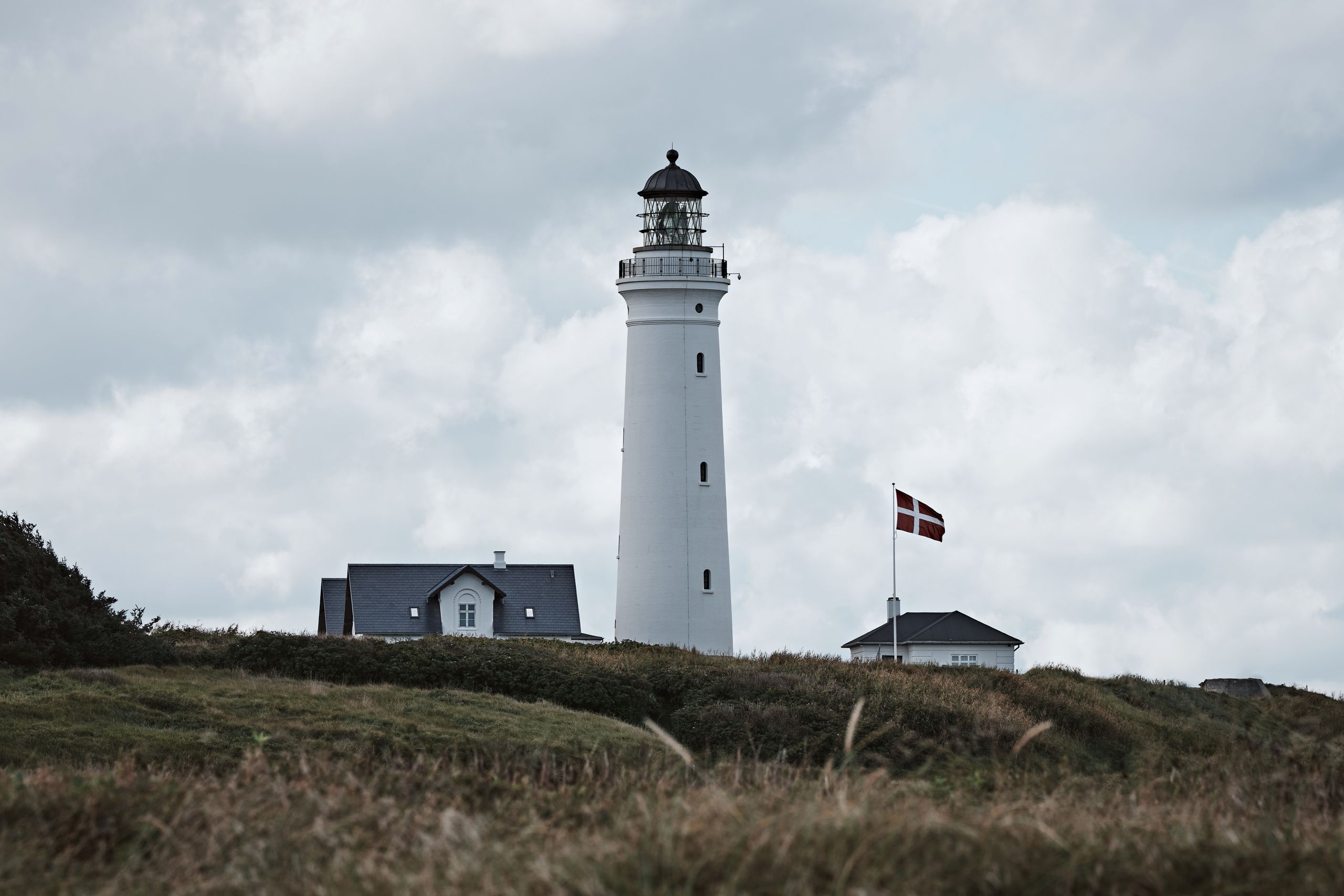
This Denmark Travel Guide is for travelers who are curious about how food, design, sustainability, and everyday life can shape a country’s identity. Denmark is stylish, yes. Yet its deeper beauty is often practical, social, and wonderfully human-centered.
Many visitors begin in Copenhagen, and that is a wonderful place to start. Even so, Denmark is not only a capital city. It is also a country of islands, coastal towns, cycling culture, family farms, creative food, public spaces, and daily rituals that may change the way you think about comfort.
What interests me most is the attention Denmark gives to everyday life. Streets, parks, trains, libraries, cafés, playgrounds, and public spaces rarely feel like afterthoughts. Instead, they help shape how people move, gather, rest, and participate in their communities.
Throughout this Denmark Travel Guide, you will find practical planning advice, regional itineraries, food experiences, cultural context, transportation tips, safety guidance, and ideas for traveling more responsibly.
Denmark at a Glance
- Capital: Copenhagen
- Official language: Danish
- Currency: Danish krone, abbreviated DKK
- Time zone: Central European Time
- International calling code: +45
- Electrical outlets: Types C, E, F, and K may be found
- Electricity: 230 volts and 50 hertz
- Emergency number: 112
- Driving: Vehicles travel on the right side of the road
- Member of: European Union and Schengen Area
- Main international airport: Copenhagen Airport
- Popular destinations: Copenhagen, Aarhus, Odense, Aalborg, Roskilde, Skagen, Bornholm, Ribe, and the Danish Riviera
Although Denmark belongs to the European Union, it does not use the euro as its official currency. The Danish krone remains the national currency.
Cards and contactless payments are common throughout the country. In fact, some businesses operate without cash. Therefore, carry a reliable credit or debit card even if you also keep a small amount of Danish currency.
Why Visit Denmark?
Whether you are drawn to architecture, food, museums, cycling, coastal landscapes, or urban design, Denmark offers an easy blend of culture and everyday beauty.
Copenhagen brings together royal history, contemporary art, canals, bakeries, Michelin-starred restaurants, neighborhood cafés, and public spaces designed for people rather than cars. Beyond the capital, however, Denmark reveals quieter rhythms.
Aarhus offers museums, university energy, food, and modern architecture. Odense connects visitors with literary history and the legacy of Hans Christian Andersen. Farther north, Aalborg and Skagen introduce maritime culture, dramatic light, and a different relationship with the coast.
Because Denmark is relatively compact, it works well for a city-and-region itinerary. Still, crossing bridges, changing islands, and following coastal roads can take longer than expected. A slower plan usually creates the better experience.
Denmark Is More Than Copenhagen
One of the easiest mistakes first-time visitors make is treating Denmark as a long weekend in Copenhagen.
The capital deserves several days. Nevertheless, adding another city, island, or coastal area reveals a broader view of Danish life. Regional food, local dialects, maritime traditions, rural landscapes, and smaller museums all add depth.
Rather than racing through the country, choose a second base that matches your interests. Aarhus suits art and food travelers. Odense appeals to literary visitors. Bornholm works well for cycling, food, and coastal landscapes. Meanwhile, Skagen offers beaches, artistic history, and dramatic northern light.
The Best Time to Visit Denmark
The best time to visit depends on the atmosphere you want. Danish weather can change quickly, so layers and rain protection are useful in every season.
Spring in Denmark
As winter fades, gardens bloom, daylight stretches longer, and outdoor cafés begin filling again. April can still feel cold and unpredictable. By May, however, cities usually become more comfortable for walking, cycling, and waterfront exploration.
Spring also brings fewer peak-season crowds. Therefore, it can be an excellent time for museums, castles, design shops, gardens, and neighborhood wandering.
Summer in Denmark
Summer offers the longest days, warmest weather, outdoor festivals, beaches, harbor swimming, and lively public spaces.
Because July and August attract the largest crowds, accommodation costs can rise. Coastal towns, islands, and Copenhagen also book quickly. Reserve early if you plan to travel during school holidays or major events.
Even during summer, evenings can feel cool. Rain may also arrive without much warning, so pack a light jacket.
Fall in Denmark
Early fall brings cooler temperatures, colorful parks, fewer summer visitors, and a return to cozy cafés. September can still offer pleasant walking and cycling weather.
Later in the season, wind, rain, and shorter days become more noticeable. At the same time, museums, restaurants, and design-focused city trips feel especially inviting.
Winter in Denmark
Winter is cold, dark, and often damp. Yet seasonal lights, Christmas markets, warm bakeries, museums, and the Danish idea of hygge can make the experience memorable.
Do not expect constant snow. Instead, prepare for wind, rain, icy pavement, and limited daylight. Warm waterproof clothing will matter more than creating a picture-perfect winter wardrobe.
Denmark Entry Requirements and Visas
Denmark belongs to the Schengen Area. Entry requirements depend on your nationality, passport, reason for travel, and intended length of stay.
Some visitors can enter without applying for a visa in advance. Others need a short-stay Schengen visa. A short-stay visa generally allows eligible travelers to remain within the Schengen Area for up to 90 days during any 180-day period.
Before booking, review the official Danish short-stay visa information. Entry rules can change, so avoid relying only on travel forums, social media, or outdated articles.
Border officials may ask for accommodation details, proof of funds, travel insurance, and onward transportation. Keep digital and printed copies of important documents available.
Greenland and the Faroe Islands have separate entry considerations. Therefore, confirm the correct requirements if your itinerary includes either destination.
How Many Days Do You Need in Denmark?
A short stay works well for Copenhagen. However, a longer trip allows you to explore Denmark beyond the capital and understand the regional differences that give the country its character.
Three to Four Days
Focus on Copenhagen. Explore canals, museums, neighborhoods, food markets, bakeries, royal sites, and public spaces without rushing.
Five to Seven Days
Combine Copenhagen with Roskilde, Helsingør, Malmö, or another easy regional excursion. Alternatively, travel onward to Odense for a second overnight base.
Ten Days
Ten days gives you enough time to connect Copenhagen with Odense and Aarhus. At this pace, you can experience museums, food, transportation, and neighborhood life without spending every day in transit.
Two Weeks or Longer
With two weeks, add northern Jutland, Bornholm, southern Denmark, or several coastal communities. Longer stays also create room for cycling routes, rural food experiences, and weather-related changes.
Suggested Denmark Itineraries
Four Days in Copenhagen
- Day One: Explore central Copenhagen, Nyhavn, canals, and the waterfront.
- Day Two: Visit a major museum, food market, and one or two neighborhoods beyond the center.
- Day Three: Explore royal history, gardens, design, and local bakeries.
- Day Four: Take a day trip to Roskilde, Helsingør, Louisiana Museum of Modern Art, or another nearby destination.
Seven Days in Copenhagen and Funen
- Days One through Four: Copenhagen
- Day Five: Travel to Odense
- Days Six and Seven: Explore Odense and nearby Funen attractions
Ten Days Across Denmark
- Days One through Four: Copenhagen
- Days Five and Six: Odense and Funen
- Days Seven through Ten: Aarhus and nearby Jutland destinations
Cities and Regions Worth Exploring
Copenhagen
Copenhagen is one of Europe’s most enjoyable cities to explore slowly. It feels walkable, bike-friendly, creative, and deeply connected to the water.
Instead of racing between landmarks, make time for canals, bakeries, markets, museums, parks, cemeteries, harbor baths, and small design shops. Neighborhoods such as Nørrebro, Vesterbro, Frederiksberg, and Christianshavn each offer a different rhythm.
Nyhavn may be the postcard image, but Copenhagen becomes more interesting when you move beyond it. Watch how people use public space, notice the cycling infrastructure, and allow time for an unplanned afternoon.
Aarhus
As Denmark’s second-largest city, Aarhus offers museums, university energy, beaches, food, and contemporary architecture without Copenhagen’s scale.
ARoS, the Old Town Museum, the waterfront, Latin Quarter, and local markets create a strong mix of history and modern life. Because the city is compact, walking and cycling work well.
Odense
Odense is closely connected to Hans Christian Andersen, whose stories remain part of Denmark’s cultural identity.
Beyond literary tourism, the city offers pedestrian streets, parks, cafés, museums, and easy access to the island of Funen. Its slower pace makes it a comfortable second stop after Copenhagen.
Roskilde
Roskilde brings together Viking history, royal heritage, music, and a waterfront setting within easy reach of Copenhagen.
The Viking Ship Museum and Roskilde Cathedral make the city a rewarding day trip. Still, leave time to walk through the center and enjoy the harbor rather than treating it as a quick museum stop.
Helsingør and North Zealand
Helsingør is known internationally for Kronborg Castle and its association with Shakespeare’s Hamlet.
North Zealand also offers beaches, forests, royal sites, fishing communities, and the Louisiana Museum of Modern Art. Together, these destinations create an easy cultural route from Copenhagen.
Aalborg and Northern Jutland
Aalborg combines industrial history, street art, waterfront redevelopment, food, and contemporary culture.
Farther north, Skagen attracts visitors with beaches, artists, maritime traditions, and the meeting point of two seas. The light in this part of Denmark has inspired generations of painters.
Bornholm
Bornholm offers rocky coastlines, fishing villages, cycling routes, round churches, smoked fish, ceramics, and a strong local food culture.
Because the island requires additional travel planning, it works best when you can stay for several nights. Summer brings the greatest activity, while shoulder seasons offer a quieter experience.
Ribe and Southern Denmark
Ribe, one of Denmark’s oldest towns, offers medieval streets, Viking history, and a smaller-scale atmosphere.
Southern Jutland also introduces travelers to marshlands, islands, border history, and the Wadden Sea landscape.
Getting Around Denmark
Public transportation makes independent travel relatively easy. Trains, metro services, buses, and ferries connect most major destinations.
The Rejseplanen journey planner combines routes across Denmark and can help you compare trains, buses, metro services, and walking connections.
Trains
Trains connect Copenhagen with Odense, Aarhus, Aalborg, and many smaller cities. Regional and intercity services make rail travel practical for most first-time itineraries.
Booking rules and prices vary by route. Discounted tickets may have restrictions, so check whether your ticket allows changes.
Copenhagen Public Transportation
Copenhagen’s metro, trains, buses, and harbor buses connect the airport, central districts, and surrounding neighborhoods.
Fares are zone-based. Before boarding, confirm how many zones you need and whether your ticket covers transfers.
Cycling
Cycling is part of daily life, not merely a tourist activity. Dedicated lanes make it easier to move around, but they also come with rules and expectations.
Stay out of bicycle lanes while walking. Before riding, learn basic hand signals, traffic rules, and lane etiquette. Confident local cyclists may move quickly during commuting hours.
Driving
A car is unnecessary in Copenhagen and most major cities. It becomes more useful for rural Jutland, coastal areas, islands, and countryside itineraries.
Parking, bridges, fuel, insurance, and urban restrictions can add costs. Therefore, compare the full price of driving with trains and buses before renting.
Ferries
Ferries remain important for island travel and some regional routes. Vehicle spaces can sell out during summer, so book ahead when necessary.
Money, Cards, and Tipping
Denmark uses the Danish krone. Cards are accepted almost everywhere, while contactless payment is deeply integrated into daily life.
Some cafés, shops, and restaurants do not accept cash. Therefore, make sure your bank card works internationally and understand any foreign transaction fees.
Tipping in Denmark
Service is generally included in restaurant and hotel prices. Tipping is not required in the same way it is in the United States.
You may round up or leave a small amount for exceptional service. However, a large percentage-based tip is usually unnecessary.
Danish Food You Should Try
Denmark’s food culture extends far beyond fine dining. Everyday meals, bakeries, seafood, open-faced sandwiches, seasonal produce, and local markets all help tell the country’s story.
As someone who cares deeply about food systems, I find Denmark especially interesting because agriculture, sustainability, design, and culinary creativity remain visibly connected.
Smørrebrød
Smørrebrød consists of open-faced sandwiches built on rye bread and topped with combinations such as fish, meat, eggs, vegetables, herbs, and sauces.
The best versions balance flavor, texture, color, and structure. Rather than treating them as simple sandwiches, notice the care placed into each layer.
Danish Pastries and Bakeries
Morning visits to a neighborhood bakery can become one of the greatest pleasures of a Denmark trip.
Try regional breads, cardamom buns, cinnamon pastries, cakes, rye bread, and seasonal specialties. Popular bakeries may have lines, but smaller neighborhood shops can be equally rewarding.
Seafood
Surrounded by water, Denmark has strong traditions connected to herring, shrimp, mussels, smoked fish, and other seafood.
Coastal towns and islands often provide the strongest connection between local waters and the plate.
Hot Dogs and Street Food
Danish hot dog stands remain part of everyday food culture. Toppings may include mustard, ketchup, remoulade, pickles, onions, and crispy fried onions.
Food halls and street-food markets also bring together Danish dishes and international cuisines shaped by migration.
Denmark Through a Food Systems Lens
Behind Denmark’s polished culinary image sits a larger story about farming, fisheries, livestock, dairy, grains, labor, land, exports, and climate responsibility.
The country’s food sector has influenced international conversations about organic agriculture, food innovation, Nordic cuisine, and sustainability. At the same time, intensive animal production, resource use, emissions, and agricultural policy remain part of the picture.
That tension is what makes Denmark especially interesting to me. Progress and contradiction can exist together.
Travelers can support local food systems by shopping at farmers markets, choosing seasonal ingredients, visiting producer-led experiences, and eating at independent restaurants.
Design Is Not Just Decoration
Danish design is famous because it is beautiful. More importantly, it is often useful.
Furniture, architecture, bicycles, public buildings, lighting, transportation, and household objects reflect a belief that good design should make life easier and more humane.
While traveling through Denmark, notice the small decisions. Look at the shape of a chair, the flow of a train station, the placement of a bicycle lane, and the way a library invites people to stay.
Beauty does not have to be loud. Sometimes it appears as a public space that works exactly as it should.
Sustainability You Can See—and Question
Denmark is frequently associated with cycling, renewable energy, green architecture, urban planning, and sustainable food.
Visitors can see many of those values reflected in daily infrastructure. Nevertheless, no country has solved every environmental problem.
Thoughtful travel leaves room for both admiration and questions. Who has access to green infrastructure? Which industries continue to create environmental pressure? How do national goals translate into rural and working-class life?
Denmark offers useful examples of how design, policy, investment, and everyday habits can work together. It also reminds us that sustainability remains a process rather than a finished identity.
Culture, History, and Everyday Life
Royal history, Viking heritage, maritime trade, agriculture, literature, migration, labor movements, and modern social policy have all shaped Denmark.
Museums and castles provide valuable context. Still, daily life offers its own lessons. Watch how families use parks, how commuters share cycling lanes, and how public institutions become community spaces.
The Danish concept of hygge is often translated as coziness. Yet commercial images of blankets and candles can oversimplify it.
At its heart, hygge can involve comfort, ease, intimacy, and time shared with others. Travelers may experience it inside a café, over a home-cooked meal, or during an unhurried conversation.
Traveling in Denmark as a Black Traveler
Black travelers can have enjoyable, welcoming experiences across Denmark, particularly in Copenhagen and other diverse urban areas.
Migration has shaped modern Danish food, music, neighborhoods, business, and cultural life. Copenhagen, Aarhus, Odense, and Aalborg all include communities with African, Caribbean, Middle Eastern, Asian, and European roots.
At the same time, racism, stereotyping, staring, and discrimination can occur. Denmark’s reputation for social equality should not be mistaken for an absence of racial inequality.
Research Black-owned businesses, cultural organizations, restaurants, artists, and community spaces before your trip. Most importantly, do not allow anyone to make you feel that design spaces, cycling culture, coastal destinations, or luxury experiences are not for you.
Denmark Through a Gender Lens
Women travel independently throughout Denmark, and reliable public transportation, walkable cities, and visible public spaces make solo exploration manageable.
Even so, women’s experiences differ according to race, age, disability, income, gender identity, and location.
Travel stories should also recognize the labor of women who shape Denmark as farmers, designers, caregivers, workers, artists, chefs, entrepreneurs, researchers, and political leaders.
Solo Travel Tips for Women
- Choose accommodations with strong recent reviews.
- Research the neighborhood, not only the property.
- Check late-night transit schedules in advance.
- Keep your phone charged and carry a backup battery.
- Watch your drink in nightlife settings.
- Share rural cycling or hiking plans with someone you trust.
- Trust your instincts and leave situations that feel uncomfortable.
Is Denmark Safe to Visit?
Denmark is generally manageable for visitors. However, no destination is completely free from theft, harassment, transportation problems, or broader security concerns.
Pickpocketing can occur in crowded attractions, train stations, nightlife districts, and public transportation areas. Bicycle theft is also common, so always use an appropriate lock.
American travelers can review the latest U.S. Department of State Denmark Travel Advisory. Visitors from other countries should consult their own government’s current guidance.
Basic Safety Tips
- Keep bags closed in crowded areas.
- Do not leave phones or wallets unattended in cafés.
- Lock rental bicycles securely.
- Watch for cyclists before crossing streets.
- Save accommodation details offline.
- Follow local instructions during demonstrations or emergencies.
Cultural Etiquette in Denmark
Danish social interactions can initially feel reserved. Personal space, punctuality, direct communication, and respect for shared rules often matter.
- Arrive on time for tours, meals, and appointments.
- Respect queues and personal space.
- Do not walk in bicycle lanes.
- Keep noise moderate on public transportation.
- Ask before photographing people.
- Follow recycling and waste-sorting instructions.
- Remove shoes when entering a private home if your host does so.
- Avoid treating hygge as a commercial costume.
Useful Danish Phrases
- Hej: Hello
- Godmorgen: Good morning
- Tak: Thank you
- Undskyld: Excuse me or sorry
- Taler du engelsk? Do you speak English?
- Regningen, tak: The bill, please
What to Pack for Denmark
Danish weather can shift throughout the day. Therefore, layers, rain protection, and comfortable shoes belong in every suitcase.
- Comfortable walking shoes
- A water-resistant jacket
- Lightweight layers
- A compact umbrella
- A sweater for cool evenings
- A secure crossbody bag
- A reusable water bottle
- A portable power bank
- A suitable European power adapter
- Copies of important travel documents
- Travel insurance information
- A slightly dressier outfit for special restaurants or cultural events
Responsible Travel in Denmark
Responsible travel involves more than using a bicycle or staying in a green hotel. It also means considering housing pressure, labor, food sourcing, waste, transportation, and where tourism money goes.
- Use trains, buses, bicycles, and walking when practical.
- Support independent cafés, shops, and restaurants.
- Stay longer instead of rushing through multiple destinations.
- Choose seasonal and locally produced food.
- Follow recycling guidelines.
- Respect residential neighborhoods.
- Avoid blocking bicycle lanes and sidewalks.
- Buy directly from local artists and designers.
Sustainable travel should improve the experience for visitors without making daily life harder for residents.
Booking Denmark Tours and Experiences
Guided experiences can add valuable context, especially for food, design, architecture, royal history, cycling, sustainability, and neighborhood exploration.
Before booking, confirm transportation, accessibility, group size, entrance fees, cancellation rules, and what is included.
You can browse Denmark tours, Copenhagen experiences, food walks, canal cruises, day trips, and cultural activities through GetYourGuide.
Finding Accommodation in Denmark
Denmark offers luxury hotels, hostels, boutique properties, apartments, guesthouses, coastal inns, campsites, and rural accommodations.
Prices can be high, particularly in Copenhagen and during summer. Booking early may provide more options, especially when festivals or major events take place.
Questions to Ask Before Booking
- How close is the property to public transportation?
- Are taxes included in the listed price?
- Does the building have an elevator?
- Is breakfast included?
- Does the property offer luggage storage?
- Is air conditioning available?
- Does the room include a private bathroom?
- Is bicycle storage available?
- How far is the property from the places you plan to visit?
Budget and solo travelers can compare hostels through Hostelworld.
Frequently Asked Questions About Denmark Travel
Is Denmark expensive?
Yes, Denmark can feel expensive. Accommodation, restaurant meals, transportation, and attraction tickets add up quickly. Bakeries, supermarkets, public transportation, free public spaces, and advance booking can help control costs.
How many days do I need in Denmark?
Four days works for Copenhagen. Seven to ten days allows you to add Odense, Aarhus, or another regional destination. Two weeks creates a more relaxed national itinerary.
Do I need a visa to visit Denmark?
Visa requirements depend on your nationality, passport, and length of stay. Check official Danish immigration guidance before departure.
Can I use euros in Denmark?
Some tourism businesses may accept euros, but the official currency is the Danish krone. Paying by card or in Danish currency usually provides a clearer exchange rate.
Do I need cash?
Not usually. Denmark is highly digital, and some businesses are cashless. Carry a functioning international card and a backup payment method.
Is Denmark safe for solo women?
Many women travel independently throughout Denmark. Normal precautions still apply, particularly around nightlife, crowded transportation, and unfamiliar areas after dark.
Do I need to speak Danish?
English is widely spoken, especially in cities and tourism settings. Nevertheless, learning a few Danish words shows respect.
Is Copenhagen walkable?
Yes. Central Copenhagen is highly walkable. Public transportation and bicycles make it easy to reach neighborhoods farther away.
Can I drink the tap water?
Tap water is commonly consumed throughout Denmark. Follow any temporary local notices or property-specific guidance.
What food should I try?
Try smørrebrød, rye bread, Danish pastries, cardamom buns, seafood, hot dogs, local cheeses, seasonal produce, and regional specialties.
Helpful Denmark Travel Resources
- Official VisitDenmark Website
- Official Denmark Short-Stay Visa Information
- Denmark Journey Planner
- U.S. Department of State Denmark Travel Advisory
- Browse Denmark Tours on GetYourGuide
- Compare Denmark Hostels on Hostelworld
Explore More Denmark Stories on DG Speaks
This Denmark Travel Guide will continue growing as I publish food stories, cultural reflections, hotel reviews, city guides, design features, and practical travel advice.
- Things to Do in Copenhagen
- A Guide to Copenhagen Neighborhoods
- Danish Foods Every Traveler Should Try
- Best Bakeries in Copenhagen
- Aarhus Travel Guide
- Odense Travel Guide
- How to Travel Denmark by Train
- Denmark Travel Tips for Solo Women
- Danish Design and Architecture Guide
- Sustainable Travel Experiences in Denmark
- How Much Does It Cost to Visit Denmark?
Final Thoughts on Visiting Denmark
What stays with me about Denmark is not only its beauty. It is the sense that small design choices, public investments, and everyday habits can shape how people experience a place.
Come for Copenhagen’s canals, bicycles, restaurants, museums, and colorful waterfront. Then stay long enough to notice the libraries, neighborhood bakeries, trains, coastal towns, farms, and public spaces surrounding those attractions.
Explore beyond the capital. Eat locally. Support independent designers and food businesses. Use public transportation. Most importantly, pay attention to how Denmark makes ordinary life visible and worthy of care.
That is the kind of travel I want to keep writing about on DG Speaks. Not travel as a race through famous places, but travel as an opportunity to understand how people build, share, and experience everyday life.
This page contains affiliate links. If you make a purchase through one of these links, DG Speaks may earn a commission at no additional cost to you. These commissions help support the independent travel, food, and cultural storytelling shared on this site.