
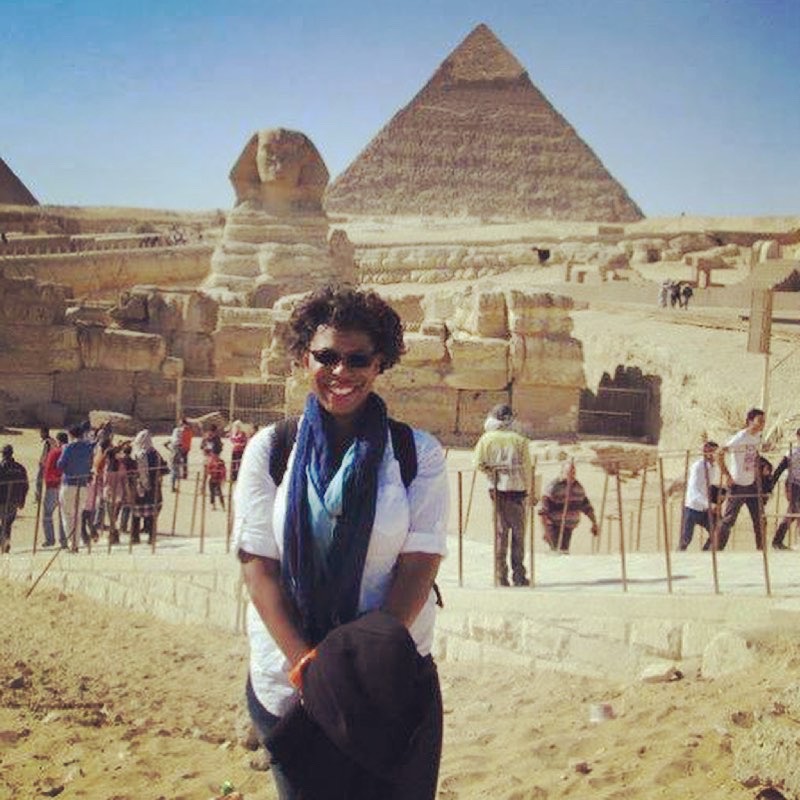
When people think of Egypt, they usually picture the pyramids first. I understand why. They are among the most recognizable landmarks on Earth. However, after spending time there, I realized that Egypt is not defined by its past. The people who continue to give the country life every day define it too.
This Egypt Travel Guide brings together my personal experiences, practical travel advice, cultural insights, and the stories that do not always make it into traditional guidebooks. We will explore ancient history, incredible food, local communities, and the everyday moments that make Egypt so memorable.
Yes, Egypt offers extraordinary monuments and archaeological wonders. However, it also gives us bustling markets, neighborhood cafés, generous hospitality, lively streets, and meals shared around the table. Those everyday experiences transformed Egypt from a destination I dreamed about into a place that continues to inspire me.
Egypt at a Glance
- Capital: Cairo
- Official language: Arabic
- Currency: Egyptian pound, abbreviated EGP
- Best general sightseeing season: October through April
- Summer conditions: Hot and dry, with especially intense heat in Luxor and Aswan
- Time zone: Eastern European Time, with seasonal changes possible
- Electrical outlets: Type C and Type F plugs
- Electricity: 220 volts and 50 hertz
- Emergency number: 122 for police, 123 for ambulance, and 180 for fire
- Popular destinations: Cairo, Giza, Alexandria, Luxor, Aswan, Abu Simbel, Siwa Oasis, Hurghada, Sharm El-Sheikh, and Dahab
Travel requirements, exchange rates, opening hours, and security conditions can change. Therefore, always confirm important details through official sources before your trip.
Why Visit Egypt?
Few countries have influenced human civilization as deeply as Egypt. Its temples, tombs, cities, artistic traditions, and engineering achievements continue to shape how we understand the ancient world.
Standing before the Great Pyramids of Giza can make you feel very small. Walking through a temple complex can also remind you how much human beings have imagined, organized, built, and preserved across thousands of years.
Still, Egypt is far more than an open-air museum.
Modern Egypt is filled with artists, farmers, students, entrepreneurs, parents, guides, cooks, drivers, and people moving through ordinary life. Ancient monuments may bring many travelers to the country, but the people, food, conversations, and unexpected moments often create the strongest memories.
A thoughtful visit should make room for both realities. Visit the pyramids. Walk through the temples. Learn about dynasties and archaeological discoveries. Then, sit down for tea, explore a neighborhood, eat something unfamiliar, and pay attention to the Egypt unfolding around you today.
Best Time to Visit Egypt
The best time to visit Egypt depends on where you plan to go and what you want to do. In general, October through April offers more comfortable temperatures for sightseeing.
October Through April
These cooler months work well for exploring Cairo, Giza, Luxor, Aswan, and other outdoor archaeological sites. However, this period is also the main tourist season. Popular attractions may feel crowded, and accommodation can cost more.
December and January often bring the coolest daytime temperatures. Evenings can feel chilly, especially near the desert or aboard a Nile cruise. Pack a light jacket or sweater.
May Through September
Egyptian summers can become extremely hot. The heat feels especially intense in southern destinations such as Luxor, Aswan, and Abu Simbel.
Summer travel may offer lower prices and fewer crowds. However, you will need to schedule outdoor sightseeing early, rest during the hottest hours, drink plenty of water, and protect yourself from the sun.
Ramadan and Religious Holidays
Travel during Ramadan can offer a meaningful cultural experience. Daily schedules may change, though, and some restaurants or businesses may operate limited daytime hours.
After sunset, streets and restaurants often become lively as families and communities gather for iftar. Travelers should approach the month with respect, patience, and curiosity.
Egypt Entry Requirements and Tourist Visas
Visa requirements depend on your nationality, passport, length of stay, and reason for visiting. Some travelers may qualify for an electronic visa or visa on arrival, while others must apply through an Egyptian embassy or consulate.
Do not rely solely on travel blogs or social media posts for entry requirements. Check the official Egypt eVisa portal and the Egyptian embassy serving your country before booking nonrefundable travel.
Make sure your passport has enough remaining validity and blank pages. You may also need proof of accommodation, a return or onward ticket, and information about your travel plans.
Third-party visa companies often charge additional service fees. If you use one, confirm what you are paying for and compare the price with the official government portal first.
How Many Days Do You Need in Egypt?
You can see major highlights in one week, but a longer visit will feel less rushed. Egypt rewards travelers who give each destination enough time.
Three to Four Days
A short trip works best if you focus on Cairo and Giza. You can visit the pyramids, explore a major museum, enjoy Egyptian food, and experience a small part of the city.
Seven Days
One week gives you enough time to combine Cairo and Giza with Luxor or Aswan. However, transportation time can make this itinerary feel fast.
Ten Days
Ten days allows you to experience Cairo, Giza, Luxor, Aswan, and part of the Nile Valley at a more comfortable pace.
Two Weeks or Longer
Two weeks gives you room to add Alexandria, Abu Simbel, the Red Sea, or a desert destination. You will also have more time for rest and spontaneous experiences.
Suggested Egypt Itineraries
A Three-Day Cairo and Giza Itinerary
- Day One: Explore central Cairo, visit a museum, and enjoy an Egyptian dinner.
- Day Two: Visit the Giza Plateau, the pyramids, and the Great Sphinx with a knowledgeable guide.
- Day Three: Explore Islamic Cairo, Coptic Cairo, Khan el-Khalili, or another neighborhood that interests you.
A Seven-Day Egypt Itinerary
- Days One through Three: Cairo and Giza
- Day Four: Travel to Luxor
- Days Five and Six: Explore Luxor’s East Bank and West Bank
- Day Seven: Return to Cairo or continue to Aswan
A Ten-Day Egypt Itinerary
- Days One through Three: Cairo and Giza
- Days Four through Six: Luxor
- Days Seven through Nine: Aswan and the surrounding area
- Day Ten: Return to Cairo or depart from your nearest international airport
A Two-Week Egypt Itinerary
- Days One through Three: Cairo and Giza
- Days Four and Five: Alexandria
- Days Six through Eight: Luxor
- Days Nine through Eleven: Aswan and Abu Simbel
- Days Twelve through Fourteen: Red Sea coast, Siwa Oasis, or additional time along the Nile
Do not underestimate Egypt’s size or the time required to move between destinations. A slower itinerary often creates a better experience than an ambitious checklist.
Where to Go in Egypt
Cairo
Cairo is often the beginning of an Egypt journey. The city is crowded, layered, energetic, historic, and constantly moving.
Beyond its museums, Cairo offers historic mosques, Coptic churches, markets, cafés, art spaces, restaurants, and neighborhoods filled with their own identities. Give yourself time to experience the city rather than using it only as a base for the pyramids.
Giza
The Giza Plateau is home to the Great Pyramids and the Great Sphinx. These monuments deserve time, context, and a guide who can explain what you are seeing.
Arrive early when possible. Bring sun protection, water, comfortable shoes, and a healthy amount of patience. Be cautious about unsolicited offers and clarify prices before accepting services.
Alexandria
Alexandria offers a different side of Egypt. Its Mediterranean location, layered history, seafood traditions, and urban atmosphere create a distinct experience.
The city works well as a day trip from Cairo, although staying overnight gives you more time to enjoy its coastline and slower rhythm.
Luxor
Luxor holds an extraordinary concentration of temples, tombs, and archaeological sites. The Nile divides many major attractions between the East Bank and West Bank.
Highlights include Karnak Temple, Luxor Temple, the Valley of the Kings, the Valley of the Queens, and the mortuary temple of Hatshepsut.
Start early because the heat can become exhausting. Also, avoid trying to visit every site in a single day.
Aswan
Aswan often feels calmer than Cairo or Luxor. The landscape, islands, river views, and Nubian cultural influences give the city a strong sense of place.
Visitors can take a felucca ride, visit museums and temples, explore local markets, or arrange a respectful visit to a Nubian community.
Abu Simbel
The temples at Abu Simbel are among Egypt’s most impressive ancient sites. Many travelers visit on an early day trip from Aswan, although the journey can be long.
Research transportation options carefully and consider whether an overnight stay would suit your pace better.
The Red Sea Coast
Hurghada, Sharm El-Sheikh, Marsa Alam, and Dahab attract travelers interested in beaches, diving, snorkeling, and relaxation.
The Red Sea can balance an itinerary filled with museums and archaeological sites. However, choose operators that respect marine ecosystems and follow responsible diving practices.
Siwa Oasis and the Western Desert
Siwa offers desert landscapes, oasis agriculture, traditional architecture, and a strong local identity. The journey requires more planning because the oasis sits far from Egypt’s main tourism corridor.
Desert travel should never be improvised. Check current travel advisories and use an experienced, reputable operator.
Getting Around Egypt
Egypt offers domestic flights, trains, buses, private transfers, taxis, ride-hailing services, cruises, and local transportation. The best choice depends on your route, budget, comfort level, and available time.
Domestic Flights
Flying can save time when traveling between Cairo and distant destinations such as Aswan, Luxor, Sharm El-Sheikh, or Hurghada. Compare the full cost with trains and transfers before booking.
Trains
Trains connect Cairo with Alexandria and cities along the Nile Valley. Service quality varies by train type, route, and class.
Overnight trains can reduce the need for a hotel night, but they may not provide the level of comfort every traveler expects. Review current booking rules and recent passenger experiences before deciding.
Private Drivers and Guided Transfers
A private driver can simplify travel between airports, hotels, and major sites. Always confirm the total price, pickup location, waiting time, and included stops in writing.
Taxis and Ride-Hailing Apps
Ride-hailing apps can make pricing and navigation easier in cities where they operate. When using a regular taxi, agree on the price before departure unless the driver uses a functioning meter.
Nile Cruises
Nile cruises commonly operate between Luxor and Aswan. Options range from large cruise ships to smaller dahabiyas and traditional feluccas.
Compare itineraries carefully. A low advertised price may exclude entrance tickets, drinks, guides, tips, transfers, or optional excursions.
Money, Cash, Cards, and Tipping
Egypt uses the Egyptian pound. Exchange rates can change quickly, so check the current rate shortly before your visit.
Hotels, larger restaurants, and major tourism businesses may accept cards. However, smaller shops, markets, drivers, public restrooms, and local vendors often prefer cash.
Carry small Egyptian pound notes. They make it easier to pay for minor purchases and tips without creating confusion over change.
Understanding Baksheesh
You will hear the word baksheesh used in conversations about tipping. Small tips are common for many services, including luggage assistance, restroom attendants, drivers, guides, hotel staff, and boat crews.
Ask your hotel or local guide about current tipping expectations because inflation can make older online recommendations unrealistic.
Tipping should show appreciation for good service. However, you are still allowed to establish boundaries and decline demands that feel inappropriate.
Money Tips for Egypt
- Use ATMs connected to established banks whenever possible.
- Notify your bank before international travel.
- Carry more than one payment method.
- Keep small notes separate from larger bills.
- Count your change before leaving a counter.
- Decline dynamic currency conversion when your bank offers a better rate.
- Agree on prices before entering a taxi, taking a photograph, riding an animal, or accepting a service.
Egyptian Food You Should Try
Food is one of my favorite ways to understand a destination. Egyptian cuisine tells stories about agriculture, migration, religion, trade, family, and survival.
Many dishes rely on beans, lentils, grains, vegetables, herbs, bread, and slow cooking. The food can feel comforting, generous, and beautifully unfussy.
Koshari
Koshari combines rice, pasta, lentils, chickpeas, tomato sauce, and crispy onions. Vendors may serve it with garlic vinegar and hot sauce.
The dish is filling, affordable, and deeply connected to everyday Egyptian food culture.
Ful Medames
Ful medames features slowly cooked fava beans seasoned with ingredients such as cumin, lemon, garlic, and olive oil. People often eat it for breakfast with bread and fresh vegetables.
Ta’ameya
Egyptian ta’ameya resembles falafel but traditionally uses fava beans instead of chickpeas. Fresh herbs give the interior a distinctive green color.
Molokhia
Molokhia is a green soup or stew made from finely chopped jute leaves. It may be served with rice, bread, chicken, rabbit, or another protein.
Mahshi
Mahshi includes vegetables or leaves filled with seasoned rice and herbs. Cabbage, grape leaves, zucchini, eggplant, and peppers may all appear in different versions.
Hawawshi
Hawawshi consists of seasoned minced meat baked inside Egyptian bread. It is rich, savory, and especially satisfying after a long day of sightseeing.
Egyptian Bread
Bread is central to daily life in Egypt. The common flatbread known as aish baladi accompanies countless meals.
The Arabic word aish can also mean life. That connection says something powerful about the cultural importance of bread.
Desserts and Drinks
- Umm Ali: A warm bread-pudding-style dessert with milk, pastry, nuts, and raisins
- Basbousa: A syrup-soaked semolina cake
- Konafa: A dessert made with fine pastry strands, syrup, and various fillings
- Mint tea: A common and welcoming drink
- Karkade: A hibiscus drink served hot or cold
- Sugarcane juice: A sweet drink often prepared fresh
- Sahlab: A thick, warm milk-based drink commonly enjoyed during cooler weather
Eating Safely in Egypt
Food is an essential part of traveling through Egypt, but a stomach illness can quickly disrupt your plans.
- Drink sealed bottled or properly filtered water.
- Check that the bottle seal is intact before drinking.
- Use safe water when brushing your teeth if local guidance recommends it.
- Choose food that is freshly cooked and served hot.
- Wash or peel raw produce when you are uncertain about how it was prepared.
- Avoid raw or undercooked meat and shellfish.
- Carry oral rehydration salts.
- Speak with a travel-health professional before departure.
Review current Egypt recommendations through the Centers for Disease Control and Prevention or the official travel-health authority in your country.
The Nile: Egypt’s Lifeline
The Nile is more than a beautiful backdrop for photographs. It has shaped settlement, agriculture, transportation, food production, trade, and imagination for thousands of years.
Many travelers experience the Nile from a cruise ship or scenic viewpoint. However, the river also tells a larger story about water access, environmental pressure, farming, population growth, climate resilience, and regional cooperation.
For anyone interested in food systems, public health, sustainable development, or environmental change, understanding the Nile creates an entirely new way to experience Egypt.
Egypt Through the Lens of Food Systems
My work in sustainable food systems changes the way I experience every destination. I notice what grows, what people eat, where food comes from, who prepares it, and how environmental conditions shape the local table.
Egypt offers a compelling example of the relationship between water, agriculture, population, markets, and food security. Much of the country’s population and farming activity remains concentrated near the Nile and its delta.
Staple foods such as bread, beans, rice, lentils, vegetables, and herbs connect daily meals to much larger questions. Those questions include access to land, water management, grain imports, food prices, climate pressure, household labor, and government policy.
Travelers do not need to become policy experts. Still, we should recognize that food never appears on a table by accident. Farmers, market sellers, bakers, cooks, drivers, restaurant workers, and family members create the systems that feed communities.
Visit a market. Try a locally grown ingredient. Ask your guide about seasonal food. Notice the breads, grains, vegetables, herbs, and preserved foods that appear repeatedly. These small observations can teach us a great deal about Egypt.
Egypt Through a Gender Lens
Women do not experience every destination in the same way as men. Race, nationality, age, clothing, language, and whether we travel alone can shape how people respond to us.
Some women travel through Egypt without major problems. Others experience unwanted attention, persistent sales pressure, staring, comments, or harassment. Both experiences can be true.
I do not believe in frightening women away from the world. I also do not believe in pretending that every destination feels effortless.
Preparation, confidence, local knowledge, and firm boundaries can make a meaningful difference. Women should feel empowered to leave uncomfortable situations, reject unwanted help, change guides, request another driver, or ask hotel staff for support.
Practical Tips for Women Visiting Egypt
- Choose accommodations with strong recent reviews from women.
- Arrange your first airport transfer before arrival.
- Share your itinerary with someone you trust.
- Use registered transportation and confirm vehicle details.
- Avoid telling strangers exactly where you are staying.
- Keep your phone charged and carry a portable battery.
- Practice a firm refusal and continue walking when necessary.
- Move toward families, women, security staff, or open businesses if someone makes you uncomfortable.
- Do not allow politeness to override your instincts.
- Book a reputable guide when local knowledge would help you feel more secure.
What Should Women Wear in Egypt?
Egypt does not have one universal dress code for tourists. Resort areas, major cities, rural communities, religious sites, and archaeological attractions can all feel different.
Lightweight clothing that covers the shoulders, chest, and knees often works well. Loose trousers, long skirts, breathable shirts, and comfortable dresses can offer sun protection while respecting local norms.
You may need to cover your hair when entering certain mosques. Carrying a lightweight scarf gives you flexibility.
Beachwear belongs at the beach, resort, or pool. In other public spaces, more coverage may help you feel comfortable and attract less attention.
Safety and Common Tourist Scams
No responsible travel guide can promise that a destination is completely safe. Conditions can also differ dramatically between regions.
Before traveling, review current government advisories for Egypt. Pay attention to warnings about borders, desert regions, demonstrations, terrorism, political activity, photography, and local laws.
Travelers from the United States can review the U.S. Department of State Egypt Travel Advisory. British travelers can consult the UK Foreign, Commonwealth & Development Office.
Situations Travelers May Encounter
- Unsolicited guides offering help and later requesting money
- Drivers changing an agreed price
- Vendors claiming an attraction is closed
- Pressure to enter a particular shop
- Offers to take photographs followed by demands for payment
- Unclear prices for camel, horse, boat, or carriage rides
- Requests for tips after an unwanted service
- People presenting themselves as officials without clear identification
Confirm prices before accepting anything. Ask whether the quoted amount covers one person or the entire group. Also, confirm the currency.
A clear “no, thank you” is enough. You do not owe anyone a long explanation.
Photography and Local Laws
Photography rules can be stricter than many visitors expect. Avoid photographing military buildings, police, government infrastructure, checkpoints, security personnel, or anything marked as restricted.
Ask before photographing people, especially women, children, workers, or residents inside their communities. A person’s home, labor, clothing, or cultural identity should never become travel content without respect.
Some museums, temples, tombs, and archaeological sites charge additional photography fees or restrict certain equipment. Check the rules at each site.
Drones require special attention and should never be taken into Egypt without confirming current legal permissions.
Connectivity, SIM Cards, and Internet Access
Mobile data can make transportation, translation, maps, and communication much easier. Travelers may purchase a local SIM card or use an eligible eSIM.
- Purchase SIM cards from official stores or airport counters.
- Bring your passport because registration may be required.
- Ask the employee to activate and test the service before you leave.
- Confirm the included data and validity period.
- Download offline maps before long journeys.
- Keep screenshots of hotel addresses in English and Arabic.
Internet speeds and availability can vary. Never assume that a remote hotel, desert camp, cruise, or guesthouse will offer reliable Wi-Fi.
Cultural Etiquette in Egypt
Egyptians are often generous and welcoming. However, cultural respect requires more than admiring monuments.
- Dress respectfully when visiting religious sites.
- Remove your shoes when instructed before entering a mosque.
- Use your right hand when giving or receiving items when possible.
- Ask before photographing people.
- Avoid public arguments about religion or politics.
- Respect fasting practices during Ramadan.
- Learn a few Arabic greetings.
- Do not treat poverty, labor, or local communities as visual entertainment.
- Be patient when schedules or systems work differently from what you expect.
Useful Arabic Words and Phrases
- As-salaam alaikum: Peace be upon you
- Wa alaikum as-salaam: And peace be upon you
- Shukran: Thank you
- Min fadlak: Please, when speaking to a man
- Min fadlik: Please, when speaking to a woman
- La, shukran: No, thank you
- Kam? How much?
- Aywa: Yes
- La: No
What to Pack for Egypt
- Breathable shirts, trousers, skirts, and dresses
- A lightweight scarf
- Comfortable walking shoes
- Sandals with secure straps
- A sun hat
- Sunglasses
- High-SPF sunscreen
- A reusable water bottle with a reliable filter, where appropriate
- Electrolyte packets or oral rehydration salts
- A portable battery
- A universal power adapter
- Hand sanitizer
- Tissues or toilet paper
- Basic medication and copies of prescriptions
- A secure crossbody bag
- Copies of your passport and travel insurance details
- A light jacket for cool evenings
- Swimwear for resorts, cruises, or beach destinations
Pack lighter than you think you need. However, bring items that protect you from heat, sun, dust, and long days of walking.
Responsible Travel in Egypt
Egypt’s history belongs to humanity, but its neighborhoods, communities, and cultural traditions belong to living people.
- Hire licensed local guides.
- Stay in locally owned accommodations when they meet your needs.
- Buy directly from artisans when possible.
- Ask whether souvenirs were produced locally.
- Never remove stones, sand, pottery, or artifacts from protected places.
- Avoid touching carvings or painted surfaces.
- Choose responsible animal experiences.
- Reduce single-use plastic when safe alternatives exist.
- Respect local water limitations.
- Do not enter homes or communities solely to take photographs.
Animal Welfare at Tourist Sites
Camel, horse, and carriage rides are offered at several tourist attractions. Animal conditions can vary significantly.
Look at the animal before agreeing to a ride. Avoid animals that appear injured, extremely thin, exhausted, dehydrated, or poorly handled. Do not participate simply because a ride appears on a standard itinerary.
Travelers have purchasing power. We can use it to support operators who treat animals responsibly.
Booking Tours and Cultural Experiences
A knowledgeable guide can transform a collection of stones, dates, and royal names into a story that makes sense. Guides can also help with logistics, transportation, tickets, cultural context, and language barriers.
Before booking, check what the experience includes. Ask about admission fees, transportation, meals, gratuities, shopping stops, pickup areas, accessibility, and cancellation policies.
You can browse Egypt tours, museum visits, Nile experiences, food tours, day trips, and cultural activities through GetYourGuide.
Finding Accommodation in Egypt
Egypt offers international hotels, resorts, boutique properties, hostels, locally owned guesthouses, Nile cruise cabins, desert camps, and apartments.
Location matters. A low-priced hotel may become less convenient once you add transportation time and costs.
Questions to Ask Before Booking
- Does the property offer airport transportation?
- Is the front desk open around the clock?
- Does the room have dependable air conditioning?
- Is breakfast included?
- Are taxes and service charges included in the quoted rate?
- Do recent women travelers describe the area positively?
- Can the hotel arrange licensed guides or drivers?
- Is the Wi-Fi reliable enough for your needs?
- Does the property have an elevator?
- How far is it from the attractions you plan to visit?
Budget travelers can compare hostels and guesthouses through Hostelworld.
Travel Insurance for Egypt
Travel insurance may help with medical emergencies, delays, cancellations, lost luggage, and other unexpected problems. However, policies differ widely.
Read the exclusions carefully. Some policies limit coverage for government-advised regions, adventure activities, pre-existing conditions, civil unrest, or trips booked before the policy began.
Long-term travelers and digital nomads can review available coverage through SafetyWing. Compare any policy with other options before purchasing.
Frequently Asked Questions About Egypt Travel
Is Egypt safe for tourists?
Millions of people visit Egypt, but risks vary by location and can change. Review current government travel advisories, avoid restricted regions, follow local guidance, and purchase appropriate insurance.
Can women travel alone in Egypt?
Women do travel alone in Egypt. However, solo travelers may encounter unwanted attention or persistent sales pressure. Careful accommodation choices, reputable transportation, firm boundaries, and local guides can make the trip easier.
Do I need a visa for Egypt?
Visa rules depend on your nationality and travel plans. Check the official Egyptian eVisa portal or an Egyptian embassy before departure.
How many days should I spend in Egypt?
Seven days can cover a few major highlights. Ten days offers a more comfortable Cairo, Luxor, and Aswan itinerary. Two weeks allows time for Alexandria, Abu Simbel, the Red Sea, or a desert destination.
Can I drink tap water in Egypt?
Travel-health authorities generally advise visitors to use sealed bottled or properly treated water, particularly outside major international hotels. Follow current medical guidance for your itinerary.
Can I use credit cards in Egypt?
Cards are accepted by many hotels, larger restaurants, and established tourism companies. Still, you should carry Egyptian pounds for small businesses, markets, taxis, tips, and minor purchases.
Is Egypt expensive?
Egypt can accommodate several budgets. Accommodation, private guides, domestic flights, cruises, entrance fees, and imported goods can raise costs. Local meals and public transportation may remain comparatively affordable.
Should I hire a guide in Egypt?
You do not need a guide everywhere. However, a knowledgeable guide can add valuable historical context and simplify major archaeological sites.
Is Uber available in Egypt?
Ride-hailing services operate in some Egyptian cities, but availability and service areas can change. Check the app shortly before your visit and keep an alternative transportation plan.
What should I wear at the pyramids?
Wear breathable clothing, sturdy shoes, sun protection, and layers appropriate for the season. Modest clothing can help with sun exposure and local cultural expectations.
Is English widely spoken in Egypt?
English is common in many hotels, attractions, and tourism businesses. However, learning a few Arabic phrases can make everyday interactions easier and warmer.
Should I book a Nile cruise?
A Nile cruise can simplify travel between Luxor and Aswan while providing access to several sites. Compare ship size, schedule, cabin quality, meals, guides, entrance fees, and optional excursions before booking.
Helpful Egypt Travel Resources
- Official Egypt eVisa Portal
- Experience Egypt Official Tourism Website
- U.S. Department of State Egypt Travel Advisory
- UK Government Egypt Travel Advice
- CDC Egypt Traveler Health Information
- Browse Egypt Tours on GetYourGuide
- Compare Egypt Hostels on Hostelworld
- Review Travel Insurance Through SafetyWing
Explore More Egypt Stories on DG Speaks
This Egypt Travel Guide will continue growing as I share more stories, photographs, food experiences, destination guides, and practical advice from my travels.
Future guides will explore Cairo, Giza, Luxor, Aswan, Egyptian food, women traveling in Egypt, the Nile, local agriculture, and the cultural experiences that made the country so memorable for me.
- Things to Do in Cairo
- Visiting the Pyramids of Giza
- Egyptian Foods Every Traveler Should Try
- A Practical Guide to Luxor
- Things to Do in Aswan
- What Women Should Know Before Visiting Egypt
- How the Nile Shapes Egypt’s Food System
- How Much Does It Cost to Travel Through Egypt?
- What to Pack for Egypt
- My Personal Stories From Egypt
Final Thoughts on Visiting Egypt
Egypt invites us to think about time differently. Ancient structures stand beside modern streets. Old recipes appear on contemporary tables. The Nile continues to shape cities, farms, meals, and communities just as it has for generations.
Come for the pyramids, temples, tombs, and museums. They deserve their place in the global imagination. However, do not leave without paying attention to the people, food, humor, neighborhoods, markets, and quiet moments that surround them.
The best travel experiences happen when we stop treating a place like a checklist. Egypt deserves curiosity, preparation, patience, and respect.
That is where the country becomes more than a destination. It becomes a story that stays with you.
This page contains affiliate links. If you make a purchase through one of these links, DG Speaks may earn a commission at no additional cost to you. These commissions help support the independent travel and cultural storytelling shared on this site.