
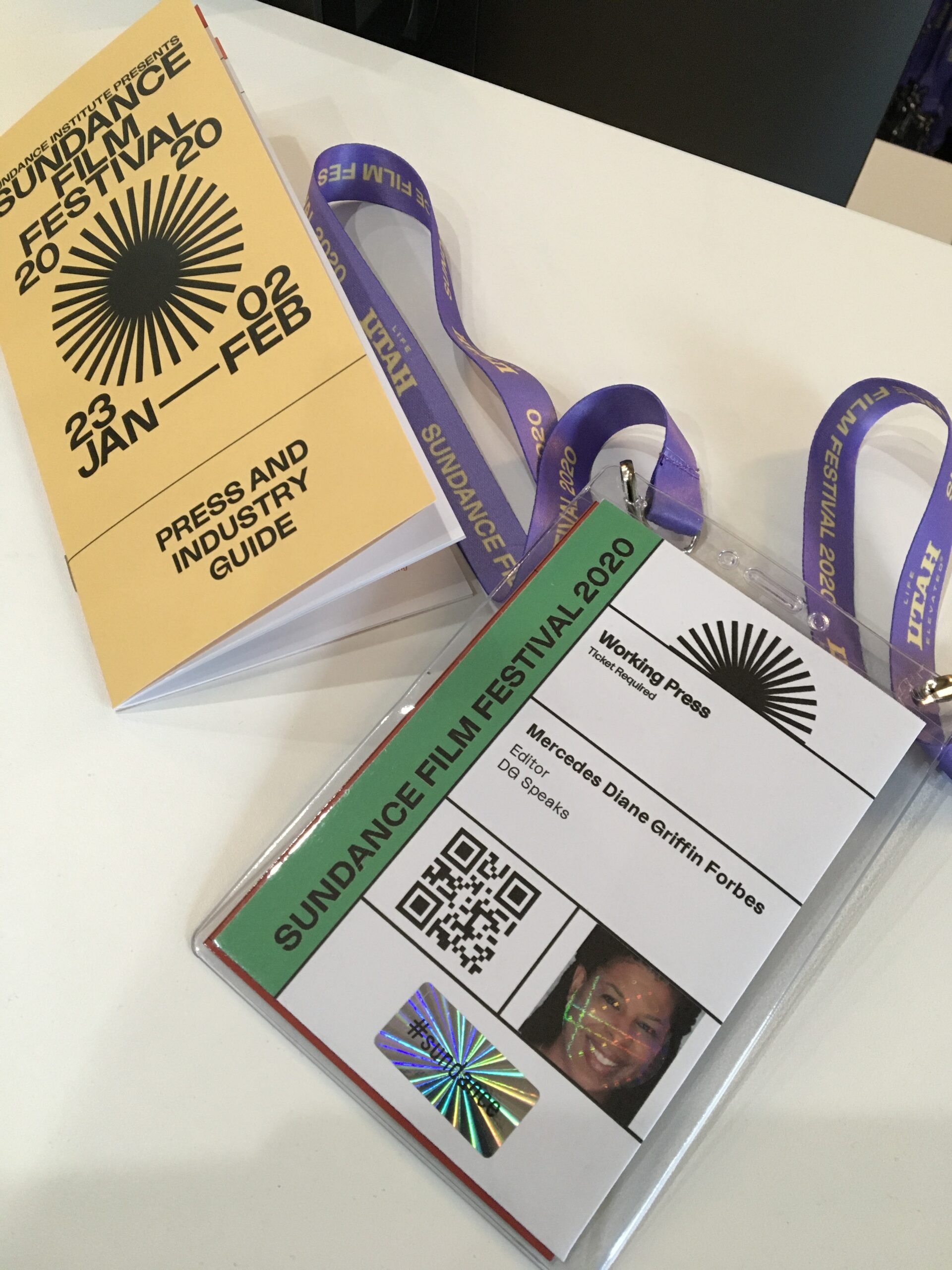
How to Cover Film Festivals as Press
Covering film festivals is part journalism, part cultural immersion, and part endurance challenge. It is also one of the most rewarding experiences in independent film.
What Film Festival Coverage Really Looks Like
Film festival coverage often looks glamorous from the outside. People see premieres, red carpets, celebrity photos, and packed theaters. However, the reality is much more layered.
Covering festivals as press involves long days, careful scheduling, fast writing, networking, cultural observation, and constant decision-making about which stories matter most.
At DG Speaks, I approach festival coverage through the lens of independent film, culture, travel, and storytelling. That means paying attention not only to films themselves, but also to the people, conversations, venues, and communities surrounding the festival experience.
Festival Travel: Explore the cultural and travel side of attending independent film festivals.
Filmmaker Interviews: Learn how interviews become part of thoughtful festival storytelling and coverage.
Festival Coverage: Read reviews, dispatches, commentary, and reflections from global film festivals.
Getting Press Accreditation
Most major film festivals offer press accreditation for journalists, critics, photographers, content creators, and media outlets. Requirements vary from festival to festival, but organizers generally want to see that you actively publish meaningful coverage.
Press applications often require:
- A media outlet or publication
- Examples of previous film coverage
- Social media or audience reach
- A portfolio or website
- A clear explanation of planned coverage
- Professional contact information
Independent creators and smaller outlets can absolutely receive accreditation. Consistency, professionalism, and quality coverage matter more than appearing large or corporate.
Planning Your Festival Schedule
One of the biggest challenges of festival coverage is time management. Screenings overlap constantly, venues may be spread across a city, and unexpected opportunities appear throughout the day.
I usually prioritize a balance of:
reviews, interviews, networking, cultural exploration, and rest. Trying to attend everything is one of the fastest ways to burn out during a festival.
It also helps to leave room for spontaneity. Some of the most memorable festival experiences happen unexpectedly between screenings.
“Film festivals are marathons disguised as cultural events.”
Covering More Than the Films
One mistake many new festival writers make is focusing only on plot summaries or ratings. Strong festival coverage captures atmosphere, audience response, creative conversations, city culture, and the emotional experience surrounding the films.
Film festivals are temporary cultural ecosystems. The cafés, streets, late-night discussions, venues, transit systems, and creative energy all become part of the story.
At DG Speaks, festival coverage connects film to culture, travel, identity, and human experience.
Why Independent Festival Coverage Matters
Independent film festivals give audiences access to stories that might otherwise struggle to find visibility within mainstream systems. They also create opportunities for filmmakers to connect directly with viewers, critics, collaborators, and distributors.
Thoughtful festival coverage helps preserve those conversations and expand the reach of independent storytelling.
For me, that is one of the most meaningful parts of this work. Independent film coverage is not only about reporting what happened. It is about helping stories travel further.
Explore More Independent Film Coverage
Read film festival coverage, filmmaker interviews, reviews, travel reflections, and cultural commentary from DG Speaks.