Shared Airbnb Experience: What Guests Should Expect
The moment guests realize this is a real home
One of the most interesting moments as an Airbnb host happens about ten minutes after a guest arrives.
They set their suitcase down, look around the house, and slowly begin to realize something important.
This is not a hotel.
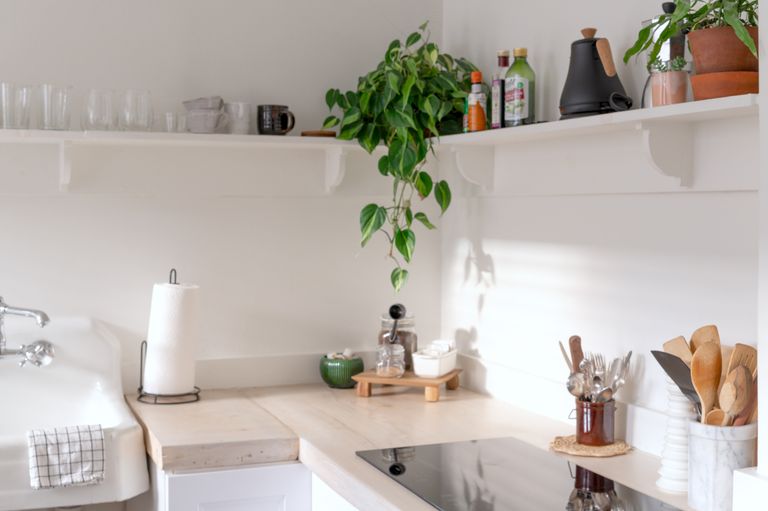
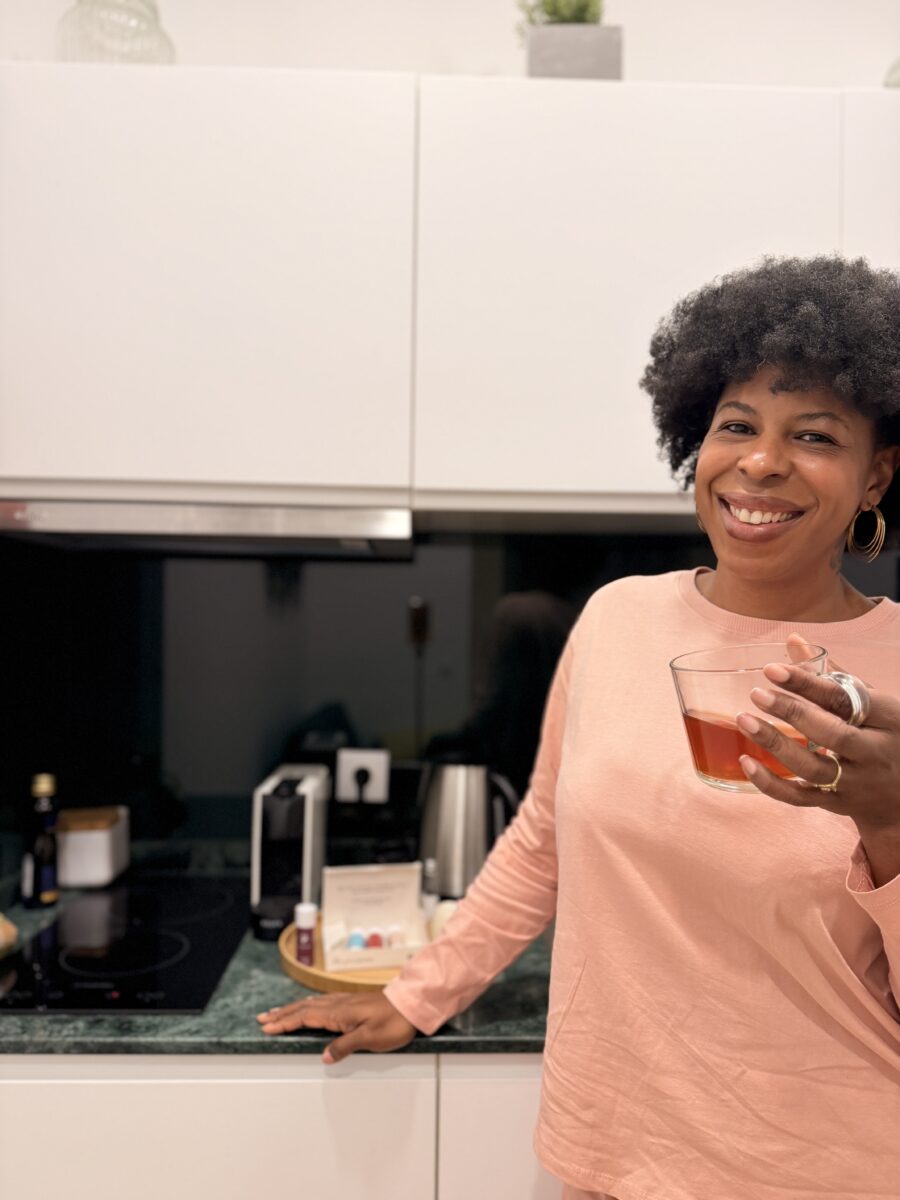
The kitchen smells like someone made coffee earlier. The floors creak slightly when you walk across them. A cat might wander through the hallway. The host might be sitting at the table answering emails.
For travelers used to anonymous hotel rooms, the first shared Airbnb experience can feel a little surprising.
But that moment of realization is also what makes the experience unique.
Many of the reflections that shaped this perspective come from the years of experience I shared in Airbnb Hosting Lessons: What 14 Years Taught Me, where I explore what hosting travelers has revealed about hospitality and human connection.
A home works differently than a hotel
A shared home Airbnb operates on a completely different rhythm than traditional accommodation.
Hotels are designed for privacy and independence. Guests check in, take an elevator upstairs, and disappear into a room that could belong to anyone.
A shared home is more personal.
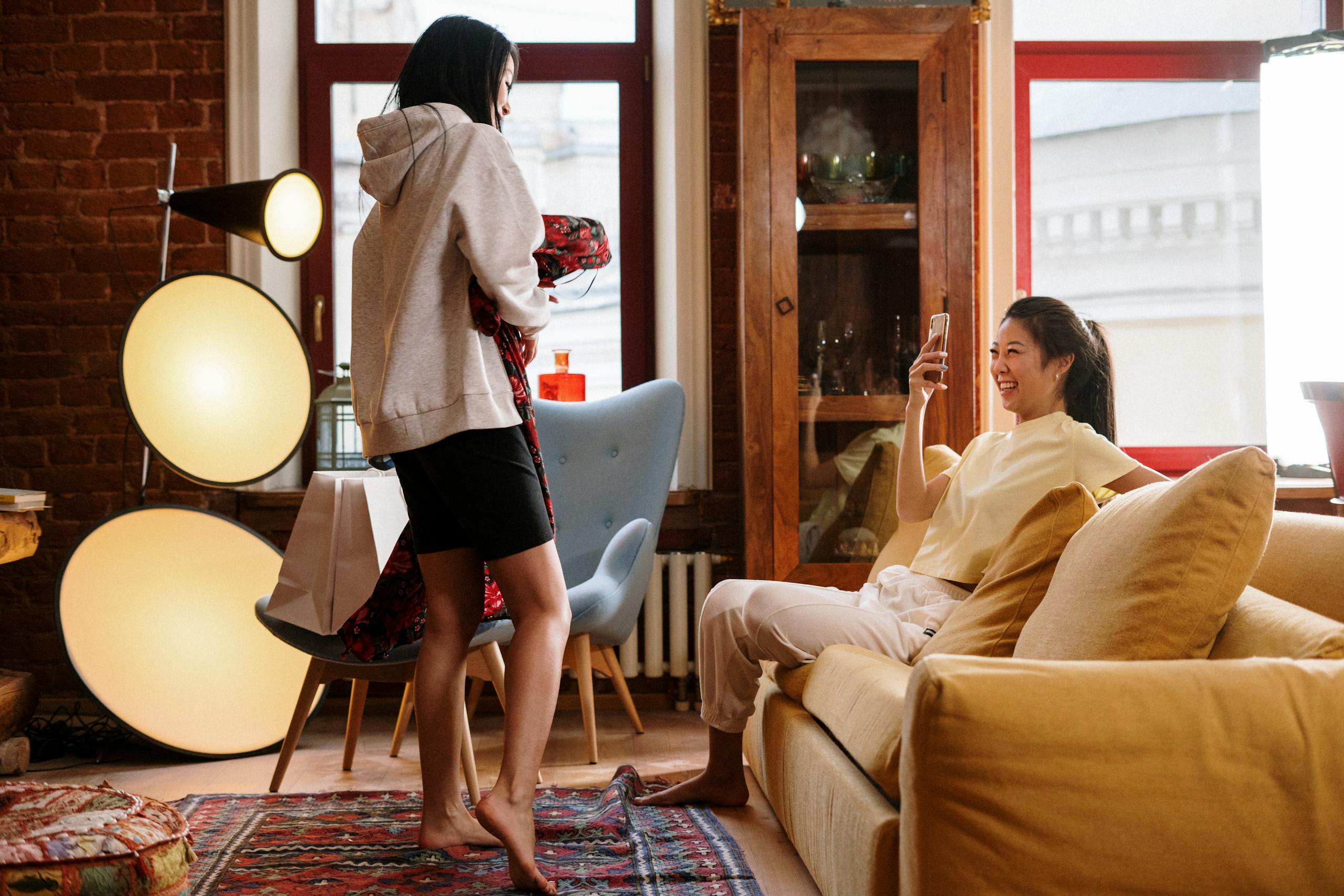
Guests and hosts occupy the same environment. They might pass each other in the hallway in the morning. They may share a kitchen or living room. Sometimes they exchange stories over coffee.
For some travelers, this creates a deeper connection to the place they are visiting.
Instead of simply occupying a room, they briefly step into the everyday life of the community they came to explore.
The quiet etiquette of shared spaces
Because a shared Airbnb experience takes place inside someone’s home, a few simple habits make the stay better for everyone involved.
Communication helps set expectations before arrival. Asking questions about house routines or shared spaces avoids confusion later.
Respect for quiet hours is another important part of shared home hospitality. Homes have rhythms that differ from hotels, and being mindful of those rhythms makes the experience comfortable for everyone.
Small gestures also go a long way.
Washing a coffee mug after using it or leaving the kitchen tidy may seem minor, but those actions signal respect for the space you are temporarily sharing.
Over time, hosts quickly notice these small signs of consideration.
Why many travelers prefer shared homes
While some guests initially feel uncertain about staying in someone’s home, many eventually discover that this type of travel offers something hotels cannot provide.
Conversation.
Local insight.
A sense of belonging, even if only for a few days.
Some of the most memorable moments in travel happen in ordinary spaces. A conversation at the kitchen table can reveal more about a place than a guidebook ever could.
That is why home sharing platforms like Airbnb have transformed the way many people experience travel.
What hosts hope guests understand
After years of welcoming travelers into my home, I have realized that most hosts are not expecting perfection.
What they appreciate most is awareness.
Guests who recognize they are entering someone’s home often bring a level of curiosity and respect that makes the entire experience better.
They ask questions.
They observe the rhythms of the house.
They treat the space with care.
When that happens, something interesting occurs.
The relationship between host and guest begins to feel less like a transaction and more like a temporary community.
The beauty of shared travel experiences
The shared Airbnb experience may not be for everyone. Some travelers prefer the privacy and predictability of hotels.
But for those willing to step into someone else’s everyday environment, the rewards can be meaningful.
You might hear stories about the neighborhood from someone who actually lives there.
You might learn about local food, culture, or traditions from a conversation that happens naturally.
And sometimes, you simply leave with a reminder that the world becomes smaller and friendlier when people open their doors to one another.