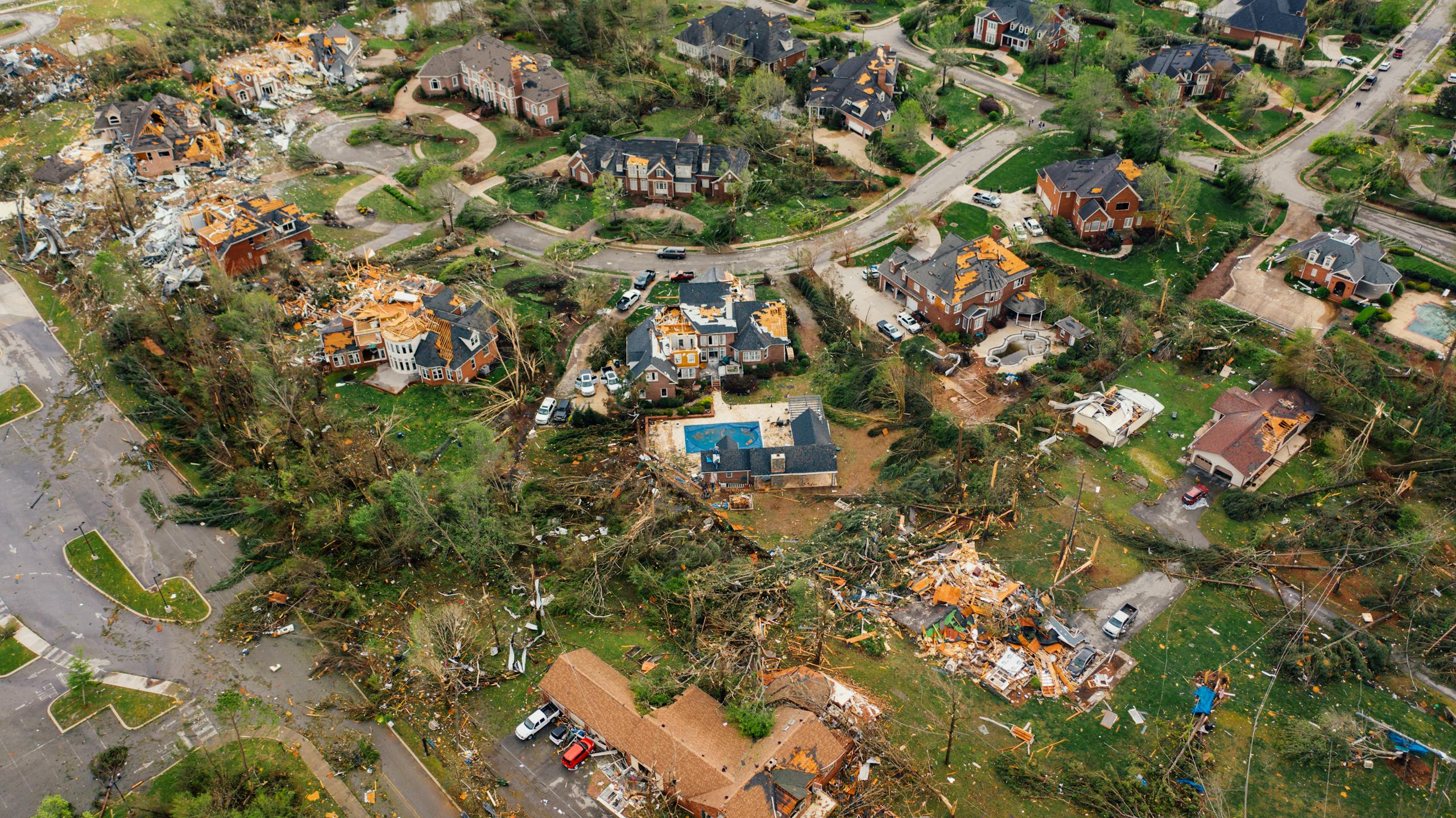
Tornado Watch vs Warning: What I Learned About Preparedness, Power, and Peace
Every storm season, searches for tornado watch vs warning rise across the United States. Phones buzz. Group chats light up. News alerts interrupt dinner.
In those moments, most of us are not thinking about meteorology. Instead, we are thinking about safety.
I have searched tornado watch vs warning more than once. Not because I love tracking storms, but because clarity brings calm. When the sky turns heavy and the wind shifts, I want to know exactly what to do next.
Understanding tornado watch vs warning is not just about weather. It is about leadership inside the home.
And if you’re thinking about preparedness beyond weather, especially financially, you may also want to read my piece on navigating tax season with clarity. Click to read: Where’s My Refund IRS: What Tax Season Teaches Us About Financial Power.
Tornado Watch vs Warning: The Difference in Plain Language
First, let’s get clear.
A tornado watch means conditions are favorable for tornadoes to develop. The atmosphere supports severe storms. However, no tornado has been confirmed.
A tornado warning, on the other hand, means a tornado has been spotted or detected by radar. Therefore, immediate shelter is necessary.
According to the National Weather Service, a watch gives you time to prepare. In contrast, a warning demands action.
That distinction defines tornado watch vs warning. One creates space. The other requires movement.
Why This Conversation Feels Different for Women
For many women, especially those managing households, storm alerts activate something deeper.
We think about elders.
We think about children.
We think about who might be alone.
As a result, preparedness becomes emotional labor.
When I hear severe weather alerts, I do not panic. Instead, I shift into planning mode. I review where we would go. Then, I mentally walk through next steps. Finally, I check supplies quietly.
Because preparedness is not fear. Rather, it is care.
When we understand tornado watch vs warning clearly, we lead calmly instead of reacting loudly.
What To Do During a Tornado Watch
During a watch, preparation is your focus.
First, monitor trusted sources. The National Oceanic and Atmospheric Administration provides reliable updates.
Next, prepare your space.
• Charge devices
• Locate flashlights
• Identify your safe room
• Review emergency supplies
• Bring pets indoors
Additionally, talk through the plan with your household. Explain the difference between a watch and a warning in simple language. As a result, anxiety drops significantly.
Preparation creates peace before the storm arrives.
What To Do During a Tornado Warning
A warning changes the energy immediately.
At that point, move to:
• A basement if available
• An interior room without windows
• The lowest level of your home
Protect your head. Stay low. Avoid windows. Most importantly, do not wait to visually confirm the storm.
In that moment, tornado watch vs warning stops being a trending search term. It becomes action.
A watch means prepare.
A warning means take shelter now.
Growing Up With Storm Season
I grew up understanding storm season as part of life. You watched the sky. You listened to elders. You learned the signs.
However, I did not realize how much invisible leadership surrounded me. Women were checking supplies quietly. They were making sure everyone knew where to go. Meanwhile, they were holding both information and emotion at the same time.
Now, I see it clearly.
Storm season reveals who stays steady. Often, that steadiness is carried by women who understand the difference between noise and urgency.
That is why tornado watch vs warning feels personal. It reminds me that preparedness is protection.
Severe Weather, Climate Patterns, and Equity
In recent years, storms have intensified in many regions. Climate patterns continue to shift. Scientists are still studying long-term impacts.
However, recovery is not equal.
Some communities have basements. Others do not.
Some families have flexible schedules. Others cannot leave work.
Some neighborhoods rebuild quickly. Others wait months.
Therefore, understanding emergency alerts becomes even more critical. Clear information allows faster decisions. Faster decisions protect lives.
Preparedness, in this context, becomes powerful.
Storm Season Preparedness Checklist
If you want to feel grounded before the next alert appears, start here.
Create a simple emergency kit that includes:
• Flashlights and extra batteries
• Bottled water
• Important documents in a waterproof container
• Phone chargers and backup power banks
• Basic medications
Additionally, identify your safe space in advance. Practice moving there calmly. When you rehearse the plan, panic decreases.
Preparation reduces fear. Fear, after all, often causes more harm than wind.
How I Keep Calm When Alerts Appear
Over time, I created small rituals before storm season begins.
Each year, I refresh supplies. Then, I review our plan. Most importantly, I explain emergency alerts clearly before they ever show up.
When alerts appear, I do not raise my voice. Instead, I lower it.
I move with intention. I give clear instructions. As a result, the entire room regulates.
Calm leadership shifts everything.
Final Thoughts on Tornado Watch vs Warning
The next time a severe weather alert appears, pause before reacting.
Read the words carefully.
If it is a watch, prepare thoughtfully.
If it is a warning, move immediately.
When we understand tornado watch vs warning fully, we replace confusion with confidence.
And confidence is a powerful form of protection.
Leadership during uncertainty shows up in many forms. It shows up in how we respond to storms, and it shows up in how we handle money. I recently explored how women can approach tax season intentionally instead of anxiously.