What Wine Tells Us About Land, Memory, and Cultural Identity
The older I get, the more I realize that food and wine are never just about consumption.
They are about memory.
One sip, one smell, one shared meal can transport people across generations and continents in seconds. A table suddenly becomes more than a table. It becomes history, migration, family, survival, celebration, and identity all at once.
That is why conversations around wine and cultural identity have become so interesting to me lately.
Especially as more regions around the world reclaim indigenous grapes, traditional production methods, and agricultural practices that were once dismissed in favor of global trends.
Because when we talk about wine, we are also talking about land.
And when we talk about land, we are talking about people.
Wine and Cultural Identity Are Deeply Connected
Every wine-producing region tells a story.
Sometimes that story is obvious. Other times, it exists quietly beneath the surface in farming traditions, grape selection, harvest rituals, and recipes passed down through generations.
Wine reflects climate, geography, trade routes, religion, colonization, migration, and economics. It captures what a region values and how communities adapt over time.
That is why wine and cultural identity cannot really be separated.
A bottle is not just a product.
It is often a living archive.
The Push Toward Global Sameness
For years, much of the wine industry moved toward standardization.
International varietals like Cabernet Sauvignon, Chardonnay, and Merlot dominated global markets because consumers recognized them. Wineries often planted grapes that were easier to sell internationally rather than preserving local varietals tied to regional history.
In many places, indigenous grapes nearly disappeared.
And honestly, that mirrors what happens across food systems more broadly.
Global markets often reward uniformity. They encourage regions to adapt to outside expectations instead of protecting local agricultural traditions. Over time, unique flavors, farming methods, and food cultures can slowly erode.
That is part of why the current revival of indigenous wines feels so important.
Israel and the Revival of Indigenous Grapes
One example that has really captured my attention is happening in Israel.
Wineries there are helping revive indigenous grapes like Marawi and Dabouki, reconnecting modern consumers with varietals deeply tied to the region’s agricultural history.
What fascinates me is how these wines carry both ancient and modern identity at the same time.
They are rooted in landscapes tied to thousands of years of cultivation, faith, migration, and trade. Yet they are also being presented to contemporary audiences through modern winemaking and global wine culture.
That tension between preservation and reinvention exists in so many cultures right now.
Wine as a Form of Memory
I think many people underestimate how emotional wine can be.
Not emotional in a dramatic sense, but emotional in the way memory works.
A specific wine can remind someone of their grandmother’s kitchen. A family celebration. A trip abroad. A difficult season survived. A new chapter beginning.
Food and drink hold emotional geography.
That is one reason people increasingly seek wines connected to place instead of mass-market sameness. Consumers want authenticity because authenticity feels grounding.
And honestly, in a world that often feels disconnected, people are hungry for that.
Portugal Taught Me to Slow Down With Wine
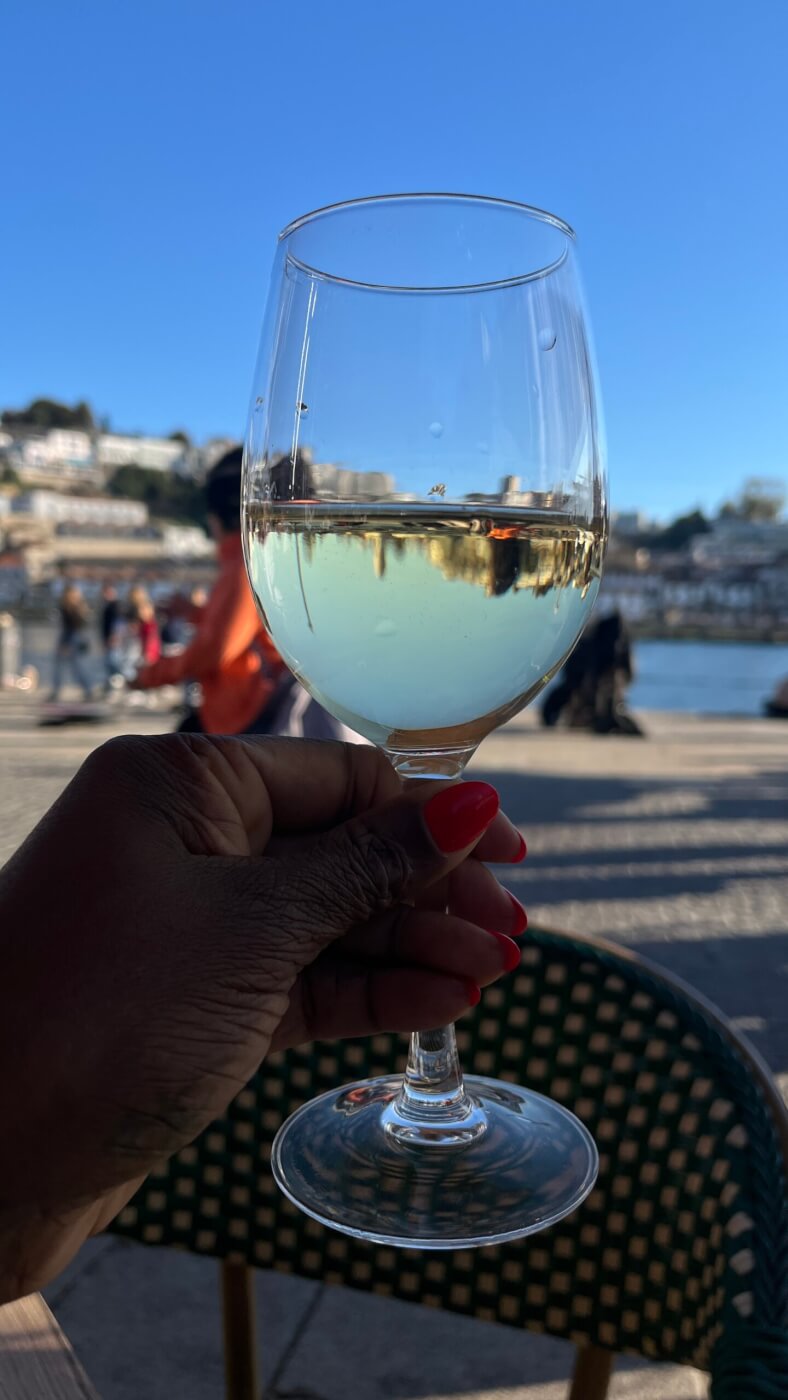
Spending time in Portugal shifted the way I think about wine culture completely.
There, wine often feels integrated into daily life instead of elevated above it. People linger longer at the table. Meals feel slower. Conversations stretch for hours. Wine becomes part of connection rather than performance.

I noticed how closely regional wines were tied to local identity and cuisine. Indigenous grapes were not treated like obscure novelties. They were simply part of cultural continuity.
That perspective stayed with me.
It reminded me that wine does not have to feel exclusive to be meaningful.
Wine, Agriculture, and Identity
As someone deeply engaged in food systems work, I also think about the agricultural side of this conversation.
Preserving indigenous grapes is not only about tradition. It is also about biodiversity, climate adaptation, and protecting agricultural knowledge that has evolved over centuries.
Many indigenous varietals are naturally suited to their local environments because they developed there over time. That resilience matters as climate pressures continue reshaping global agriculture.
So when producers protect these grapes, they are preserving more than flavor profiles.
They are preserving ecological and cultural resilience too.
Why Consumers Care More About Wine and Cultural Identity Today
I think modern consumers are searching for meaning in what they buy.
People want products that feel connected to real places and real people. They want stories that go deeper than branding.
Wine fits naturally into that shift because it sits at the intersection of agriculture, culture, travel, history, and hospitality.
And increasingly, consumers are embracing wines that feel rooted in identity rather than designed for mass appeal.
That does not mean people suddenly want complicated wine experiences.
Actually, I think the opposite is true.
People want wine to feel approachable, human, and connected again.
Wine is Talking. Are You Listening?
Wine tells stories long before the bottle is opened.
It tells stories about land and labor. About migration and memory. About preservation and reinvention. About the ways cultures hold onto identity even as the world changes around them.
That is why wine and cultural identity matter so much.
Because sometimes the most powerful stories are the ones we taste.