
11:11: A Clever and Honest Look at Race, Belonging, and Growing Up
A Story That Echoes The Bluest Eye
Watching Mahnoor Euceph’s 11:11 instantly brought The Bluest Eye, by Toni Morrison, to mind because both explore the quiet but powerful ways beauty standards and belonging shape how a young woman sees herself. Growing up as a Black woman and the daughter of a Colombian immigrant, I know what it feels like to move through spaces where you are always reminded you are different. I have had white friends, and I have dated outside my race, but I have never felt as comfortable around white people as I do within my own community. That is why this story felt so personal.
When a Wish Reveals Something Deeper
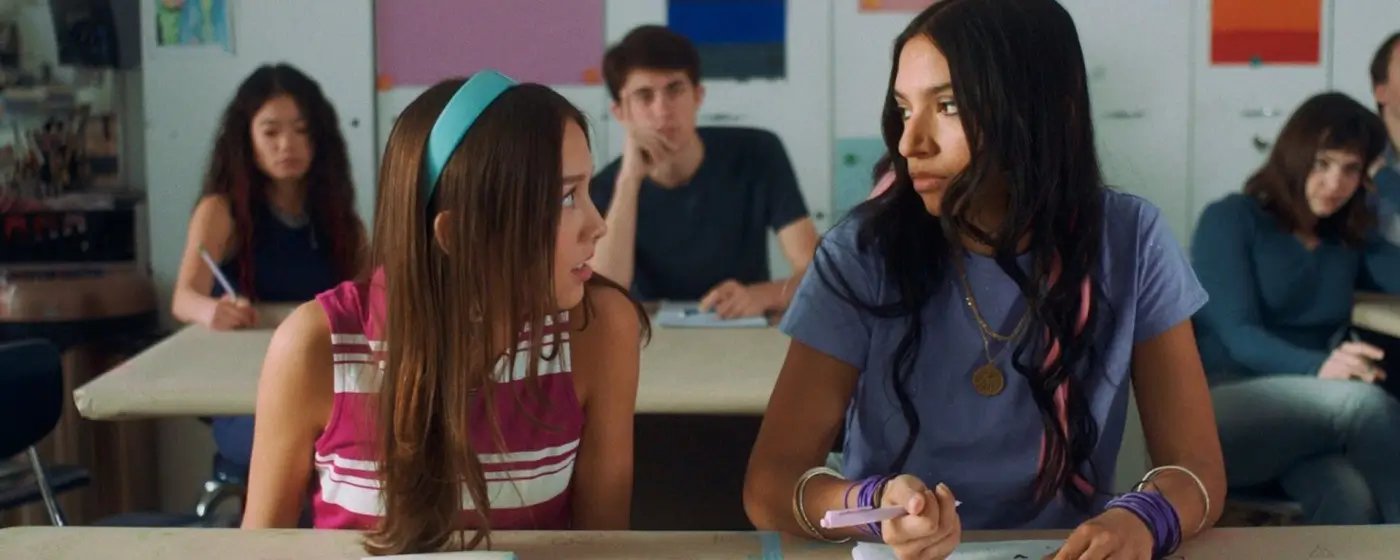
Noori’s wish to be her crush’s “type” feels like more than a teenage daydream. She says she does not want to be white, yet the wish’s result hints at something deeper. It suggests an unspoken longing for the ease and validation that whiteness can bring in a society that prizes it. I saw her struggle and recognized the quiet ache of wanting to belong in a place that was never built with you in mind. Her transformation does not just give her a new look. It forces her to hear how the white kids truly see her people. That truth is painful, but it is also the moment she starts reclaiming pride in her skin and her culture.
Humor, Heart, and the Teenage Mind
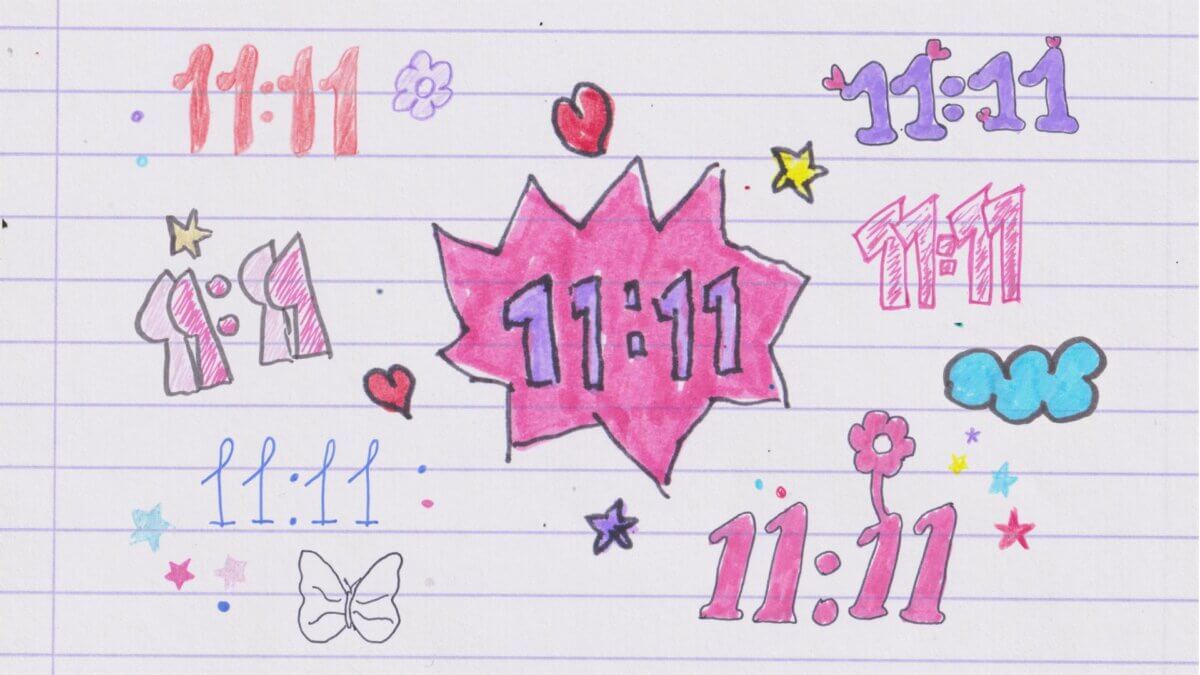
What makes 11:11 truly shine is how it mixes this emotional depth with humor. The comedy works because it is rooted in the awkward, electric energy of being a teenager. The bursts of animation feel like opening a diary and seeing your unfiltered thoughts scribbled in color. The lines are playful, the shapes exaggerated, and the palette dances with purples, pinks, and blues. These colors feel like they belong to the world of late-night texts, high school crushes, and doodles in the margins of your notebook.
Standout Performances and Vision
The young cast nails the balance between vulnerability and wit. You can see it in the way their eyes shift in a quiet moment or in how a joke lands just a beat late because they are still testing their confidence. You believe their friendships, their insecurities, and their small acts of courage. That is a credit to both their talent and to Mahnoor Euceph’s direction. As an award-winning Pakistani-American filmmaker, she brings a deep understanding of cultural nuance to the screen. Her lens is playful yet purposeful, using humor to open the door for conversations about race and belonging.
A Well-Deserved Spotlight
11:11 will premiere at the Oscar-qualifying HollyShorts Film Festival in Los Angeles. It is a fitting stage for a film that is both visually inventive and emotionally sharp. Euceph’s ability to tell diaspora stories that are specific yet universally relatable is exactly why this short deserves that spotlight.
Final Thoughts
If you love coming-of-age stories that go beyond the surface, this is for you. 11:11 will make you laugh, make you think, and maybe even make you check in with your younger self. For me, it was a reminder that no wish can give you the kind of belonging you find when you are fully at home in your own skin.
