African Innovation at Web Summit: The Ideas the World Can’t Afford to Ignore
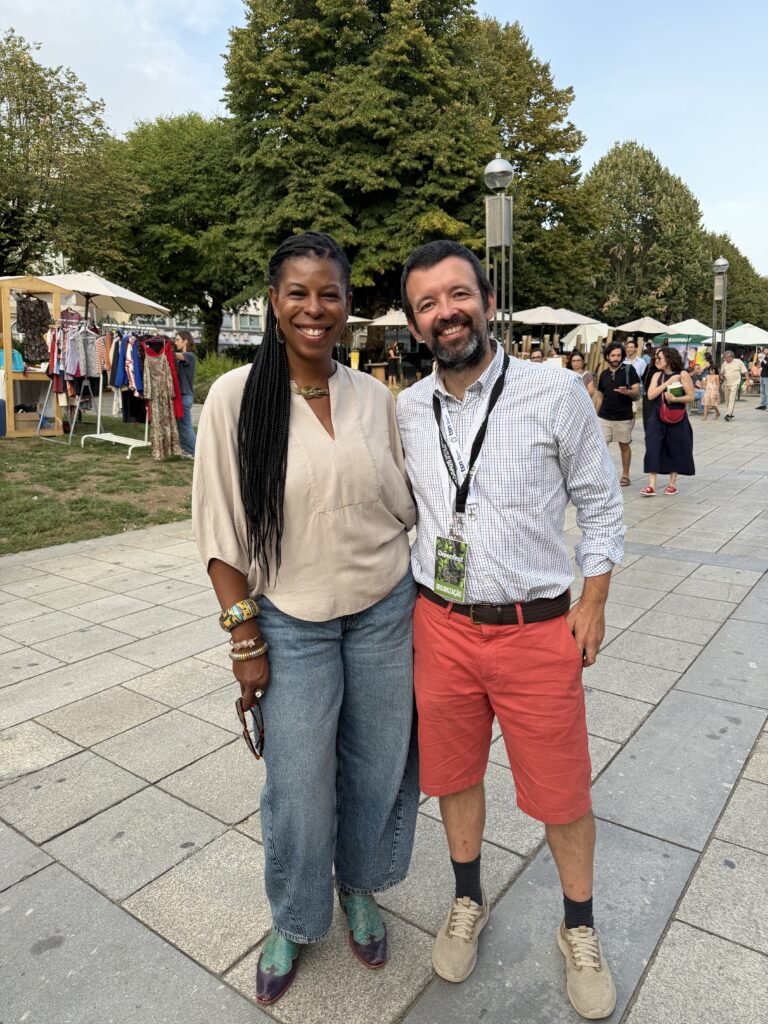
African innovation was one of the strongest threads I followed at Web Summit Lisbon. While many people arrived looking for the next big idea from Silicon Valley, I found myself drawn again and again to founders, ecosystem builders, and community leaders shaping the future from Africa and the diaspora.
That should not have surprised me. Long before I began covering Web Summit Lisbon as media, Africa had already become an important part of my professional journey. I have worked across Ghana, Kenya, Tanzania, Zambia, Mozambique, Nigeria, Mali, Egypt, and beyond in food systems, agriculture, gender equity, and sustainable development.
Because of that, I do not hear the phrase African innovation as a buzzword. I hear it as a reminder that brilliant ideas are already being built by people who understand their communities, markets, and challenges from the inside.
African Innovation Belongs on the Global Stage
For too long, global media has framed Africa through the language of need. Need for aid. Need for infrastructure. Need for investment. Those realities exist, but they are not the whole story.
At Web Summit, I saw a much fuller picture. I met entrepreneurs building technology companies, nonprofit leaders expanding access, founders designing AI-powered tools, and ecosystem builders creating pathways for communities that have too often been excluded from capital and visibility.
That is why African innovation deserves more attention. It is not about copying someone else’s model. It is about solving real problems with local knowledge, global ambition, and deep cultural intelligence.
Official platforms like Web Summit matter because they bring those conversations into rooms where investors, journalists, policymakers, and founders are already paying attention.
African Innovation Is Driven by Community Builders
Some of the most meaningful conversations I had were not only with startup founders. They were with people building ecosystems.
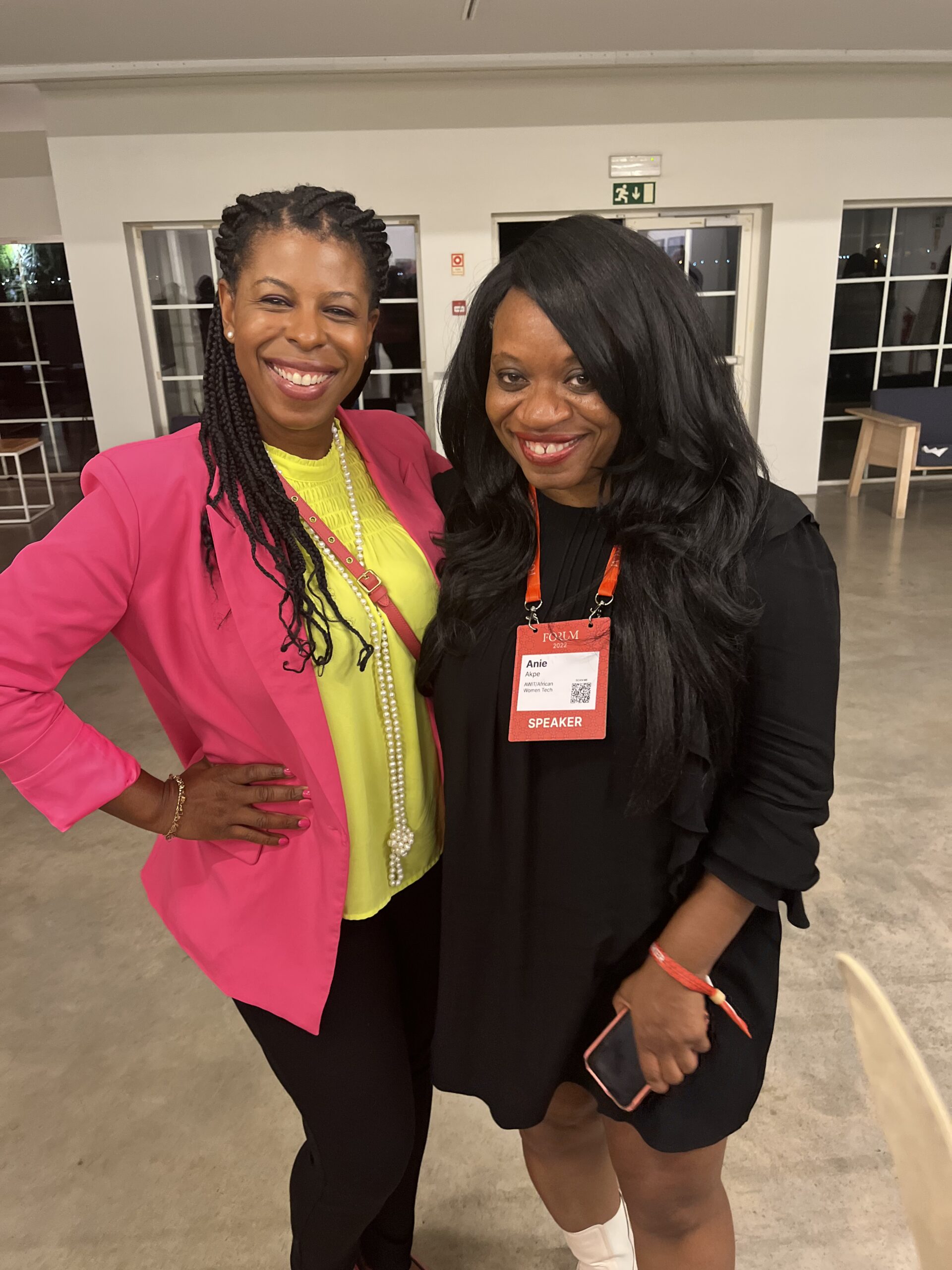
I connected with leaders like Ngozi Cadmus of AI Success Labs, Korede Adedoyin of The Vemoye Foundation, Kelly Burton of Black Innovation Alliance, and Anie Akpe, founder of African Women in Tech. Each one represents a different part of the innovation economy, yet all of them understand that access matters.
Africa’s innovation story is not only about apps, platforms, or funding rounds. It is also about mentorship, education, visibility, networks, and spaces where founders can build without constantly having to prove that they belong.
That same energy showed up during Night Summit, where some of my best conversations happened after the official sessions ended. Those moments reminded me that innovation often grows through relationships before it ever reaches a pitch deck.
African Innovation Is Already Shaping the Future
Across the continent and throughout the diaspora, African innovation is reshaping conversations around artificial intelligence, fintech, agriculture, education, climate, healthcare, beauty, media, and creative industries.
That matters because Africa’s challenges are often different from those facing Europe or North America. So the solutions must be different too. A payment platform, health tool, education product, or agricultural technology designed for Lagos, Accra, Nairobi, or Johannesburg may carry lessons that the rest of the world needs to understand.
During Web Summit, I kept thinking about the same question I asked in my Food Summit article: who does innovation serve? African founders are answering that question through businesses and organizations rooted in lived experience.
That is one reason this conversation connects so naturally to my coverage of Etosha Cave’s carbon transformation work, Releaf Paper’s sustainable packaging, and Pharrell Williams on ownership and wealth creation. Each story asks us to look beyond the headline and examine who gets access to the future.
African Innovation Needs More Than Applause
Celebrating African innovation is important, but applause is not enough. Founders need capital. Communities need infrastructure. Women need safe pathways into technology leadership. Young people need training, mentorship, and access to networks that can help them build sustainable careers.
That is why organizations such as Black Innovation Alliance and African Women in Tech matter. They are not simply talking about diversity. They are building pipelines, communities, and ecosystems that help innovators move from visibility to opportunity.
As someone whose work has long centered women, economic development, and sustainable livelihoods, I see these efforts as part of a much bigger story. Technology can open doors, but only if people have the support to walk through them.
The Diaspora Is Part of the African Innovation Story
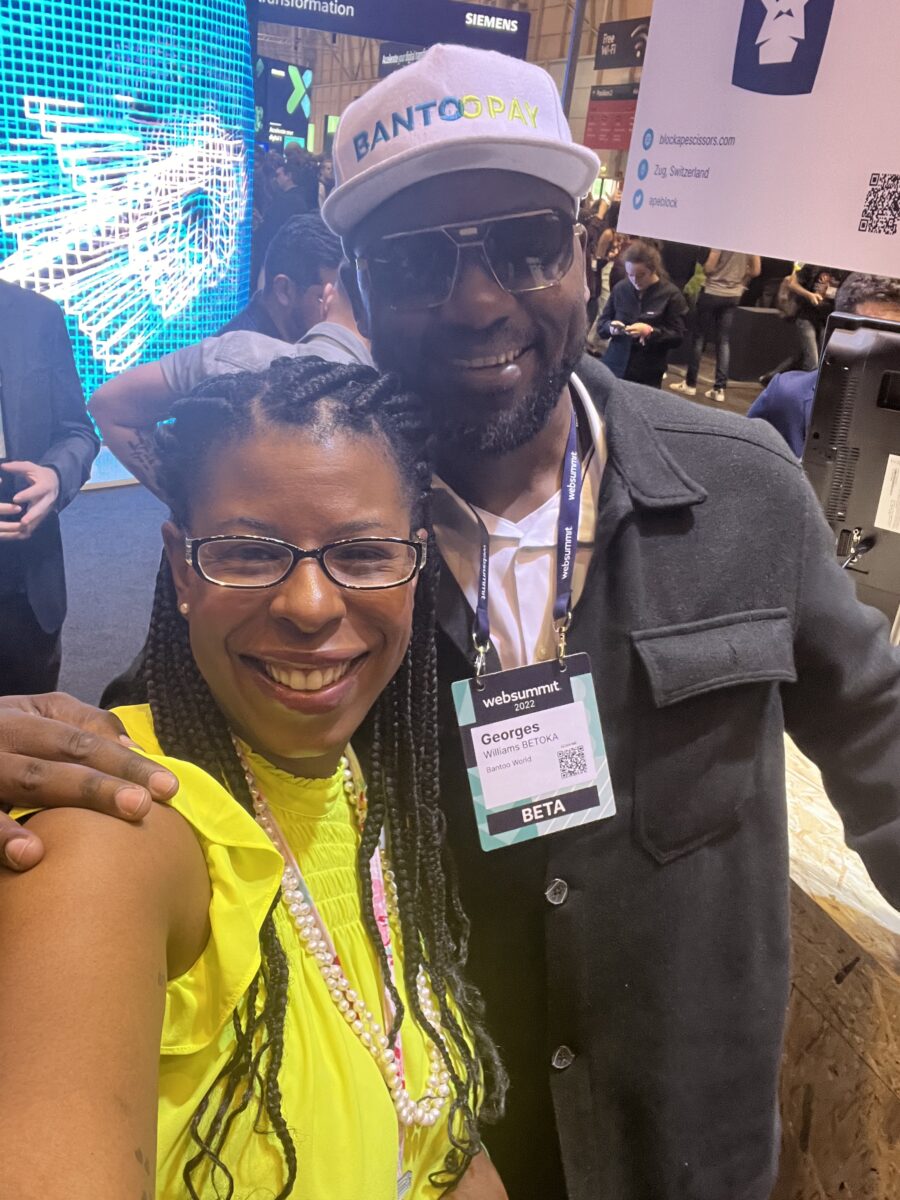
One thing I appreciated at Web Summit was how often African innovation showed up through diaspora connections. Founders and leaders were not limited by one geography. They were building across borders, cultures, and markets.
That matters to me personally. As an Afro-Latina woman with a career rooted in global development, I understand how identity, migration, and opportunity can shape the way we see the world. The diaspora often carries both memory and imagination. It remembers where people come from while building bridges to what comes next.
That bridge-building is one of the reasons African innovation feels so powerful. It is local and global at the same time.
African Innovation Deserves Better Storytelling
Web Summit reminded me that African innovation is not waiting for permission to matter. It already matters. The real question is whether the global media, investment community, and technology industry will pay attention with the seriousness these stories deserve.
Too often, stories about Africa flatten complexity. They either focus on crisis or celebrate success without explaining the systems behind it. DG Speaks gives me space to do something different. I can write about founders, culture, technology, food systems, gender, and economic opportunity as connected stories rather than separate topics.
That is the kind of coverage I want to continue building through DG Speaks Media & Press. I do not want to simply report who was in the room. I want to ask what those rooms make possible.
The Ideas the World Cannot Afford to Ignore
I left Web Summit thinking about how much stronger the global innovation conversation becomes when African founders and ecosystem leaders are centered rather than treated as side stories.
African innovation is not a niche topic. It is part of the future of technology, business, education, health, climate, and culture. The world cannot afford to ignore ideas coming from one of its youngest, most creative, and most entrepreneurial regions.
For me, that is the story worth following. Not because it sounds good on a conference panel, but because I have seen what happens when people are given the tools, networks, and trust to build solutions for their own communities.
Continue the Conversation
- Inside Web Summit Lisbon: Four Years of Innovation, Ideas, and Inspiration
- Night Summit at Web Summit Lisbon
- The Most Important Conversation at Web Summit Was About Food
- Wine Summit at Web Summit
- Pharrell Williams on Culture, Commerce, and Closing the Wealth Gap
- DG Speaks Media & Press
If you are planning your own Web Summit trip, explore official event details through Web Summit. For Lisbon tours, food experiences, and day trips, browse GetYourGuide. You can also compare budget-friendly stays through Hostelworld, consider SafetyWing for longer trips, and check entry requirements through iVisa.
Disclosure: DG Speaks attended Web Summit as accredited media. Some links in this article are affiliate links, which means I may earn a small commission if you make a purchase through them, at no additional cost to you.