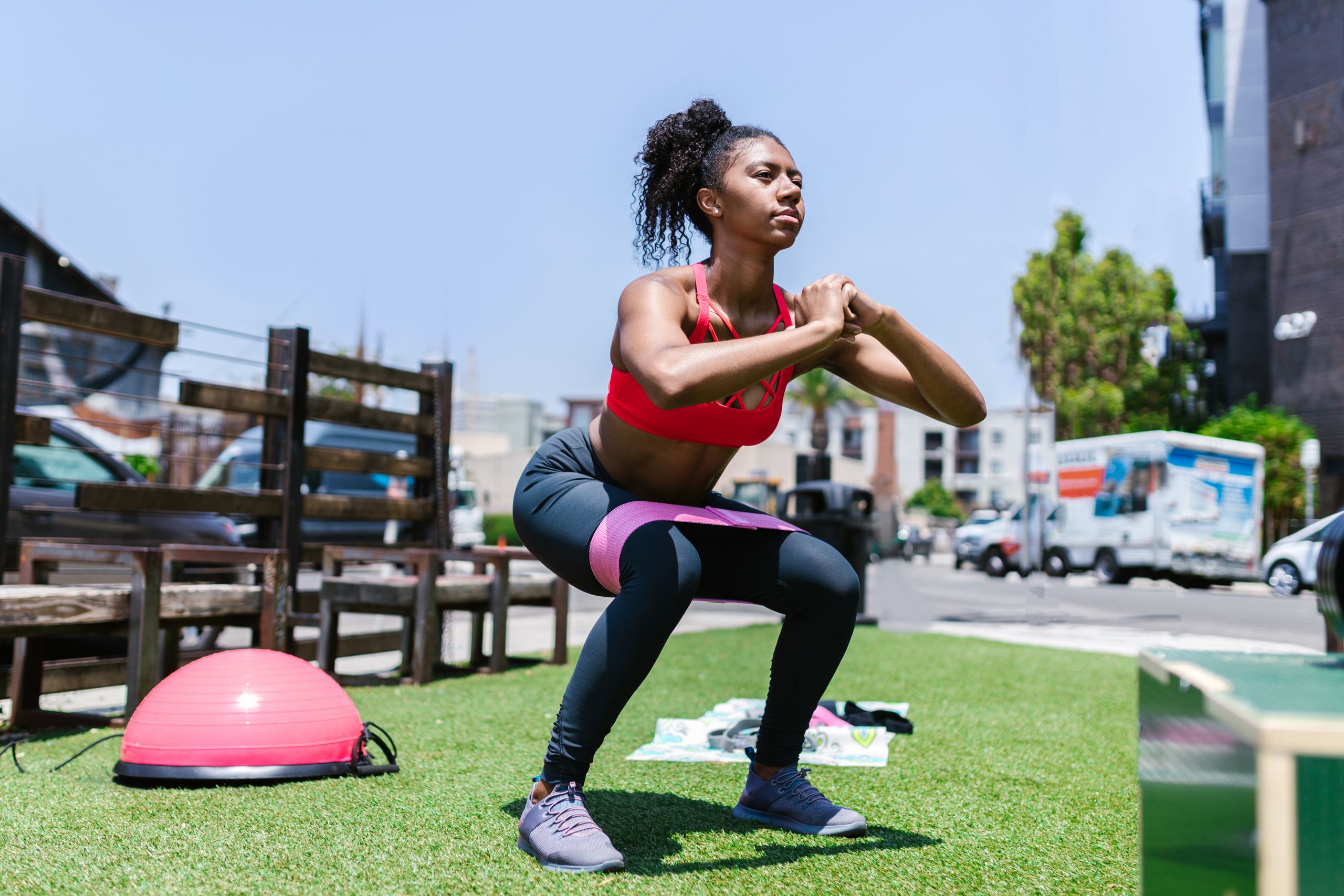
What a Black Women’s Fitness Focus Group Revealed About Wellness
I attended a Black women’s fitness focus group this morning, and I left thinking about how often wellness conversations speak around us instead of with us.
That distinction matters.
Black women are constantly marketed to, studied, praised for our strength, criticized for our bodies, and warned about our health. Yet we are not always heard with the care and nuance our lives deserve.
Too often, the conversation begins with what experts believe Black women should change. It does not begin by asking what we need, what stands in our way, what makes us feel supported, or what wellness means within the context of our actual lives.
This focus group felt different because the women in the room had space to name their own experiences.
That is where meaningful Black women’s wellness must begin: not with assumptions, but with listening.
Health Is Not Just a Number
Fitness culture loves numbers.
Weight, steps, calories, inches, macros, heart rate, dress size, body fat percentage, and personal records are often treated as evidence of discipline or failure.
Numbers can provide useful information. They can help people notice patterns, set goals, track progress, and communicate with healthcare professionals.
However, numbers cannot tell the whole truth about a woman’s health.
A scale does not explain chronic stress, caregiving demands, hormonal changes, limited income, neighborhood safety, discrimination, grief, disability, sleep deprivation, access to healthcare, or the emotional labor a woman carries every day.
It also cannot explain whether she feels stronger, sleeps better, walks farther, experiences less pain, or has developed a healthier relationship with her body.
Research has long shown that health behaviors do not occur in isolation. Economic conditions, neighborhood environments, access to safe places for physical activity, and other structural factors can influence both health and the ability to maintain a routine.
The Centers for Disease Control and Prevention has noted that factors beyond diet and inactivity affect weight and health among African American women, including poverty and neighborhood conditions.
Listening to the focus-group discussion, I kept returning to one conclusion: wellness must be practical, culturally aware, and compassionate.
It should never require women to hate themselves into change.
Black Women Are Not a Problem to Be Fixed
Many mainstream wellness messages begin from a deficit.
They tell Black women that we weigh too much, exercise too little, eat incorrectly, wait too long to seek care, or fail to prioritize ourselves.
Some of those messages may point toward genuine health concerns. However, they become harmful when they ignore the conditions surrounding people’s choices.
A woman may understand the value of exercise and still lack affordable childcare. She may want to walk outdoors but feel unsafe in her neighborhood. She may know that sleep matters while working multiple jobs or caring for relatives.
She may avoid a gym because she has previously felt judged, invisible, sexualized, or unwelcome there.
None of those realities means she does not care about her health.
When public-health campaigns reduce complex lives to personal responsibility, they turn structural barriers into individual shame.
Black women do not need another campaign that treats us as a collection of risk factors. We need wellness spaces that recognize our intelligence, resourcefulness, preferences, limitations, and humanity.
Better Wellness Programs Begin With Black Women’s Voices
The focus group reinforced the value of involving communities in the design of programs intended to serve them.
Researchers call this kind of approach community-based participatory research. Rather than treating participants only as subjects, it invites community members to help define concerns, shape solutions, and interpret what the findings mean.
A 2025 CDC review emphasized that transparent, collaborative research can help build trust and allow Black women to participate more actively in work focused on their health concerns.
You can read the full discussion in the CDC article on applying community-based participatory research to health programs for Black women.
That model should extend beyond academic research.
Gyms, fitness brands, healthcare systems, app developers, government agencies, and wellness companies should all involve Black women before designing products and campaigns supposedly created for us.
Listening at the beginning is more respectful—and usually more effective—than asking for feedback after every major decision has already been made.
Black Women Deserve Better Wellness Spaces
Too many fitness spaces still assume one kind of body, one kind of schedule, one kind of hair, and one kind of life.
That assumption affects everything from the music and marketing to class schedules, locker-room amenities, equipment design, coaching language, and the images chosen to represent health.
Black women are not a single, interchangeable group.
Some women are balancing work and family. Some are healing from injury or illness. Some are entering perimenopause or menopause. Others are learning to move comfortably after years of inactivity.
Some want to lose weight. Some want to gain strength. Some want greater mobility, endurance, flexibility, peace, or energy.
Some love intense group classes. Others prefer walking alone, dancing at home, swimming, lifting weights, hiking, gardening, or participating in recreational sports.
A culturally responsive wellness environment makes room for those differences rather than assuming everyone arrives with the same motivation or goal.
It also understands that hair may affect exercise choices. A woman who has invested significant time or money in a hairstyle may reasonably consider sweat, water, humidity, and access to appropriate hair care when deciding how and where to exercise.
That concern is not superficial. It reflects the financial, professional, and cultural realities surrounding Black women’s hair.
I explored some of that deeper emotional weight in my personal story about Black women, hair loss, beauty, and identity.
Wellness Cannot Only Mean Pushing Harder
Fitness culture frequently celebrates intensity.
Push harder. Wake earlier. Burn more. Never miss a day. Ignore excuses. Transform your body.
That language may motivate some people, but it can also turn movement into punishment.
Exercise should challenge us at times. Growth often involves discomfort. Nevertheless, pain, depletion, fear, and self-hatred should not become the price of belonging in wellness culture.
Rest is part of health. Recovery is part of fitness. Pleasure, play, and gentleness also belong in the conversation.
I connect this discussion with my reflections on women, rest, and why softness is not surrender.
For women who have spent years proving our strength, choosing rest can feel almost rebellious.
Yet a sustainable approach to wellness must allow us to alternate effort with recovery. A body is not a machine that becomes morally superior through constant use.
Community Changes the Fitness Conversation
The most powerful part of the focus group was hearing women respond to one another.
A room changes when people realize their private frustrations are not private at all.
Someone names a barrier, and another woman nods. Someone shares a strategy, and another person writes it down. One participant says aloud what several others have been feeling, and the entire atmosphere shifts.
That exchange moves health beyond individual blame.
Instead of asking, “Why can’t I stay disciplined?” a woman may begin asking, “What kind of support would make consistency possible?”
That is a far more useful question.
Community can provide accountability, but its value extends beyond someone checking whether we completed a workout.
It can create belonging, companionship, shared problem-solving, encouragement, and the sense that movement does not have to be another lonely obligation.
The American College of Sports Medicine has highlighted enjoyment, camaraderie, and consistent participation as qualities that can help reduce barriers and support long-term involvement in physical activity.
That is one reason group-based activities can work well for people motivated by connection rather than competition.
Safety Shapes Whether Movement Feels Possible
Wellness advice often treats walking as the simplest and most accessible form of exercise.
Walking can be affordable and effective, but it is not equally accessible to everyone.
Sidewalks, lighting, traffic, harassment, loose animals, extreme weather, crime, disability access, and the distance to parks or trails all affect whether someone feels comfortable moving outdoors.
A 2025 CDC study found that eight in ten U.S. adults reported at least one environmental, access-related, or personal reason that prevented them from walking to nearby destinations.
The findings reinforce an important point: encouraging people to move more must be accompanied by efforts to create communities where movement is safe, convenient, and realistic.
You can explore the CDC study on the barriers that prevent adults from walking near home.
Personal motivation matters, but sidewalks, transportation, public spaces, and neighborhood investment matter too.
Stress Belongs in Every Conversation About Black Women’s Health
Black women’s wellness cannot be separated from stress.
Stress may come from work, money, caregiving, discrimination, relationships, health concerns, housing instability, or the pressure to remain composed while managing all of them at once.
The American Heart Association has discussed how the combined effects of racial and gender discrimination can create a particularly heavy health burden for Black women.
That burden does not mean Black women are inherently unhealthy. It means the body responds to the conditions in which a person lives.
Movement can help some people manage stress. The CDC notes that physical activity can reduce short-term anxiety, support sleep, and lower the risk of depression and anxiety over time.
However, exercise should not become another command placed on an already overwhelmed woman.
The goal is to help people find forms of movement that add energy, relief, pleasure, or strength to their lives rather than increasing shame.
Tools Can Support a Routine, but They Are Not the Whole Answer
I appreciate practical tools because I use them too.
Comfortable walking shoes, a reliable water bottle, resistance bands, supportive clothing, headphones, and simple meal-preparation supplies can make a healthy routine easier to maintain.
I keep some of my favorite wellness and fitness items in my Amazon storefront.
Still, buying the right equipment cannot compensate for a lack of time, safe spaces, accurate information, affordable healthcare, or emotional support.
Wellness marketing often implies that one more product will finally make us consistent. Yet consistency usually becomes easier when a routine fits our lives and feels meaningful enough to continue.
Mindfulness can also support emotional well-being. When life becomes loud, I use quiet practices to help settle my mind and reconnect with my body.
My Calm guest pass is available for anyone looking for a simple place to begin with meditation, sleep support, or guided relaxation.
These resources may help, but they are supports—not cures for structural problems or substitutes for medical and mental-health care.
Wellness Should Leave Room for Different Definitions of Success
Not every woman wants the same outcome from fitness.
One woman may want to lower her blood pressure. Another may be training for a race, rebuilding strength after illness, protecting bone health, improving mobility, or preparing to age with greater independence.
Someone else may simply want enough stamina to play with her grandchildren, walk through a new city, complete a pilgrimage, or move through daily life with less fatigue.
Those goals deserve as much respect as a dramatic physical transformation.
Appearance may motivate some people, and there is nothing inherently wrong with wanting to change how your body looks.
The problem begins when thinness becomes the only visible definition of health or when people assume a body’s appearance reveals everything about the person living inside it.
A more humane wellness culture would ask whether a woman feels supported, capable, informed, energized, and connected to her body.
What I Hope Comes Next
The focus group reminded me that Black women’s wellness deserves more listening and fewer assumptions.
We do not need another campaign telling us to repair ourselves through willpower.
We need healthcare providers who listen, researchers who involve communities, fitness professionals who understand different bodies, and public spaces where women can move safely.
We need programs that account for cost, caregiving, disability, culture, hair, stress, time, and transportation.
Most of all, we need wellness spaces that recognize Black women as whole people rather than problems to solve.
That is the conversation I want to keep having.
What would make a fitness or wellness space feel more supportive, realistic, and welcoming to you? Share your thoughts in the comments.
Frequently Asked Questions
Why are culturally responsive fitness programs important?
Culturally responsive programs consider the experiences, priorities, barriers, and preferences of the communities they serve. That can make fitness guidance feel more relevant, respectful, and realistic.
What barriers can affect Black women’s physical activity?
Barriers may include cost, time, caregiving, neighborhood safety, limited transportation, discrimination, health conditions, hair-care concerns, lack of representation, and previous negative experiences in fitness or healthcare settings.
Does physical activity only count when it happens in a gym?
No. Walking, dancing, gardening, hiking, swimming, cycling, household activity, recreational sports, and strength exercises at home can all contribute to physical activity. The most sustainable form is often one a person enjoys and can realistically continue.
Can exercise support mental well-being?
Regular physical activity can support sleep and may reduce anxiety and depression risk. It is not a replacement for professional mental-health care, but it can form one part of a broader support plan.
Why is community important in fitness?
Community can offer belonging, accountability, encouragement, shared knowledge, and practical support. Group settings may also make movement feel more enjoyable and less isolating.
Keep Reading on DG Speaks
- Women, Rest, and Why Softness Is Not Surrender
- When My Hair Fell Out, I Had to Find Myself Again
- Five Self-Discovery Books by Black Women
- Explore More DG Speaks Stories
References and Further Reading
- CDC: Community-Based Participatory Research and Black Women’s Health
- CDC: Benefits of Physical Activity
- CDC: Barriers That Prevent Adults From Walking Near Home
- CDC: Looking Beyond Body Mass Index in Programs for African American Women
- American Heart Association: Structural Racism, Stress, and Black Health
- American College of Sports Medicine: Community and Long-Term Exercise Participation
Editor’s note: This article reflects my personal experience and observations from a fitness focus group. It does not provide medical advice. Consult a qualified healthcare professional before beginning or substantially changing an exercise program, particularly if you have symptoms, injuries, or an existing medical condition.
Affiliate disclosure: This article contains affiliate links. DG Speaks may earn a commission if you purchase or register through these links, at no additional cost to you. Read the full disclosure.