The Camino Family I Did Not Know I Needed
The Camino Family I Did Not Know I Needed
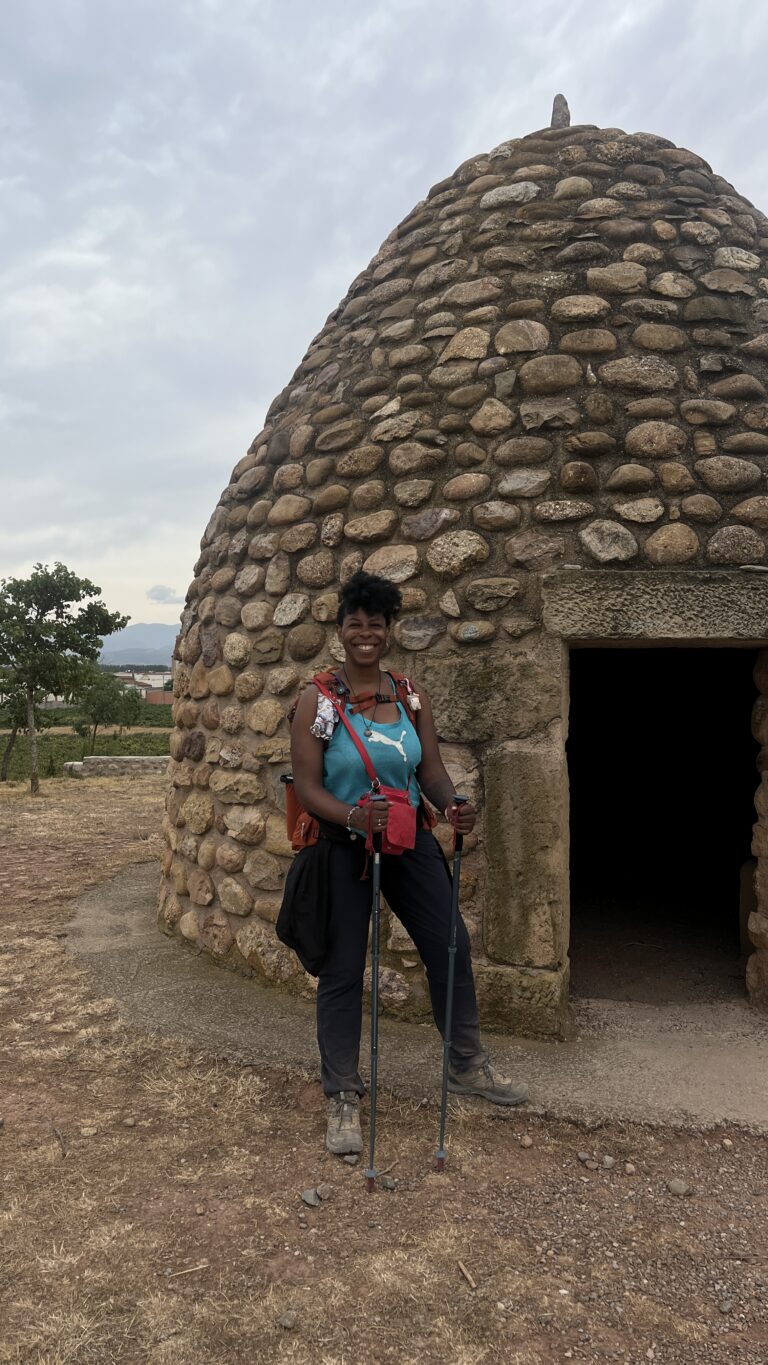
Camino family is one of those phrases I heard before I understood it. At first, it sounded sweet, maybe even a little dramatic. Then I started walking, and suddenly strangers became the people who knew whether I had eaten, slept, cried, or made it to the next town.
That is when I understood. The Camino does not create family in the traditional sense. It creates temporary kinship. Sometimes that is exactly what your spirit needs.
The First People Set the Tone
Katie told me she met some of her early Camino family on day zero in Saint-Jean-Pied-de-Port. Some people stayed woven into her journey for weeks. Others disappeared almost as quickly as they arrived.
That felt true to my experience too. On the Camino, people enter your story without warning. A conversation begins over coffee, a blister, a bunk bed, or a shared fear about the next climb.
Then, one morning, somebody walks faster. Somebody stays behind. Somebody takes a rest day. Just like that, the little family shifts.
You learn not to hold too tightly.
Some People Walk Beside You for a Reason
I did not start the Camino expecting to need people. I am a traveler. I know how to move through the world alone. Still, the Camino showed me that independence and connection do not have to fight each other.
The German woman who walked with me across the Pyrenees helped steady my second day. Katie became part of the larger reflection after the walking ended. Other pilgrims offered laughter, warnings, stories, snacks, and sometimes just the comfort of another human body moving in the same direction.
That is not small.
The Camino Makes Strangers Useful Again
Modern life teaches us to be suspicious of strangers. The Camino softens that. Not foolishly, but gently.
Someone tells you the next café is closed. Someone shows you where to stamp your credential. Someone shares tape, ibuprofen, fruit, or gossip about which albergue has bedbugs. Suddenly, community becomes practical.
If you are planning your own walk, leave space for that. Do not overplan every minute. Use tools like Hostelworld when you need a bed before or after the route, but let the walking days breathe when you can.
Not Everyone Is Meant to Stay
One of the tender lessons of the Camino is that connection does not need permanence to be real. Some people walk with you for one afternoon and still give you something you needed.
Maybe they remind you to drink water. Maybe they tell you a story that shifts your thinking. Maybe they laugh with you when your body is tired and your pack feels personal.
Then they are gone.
That does not make the connection less meaningful. It makes it Camino.
Friendship Without Performance
There is something freeing about meeting people when everyone is dusty, tired, and wearing the same three outfits. The usual performance drops quickly.
Nobody cares that much about your shoes unless they are hurting you. Nobody needs you to be polished. By dinner, people are talking about grief, divorce, career collapse, faith, fear, and dreams with folks they met that morning.
That kind of honesty feels rare.
Why Camino Community Matters
The Camino family is not perfect. People snore. People irritate you. People talk too loudly when you need silence. Still, there is a sweetness in being held by a moving community.
As a woman who has traveled through many places, I know the difference between being surrounded and being seen. On the Camino, I often felt seen in small, ordinary ways.
That is why this article belongs beside Walking the Camino Solo as a Woman, Life After the Camino, and the main Camino de Santiago hub. The community is not a side story. It is part of the pilgrimage.
Helpful Camino Planning Links
- Pilgrim Reception Office in Santiago
- Official Camino de Santiago in Galicia
- GetYourGuide for tours before or after your Camino
- Book Camino travel coaching with me