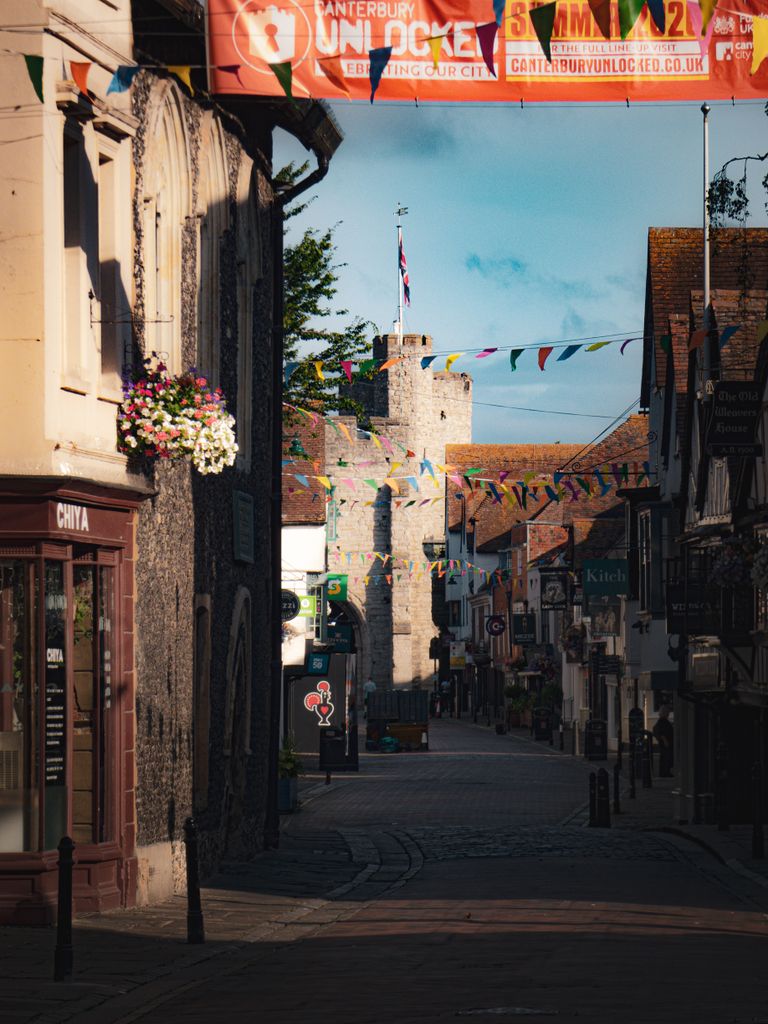
Canterbury Travel Guide
This Canterbury Travel Guide is for travelers who want more than a quick checklist. Canterbury rewards visitors who pay attention to food, neighborhoods, history, public life, and the people who give the city its character.
This article is part of the DG Speaks England Travel Guide, where you can find broader planning advice and future stories from across the country.
Canterbury at a Glance
- Country: England
- Primary language: English
- Currency: Pound sterling
- Main airport: London Gatwick is a practical major airport; Canterbury is best reached by train
- Emergency number: 999 or 112
- Recommended stay: 2 days
Visiting Canterbury
Canterbury is best understood through more than its headline attractions. Spend time in markets, cafés, public spaces, and neighborhoods where daily life unfolds.
Canterbury’s identity is shaped by Roman settlement, medieval pilgrimage, Christianity, literature, and its long relationship with travelers walking toward the cathedral.
Best Time to Visit Canterbury
Late spring through early fall is best for walking and gardens. Summer is busiest, while winter is quieter and atmospheric.
How Many Days Do You Need in Canterbury?
I would plan approximately 2 days for a first visit. That gives you enough time to see major sites while still exploring food, neighborhoods, and local culture.
Suggested Canterbury Itinerary
- Visit Canterbury Cathedral, walk the medieval streets, and spend time in Westgate Gardens.
- Explore the Roman Museum, local bookshops, and one or two lesser-known historic sites before a long lunch.
Neighborhoods and Areas to Explore
Cathedral Quarter
Best for first-time visitors focused on historic attractions.
St. Dunstan’s
A calmer area with local cafés and easy access to the center.
Westgate
Good for gardens, river walks, and a less crowded atmosphere.
Top Things to Do in Canterbury
- Canterbury Cathedral
- Westgate Gardens
- Roman Museum
- historic walking routes
- local bookshops and cafés
Treat these experiences as a starting point rather than a required checklist. The best city trips usually combine one major attraction with enough time to wander.
What to Eat in Canterbury
Look for Kentish produce, local cider, traditional pub food, afternoon tea, and seasonal market dishes. Whenever possible, eat at independent restaurants, bakeries, cafés, markets, and producer-connected businesses.
Food is also a way to understand migration, labor, class, agriculture, and the relationship between a city and the regions that supply it.
Culture and History in Canterbury
Canterbury’s identity is shaped by Roman settlement, medieval pilgrimage, Christianity, literature, and its long relationship with travelers walking toward the cathedral.
Museums provide useful context, but public art, neighborhood architecture, markets, memorials, and conversations with residents can reveal just as much.
Getting Around Canterbury
The center is easy to explore on foot. Trains connect Canterbury with London and other Kent destinations.
Before arrival, save your accommodation address, download an offline map, and confirm how local fares or tickets work.
Money, Payments, and Tipping
The local currency is the Pound sterling. Carry more than one payment method and keep smaller notes or coins for markets, taxis, tips, and independent businesses.
Tipping practices differ by country and business type. Check whether service is already included before adding more.
Traveling in Canterbury as a Solo Woman
The city is generally comfortable for solo women, particularly during the day. Take care around quiet lanes, riverside paths, and late-night nightlife areas.
Choose accommodations with strong recent reviews, research the neighborhood rather than only the property, and confirm late-night transportation before going out.
Traveling in Canterbury as a Black Traveler
Canterbury is a university and tourism city, which creates some diversity, but it is still smaller and less cosmopolitan than London. Black travelers may occasionally feel more visible.
Responsible Travel in Canterbury
- Support locally owned restaurants, hotels, guides, and shops.
- Respect residential neighborhoods and shared public spaces.
- Ask before photographing people.
- Choose experiences that pay local guides fairly.
- Avoid treating culture as a costume or performance.
- Stay longer and travel more slowly when possible.
What to Pack for Canterbury
Bring comfortable shoes, rain protection, and layers for changing English weather.
Best Day Trips from Canterbury
Possible day trips include Whitstable, Dover, Sandwich, and Leeds Castle. Choose based on travel time, season, and whether the destination deserves an overnight stay.
Plan Your Canterbury Travel Experience
You can browse walking tours, food experiences, museum tickets, day trips, and cultural activities through GetYourGuide.
Budget and solo travelers can compare accommodations through Hostelworld.
For travel medical coverage, compare plans through SafetyWing.
Travelers who need help reviewing visa requirements can explore options through iVisa.
You can also browse my curated travel essentials through the DG Speaks Amazon shop.
Frequently Asked Questions About Canterbury
How many days do I need in Canterbury?
Plan approximately 2 days for a first visit. Add more time if you want neighborhood exploration or regional day trips.
What is the best way to get around Canterbury?
The center is easy to explore on foot. Trains connect Canterbury with London and other Kent destinations.
What should I eat in Canterbury?
Start with Kentish produce, local cider, traditional pub food, afternoon tea, and seasonal market dishes, then ask local residents what they recommend.
Is Canterbury suitable for solo travel?
It can be, but neighborhood research, reliable transportation, and situational awareness remain important.
Final Thoughts on Visiting Canterbury
Canterbury is best experienced as more than a collection of landmarks. Pay attention to the food, neighborhoods, public spaces, histories, and people who give the city its character.
Choose fewer activities. Walk a little farther. Sit down for a meal. Ask better questions. Those decisions often turn an ordinary city break into a story worth keeping.