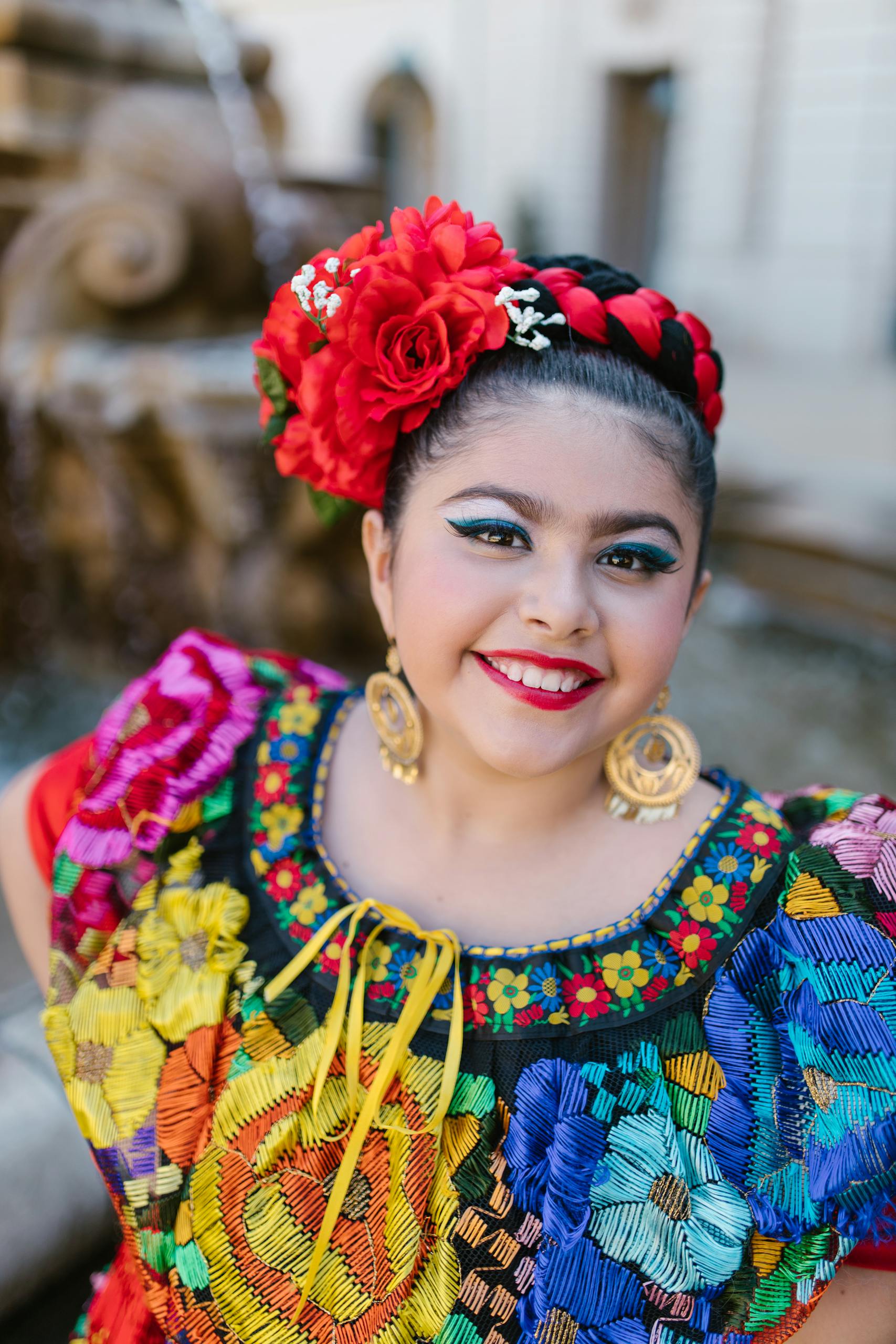
More Than Margaritas: What Cinco de Mayo Really Means When It’s Part of Who You Are
Every year on May 5th, the same thing happens. Restaurants hang papel picado in their windows. Grocery stores run specials on tequila and guacamole ingredients. Social media fills up with sombreros and frozen drinks and people who may not be able to locate Puebla on a map but are very committed to celebrating it from a barstool.
And every year, I have the same complicated feeling about it.
I say complicated because nothing about identity is simple. As a Black and Latina woman, Cinco de Mayo is not an abstract cultural event for me. It is personal. It sits at the intersection of pride and frustration and love and the constant negotiation that comes with being a person whose heritage gets flattened into a holiday by a country that means well but sometimes only goes skin deep.
So let me go a little deeper today. Because Cinco de Mayo deserves it. And frankly, so do we.
What the Day Actually Commemorates
Let us start with the basics, because they matter more than most people realize. Cinco de Mayo is not Mexican Independence Day. That is September 16th. What May 5th actually marks is the Battle of Puebla in 1862, when Mexican forces under General Ignacio Zaragoza defeated the French army, which was considered one of the most powerful military forces in the world at the time. It was an improbable victory. A smaller, under-resourced army standing its ground against an empire that expected no resistance.
That is actually a remarkable story. A story about resilience. About refusing to accept the terms that a more powerful force has set for you. About showing up and winning when nobody believed you could.
The irony is that this story gets almost entirely lost in the American celebration of the day. And that loss is not accidental. It is what happens when a culture gets filtered through the lens of commerce and convenience. You keep the party. You lose the point.
Growing Up Between Two Worlds
I have spent a lot of my life in the space between cultures. Not fully claimed by one, never entirely let go of by the other. That is a particular kind of navigation that many of us know well. You learn to code-switch before you have a word for it. You figure out early that some rooms want a version of you that is easier to digest.
What I love about Cinco de Mayo, when I choose to love it, is that it gives me an excuse to bring the full version to the table. To talk about my family’s food, our music, our way of gathering and celebrating and mourning and laughing all in the same afternoon. To make my grandmother’s rice without apologizing for the way it smells. To play music too loud and eat too much and be unambiguously, unapologetically of my culture.
That is the version of May 5th I choose to celebrate. Not the performance of Latino culture for an outside audience. The real thing, for us, because we love it and it is ours.
Food as the Truest Expression of Culture
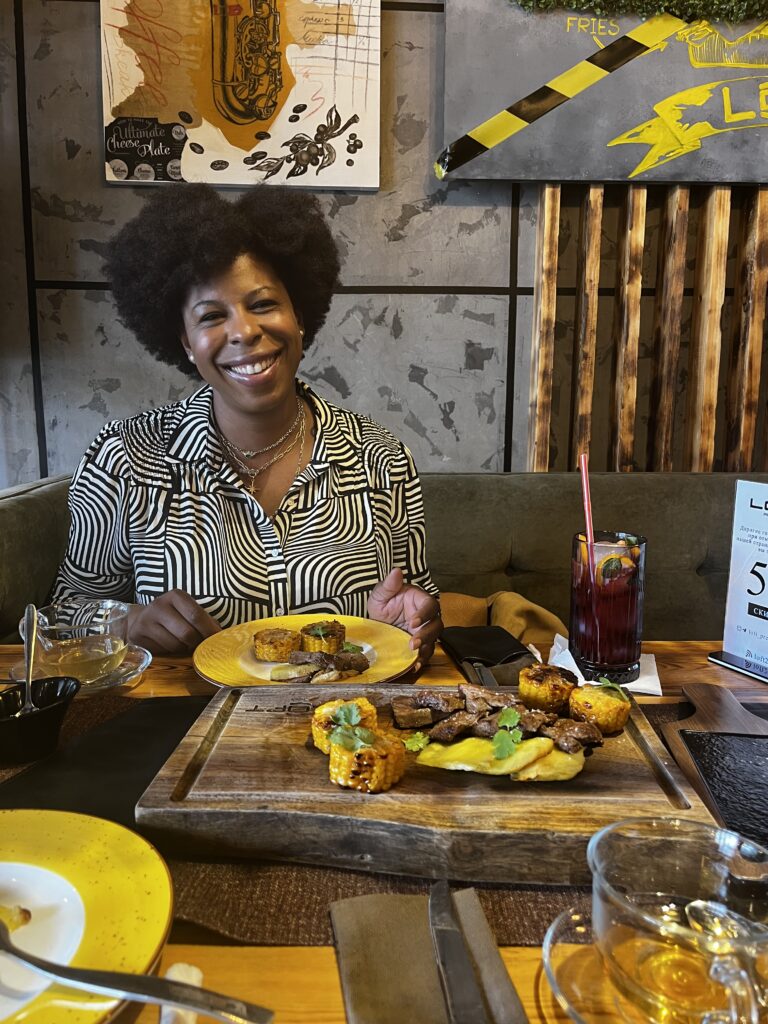
If you want to understand any culture, start with its food. Not the exported, adapted, made-for-broad-appeal version. The food that lives inside families. The dishes that take all day and are only made for special occasions. The recipes that exist in someone’s muscle memory because they were never written down.
In my experience, the food that shows up on Cinco de Mayo in most American celebrations is a starting point, not a destination. Tacos are wonderful. Guacamole is wonderful. But Mexican and Latino cuisine is one of the most complex, regional, storied food traditions in the world. Mole alone could take a lifetime to study. The corn traditions of Oaxaca. The coastal seafood of Veracruz. The street food culture of Mexico City that rivals anything I have eaten anywhere in the world.
When I travel, food is always my first language. And every time I have eaten in Mexico or in Latin American communities with deep culinary traditions, I have come home with a renewed sense of just how much richness there is to explore. Cinco de Mayo, at its best, is an invitation to go further than the chip basket.
How I Spend the Day
My Cinco de Mayo usually involves cooking something that takes longer than it should and is absolutely worth it. It involves music. It involves calling someone I love who shares this part of my heritage and talking about nothing in particular for longer than we planned.
Sometimes it involves explaining to people what the day actually commemorates. Not with impatience, but with the kind of enthusiasm that comes from genuinely loving the story. Because it is a good story. Underdog wins. Resilience beats power. A people refuses to be defined by someone else’s expectations of what they are capable of.
I can relate to that story in more ways than one.
An Invitation to Go Deeper
If you are celebrating Cinco de Mayo this year and you are not Latino, that is genuinely fine. The best version of cultural celebration is one that leads somewhere. It does not stay at the surface. It asks questions. It reads something. It tries to cook the actual dish from someone who knows how to make it. It supports Latino-owned restaurants and businesses not just on May 5th but on a random Tuesday in October.
And if you are Latino, or Black, or both, or navigating your own version of a hyphenated identity – I see you in this day. Take what is yours from it. Leave what does not serve you. And remember that your culture is not a costume or a cocktail special. It is a living, breathing, deeply complex inheritance.
That is worth celebrating. Today and every day.
How do you celebrate Cinco de Mayo? Tell me about the dish, the tradition, or the memory that makes this day meaningful for you.