La Llorona Gives Sundance Audiences a Chilling View into The Mayan Genocide in Guatemala
I’ll admit that I went into La Llorona with a completely different expectation of what I was about to watch. Like many people, I had seen the American horror film The Curse of La Llorona the year before, so I assumed this would be another dark and dramatic retelling of the familiar folklore. I was expecting jump scares, eerie supernatural moments, and a more traditional horror storyline.
What I got instead was something much deeper.
This version of La Llorona is not simply a horror film. It’s a brilliant and deeply unsettling political commentary wrapped in suspense, folklore, and history. I was genuinely blown away by how masterfully this story was woven together.
More Than a Traditional Horror Film
Traditionally, La Llorona is one of the most famous legends in Latin American folklore, especially in Mexican culture. She is “The Weeping Woman,” a mother condemned by the horrific act of drowning her own children in a fit of jealousy and rage after discovering her husband’s betrayal.
Overcome with guilt, she takes her own life and is denied peace in the afterlife until she finds the souls of her children. Her spirit is said to wander, crying and searching, sometimes stealing children along the way.
It’s a story many of us grew up hearing in one form or another, and like so many old tales, it has often been used as a warning to children and, quite frankly, as a way to police women’s behavior.
This film takes that legend and transforms it into something much more powerful.
La Llorona and Guatemala’s Hidden History
What stood out to me most was the way the film uses folklore as a vehicle to tell the story of Guatemala’s very real and horrifying history.
I have to be honest here: Guatemala is not a country I know deeply, and before seeing this film, I knew very little about the genocide that occurred during the government’s anti-insurgency efforts. That realization alone made this film impactful for me because I’m always fascinated by the way cinema can educate us while it entertains us.
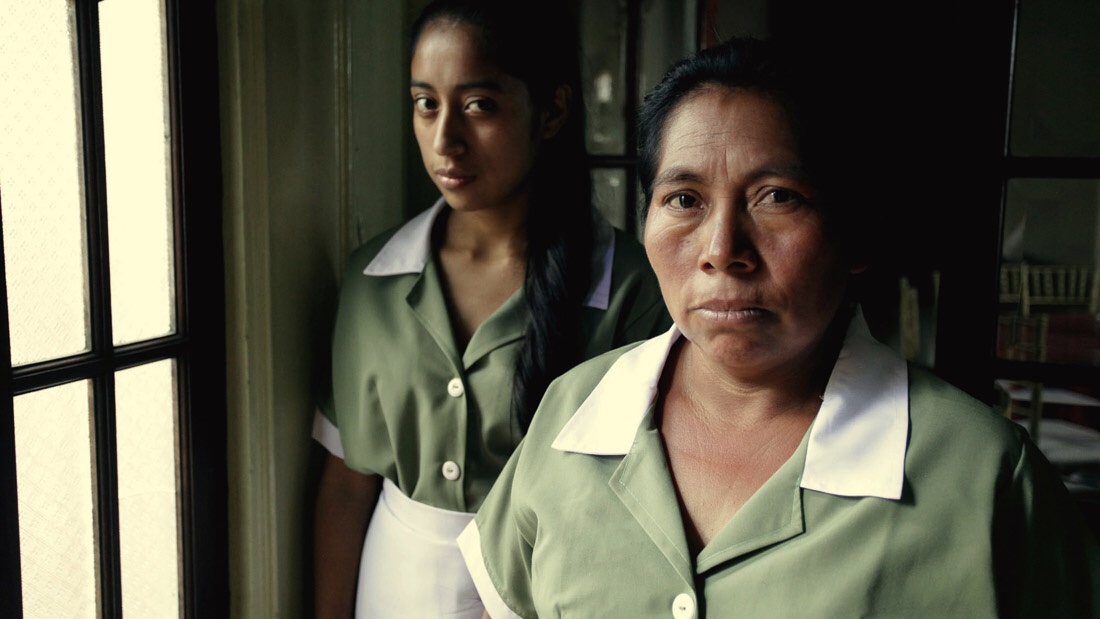
From the very first scenes, you’re confronted with the obvious racial and class divide within this household. The Indigenous staff are treated with such disdain by the white matriarch that you instantly know there’s a deeper story there.
There’s an immediate tension in the air that pulls you in and makes you want to understand the source of all this bitterness.
A Story of Justice, Trauma, and Power
When you learn that the patriarch of the family is a former general on trial for genocide and crimes against humanity, everything starts to come into focus.
He begins hearing the cries of a woman in the night, and his family assumes he is cracking under the pressure of the trial. But the staff, particularly the Indigenous women in the home, seem to understand that there are forces at work here that go beyond the physical and beyond what can be explained away.
That’s where the film becomes both eerie and emotionally powerful.
It forces you to think about justice, memory, and the weight of generational trauma. It makes you ask how entire nations heal when truth is denied or erased.
Beautifully Shot and Emotionally Haunting
I was especially struck by how beautifully this film was shot.
It’s visually stunning in a quiet, haunting way. Much of the story is told through shadows, reflections, and muted tones that create an ominous atmosphere without relying on over-the-top horror tricks.
Even the flashbacks are handled in such a unique way. Rather than traditional cutaways, the film uses spiritual possession as a storytelling device.
When the general’s wife falls asleep and begins reliving the horrors inflicted by her husband, you’re transported into the past without ever fully leaving the present. It was such a creative and effective way to tell the story.
Why You Should Watch La Llorona
I really don’t want to give too much away because this is one of those films that deserves to unfold for you in real time.
It is a painful watch in many ways because of the subject matter, and there are moments that will make you deeply uncomfortable. But it is also an important watch.
This film manages to weave together Guatemala’s armed conflict, the genocide of the Maya people, misogyny, classism, religion, mysticism, and magical realism in a way that feels intelligent rather than heavy-handed.
I walked away from La Llorona feeling like I had not only seen a beautifully made film, but that I had learned something important about a history I should have known more about.
To me, that’s what great cinema does.
It entertains, yes, but it also stretches you, educates you, and sometimes haunts you.
This film absolutely did all three