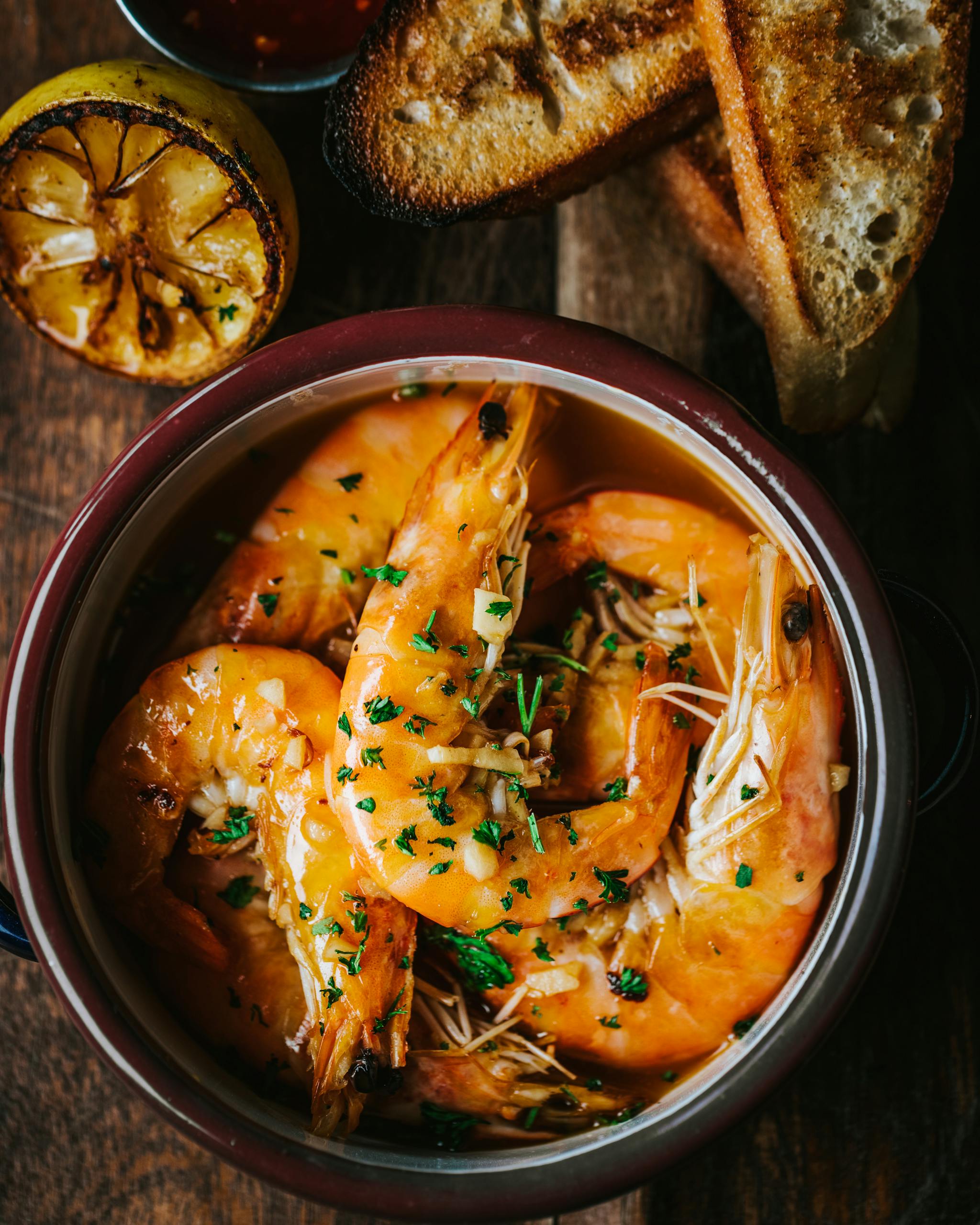
Everything I Know About Shrimp, I Learned at the Water’s Edge
May 10th is National Shrimp Day, and I feel genuinely called to celebrate this one. Not because shrimp needs defending. It does not. Shrimp are universally beloved and has been since long before the iconic Bubba Gump monologue made its full range of possibilities a cultural touchstone. I want to celebrate it because shrimp has shown up at some of the most memorable tables of my life. And any food that has earned that kind of real estate in my memory deserves a proper moment.
So let us talk about shrimp. The travel version, the home kitchen version, and all the beautiful stops in between.
Why Shrimp Is a Traveler’s Best Friend
If you want to understand a coastal destination, eat the shrimp. I mean that seriously. Shrimp is one of those ingredients that changes so dramatically based on where it comes from and who is cooking it that it almost becomes a different food entirely depending on where you are sitting.
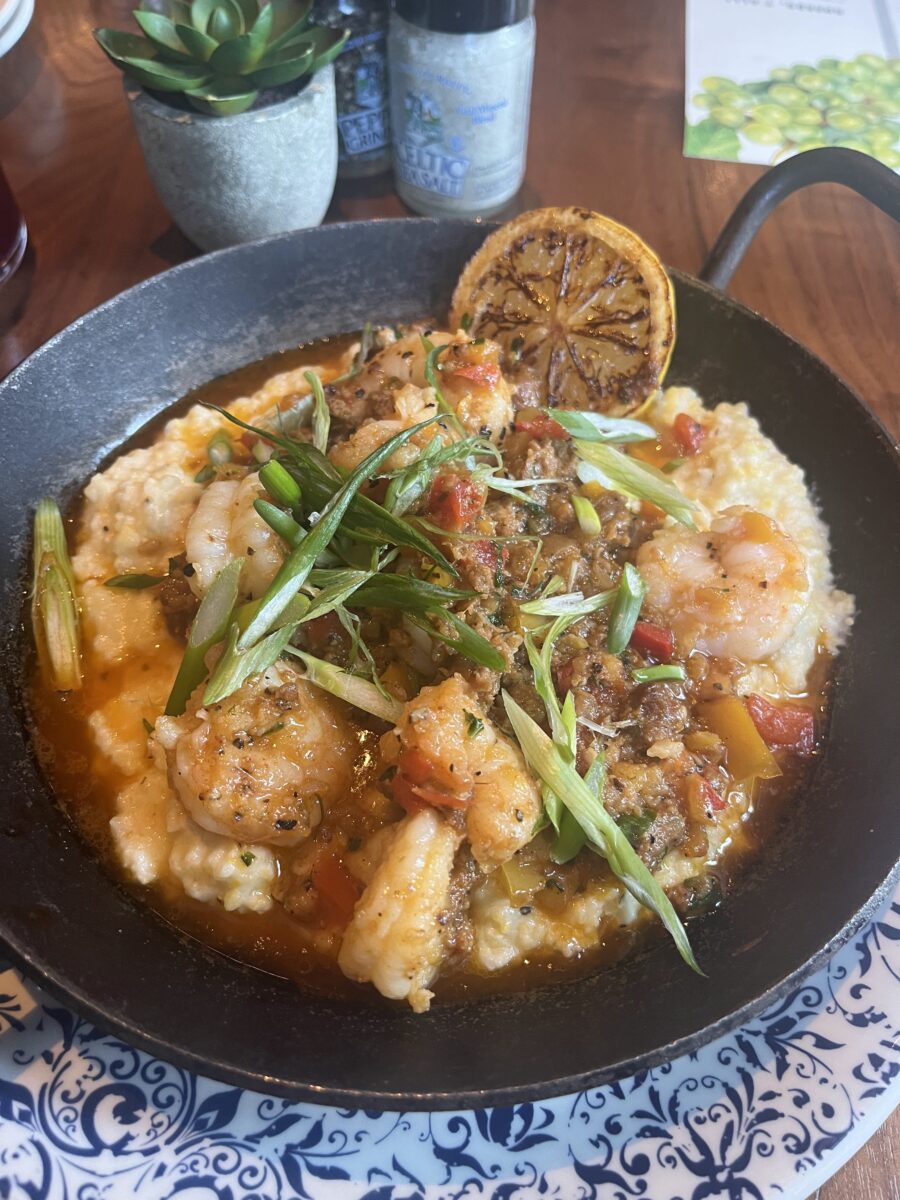
I have had shrimp in New Orleans so fat and sweet they barely needed seasoning, just butter and heat and something cold to drink alongside them. I have had shrimp in coastal Mexico prepared in a bright citrus marinade with chiles, served in a paper cup at a beachside stand with sand still on my feet. I have had them in Charleston, South Carolina, in a shrimp and grits so creamy and deeply flavored it made me close my eyes involuntarily. I have had them in Lisbon, simply grilled with olive oil and sea salt, so fresh they tasted like the ocean had decided to be generous that day.
Every one of those experiences lives in me differently. But they are all connected by the same thread: the best shrimp I have ever eaten was always somewhere close to water, cooked by someone who understood that respecting the ingredient is the most important thing a cook can do.
The Coastal Food Memory That Started It All
I grew up understanding that food told you where you were from. The flavors in our kitchen were a geographic and cultural map. And shrimp was part of that map early. I remember the smell of shrimp cooking on a weekend morning, which sounds unusual unless you grew up in a household where the rules of breakfast were flexible and whatever was fresh and available was fair game.
Those early food memories are the ones that stay clearest. Not because the food was always technically perfect, but because it was made with intention and love and served to people who were present at the table. That combination does something to a meal that no Michelin star can replicate.
I have been chasing that feeling across coastlines ever since.
The Great American Shrimp Divide
Here is something worth noting on National Shrimp Day: not all shrimp is created equal, and the conversation about where our shrimp comes from is actually an important one. The United States is one of the world’s largest consumers of shrimp, but the vast majority of what we eat is imported, often from farms with questionable environmental and labor practices.
Meanwhile, domestic wild-caught shrimp, particularly from the Gulf of Mexico and the Southeast Atlantic coast, is some of the best in the world and is also in an ongoing fight for its own survival. The small shrimp boat captains and fishing families along the Gulf Coast have been squeezed for decades by cheaper imports and changing market conditions. Supporting them, when you can, is both a culinary and a community act.
I am not here to make anyone feel guilty about a bag of frozen shrimp from the grocery store. I have a bag in my freezer right now. But on a day that celebrates this particular food, it feels right to acknowledge the people and the ecosystems behind it.
How I Cook Shrimp at Home
Quickly and with confidence. That is the honest answer. Shrimp is one of the most forgiving and fast-cooking proteins available, which makes it a weeknight staple in my kitchen. The only real mistake you can make is overcooking it, and if you pay attention to the color, that is easy to avoid.
My go-to is a garlic butter situation that takes about ten minutes from pan to plate. Sometimes I add white wine. Sometimes I add tomatoes and serve it over pasta. Sometimes I cook them with a spice blend that leans into my Afro-Latina heritage and eat them with rice and black beans and a cold beer.
The beautiful thing about shrimp is that it is genuinely open to influence. It takes on flavor readily without losing itself. There is a lesson in that, actually. The most versatile things are often the most beloved.
Happy National Shrimp Day
Wherever you are today, I hope you find a reason to eat shrimp. Simply prepared or elaborately sauced. From a fancy restaurant or your own stovetop. Near water or far from it. With people you love or alone with something good to read.
And if you happen to be near a coast – any coast – do yourself the favor of eating them as fresh as possible, from as close to the water as you can get. That experience will stay with you. I promise.
Where is the best shrimp you have ever eaten? Tell me everything. I want the location, the preparation, and the whole scene.