New York City Travel Guide
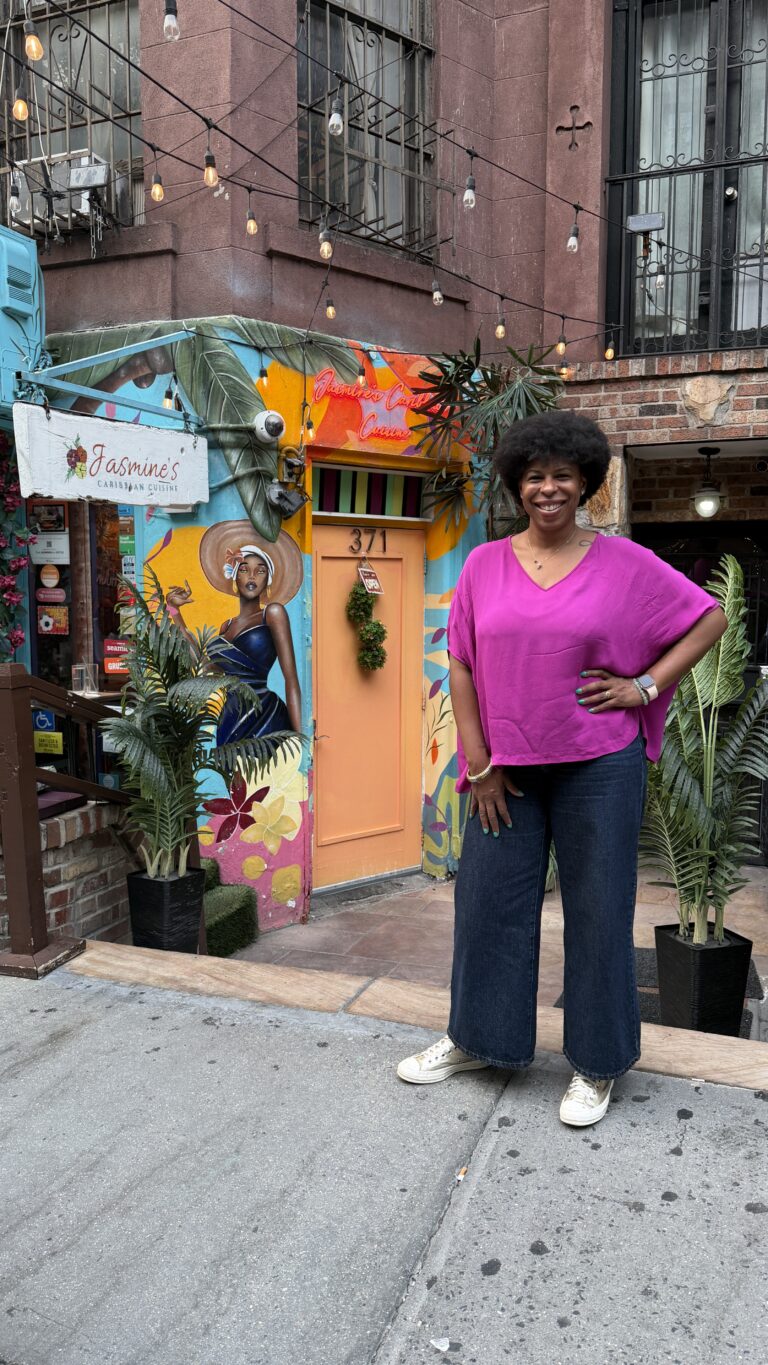
New York City is one of those places I never experience the same way twice. I can return for film, food, family, art, or simply to walk, and the city rearranges itself around the purpose of the trip. It is exhilarating, exhausting, expensive, culturally dense, and impossible to reduce to Manhattan.
My best advice is to stop treating New York like a checklist. Pick a few neighborhoods, leave time to wander, and let the city reveal itself through subway rides, storefronts, conversations, and meals.
This article is part of the United States Travel Guide and the New York Travel Guide.
My Perspective on New York City
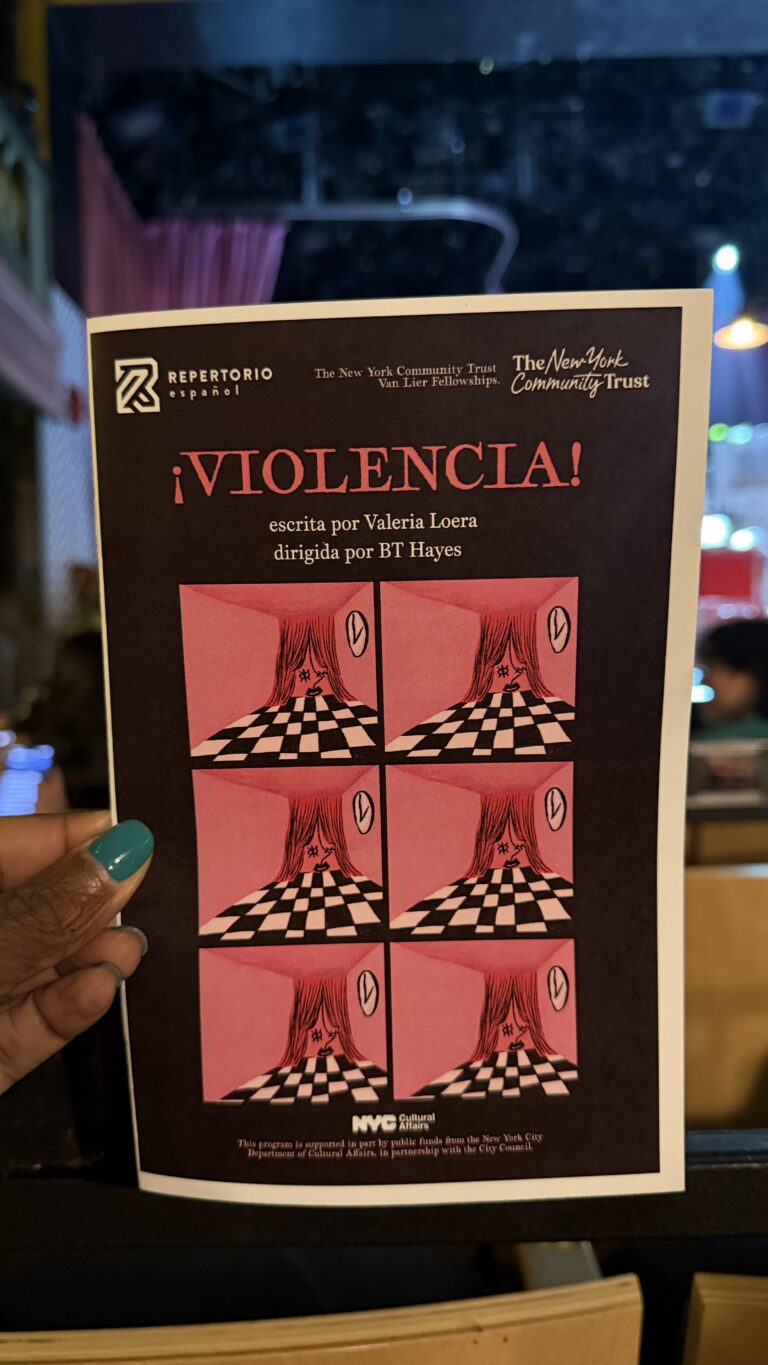
What keeps me returning is the freedom to build a completely different city each time. One trip can revolve around Broadway and museums; another can be about Black bookstores, independent film, or eating my way through Queens.
Neighborhoods and Areas to Explore in New York City
Harlem
Black history, music, churches, restaurants, architecture, and cultural institutions make Harlem essential rather than optional.
Lower Manhattan
The Financial District, Chinatown, the Lower East Side, and Tribeca compress migration, wealth, memory, and reinvention into a walkable area.
Brooklyn
Brooklyn is not one experience. Bedford-Stuyvesant, Crown Heights, Williamsburg, DUMBO, and Prospect Heights each tell a different story.
Queens
For food and everyday global culture, Queens is one of the strongest destinations in the country.
The Bronx
Hip-hop history, botanical gardens, baseball, Latin American culture, and strong neighborhood identity define the borough.
What to Eat in New York City
New York rewards curiosity more than loyalty to famous names. I look for neighborhood bakeries, Caribbean food, Jewish delis, Dominican restaurants, dumplings, bagels, pizza, West African kitchens, and the kind of small places where the menu reflects who actually lives nearby.
Traveling in New York City as a Solo Woman
Solo women can move around the city easily, but late-night subway platforms, empty streets, and accommodation location still matter. I prefer staying near reliable transit rather than choosing a cheaper room far from where I plan to spend time.
Traveling in New York City as a Black Traveler
For Black travelers, New York offers extraordinary cultural depth, but Black neighborhoods should not be treated as themed attractions. Spend money locally, learn the history, and engage the city as a living place.
Getting Around New York City
The subway is the backbone of the trip. Walking is essential, and buses are useful when the subway map does not match the geography of your day.
How I Would Structure a First Visit
I would give New York City at least three full days. The first day should establish the city’s geography and major institutions, the second should focus on neighborhoods and food, and the third should go deeper into the history or cultural themes that matter most to you.
Related U.S. City Guides
Responsible Travel in New York City
- Spend money in locally owned restaurants, shops, and cultural institutions.
- Respect residential neighborhoods and avoid treating communities as scenery.
- Learn the Black, Indigenous, immigrant, and labor history behind major attractions.
- Use public transportation where practical.
- Choose neighborhood-based experiences over generic tourism whenever possible.
Plan Your New York City Trip
Browse tours, museum tickets, food experiences, and day trips through GetYourGuide.
Compare hostels and budget accommodations through Hostelworld.
Compare travel medical coverage through SafetyWing.
International visitors can review visa-support options through iVisa.
Browse my curated travel essentials through the DG Speaks Amazon shop.
Final Thoughts on New York City
New York City deserves to be experienced as a living city rather than a collection of famous attractions. The most memorable trips come from pairing the headline sites with neighborhood life, food, history, and enough time to notice what makes the city distinct.