Travel Writing Should Tell The Whole Story
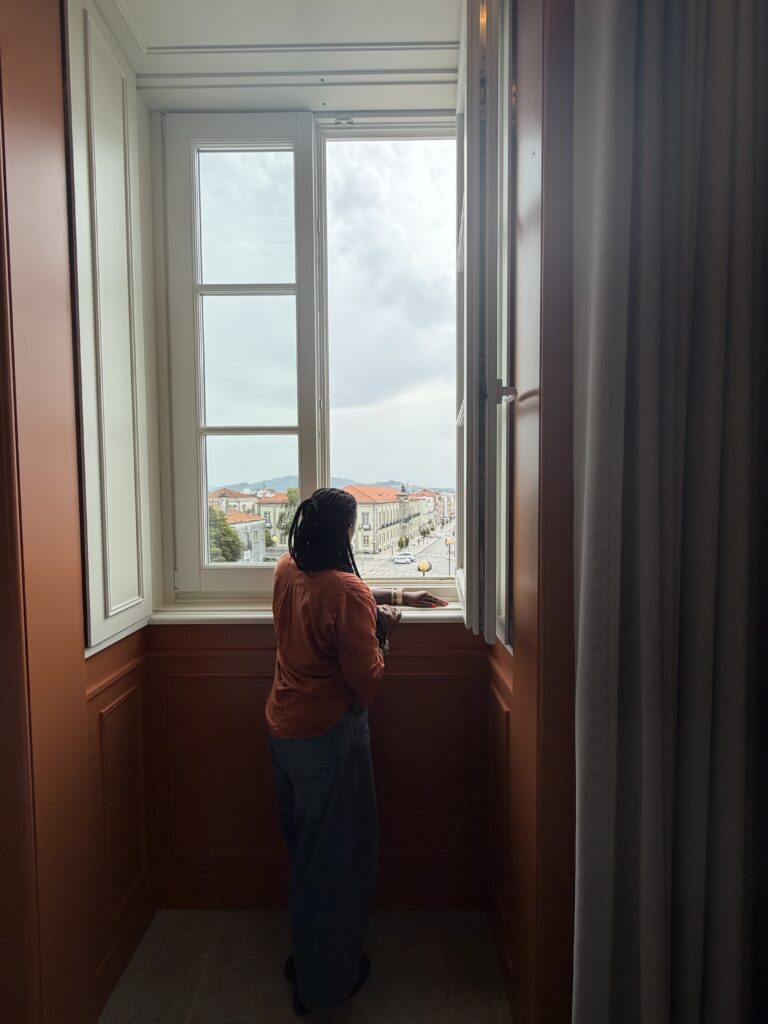
Travel writing should tell the whole story because places are more than beautiful views, luxury hotels, popular restaurants, and lists of things to do. Every destination has people, history, struggles, traditions, and dreams that deserve to be seen too.
I love travel writing that makes me want to pack a bag. Still, I want more than an itinerary. I want a sense of place. I want context. I want conversations. I want flavors, textures, history, and the kind of honesty that stays with me long after I return home.
The trips I remember most are rarely defined by famous landmarks alone. Instead, they are shaped by the people I met, the stories I heard, and the moments that reminded me I was stepping into someone else’s everyday life.
Travel Writing Needs More Depth
Too much travel writing turns destinations into products. It highlights beaches, brunches, rooftop bars, luxury hotels, and photo-worthy viewpoints. Those recommendations can certainly be useful, but they are only part of the picture.
Travel writing should tell the whole story. Every destination has residents who call it home. It has workers who keep tourism running, artists who preserve traditions, families who shape neighborhoods, and histories that deserve more than a passing sentence.
That is why I continue connecting travel with culture, food, history, and community throughout DG Speaks. I want readers to discover beautiful places while also understanding what gives those places their heart.
The Best Travel Stories Begin With People
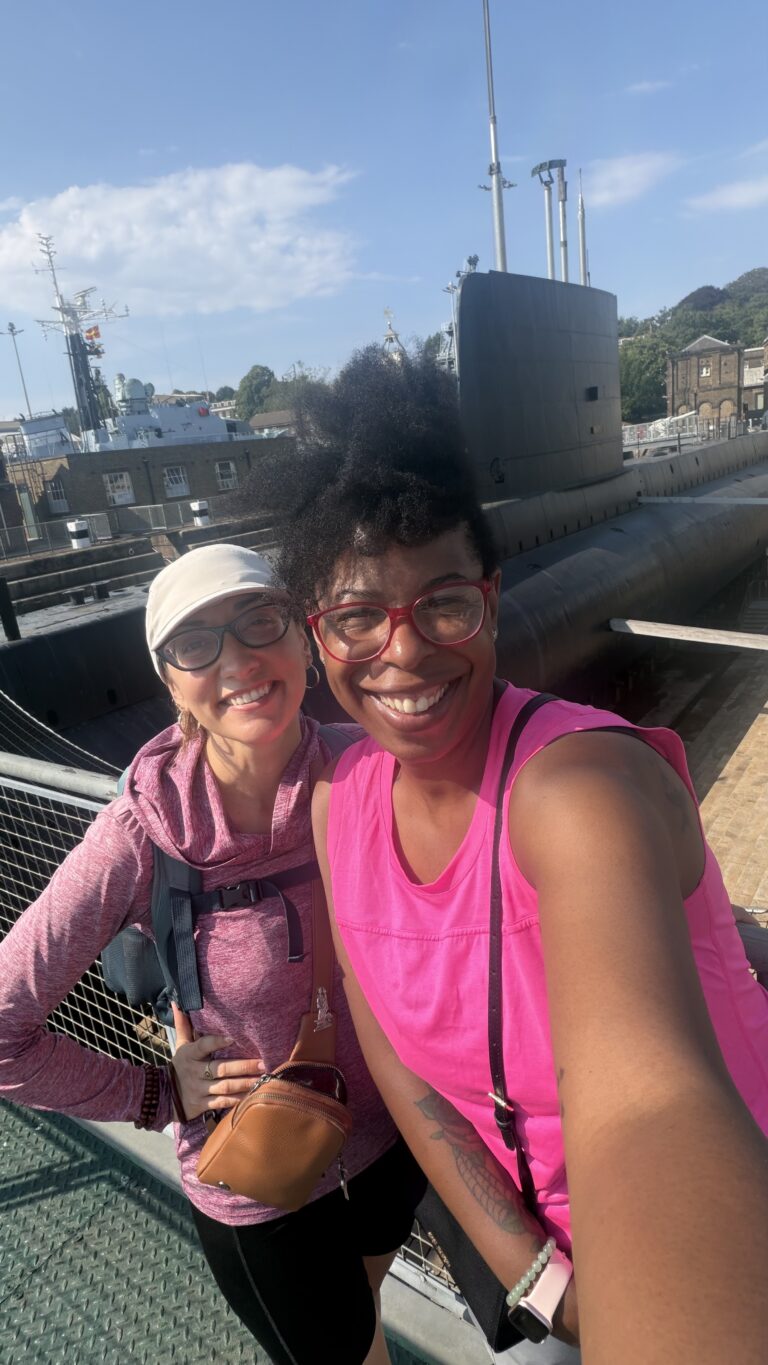
The people I meet are almost always what I remember most. A guide sharing family history. A restaurant owner explaining a traditional recipe. A vendor recognizing me the next day. A stranger offering directions when I am completely lost.
Those encounters transform travel from consumption into connection. They remind me that culture is not a performance created for visitors. It is the everyday life of the people generous enough to welcome us into their communities.
I also admire the work of National Geographic Travel, which often combines beautiful photography with meaningful historical and cultural context. Great travel journalism proves that inspiration and substance can exist together.
Beauty and Responsibility Belong Together
Honest travel writing does not have to be negative to be thoughtful. We can celebrate incredible destinations while still asking better questions. We can recommend wonderful hotels while recognizing the people whose work creates those experiences. We can enjoy remarkable meals while respecting the traditions behind them.
That philosophy connects naturally with my thoughts on cultural travel. Humility makes every journey richer because it reminds us that we are guests. The destination is never simply a backdrop for our vacation.
The Stories Worth Bringing Home
Travel writing should tell the whole story because the best journeys change us. They leave us with more than photographs and restaurant recommendations. They leave us with deeper respect for people whose lives may look different from our own and a greater appreciation for the complexity of every place we visit.
I hope my travel stories inspire people to explore the world. Even more, I hope they encourage travelers to arrive with curiosity, humility, and the understanding that every destination has a story that began long before we arrived and will continue long after we leave.