
Low Magnesium Symptoms: Causes, Effects, and Solutions
I’ve become a lot more intentional about listening to my body as I’ve gotten older.
When I feel unusually tired, when my muscles cramp for no reason, or when my sleep feels off, I’ve learned not to brush it aside. Sometimes the issue is stress. Sometimes it’s hormones. And sometimes, it’s something as simple, and as overlooked, as magnesium.
The truth is, low magnesium symptoms are more common than many people realize.
Magnesium may not get the same attention as calcium or potassium, but this mighty mineral plays a major role in keeping our bodies balanced, energized, and functioning well.
So let’s talk about why so many of us are deficient, what low magnesium symptoms look like, and how to fix it.
What Causes Low Magnesium Symptoms?
There are several reasons magnesium deficiency has become so common.
1. Modern Diets Are Missing Magnesium
Many people eat diets filled with processed foods and refined grains.
Unfortunately, these foods are stripped of nutrients.
Magnesium-rich foods like leafy greens, nuts, seeds, avocados, and whole grains often don’t make it onto the plate enough.
2. Soil Depletion Is Real
Even if you eat healthy, your food may not contain the same nutrient levels it once did.
Years of intensive farming have depleted magnesium in the soil, which means crops may provide less magnesium than in past generations.
3. Stress Drains Magnesium
Stress affects everything.
Chronic stress can deplete magnesium stores quickly. Add alcohol, poor sleep, and certain medications, and your body can struggle to keep up.
Common Low Magnesium Symptoms
Low magnesium symptoms can show up in many ways.
Muscle Cramps and Spasms
Magnesium helps muscles relax.
Without enough of it, you may experience cramps, spasms, or restless legs.
Fatigue and Weakness
If your energy feels low despite rest, magnesium may be part of the problem.
It helps create energy at the cellular level.
Anxiety and Mood Changes
Magnesium supports mood regulation and nervous system health.
Low magnesium symptoms can include anxiety, irritability, brain fog, or even depression.
Heart Palpitations and Blood Pressure Issues
Magnesium helps regulate heart rhythm and blood pressure.
Low levels may increase the risk of palpitations or hypertension.
Poor Bone Health
Magnesium works alongside calcium and vitamin D.
Without enough magnesium, bones can weaken over time.
How to Increase Magnesium Naturally
The good news?
You can often improve low magnesium symptoms naturally.
Eat More Magnesium-Rich Foods
Try adding more of these foods to your meals:
- almonds
- pumpkin seeds
- spinach
- avocado
- black beans
- dark chocolate
- whole grains
Consider Magnesium Supplements
If food isn’t enough, supplements may help.
Popular options include:
- Magnesium glycinate for relaxation and sleep
- Magnesium citrate for digestion
- Magnesium oxide for general support
Always speak with a healthcare professional first.
Try Topical Magnesium
I love a good bath, so this one speaks to me.
Epsom salt baths and magnesium oils may help your body absorb magnesium through the skin while promoting relaxation.
Reduce Stress
Easier said than done, I know.
Still, meditation, yoga, prayer, deep breathing, and better sleep can help preserve magnesium stores.
Should You Test Your Magnesium Levels?
If you suspect low magnesium symptoms, ask your doctor about testing.
Regular monitoring can help you catch deficiencies before they become serious.
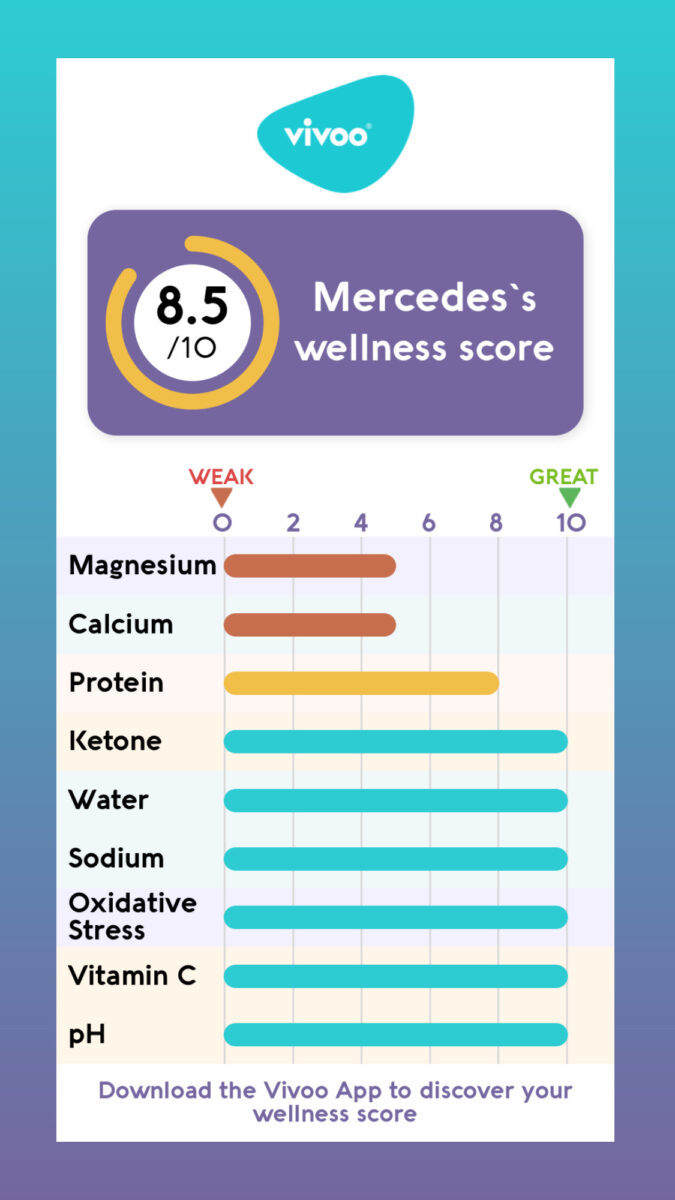
Platforms like Vivoo offer at-home wellness tracking tools to help monitor certain biomarkers.

Magnesium Matters More Than You Think
Magnesium may be humble, but it is mighty.
When your body has enough magnesium, you may sleep better, feel calmer, have more energy, and experience fewer aches and pains.
For me, wellness is about listening to the whispers before they become screams.
And sometimes, those whispers are telling us we need more magnesium.