The Place Was Speaking Before I Arrived
I was sitting in the back seat of a car in a city I did not yet understand when the driver pointed toward a building we were passing. I had noticed its façade, but I had not noticed the people gathered beside it, the construction farther down the road, or the way traffic changed as we entered the neighborhood.
He began explaining what the building had once been, why the surrounding area had changed, and what local residents still called the street even though the official name was different. I had been looking through the window. He was teaching me how to see.
That moment stayed with me because it reminded me that travel is not only about where I go. It is also about whether I arrive prepared to listen.
I am convinced that better travel starts with better listening. Listening while traveling means understanding that a place was speaking before I arrived and will continue speaking after I leave.
The Place Was Already in Conversation
A destination does not begin when I step off a plane or train. Its languages, routines, conflicts, celebrations, and systems were already in motion.
Traffic carries information about work, infrastructure, and who has access to reliable transportation. Markets reveal what is in season, what people can afford, and which foods carry memory. Music, clothing, weather, architecture, and public space all communicate something about how daily life moves.
None of those signals exists for my benefit as a visitor. They belong to people who are living ordinary lives in a place I am temporarily trying to understand.
Listening begins when I stop treating the city as a performance arranged for my arrival.
Language Is More Than Vocabulary
Learning a few words can make travel more respectful and practical. Greetings, gratitude, directions, and basic questions create small points of connection.
Still, listening to language involves more than memorizing phrases. Tone, pace, repetition, formality, and humor carry meaning that a translation app may not capture.
I may understand the literal words while missing the relationship between them. A phrase can sound direct to me because I am interpreting it through my own cultural expectations. Silence may seem uncomfortable even when it is completely normal within the conversation taking place.
Listening requires me to resist deciding too quickly what another person’s communication means. Curiosity is useful, but certainty can arrive much faster than understanding.
People Are Not Background to My Experience
Guides, vendors, drivers, hotel workers, servers, and strangers often become part of a traveler’s story. Too easily, their presence gets reduced to service.
A driver becomes transportation. A vendor becomes a photograph, and a guide becomes a source of facts delivered on schedule.
Each person has knowledge that may be deeper than the role through which I encounter them. That knowledge deserves attention without creating an expectation that anyone must educate me simply because I am visiting.
My approach to respectful curiosity in cultural travel writing grows from that distinction. People are not cultural material waiting to be collected.
Listening means recognizing another person as more than a supporting character in my trip.
A Good Guide Changes the Questions I Ask
The best guides do not simply move a group between landmarks. They explain how a place became what it is and why different people may interpret that history differently.
A thoughtful guide can connect architecture to labor, food to migration, and public monuments to political choices. The experience becomes more useful when local knowledge complicates the simple version I may have arrived expecting.
Guided experiences available through GetYourGuide can provide that context when the guide values history, community, and conversation rather than treating the destination as a collection of photo opportunities.
I want a guide who helps me ask better questions, not one who allows me to leave believing that a few hours made me an expert.
Silence Can Be a Form of Respect
I do not need to fill every pause with my opinion.
That can be difficult in cultures where confidence is associated with speaking quickly and often. Travelers may feel pressure to demonstrate interest by commenting on everything they see.
Silence offers another way to participate. It gives the person speaking enough room to finish a thought, allows unfamiliar information to settle, and prevents me from immediately translating every experience into a comparison with home.
Sometimes the most respectful response is not another story about myself. It is a question, a pause, or simple attention.
Listening Does Not Mean Agreeing With Everything
Cultural humility should not be confused with abandoning judgment.
I can listen carefully while recognizing prejudice, exploitation, misinformation, or harm. Respect for cultural difference does not require silence when another person’s dignity is at stake.
The challenge is to distinguish discomfort from danger and unfamiliarity from injustice. My preferences are not universal standards, but neither is every local practice beyond criticism.
Better listening gives me more context before I decide what I am witnessing. It slows the impulse to condemn what I do not understand while preserving the ability to recognize harm clearly.
A DG Speaks Recommendation
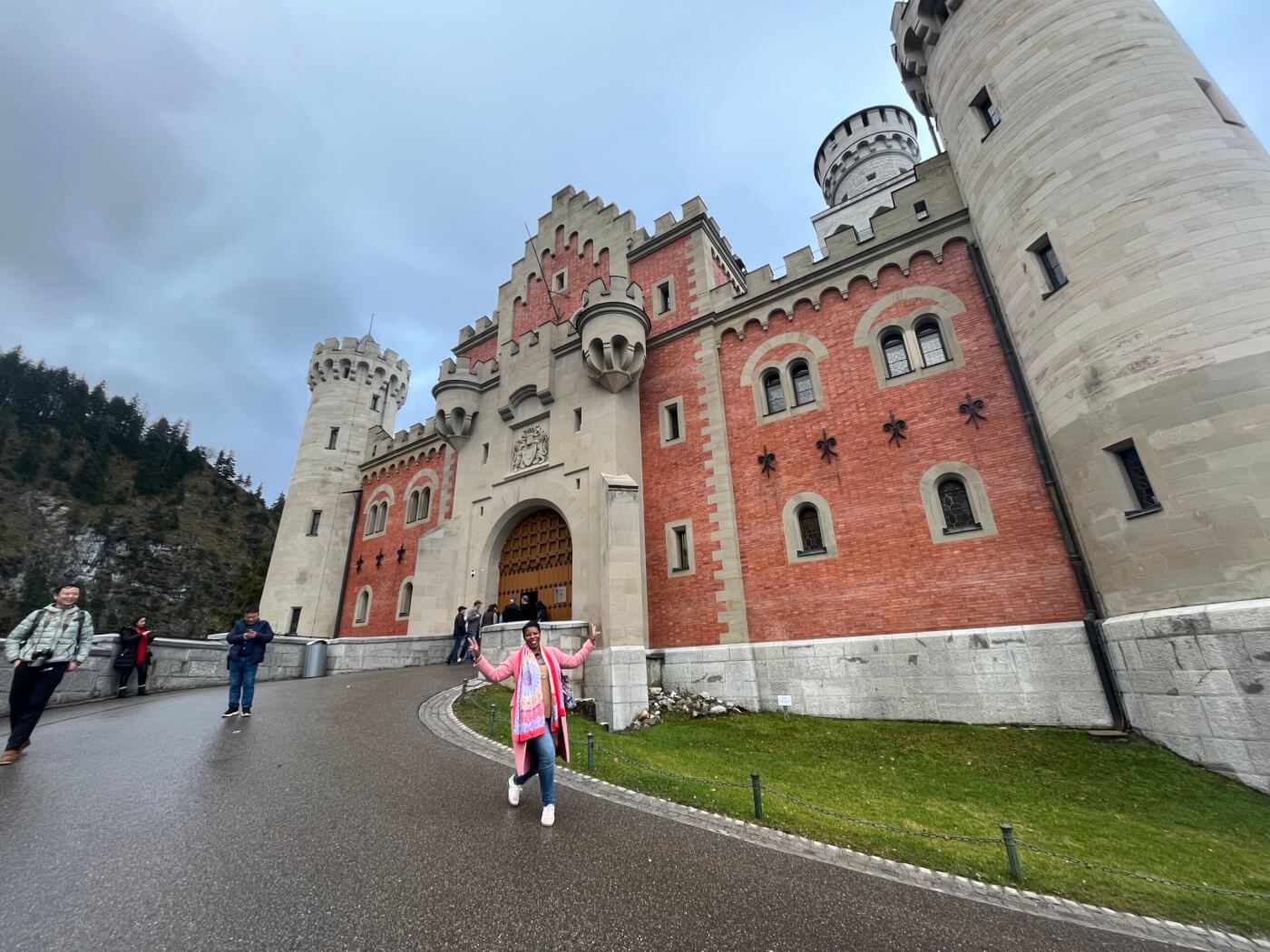
I want more years of traveling with enough energy to remain curious
I partnered with Happy Aging to share products that support vitality, focus, and an active life shaped by discovery.
Community Knowledge Lives Beyond Official Narratives
Official tourism stories tend to be polished. They emphasize beauty, heritage, hospitality, and the version of history most likely to attract visitors.
Residents may carry a more complicated account. They remember which neighborhood changed, who was displaced, where flooding reaches first, or which public service disappeared before visitors noticed anything was wrong.
This is one reason my writing about how community resilience begins before a crisis matters during travel. Local knowledge often reveals how people care for one another when formal systems are unreliable.
A visitor may see a lively market. Residents also know which vendor extends credit, who checks on an older neighbor, and where people find help when circumstances change.
Listening allows the place to remain complex instead of reducing it to the most attractive version of itself.
Preparation Helps Me Become More Present
Listening becomes harder when logistics consume all my attention.
If I am worried about entry requirements, insurance, transportation, or whether I completed the correct paperwork, every conversation competes with the problem I am trying to solve.
Services such as iVisa can help travelers review visa and entry requirements before departure. Travel medical coverage through SafetyWing may also provide support for longer or international journeys.
Preparation cannot eliminate uncertainty. It can reduce enough of the administrative noise that I have more attention available for the place itself.
Presence is easier when I am not trying to solve every preventable problem in real time.
The Antidote Is Curiosity Without Performance
Travel can become a performance of openness. I may feel pressure to prove that I am adventurous, culturally informed, or comfortable in every setting.
That performance makes genuine listening difficult because I am already preparing my response. Instead of hearing the person in front of me, I am deciding how the moment fits the version of myself I want to present.
The antidote is curiosity without performance.
I can admit when I do not understand. Questions can remain simple, and a conversation does not need to produce an insight worthy of publication. Every person I meet does not have to become evidence that the trip transformed me.
Sometimes listening means receiving a small piece of information and allowing it to remain small.
Better Listening Changes the Story I Tell Later
What I hear while traveling shapes what I write after I return.
Without context, a beautiful neighborhood becomes scenery. A market becomes color, and a person becomes an interesting detail placed inside my narrative.
Listening complicates those images. The neighborhood may also be facing displacement. The market may depend on workers whose labor remains invisible, while the person I briefly met has a life that cannot be contained inside my interpretation.
Good travel writing does not require me to know everything. It asks me to remain honest about what I learned, what I inferred, and what remains outside my understanding.
The more carefully I listen, the less likely I am to mistake access for authority.
The Real Trip Begins When I Stop Performing
When I think back to the driver who explained the building and the street around it, I remember how quickly the view from the window changed. The architecture had not moved, but I was no longer looking at it in the same way.
Someone had given me context, and I had been quiet long enough to receive it.
Listening while traveling does not mean waiting passively for a destination to reveal itself. It means arriving prepared to notice, ask, pause, and accept that the place is larger than what I will understand during one visit.
The city was already speaking through its language, food, traffic, music, markets, weather, and daily routines. Guides, vendors, drivers, and strangers may help me hear pieces of that conversation, but nobody owes me a complete explanation.
My responsibility is to listen without turning every voice into content or every encounter into proof of my own growth.
When I stop performing curiosity and begin practicing it, I hear more.
That is where the real trip begins.
Continue exploring reflections on cultural humility, thoughtful travel, and the responsibilities that come with entering other people’s places through DG Speaks Travel.