A Bookstore Tells Me What a City Wants to Remember
I almost always make time for a bookstore when I travel.
Museums give me official histories. Monuments show what a city has chosen to place in public. Restaurants reveal taste, migration, labor, and daily rhythm.
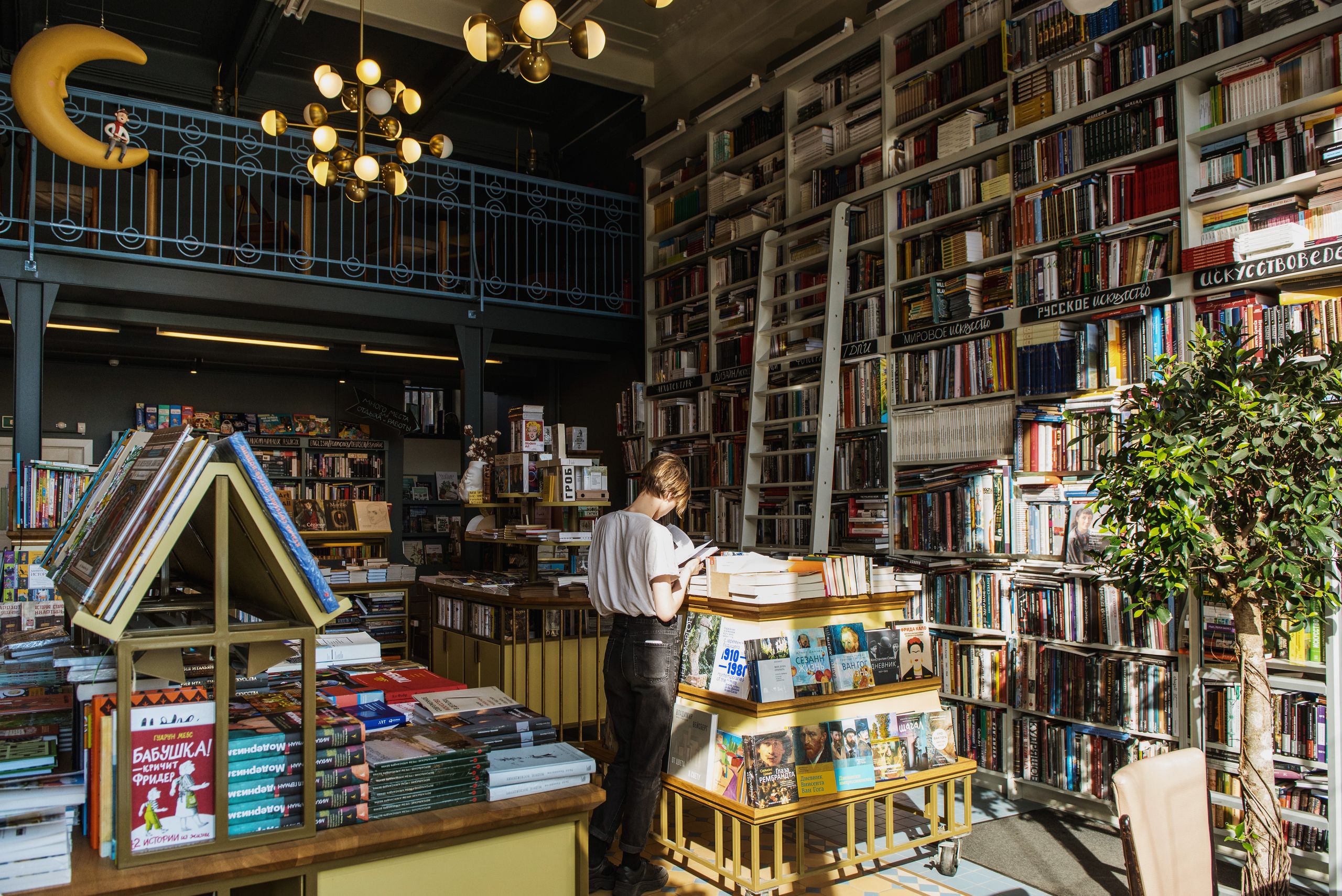
Bookstores offer another kind of map.
Through their shelves, tables, signs, and silences, I begin to see what a place is reading, preserving, translating, debating, teaching, and imagining.
Bookstore travel helps me understand a city through the stories it keeps within reach.
The Shelves Reveal More Than the Bestsellers
The first thing I notice is not always the book I want to buy.
Sometimes it is the arrangement.
Which authors face outward? What titles are placed near the entrance? Are local writers gathered together, spread throughout the store, or absent entirely?
A display table can reveal the season, the politics of the moment, or the kind of reader the store expects to enter.
One bookstore may center contemporary fiction. Another gives significant space to history, religion, cookbooks, poetry, art, or social movements. Even the size of the children’s section tells me something about who the store considers part of its community.
The shelves do not provide a complete picture of the city, but they offer clues.
A Bookstore Is Also a Business
It is easy to romanticize bookstores.
They feel quiet, intellectual, and protected from the speed of ordinary commerce. Yet a bookstore still has rent, payroll, inventory, shipping, utilities, and unsold books to manage.
Every title occupies physical space.
Choosing one book may mean declining another. Stocking a local writer, a translated novel, or a small press can reflect cultural commitment, but it also involves financial risk.
This is especially true for independent bookstores, where buying decisions may carry both economic and community consequences.
When I purchase a book, I am not only leaving with a souvenir. I am participating in the survival of a cultural space.
Local Writers Change the Meaning of the Visit
I pay close attention to local authors.
Their work may reveal neighborhoods, histories, conflicts, humor, and social codes that do not appear in standard travel writing. A novel can show the emotional life of a city, while poetry may capture its language more precisely than any guidebook.
Memoir, essays, and history give me other ways to understand place.
Local writers do not speak with one voice. Their disagreements are part of what makes the reading useful.
A city is never one story.
The strongest bookstore visits leave me with several perspectives rather than one simple explanation.
Language Determines Who Can Enter the Story
Translation shapes my experience of literary travel.
When I do not read the local language, I depend on translators, publishers, and booksellers to create access. Their work determines which authors become available to me.
That access is valuable, but it is also selective.
Many important writers may remain untranslated. Others may appear only through one edition, one interpretation, or one language market.
I try to remember that the English-language shelf is not the whole literary culture.
It is a doorway, not the entire house.
The Children’s Section Often Tells the Truth Quietly
Children’s books reveal what a culture wants young people to know.
The shelves may include folktales, national heroes, family stories, migration, environmental themes, or books teaching language and social behavior.
Representation matters here too.
Which children see themselves in the illustrations? Whose families appear? What kinds of bodies, neighborhoods, and futures are presented as ordinary?
A children’s section can expose cultural values without announcing that it is doing so.
It shows how belonging is introduced early.
Cookbooks Offer Another Archive
I often spend time near the cookbooks.
Food writing can reveal agriculture, trade, colonization, migration, class, celebration, and household labor. Recipes hold practical knowledge, but they also hold assumptions about equipment, ingredients, time, and who is expected to cook.
A cookbook produced locally may explain more than flavor.
It can show which dishes are treated as traditional, which ingredients are considered everyday, and how a cuisine is being presented to visitors or younger generations.
The photography and language matter.
Some books preserve home cooking. Others polish it into luxury. Both choices tell a story.
History Shelves Show What Remains Contested
History sections deserve slow attention.
Several books may interpret the same event differently. One title celebrates a national figure, while another examines the violence, exclusion, or mythology surrounding that person.
The presence of disagreement is meaningful.
It suggests that history remains active rather than settled.
My reflections on respectful curiosity in cultural travel writing connect closely with this kind of browsing. Understanding a place requires more than accepting the first version of its story.
I need to notice who is speaking, who is missing, and which interpretations receive the most visible space.
Black Writers Should Not Appear Only in Special Displays
Representation can become seasonal.
Black authors appear prominently during one month, one campaign, or one cultural moment. Later, the display disappears and the shelves return to an older hierarchy.
A bookstore’s deeper commitment becomes visible across the year.
Are Black writers present in fiction, travel, history, food, business, children’s books, science fiction, romance, and criticism? Or are they confined to race and social-justice sections?
The question is not only whether Black voices are included.
It is whether they are allowed the full range of human subject matter.
This is part of why Black women storytellers deserve more than a moment.
Independent Voices Need Physical Space Too
Digital publishing has expanded access to storytelling.
Writers can build audiences without waiting for traditional gatekeepers. Independent media can reach readers across borders almost instantly.
Still, physical visibility matters.
A book placed on a table can be discovered by someone who was not searching for it. A bookseller can recommend a small press, local essayist, or translated novel that an algorithm might never surface.
That is why my writing about making room for independent voices in digital storytelling also belongs in a conversation about bookstores.
Both physical and digital spaces influence which stories become visible.
The Bookseller Can Change the Entire Visit
A good bookseller does more than locate a title.
They may ask what I have already read, which subjects interest me, or what kind of book I want to carry from the city. One thoughtful recommendation can shape the rest of the trip.
Booksellers often understand their inventory as a network rather than a list.
They know which books speak to one another, which author deserves more attention, and which title offers a less predictable view of local history.
Their expertise is cultural labor.
When the store is busy, I try to respect that labor by keeping questions focused and remembering that conversation is part of someone’s workday.
A Quiet Room Can Still Be Social
Bookstores feel quiet, but they are not empty of interaction.
Readers move around one another. Someone sits with a book before deciding whether to buy it. A parent reads aloud, while another customer asks for a recommendation.
The social atmosphere is gentle rather than demanding.
That makes bookstores valuable during travel.
I can pause without leaving the cultural life of the place. There is no need to retreat completely to my room or spend money on another meal simply to sit down.
The bookstore gives me rest with context.
Literary Events Create Another Kind of Travel Memory
Readings, discussions, launches, and book clubs reveal how ideas move through a community.
The questions asked by the audience may be as revealing as the author’s presentation. People bring local knowledge, disagreement, personal history, and political concern into the room.
A literary event allows me to witness culture as conversation.
The city is not only preserving stories. It is responding to them.
When language allows, I value these gatherings because they show reading as a public act rather than a solitary one.
Famous Bookstores Can Become Tourist Performances
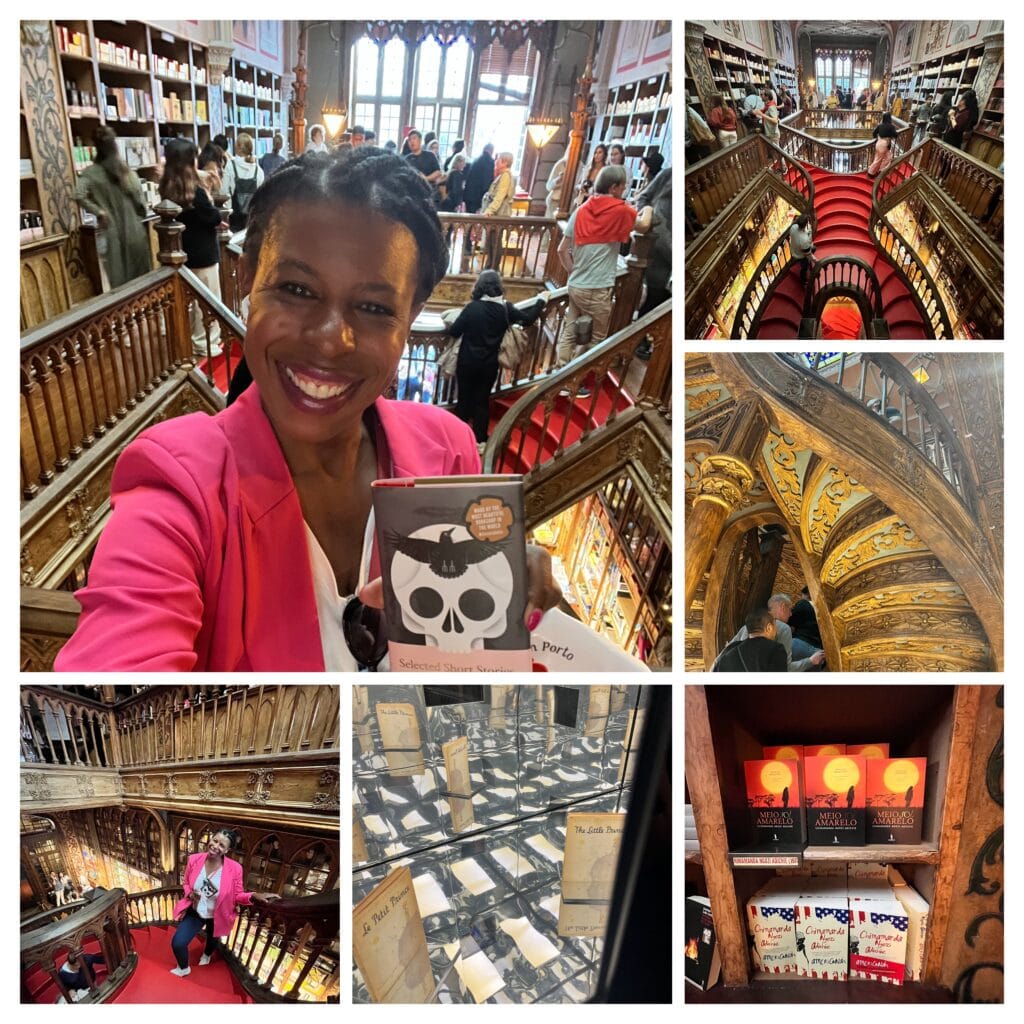
Some bookstores become destinations in their own right.
Travelers wait outside, photograph the interiors, and move through the shop as though it were a museum. That attention can support the business, but it can also disrupt the people trying to browse, work, or purchase books.
A beautiful bookstore deserves admiration.
Still, it remains a store.
I try to avoid blocking aisles, photographing strangers, or treating the staff as caretakers of an attraction rather than booksellers at work.
Buying something is one way to participate rather than simply consume the atmosphere.
Shelves Before Souvenirs
I often prefer books to conventional souvenirs.
A decorative object may remind me where I went. A book can continue opening the place after I leave.
Through someone else’s language, I can return to a neighborhood, historical period, family story, or political question that the trip introduced but did not fully explain.
The souvenir becomes active.
It asks for attention later.
That is why “shelves before souvenirs” is not a strict rule for me, but it comes close.
The Weight of Books Changes the Decision
Books are meaningful and inconvenient.
They add weight quickly. A few unplanned purchases can change the balance of a backpack or suitcase.
I consider whether a title is available electronically, whether I can ship books home, or whether one carefully chosen volume will mean more than several impulsive purchases.
A practical day bag from my Amazon travel shop can help carry purchases during the day, but no bag makes weight disappear.
Travel asks me to choose what deserves to be carried.
Leaving Books Behind Can Also Be Meaningful
Not every literary exchange requires buying something new.
Hostel shelves, guesthouse libraries, community book swaps, and neighborhood lending boxes allow books to continue traveling.
I may leave a finished book and take another.
That exchange creates a small connection between strangers who may never meet. One traveler’s completed story becomes another person’s companion.
The book carries evidence of movement through bent corners, notes, inscriptions, or several languages written inside the cover.
A Tour Can Provide History, but Books Extend It
Guided experiences help place architecture, neighborhoods, and historical events into context.
Walking tours and cultural activities found through GetYourGuide may introduce stories that would be difficult to uncover alone.
A bookstore gives me somewhere to continue afterward.
I can look for the historian mentioned by the guide, a novel set in the neighborhood, or a memoir that complicates the public version of events.
The tour creates a starting point. Reading keeps the conversation open.
The Store’s Absences Matter Too
What I cannot find may be revealing.
Perhaps women writers occupy less space than men. Local Indigenous voices may be missing, or travel books may discuss a country almost entirely through foreign authors.
Absence can reflect publishing patterns, censorship, customer demand, distribution, or the individual choices of the store.
I cannot draw a complete conclusion from one shelf.
Still, noticing what is missing helps me resist treating the available books as the full story.
A City Through Its Books
A bookstore does not explain a city completely.
No single shop can represent every neighborhood, language, history, or political perspective. Even the most thoughtful collection reflects limits.
Yet those limits are part of what makes the visit useful.
The shelves show choices. They reveal what has been made available, what receives attention, and what readers are encouraged to carry into conversation.
Books help me move beyond the visual surface of travel.
They give me voices that remain after the train leaves.
Leaving With Someone Else’s Words
Bookstore travel allows me to leave a city with more than my own interpretation.
A local poet, historian, novelist, cook, journalist, or children’s author can continue speaking long after the trip ends.
That matters because travel can make the visitor’s perspective feel too important. Every experience becomes organized around what I saw, felt, and understood.
Books interrupt that habit.
They remind me that the city was telling stories before I arrived and will continue telling them after I leave.
Carrying someone else’s words home feels like a beautiful kind of souvenir.
It is also a responsibility.
The book asks me to keep listening.
For more reflections on literary travel, culture, storytelling, and the ways places reveal themselves beyond traditional attractions, explore DG Speaks Travel.