
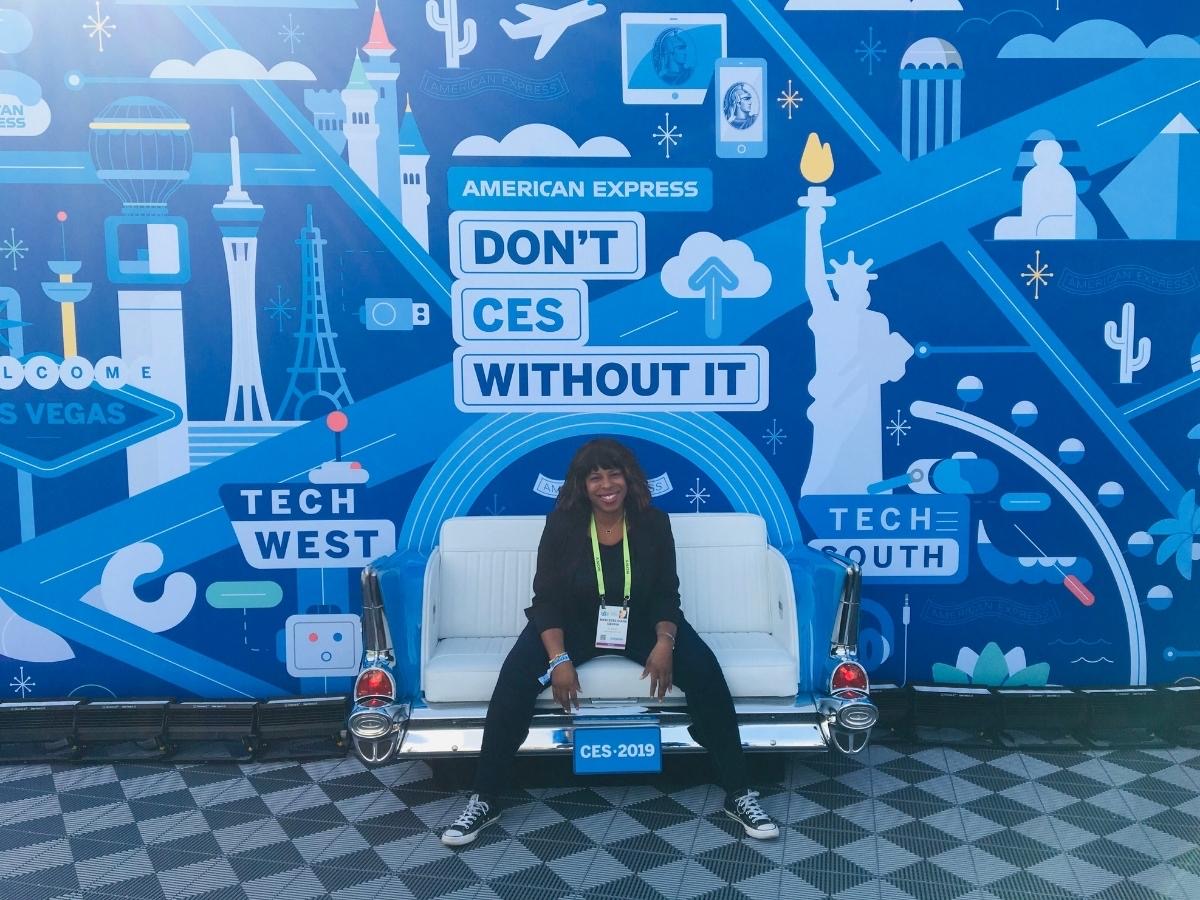
CES, Technology, and the New Religion of Innovation
Modern society speaks about technology with the emotional intensity previous generations reserved for religion.
People look toward innovation searching for salvation from problems politics no longer seems capable of solving. Loneliness, climate anxiety, labor instability, aging, inefficiency, exhaustion, social fragmentation, even mortality itself increasingly get reframed as engineering challenges awaiting technological solutions.
CES captures that emotional atmosphere perfectly.
Walking through the convention halls feels less like attending a trade show and more like entering a massive collective ritual organized around belief in the future. Screens flash constantly while companies unveil products promising smarter homes, smarter transportation, smarter communication, smarter bodies, smarter lives. Everywhere you look, technology presents itself as both inevitable and transformative.
The emotional energy inside the space becomes impossible to ignore.
Innovation as Spectacle
Las Vegas provides the ideal setting for CES because the city already understands how to manufacture fantasy.
Casinos sell luck. Luxury hotels sell escapism. Entertainment venues sell emotional immersion. CES simply redirects those same psychological mechanics toward innovation itself. Technology becomes theater. Product launches become performances. Founders speak with evangelical confidence about disruption, reinvention, and the future of humanity.
Underneath the spectacle, however, lies something much older.
Human beings have always gathered around stories promising transformation.
What changes across history is the language people use to describe salvation.
Who Gets Imagined Inside the Future
Technology culture often speaks about the future as though humanity moves forward collectively and evenly. Reality rarely unfolds that way.
Questions of race, labor, geography, gender, class, and power shape technological development constantly, even when industries prefer presenting innovation as neutral progress. Visibility inside these spaces matters because representation influences whose problems get prioritized and whose experiences remain peripheral.
Who receives authority automatically? Which faces dominate keynote stages? Who becomes symbolic of intelligence, leadership, or innovation? Whose presence still feels treated as surprising inside futurist spaces?
The future, it turns out, carries social hierarchies with it.
The Emotional Marketplace of Tomorrow
What fascinates me most about modern technology culture is how emotional it has become.
People no longer buy devices simply for utility. Consumers purchase identity experiences tied to convenience, productivity, aesthetics, prestige, and belonging. Technology companies understand this deeply. Their products promise not only efficiency, but transformation. Better habits. Better relationships. Better health. Better focus. Better lives.
Innovation increasingly operates as emotional branding.
And perhaps that explains why technology conferences feel strangely intoxicating despite their corporate structure. People gather there searching for reassurance that progress still exists. That tomorrow might feel more manageable than today. That humanity remains capable of imagining something beyond exhaustion and decline.
CES reveals a culture deeply invested in the mythology of reinvention.
Whether technology can actually deliver the emotional futures it promises remains a far more complicated question.
