Why Curiosity Is Still My Favorite Compass
At the beginning of this year, I caught myself forming an opinion before the person speaking had finished the sentence.
It was not a dramatic conversation. We were talking about a place, a cultural habit, and the way people there understood something differently than I did.
Almost immediately, my mind began arranging the information into a conclusion.
I knew what I thought.
Or at least, I thought I did.
Then, the person added one more detail.
That detail did not completely overturn my interpretation, but it made it less comfortable. The story became more layered. What had seemed simple a moment earlier now carried history, contradiction, and consequences I had not considered.
I felt the urge to defend my first reaction.
Instead, I asked another question.
That small decision changed the conversation.
It also reminded me why I keep returning to curiosity as a compass.
Certainty gets rewarded.
People want quick opinions, firm positions, and conclusions that fit neatly into a headline or caption. I understand the appeal. Certainty can feel safe. It gives the impression that the world is organized and that I know exactly where I stand inside it.
Curiosity asks more of me.
It asks me to pause before deciding what something means. It requires enough humility to accept that the first explanation may not be the fullest one.
Most of all, curiosity leaves room for truth to become more complicated than my comfort.
Before I Decide What I Think
I have always had opinions.
Writing, teaching, consulting, and moving through different cultures have given me plenty of opportunities to develop them. I have learned how to identify patterns, connect ideas, and explain what I see.
Those skills matter.
Still, the ability to form an interpretation quickly can become a weakness when I confuse speed with insight.
A first impression may contain useful information. It can also reflect my assumptions, mood, past experiences, and the limited angle from which I entered the situation.
That is why I am trying to create more space between observation and conclusion.
What else could be true?
What am I missing?
Whose perspective has not entered the room yet?
These questions do not prevent me from reaching a position.
They help me arrive there more honestly.
A Place Deserves More Than My First Impression
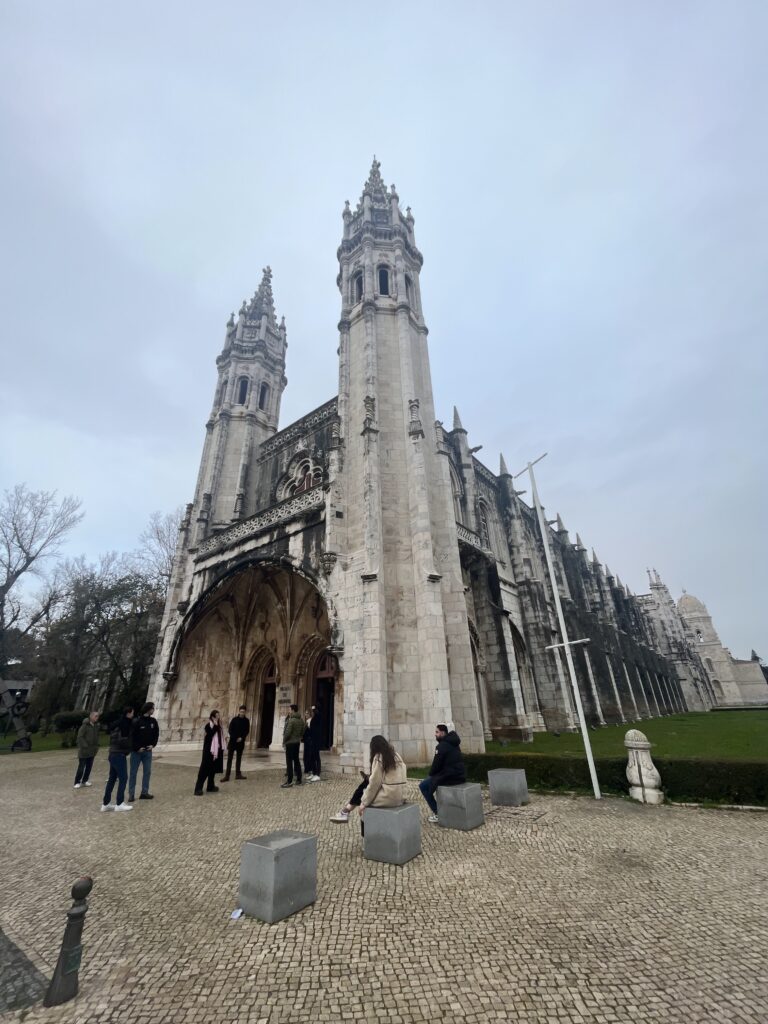
Travel makes quick judgment especially tempting.
I arrive in a city and begin noticing immediately.
The streets feel crowded or quiet. Service seems warm, distant, slow, or efficient. The food appears familiar or strange, and public life begins offering clues about how people move through the place.
Within a few hours, I can feel as though I understand the atmosphere.
Sometimes, I do.
More often, I understand only the part available to a visitor moving through a particular neighborhood at a particular time.
A beautiful district may hide displacement. A quiet street may feel peaceful because many residents cannot afford to remain there. What appears unfriendly may reflect language differences, work pressure, or a cultural expectation that strangers do not immediately perform warmth for one another.
This is why I keep returning to the importance of cultural travel writing rooted in respectful curiosity.
Travel writing becomes shallow when the writer treats first impressions as final truth.
A place deserves more than my reaction.
It deserves context.
A Meal Deserves More Than a Rating
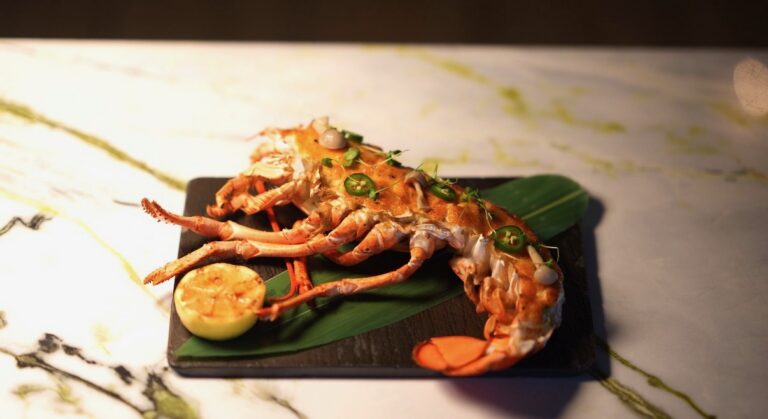
Food encourages another kind of certainty.
We rate it quickly.
Delicious. Disappointing. Authentic. Overrated. Worth the price or not worth the wait.
Taste matters, of course.
I want food to be enjoyable. Still, a meal may carry meaning that cannot be captured through whether I personally liked it.
Who prepared it?
What ingredients became available through migration, trade, or necessity?
Is the dish eaten every day, reserved for celebration, or associated with a particular region, religion, class, or generation?
A food may not suit my palate and still deserve my respect.
Curiosity helps me separate preference from value.
It allows me to say, “This is not for me,” without pretending that my response defines the food for everyone else.
A Person Deserves More Than the Story I Invent
Human beings are especially vulnerable to quick interpretation.
Someone speaks briefly, responds slowly, or behaves differently than I expected. Before long, I have created an explanation.
She is rude.
He is uninterested.
They do not respect me.
Perhaps that interpretation is correct.
It may also be incomplete.
The person could be distracted, grieving, anxious, exhausted, communicating in a second language, or carrying information I cannot see.
Curiosity does not require me to excuse harmful behavior.
It asks me not to build an entire character from one scene.
I can remain discerning without becoming careless.
The Questions That Keep Me Honest
My writing continues circling back to certain questions.
Who is doing the work?
Who is being welcomed?
Who gets remembered?
Who remains outside the frame?
What does daily life reveal when nobody is trying to make it look perfect?
These questions help me move beyond the polished surface.
A beautiful meal may depend on invisible labor. A celebrated destination may create very different realities for visitors and residents. A successful institution may rely on workers whose names never appear in the story.
Curiosity changes where I direct attention.
Instead of asking only what happened, I begin asking who carried the consequences.
Digital Storytelling Can Reward Certainty Too Quickly
Online platforms encourage fast interpretation.
A clip appears. A headline circulates, and thousands of people respond before the full context becomes available.
Certainty performs well in that environment.
Strong claims travel faster than careful questions. Nuance can appear weak, evasive, or insufficiently passionate.
Still, I do not want digital storytelling to become only a competition for the quickest conclusion.
This concern connects with my reflections on creating more room for independent voices through digital storytelling.
Independent storytelling should make space for complexity.
It should allow people to speak in full sentences rather than only in fragments useful to someone else’s argument.
Curiosity protects against turning another person’s life into evidence for a conclusion I had already made.
When Curiosity Meets the Road
Travel experiences can support deeper understanding, but they do not create it automatically.
I can book a walking tour, food experience, or cultural activity through GetYourGuide and still remain emotionally absent.
The booking is only the beginning.
A guide may explain the history of a street, the meaning of a monument, or the way a neighborhood changed over time.
I still have to decide whether I am listening.
Am I allowing the information to challenge my assumptions, or am I collecting attractive facts for later content?
Do I ask questions because I want to understand, or because I want the guide to confirm what I already believe?
Curiosity becomes meaningful only when it leaves me open to being changed.
The Guide Knows More Than the Route
A good guide carries more than dates and directions.
They know where official history becomes incomplete. They may understand which stories visitors usually miss and how local people feel about the way their neighborhood gets presented.
That knowledge deserves attention.
At the same time, one guide cannot represent an entire culture.
Their interpretation comes from a particular background, education, politics, and relationship to the place.
Curiosity keeps me from turning one thoughtful voice into the only voice that matters.
Understanding grows through several encounters, not one perfectly delivered explanation.
A Better Question Can Change the Entire Story
I have learned that small changes in a question can produce very different answers.
“Why do people here do that?” can sound as though the behavior requires defense.
“How did this practice develop?” opens history.
“What do visitors usually misunderstand?” invites correction.
“Who benefits from this change?” introduces power.
Questions shape the territory of the conversation.
A careless question may flatten the speaker into a cultural representative. A thoughtful one gives the person room to define what matters.
Curiosity is not only the desire to know.
It is the discipline of asking without assuming I am entitled to every answer.
Not Every Question Deserves to Be Asked
Curiosity can become invasive when it ignores boundaries.
Someone’s identity, trauma, family history, or body does not become public property simply because I find it interesting.
Travelers and storytellers can mistake access for permission.
A person may answer politely because the social situation makes refusal difficult.
Respectful curiosity includes restraint.
Before asking, I can consider whether the question serves genuine understanding or merely satisfies my fascination.
Sometimes, the most ethical choice is to remain curious without requiring another person to educate me personally.
Curiosity Is Not Neutral
The questions I ask reveal what I consider important.
If I enter every community asking only about danger, poverty, or conflict, I help reproduce a narrow image even when those issues are real.
If I focus only on beauty, resilience, and celebration, I may erase hardship.
Curiosity needs range.
I want to ask about joy and labor, tradition and change, belonging and exclusion.
A fuller truth often lives between the stories people expect to hear.
Certainty Can Protect Comfort
Sometimes, I reach a conclusion quickly because the conclusion protects me.
It allows me to preserve a flattering view of myself, my community, or the systems from which I benefit.
Curiosity interrupts that protection.
Who paid the cost of this convenience?
Why does this place feel welcoming to me?
Would it feel equally welcoming to someone with less money, mobility, or social privilege?
These questions can create discomfort.
That does not make them unhelpful.
Discomfort may be evidence that the question reached beyond the version of the story designed to keep me comfortable.
Changing My Mind Is Not a Failure
Public culture often treats consistency as proof of integrity.
People are expected to defend earlier positions even after new information appears.
Changing one’s mind becomes evidence of weakness, hypocrisy, or poor judgment.
I see it differently.
If I never revise an opinion, I may not be learning.
Curiosity should have consequences.
It should occasionally disrupt what I believed, sharpen the language I use, or make me less certain about an easy conclusion.
Growth does not always look like adding knowledge.
Sometimes, it looks like releasing confidence that was never fully earned.
A Softer Way to Know
Curiosity softens me.
It does not make me passive or prevent me from recognizing harm. Instead, it reduces the need to prove that I already understand everything.
I can hold a strong value while remaining open to complexity.
I can oppose injustice without assuming every situation follows the same pattern.
A softer way of knowing allows attention before performance.
It makes room for listening, revision, and the possibility that another person holds information I need.
I Would Rather Ask a Better Question
There are moments when a quick answer would make me look more decisive.
Still, I would rather ask a better question than rush toward an answer that only protects my comfort.
What is happening beneath what I can see?
Which part of the story feels too neat?
What would I notice if I stopped trying to confirm my original impression?
These questions slow me down.
They also make the work more honest.
Learning in Public Requires Humility
Writing publicly means documenting thought while it is still developing.
That carries risk.
Something I believe today may need refinement later. An experience may reveal a blind spot, or someone may offer context I did not have.
I do not want fear of being imperfect to keep me silent.
I also do not want confidence to prevent correction.
Learning in public requires the willingness to say, “I see this differently now.”
That sentence does not erase the earlier version.
It shows that the process remained alive.
Curiosity as a Compass
This year, I want curiosity as a compass to lead more often.
Not because every question will resolve neatly.
Many will not.
The world is too layered for the kind of certainty that arrives before listening.
People carry histories I cannot see. Places hold tensions that do not appear in the first photograph, and meals contain labor, memory, and meaning that no rating can fully capture.
Curiosity does not remove the need for judgment.
It makes judgment more responsible.
It encourages me to gather context, notice power, and remain aware of the difference between what I observed and what I assumed.
I want to keep learning in public, one honest observation at a time.
That means asking better questions, revising conclusions when necessary, and resisting the pressure to make every story tidy.
I do not need to know everything before I begin.
I need enough humility to remain awake while I learn.
Curiosity may not always lead me toward the easiest answer.
It can lead me toward a fuller truth.
For now, that feels like a direction worth following.
Explore more reflections on culture, storytelling, identity, and public life through DG Speaks Culture. You can also discover how curiosity shapes the experience of place through DG Speaks Travel, or read more about the stories held in food, labor, and everyday meals through DG Speaks Food.