Exploring Egyptian Cuisine: Cucumber Dill Yogurt (Salatet Zabadi)
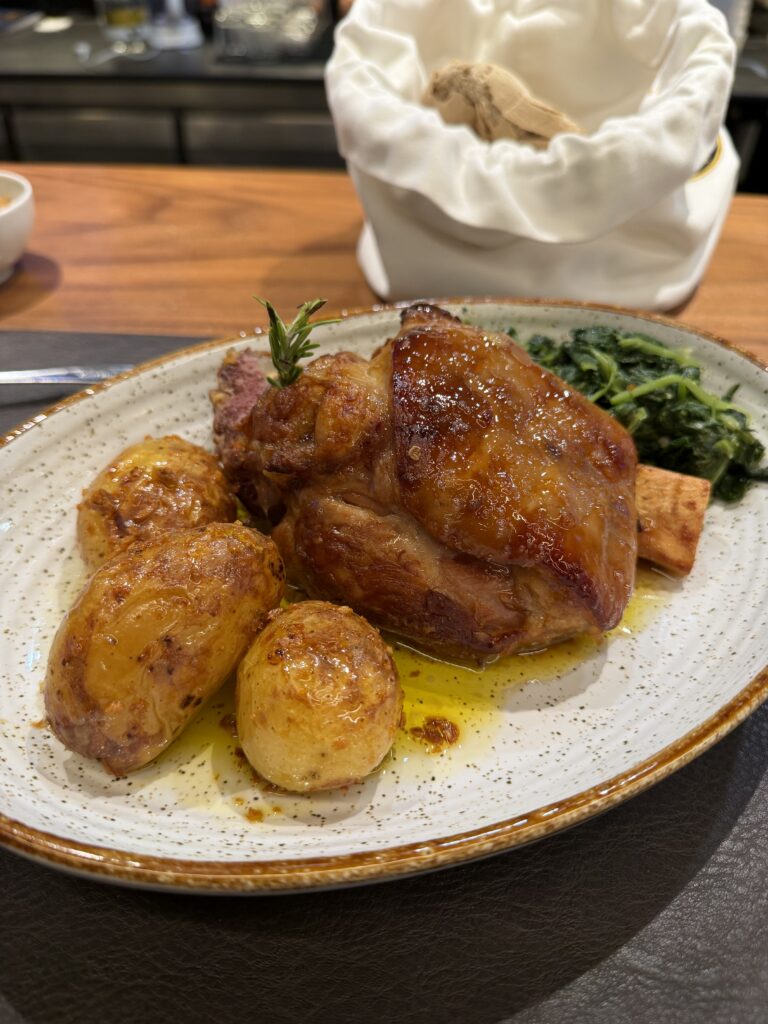
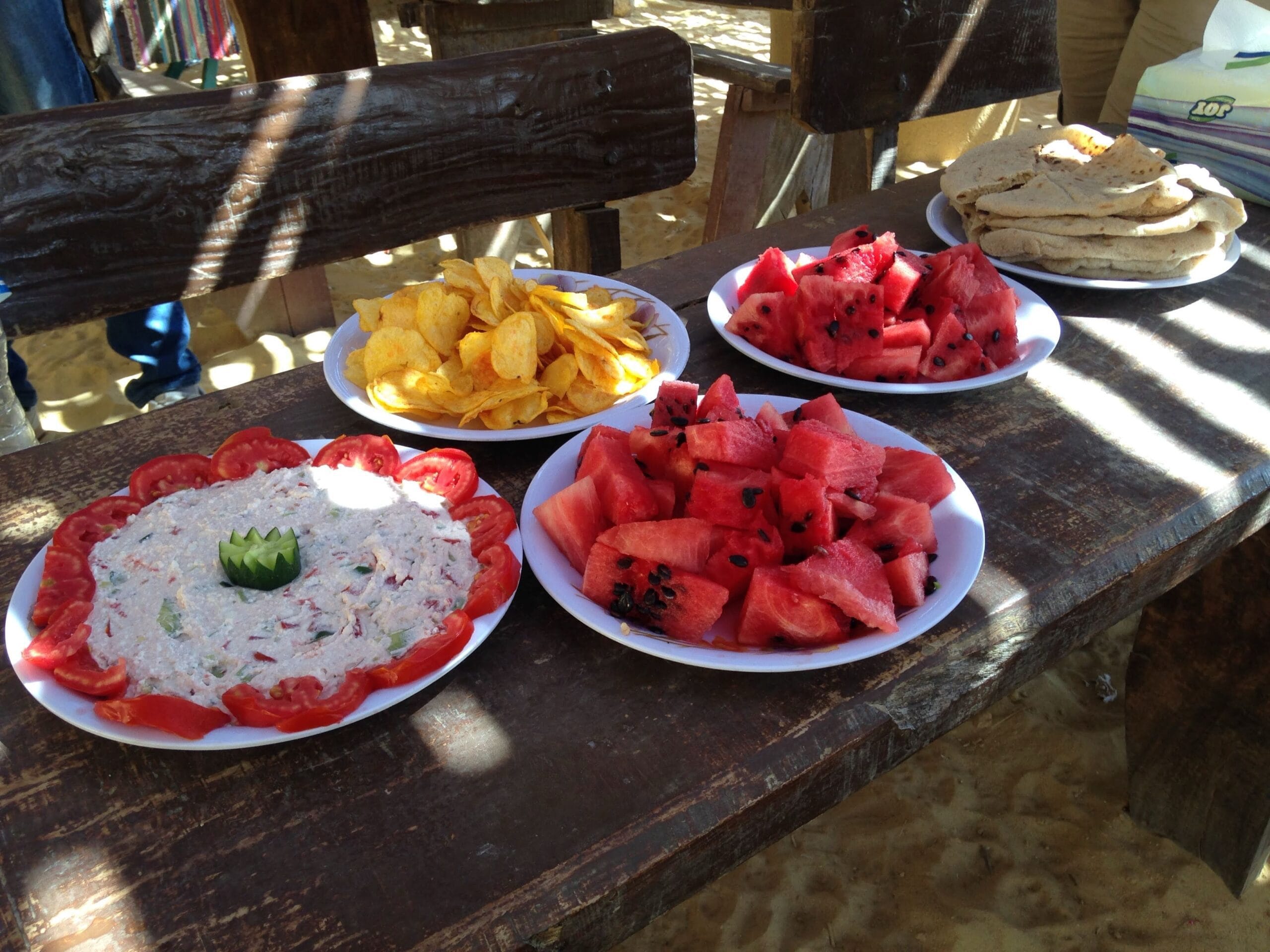
I first tasted the salad during one of my evenings in Farouk, Egypt, after a day centered on agriculture, community, and the kind of development work that teaches me to pay attention to ordinary things. By the time we sat down to eat, I was hungry enough to notice the grilled food and warm bread first.
Then I tasted the small bowl beside them.
Cool yogurt carried cucumber, fresh dill, garlic, and lemon across the plate. The richness of the meal softened, the herbs lifted everything around them, and one spoonful made the entire table feel more balanced.
Nothing about the dish looked dramatic. That was part of its power.
My first experience with Egyptian cucumber dill yogurt salad reminded me that culture often lives in the foods placed quietly beside the main course. A side dish may not command the table, yet it can be the element that makes the meal complete.
The Little Bowl That Changed the Meal
Salatet Zabadi is an Egyptian yogurt salad commonly made with cucumber, garlic, herbs, and lemon. Some cooks use dill, while others prefer mint or combine the two.
The variations feel honest to me because real food rarely belongs to one fixed formula. Recipes move through families, regions, available ingredients, and personal preference while keeping a recognizable center.
In this dish, that center is balance.
Yogurt brings creaminess and tang. Cucumber adds water and crunch, while garlic provides depth and lemon sharpens the entire bowl. Dill gives the salad its clean, green lift.
Nothing needs to dominate because every ingredient has a clear role.
When Climate Helps Write the Menu
Egyptian food understands heat.
That understanding is visible in the way cooling, acidic, herbal, and fresh elements appear beside richer foods. A yogurt and cucumber salad does more than add another flavor to the table. It changes how the rest of the meal feels in the body.
Climate has always shaped the way people cook. Weather influences what grows, how food is preserved, when meals are eaten, and which textures feel satisfying during a particular season.
This is one reason I resist treating traditional dishes as quaint ideas from the past. Communities developed food knowledge through observation, repetition, adaptation, and necessity long before modern wellness language attempted to repackage those practices.
A cool bowl beside grilled food is not merely decorative. It is culinary intelligence.
Ingredients for Egyptian Cucumber Dill Yogurt Salad
This version stays close to the simple combination I remember while leaving room for adjustment. A thick yogurt gives the salad more body, but a looser plain yogurt will still work if that is what you have.
- 2 cups plain yogurt, preferably thick Greek-style yogurt
- 1 medium cucumber, finely diced or grated
- 2 garlic cloves, minced or crushed
- 2 tablespoons fresh dill, finely chopped
- 1 tablespoon fresh lemon juice, plus more to taste
- Salt, to taste
- Black pepper, to taste
- Olive oil, optional for serving
- Fresh mint, optional for additional brightness
None of the measurements needs to become rigid. Garlic strength varies, cucumbers release different amounts of water, and one lemon may taste sharper than another.
The final bowl should taste balanced rather than mathematically exact.
How I Bring Farouk Back Into My Kitchen
Begin with the cucumber. Keep the skin on for more texture and color, or peel it for a softer result. Finely dice it when you want distinct pieces, or grate it for a smoother salad that blends more fully into the yogurt.
If the cucumber releases a great deal of liquid, sprinkle it lightly with salt and let it rest for about ten minutes. Pat it dry or squeeze it gently before adding it to the bowl. This step prevents the salad from becoming watery.
Stir the yogurt, garlic, dill, lemon juice, salt, and black pepper together until evenly combined. Fold in the cucumber, then taste before deciding what the bowl needs next.
More lemon will sharpen it. Another small amount of dill will make it greener, while additional yogurt can soften garlic that feels too strong.
Cover the salad and chill it for at least 30 minutes. That resting time allows the flavors to settle into one another.
Before serving, taste it again. Add a light drizzle of olive oil or a few torn mint leaves when the meal calls for a richer or brighter finish.
The Side Dish That Holds the Table Together
I love this salad because it does not demand a grand entrance. It simply arrives and makes everything around it work better.
Serve it beside grilled chicken, lamb, beef, kofta, rice, roasted vegetables, or warm pita. It also works as a dip, a cool addition to wraps, or a counterpoint to a spicy dish.
At home, selected meats from ButcherBox can become part of a meal built around grilled protein, vegetables, bread, and this cooling yogurt salad. The bowl does not need to remain on the side either. I often think of it as the element that ties the plate together.
Its strength comes from contrast.
Warm food meets cool yogurt. Richness meets acidity, while soft texture meets the crispness of cucumber.
What the Dish Reveals About Hospitality
Hospitality does not always arrive through abundance or elaborate preparation. Sometimes care appears as the one bowl that anticipates what the rest of the meal will need.
A host places something cool beside something hot. Bread is kept within reach, and the table offers enough variety for each person to find balance.
That kind of hospitality feels attentive rather than performative.
My writing about how food memories follow us home grows from moments like this. I may forget the complete menu, yet I remember how the food made the table feel.
Salatet Zabadi communicated generosity without excess. The bowl seemed to say that someone had considered comfort as carefully as flavor.
Simple Food Still Contains a Food System
My work in sustainable food systems changed the way I read recipes. Ingredients no longer appear to me as isolated items waiting in a kitchen.
Yogurt begins with animals, feed, water, land, labor, refrigeration, and fermentation. Cucumbers carry soil, irrigation, seed, weather, transportation, and the hands that harvested them.
Dill, garlic, and lemons may look like minor additions, but each has its own route to the table. Simplicity in the bowl does not mean simplicity in the system.
This is why I value food that uses a few ingredients with purpose. The dish does not need unnecessary decoration because each component contributes something essential.
For more of my work in this area, read my reflections on sustainable food systems and local resilience. The Food and Agriculture Organization’s resources on Egypt also provide broader context on agriculture, food security, and rural development in the country.

A DG Speaks Recommendation
I want more years of cooking, traveling, tasting, and bringing meaningful food memories home
I partnered with Happy Aging to share products that support energy, vitality, and a life that remains fully engaged.
Convenience Does Not Make the Dish Less Meaningful
Traditional food is sometimes discussed as though authenticity requires the most labor-intensive version of every step. I do not agree.
Pre-washed herbs, thick store-bought yogurt, bottled lemon juice in a pinch, or a food processor can make preparation easier. A person with limited time, energy, mobility, or kitchen space should not be excluded from the pleasure of making the dish.
Care does not become more legitimate because it exhausted the cook.
Fresh lemon and herbs may offer stronger flavor, but the larger purpose is to create a bowl that nourishes and balances the meal. The method can adapt to the person preparing it.
The Antidote Is Letting Simple Food Remain Simple
Food culture can become consumed by spectacle. Every dish must be transformed, styled, photographed, or made more complicated before it feels worthy of attention.
That pressure creates distance from the foods people actually prepare and eat. A simple side dish begins to seem insufficient unless it has a dramatic story, expensive ingredients, or a visual presentation designed for an audience.
The antidote is letting simple food remain simple.
I can prepare the cucumber carefully, balance the lemon and garlic, and serve the salad without turning it into a performance. Respecting the dish does not require reinventing it until its original character disappears.
Sometimes the most thoughtful thing I can do is allow a recipe to perform the work it has always done well.
Travel Food Requires More Than Tasting
Food experiences can introduce travelers to recipes, markets, and traditions they might otherwise miss. Options available through GetYourGuide may offer that context when local guides explain how ingredients, history, and everyday life connect.
Tasting alone, however, does not create understanding. A dish deserves more than being reduced to an unusual flavor or a photograph taken before the next stop.
I want to know how people serve it, which ingredients change from one household to another, and what role it plays within the meal. Curiosity becomes more respectful when the food remains attached to the people who know it intimately.
A Spoonful of Egypt I Still Carry
When I make this salad now, the first taste returns me to that evening in Farouk. I remember the cool yogurt against the warmer food, the scent of dill, and the way lemon brought the plate into focus.
The memory is not dramatic, yet it has lasted because the dish taught me something important. Culture does not live only in ceremonial meals or famous recipes.
It also lives in the bowl beside the main dish.
Egyptian cucumber dill yogurt salad gave me a taste of Egyptian hospitality, climate knowledge, and everyday care. Each time I prepare it, I am reminded that a recipe can travel without losing its ability to point back toward a place.
For me, Salatet Zabadi remains more than a useful side dish. It is a small bowl of Farouk still finding its way back to my table.
Continue exploring recipes, food memories, cultural traditions, and the systems behind what reaches our plates through DG Speaks Food.