Why Food Is the Fastest Way to Understand a Culture
I’ve sat at dinner tables in villages where we didn’t share a common language, yet somehow managed to have meaningful conversations over a simple meal. Moments like those have convinced me that if you truly want to understand a culture, start by sharing its food.
People often ask me what they should see when they visit a new country. My answer usually surprises them. I don’t begin with museums or famous landmarks. I tell them to visit a neighborhood market. Sit in a family-owned restaurant. Ask what the locals order. Be curious about the ingredients on your plate.
For me, food has never been just about eating. It’s one of the most powerful ways to understand a culture.
Every Meal Has a Story
One of the greatest gifts my career in international development has given me is the opportunity to experience food where it’s grown, prepared, and shared.
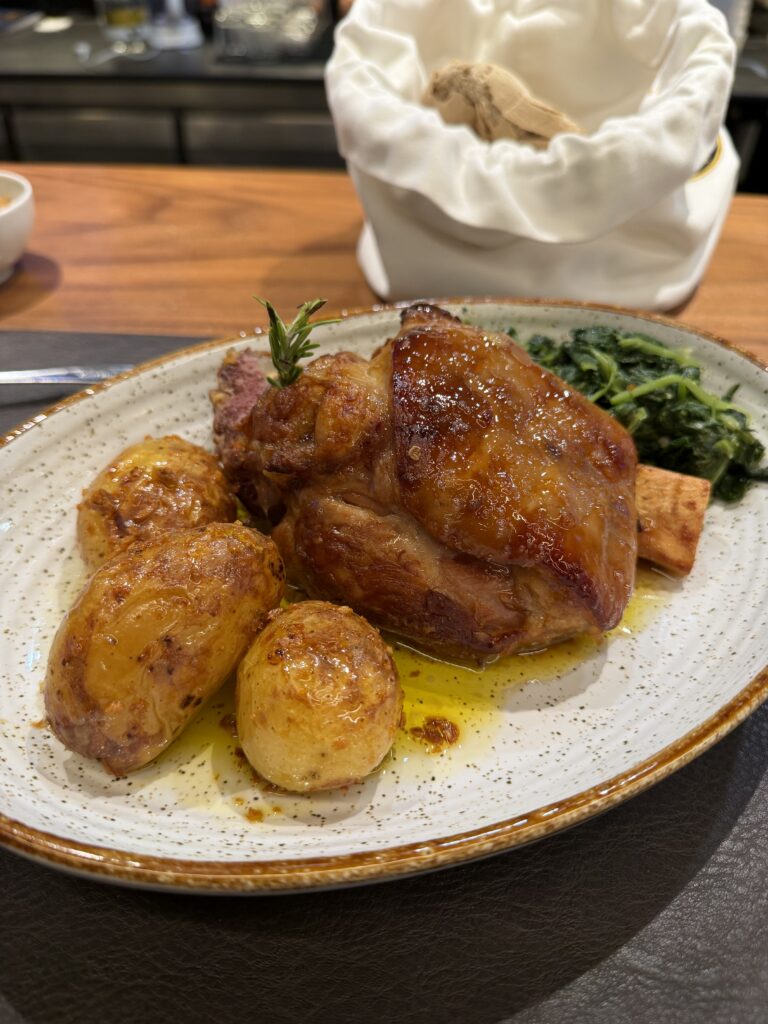
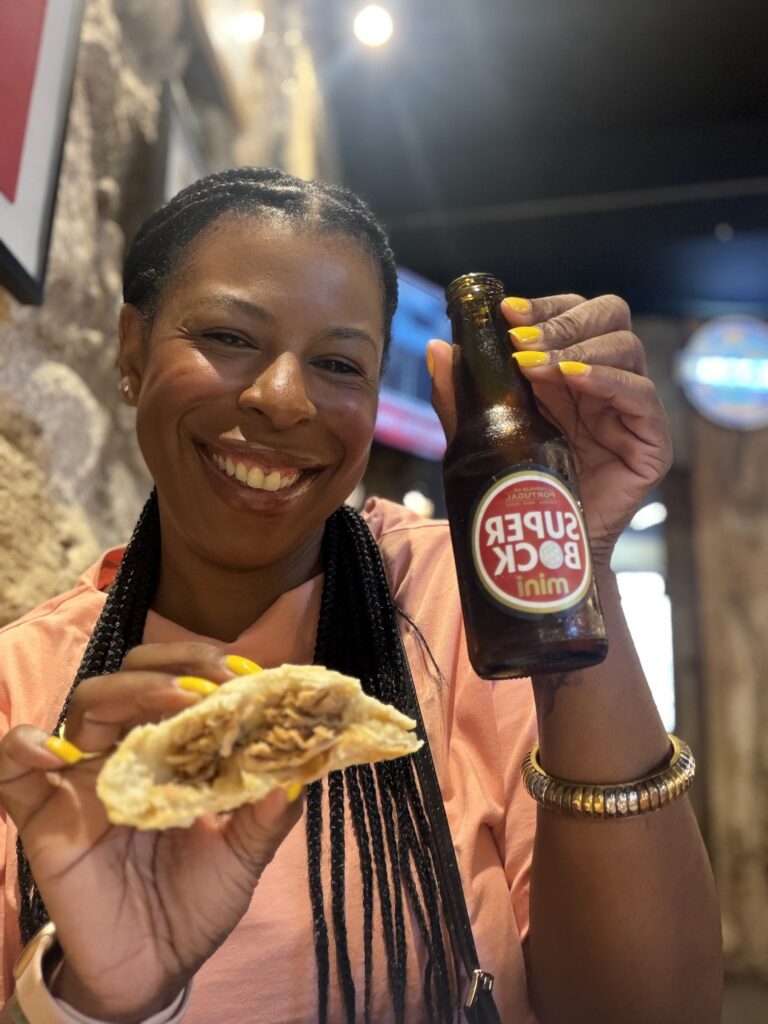
Whether I was learning about cassava production in West Africa, tasting fresh olive oil in southern Europe, or enjoying seafood along Portugal’s coast, I quickly realized that every dish carries generations of history.
Recipes survive because families preserve them. Ingredients become traditions because communities adapt to the land around them. Long before we ask people about politics or religion, we can learn a great deal simply by asking what’s for dinner.
Markets Tell You More Than Guidebooks
Whenever I arrive somewhere new, one of my first stops is often the local market.
Markets reveal what people eat every day, not just what restaurants serve tourists. You see what’s in season, which ingredients are most valued, and how food brings people together. Vendors proudly explain their products, neighbors stop to chat, and suddenly you’re witnessing everyday life instead of simply observing it.
Those moments rarely make it into travel brochures, yet they’re often the ones I remember most.
Some Conversations Begin with a Fork
I’ve learned that sharing a meal has a way of making people feel comfortable.
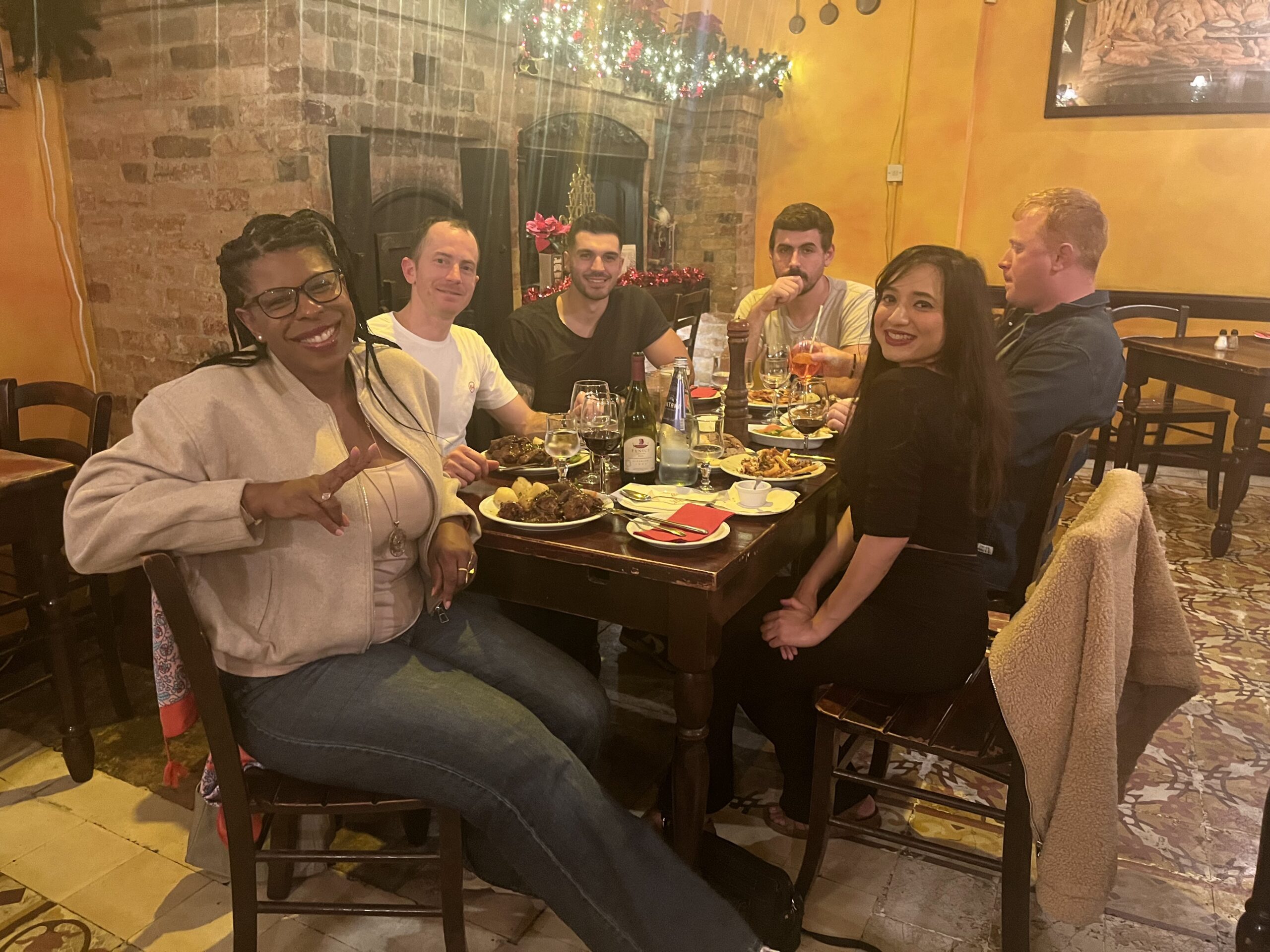
Some of my favorite interviews and conversations have happened over coffee, wine, fresh bread, or home-cooked meals. The table becomes neutral ground. Stories begin to flow. Laughter comes more easily. Before long, you’re no longer just talking about food. You’re talking about family, traditions, hopes, and the realities of everyday life.
Food has a remarkable ability to bring people together, even when language barriers exist.
Travel Through Your Taste Buds
One of the reasons I encourage people to be adventurous with food while traveling is that every new flavor teaches you something.
Sometimes you discover a spice you’ve never tasted before. Other times you realize that the dish you’ve ordered reflects centuries of migration, trade, or cultural exchange.
That’s what makes food so fascinating. Every bite connects us to a much larger story.
My Work Changed the Way I Eat
After spending more than two decades working in sustainable agriculture, food systems, and international development, it’s impossible for me to look at a meal without thinking about the people behind it.
I think about the farmers who planted the crops. I think about the women who often preserve culinary traditions from one generation to the next. I think about the markets, supply chains, and communities that make every meal possible.
That perspective has made me more grateful and far more curious whenever I travel.
Pull Up a Chair
If there’s one piece of travel advice I could offer, it’s this: don’t rush through your meals.
Take the recommendation from your server. Visit the neighborhood café instead of the international chain. Ask questions about unfamiliar dishes. Order something you’ve never tried before.
You may discover that your favorite memory of a destination wasn’t a monument at all. It was a conversation over lunch, a grandmother’s recipe, or a meal shared with someone who started the evening as a stranger and ended it as a friend.
Keep Exploring the World One Story at a Time
If you enjoyed this article, you may also like:
- Best Wine Bars in Porto
- My Love-Hate Relationship with Beer
- Why Slow Travel Changed the Way I See the World
- What Traveling Alone Taught Me About Leadership
If you’re planning your next adventure, I highly recommend adding a local food tour to your itinerary. They’re one of the easiest ways to meet local guides, sample regional specialties, and gain a deeper appreciation for the people and traditions that make every destination unique. You can browse food tours around the world through GetYourGuide.
The older I get, the more I realize that travel isn’t really about collecting passport stamps. It’s about collecting perspectives. And more often than not, those perspectives begin with a simple invitation: “Come, sit down. Let’s eat.”