A Storytelling Lifestyle: How I Build a Life Worth Paying Attention To
One morning in Porto, I stepped into a small neighborhood café with no intention of writing anything. I only wanted coffee and somewhere to sit before beginning the day.
An older woman stood behind the counter arranging pastries beneath a glass case. She greeted nearly everyone by name, asked one customer about his mother, corrected another person’s order before he could finish speaking, and slid a small plate toward a child who had been staring at it quietly.
Nothing dramatic happened. Still, I left thinking about how much of a place can be revealed through five ordinary minutes when I am paying attention.
A storytelling lifestyle asks me to move through the world that way. I cannot write rich stories if I rush past the details that make a place human. The life and the story are not separate. The way I notice, travel, listen, eat, rest, and make decisions becomes part of what I am eventually able to say.
A Storytelling Lifestyle Begins With Attention
Storytelling begins long before I open a document or choose a photograph. It begins with noticing what other people might dismiss as background.
I notice the auntie arranging produce at the market, the hostel kitchen conversation that shifts from recipes to politics, the music drifting through an open doorway, and the way a server explains a dish with more pride than any brochure could capture.
Attention allows a place to become more than scenery. A destination stops being a collection of attractions and begins revealing its rhythms, contradictions, relationships, and values.
That is the heart of DG Speaks. I am interested in what happens beneath the polished version of a story, especially in the spaces where food, culture, gender, labor, travel, and everyday life meet.
The Story Is Not Separate From the Life
Building a life around stories does not mean treating every moment as material. It means recognizing that how I live shapes what I am capable of understanding.
My reflections on digital storytelling and independent voices grew from that belief. Technology gives more of us the ability to publish, but the quality of the work still depends on whether we are willing to listen deeply enough to say something meaningful.
The same is true of my writing about why Black women storytellers deserve sustained support. Our stories carry knowledge shaped by memory, culture, migration, labor, family, joy, and survival. That knowledge deserves more than a quick burst of attention.
Storytelling is how I make meaning from what I experience. It is also how I return value to the moment by asking what it taught me and whether that lesson might matter to someone else.
Intention Helps Me Choose the Right Experience
Before I make a major plan, I like to begin with one honest question: How do I want this experience to feel?
The answer affects everything that follows. If I want restoration, I may choose a quieter room and a slower route. When curiosity matters most, I might stay near a local market, join a neighborhood tour, or leave enough unscheduled time to follow something unexpected.
That question also protects me from copying someone else’s dream. Social media makes it easy to absorb another person’s idea of beauty, success, adventure, or freedom without asking whether it fits my body, budget, values, or season of life.
My life is not a checklist assembled from other people’s highlights. It is a story, and I want each chapter to sound like me.
Practical Planning Gives the Story Room to Unfold
I once believed too much planning could interfere with spontaneity. Experience has taught me that the opposite is often true.
Knowing where I will sleep, how I will arrive, what the neighborhood feels like, and whether the cost fits my budget reduces the kind of stress that can consume an entire experience. Preparation creates enough stability for me to notice what is happening around me.
Before I commit, I consider several questions:
- Does this choice support my budget without stealing all the joy?
- Will I feel safe, rested, and able to move through the day comfortably?
- Does the experience offer a real connection to local people or culture?
- Will I have enough space to observe rather than simply complete an itinerary?
- Can the plan change if my body, the weather, or the circumstances require it?
Sometimes the practical decision becomes the source of freedom. Comparing hostel stays through Hostelworld, checking transportation, or reading neighborhood details may feel less romantic than imagining the trip, but those choices give the experience somewhere reliable to begin.
Planning does not kill magic. It gives magic a safe place to land.
Slow Travel Helps Me Notice the Human Story
Rushing changes what I am able to see. When every hour is assigned to another attraction, I begin moving through a place as a consumer rather than a witness.
Slow travel gives me time to return to the same café, recognize a shopkeeper, learn which street becomes lively in the evening, and notice how residents use public space when no tour group is passing through.
That rhythm does not require spending months in every destination. Even a short trip can become more attentive when I resist the pressure to see everything.
A place often becomes memorable through repetition. The second walk reveals what the first one missed. Returning to the same market helps me notice relationships, prices, labor, and habits that were invisible when everything still felt new.
Food Often Tells the Story Before Anyone Explains It
Food is one of the quickest ways I begin understanding a place. A meal reveals climate, agriculture, migration, religion, trade, class, memory, and adaptation, sometimes before anyone names those forces directly.
I am interested not only in what is served but also in who prepared it, where the ingredients came from, how much it costs, and who can afford to eat it regularly. The restaurant menu and the family table may tell very different stories about the same cuisine.
A memorable meal becomes richer when I understand the labor and history behind it. Taste opens the door, but context is what allows the experience to remain with me.
This is why food appears so often in my storytelling. It carries more than flavor. It carries the record of how people have lived, moved, survived, celebrated, and cared for one another.
Living Out Loud Does Not Mean Living Without Boundaries
A storytelling lifestyle can create pressure to share everything. The more personal the work becomes, the easier it is to believe that honesty requires complete access.
I no longer believe that.
Living out loud means refusing to disappear inside a life designed entirely around other people’s expectations. It does not mean surrendering every private thought, relationship, wound, or unfinished experience to an audience.
My essay about living out loud at forty-six grew from the recognition that visibility and self-trust are connected, but they are not identical. Some truths need to be spoken publicly. Others need time, privacy, and protection before I decide what they mean.
Boundaries help me remain a person who tells stories rather than becoming a story that everyone else feels entitled to consume.
Creative Independence Lets Me Follow the Real Question
Independent storytelling allows me to follow connections that may not fit neatly inside a traditional editorial category. I can begin with a meal and arrive at a conversation about labor. A journey may lead to questions about safety, belonging, or who gets to move freely through the world.
That freedom is part of why creative independence requires the courage to build anyway. Creating my own platform has allowed me to tell stories without separating the personal from the political or the beautiful from the complicated.
Independence does not mean working without support. It means building enough ownership over the platform, archive, audience, and direction of the work that the story can remain honest.
I want room to ask the real question, even when it takes me somewhere less polished than the story I first imagined.
A DG Speaks Recommendation
I want more years to travel with curiosity, tell meaningful stories, and keep building a life that feels like my own
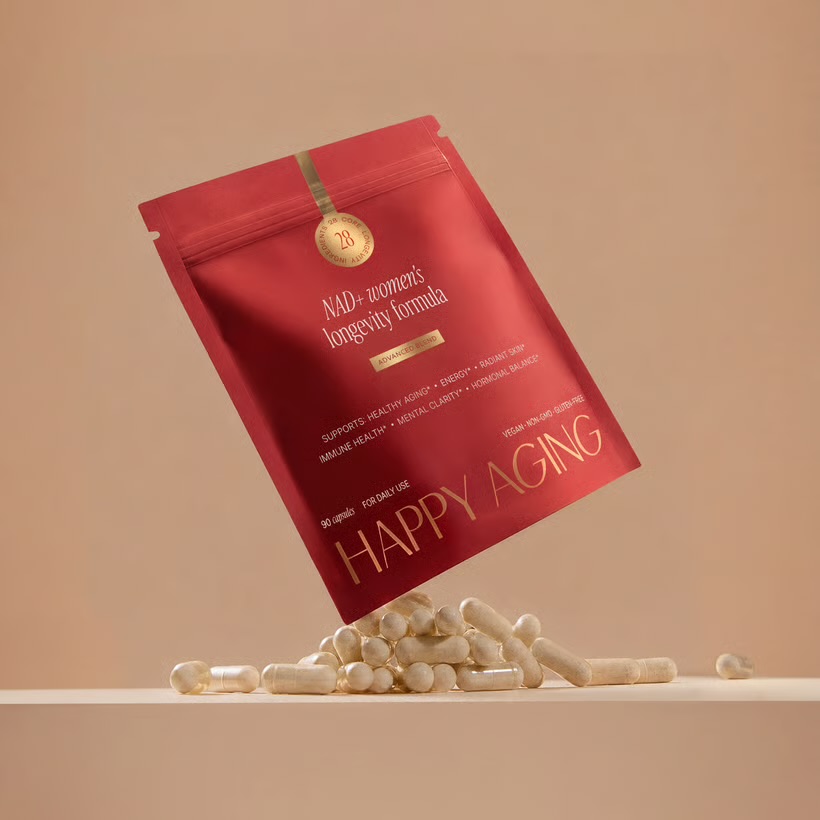
I partnered with Happy Aging to share products that support energy, vitality, and a life grounded in movement, creativity, discovery, and everyday well-being.
Explore My Happy Aging Picks →The Story I Want to Carry Home
By the time I leave a place, I want more than photographs. I want a better question, a new flavor, a wiser boundary, or a small reminder that I am still capable of changing.
The most meaningful travel experiences rarely end when the trip does. They continue through the way I cook, think, write, spend money, choose relationships, or understand a part of the world I once knew only from a distance.
I also want the stories I bring home to honor the people and places that gave them to me. That means resisting the urge to flatten culture into inspiration or turn someone else’s daily life into a decorative lesson about my personal growth.
A responsible story remembers that I was a visitor. It asks what context is necessary, what assumptions I need to challenge, and whether the telling gives people dignity rather than simply making the article more interesting.
I Want a Life That Feels Authored, Not Assigned
A storytelling lifestyle matters to me because it keeps me engaged with my own life. It asks me to notice what I am choosing, what I have outgrown, and which experiences deserve more than a passing glance.
This does not mean romanticizing every difficult moment or pretending that attention can solve every problem. There are seasons shaped by uncertainty, grief, financial pressure, and responsibilities that do not become beautiful simply because I describe them well.
Still, attention changes my relationship with the life I am living. It helps me recognize where joy is present, where something feels misaligned, and where a story is asking me to look again.
That desire sits beside my reflections on romanticizing my life without abandoning reality. Beauty matters, but so does truth. The richest stories hold both.
I want a life that feels authored, not assigned. I want enough intention to make choices that sound like my own voice and enough openness to let the story surprise me.
Some chapters will be dramatic. Most will be shaped by ordinary moments like a woman behind a café counter remembering every customer’s name.
Those moments are not too small to matter.
They are often where the real story begins.
Continue exploring essays about creative independence, cultural travel, personal growth, and building a more intentional life through more DG Speaks stories.