The Woman Returning to London Is Not the Girl Who First Arrived
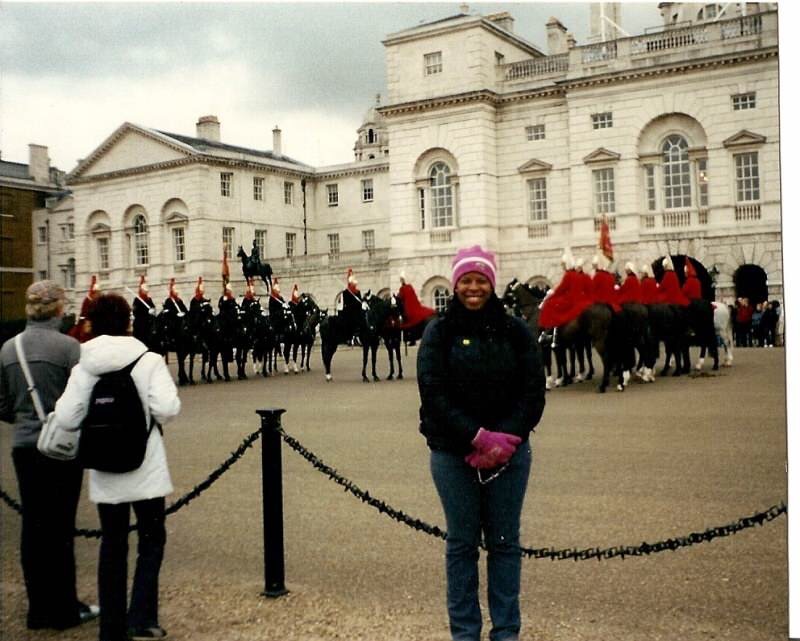
The first time I arrived in London, I was young, single, and still studying in Vermont. It was 2001, and I had planned the kind of backpacking trip that felt enormous because I had not yet lived enough life to understand how much larger the world would become. I traveled from London to York and Edinburgh, flew to Paris for a few days, then returned to London before going home. I was not yet a mother. I had not yet built a career around international development, food systems, public health, culture, and storytelling. I was simply a young woman testing the edges of her independence.
I returned in 2017 with my former boyfriend. That trip belonged to a different version of me too. I was older, more traveled, and carrying more history, but I was still moving through London as part of a couple. The memories are real, yet they are attached to a life that no longer exists.
This time, I am returning alone.
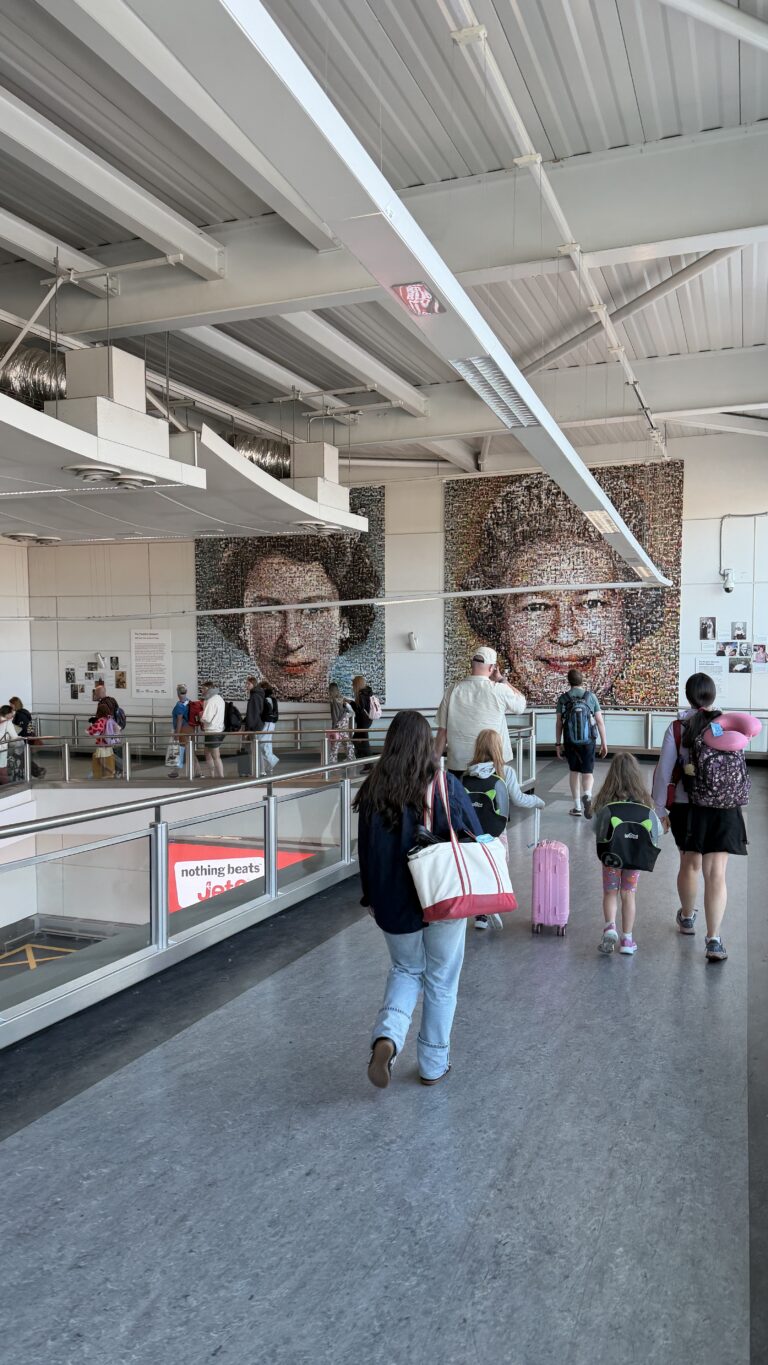
I will arrive in London in late July at 50 years old, after motherhood, graduate school, career changes, heartbreak, reinvention, and a 38-day walk across Spain. The city may be familiar, but the woman walking through it will not be.
I am not trying to recreate either of my earlier trips
There is a temptation when we return to a place to search for the person we used to be. We revisit an old street, restaurant, or landmark and expect the past to rise up intact. Yet travel rarely works that way. A city changes. We change faster.
I am not going back to London to chase the young backpacker who once moved through the city with a paper map and a limited budget. I am not returning to replay the version of London I experienced in a relationship. I want to see what the city offers me now, when I am choosing the pace, the questions, the performances, and the routes for myself.
That difference matters. Solo travel is not simply travel without a companion. It creates a different relationship with attention. I notice more when no one else is setting the rhythm. I make decisions based on curiosity instead of compromise. I can stay longer in a museum, leave a crowded room early, sit quietly with a coffee, or change direction because a side street looks interesting.
Travel has changed me many times, and I have written about that process in How Travel Changes You. Returning to London feels like another chapter in that same conversation.
The London I want now is built around stories
My itinerary reflects who I have become. I am interested in cities as living archives: places where empire, migration, theater, religion, literature, food, and popular culture overlap.
I want to descend beneath modern London to see the London Mithraeum, where the remains of a Roman temple sit below the financial district. I want to stand inside Shakespeare’s Globe, take the morning tour, have lunch at Swan, and then watch A Midsummer Night’s Dream in the afternoon. I will spend a full day with Harry Potter and the Cursed Child, seeing both parts at the Palace Theatre. I also have a Sky Garden reservation and plans connected to Brixton and the Windrush story.
These are not random attractions. Together, they form a portrait of London through time: Roman ritual, Shakespearean theater, Caribbean migration, contemporary fantasy, and the modern skyline. This is the London I want to understand now—not only the famous city, but the layers beneath it.
Returning alone does not mean returning without support
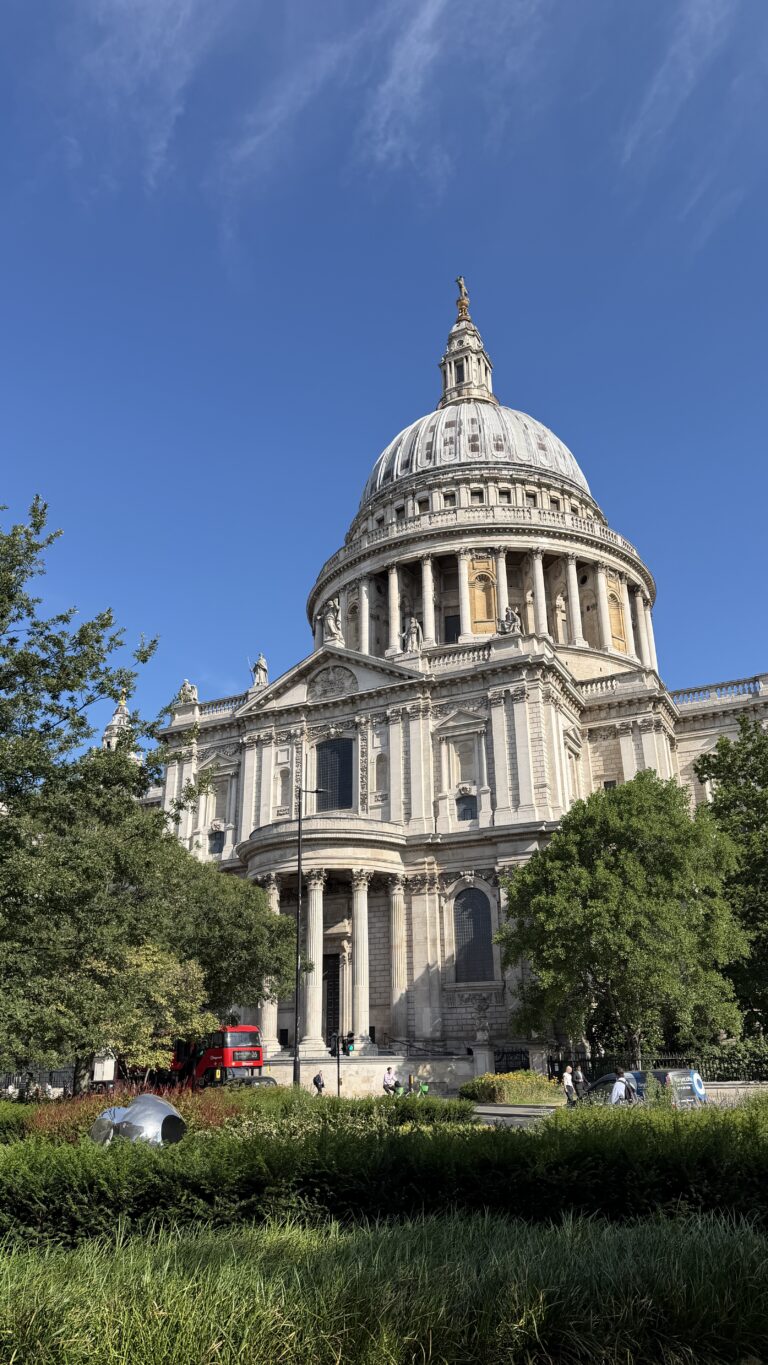
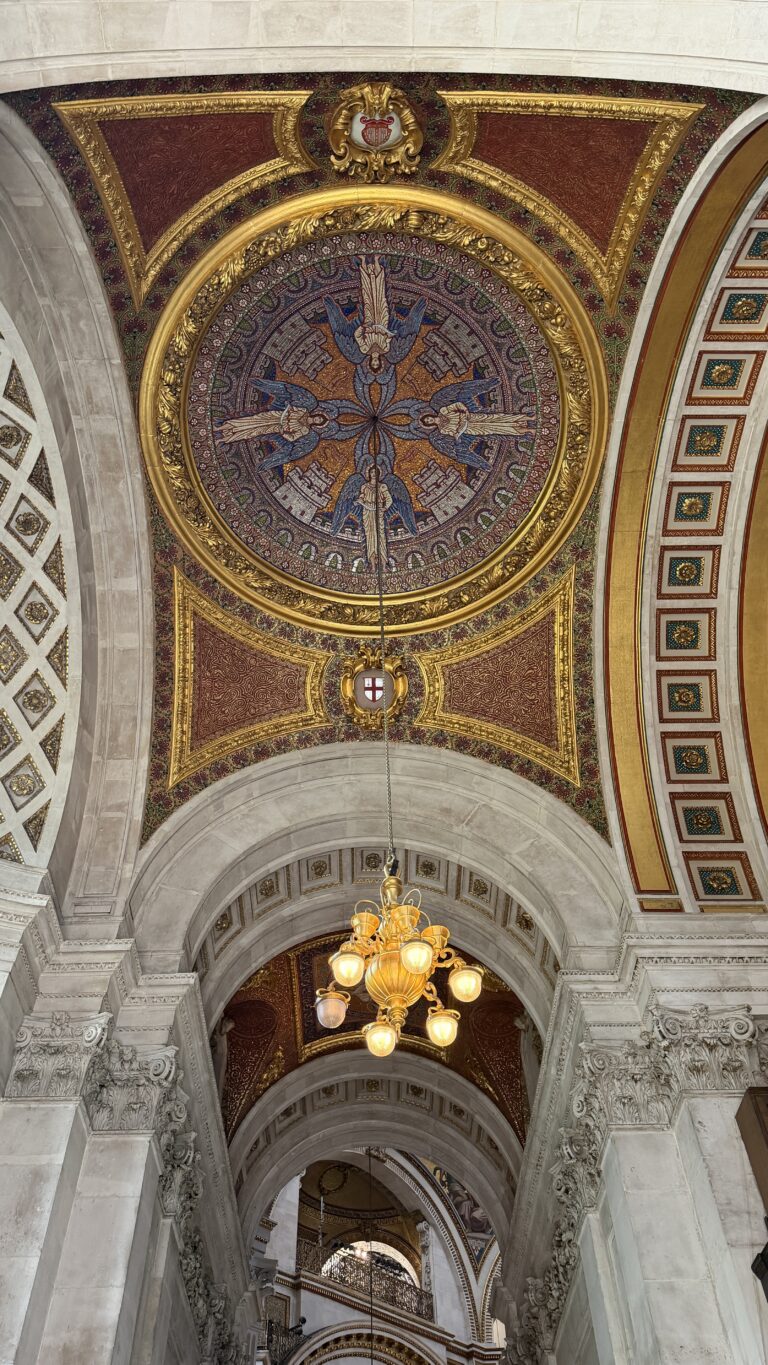
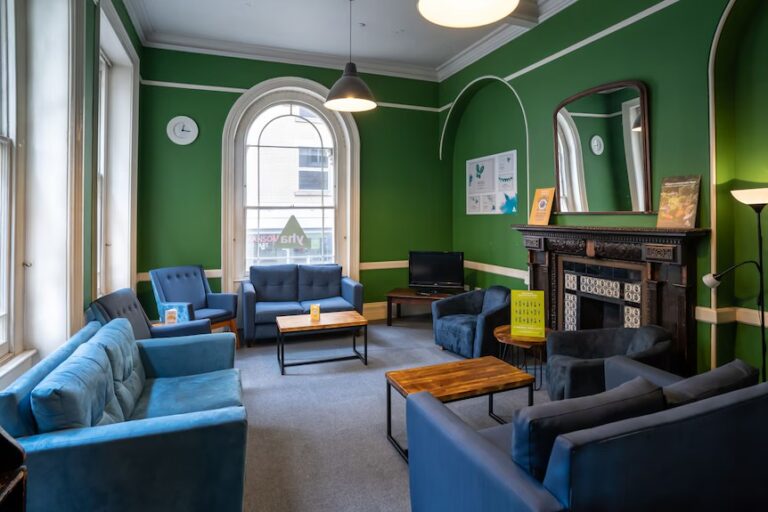
One of the gifts of experience is learning that independence does not require pretending we need nothing. I will be staying at YHA London St Paul’s, using public transportation, checking maps, managing reservations, and moving through a tightly planned few days before I begin walking from London to Canterbury.
For travelers planning their own stay, my Expedia travel shop is a useful place to compare hotels and other travel options. Budget travelers can also browse hostels through Hostelworld. I use hostels selectively now, but the right one can still provide location, affordability, and the kind of independence I value.
Staying connected matters too. I do not want to arrive and start searching for a physical SIM card while managing luggage and transportation. I will use Holafly for an international eSIM; the promo code DGSPEAKS is available at checkout.
There is something powerful about returning at 50
At 50, I no longer confuse youth with possibility. Possibility is not something we age out of. In many ways, age has made travel more meaningful because I bring more context to what I see. I understand history differently. I recognize how gender shapes movement. I pay attention to labor, migration, public space, food, and who gets included in a city’s official story.
I also understand my own body better. I know when I need rest, when I can push, and when discomfort is simply part of the experience. I have less interest in proving that I can keep up with anyone else. The pace that matters is mine.
That lesson became central during my Camino de Santiago. My Camino de Santiago hub holds the practical guides and personal stories from that 38-day journey. London will be the beginning of another pilgrimage, but it will not be a copy of the Camino. I am arriving with more confidence and fewer illusions.
I am curious about the woman who will leave London
My time in London will be brief and full. After several days of theater, history, food, and city movement, I will leave on foot for Canterbury. That shift—from performance halls and crowded streets to long walking days—feels intentional.
London is not only a destination on this trip. It is a threshold. I will arrive carrying memories from 2001 and 2017, but I will not be governed by them. I am interested in what happens when an older woman returns to a city from her youth and allows herself to experience it without nostalgia becoming the itinerary.
The girl who first arrived in London was learning that she could move through the world. The woman returning now already knows she can. This time, I want to discover what she notices, what she releases, and where she decides to go next.