Why Fall Travel Feels Like a Different Kind of Invitation
I remember stepping outside one autumn morning in a city I had been moving through too quickly. The air had turned cooler overnight, leaves gathered along the curb, and the light seemed softer than it had the day before.
Nothing on my itinerary had changed, but the season changed the way I wanted to experience it. I no longer felt pulled toward seeing as much as possible. I wanted to walk without rushing, find something warm to eat, and stay outside long enough to watch the afternoon settle over the streets.
That is what I love about fall travel. Autumn does not ask me to chase the day. It invites me to enter it more slowly.
The season brings layered clothes, long walks, quieter cafés, changing markets, and the reminder that beauty does not need permanence to matter.
The Light Changes the Way I See a Place
Summer light can make a city feel bright, open, and urgent. Autumn light carries another mood.
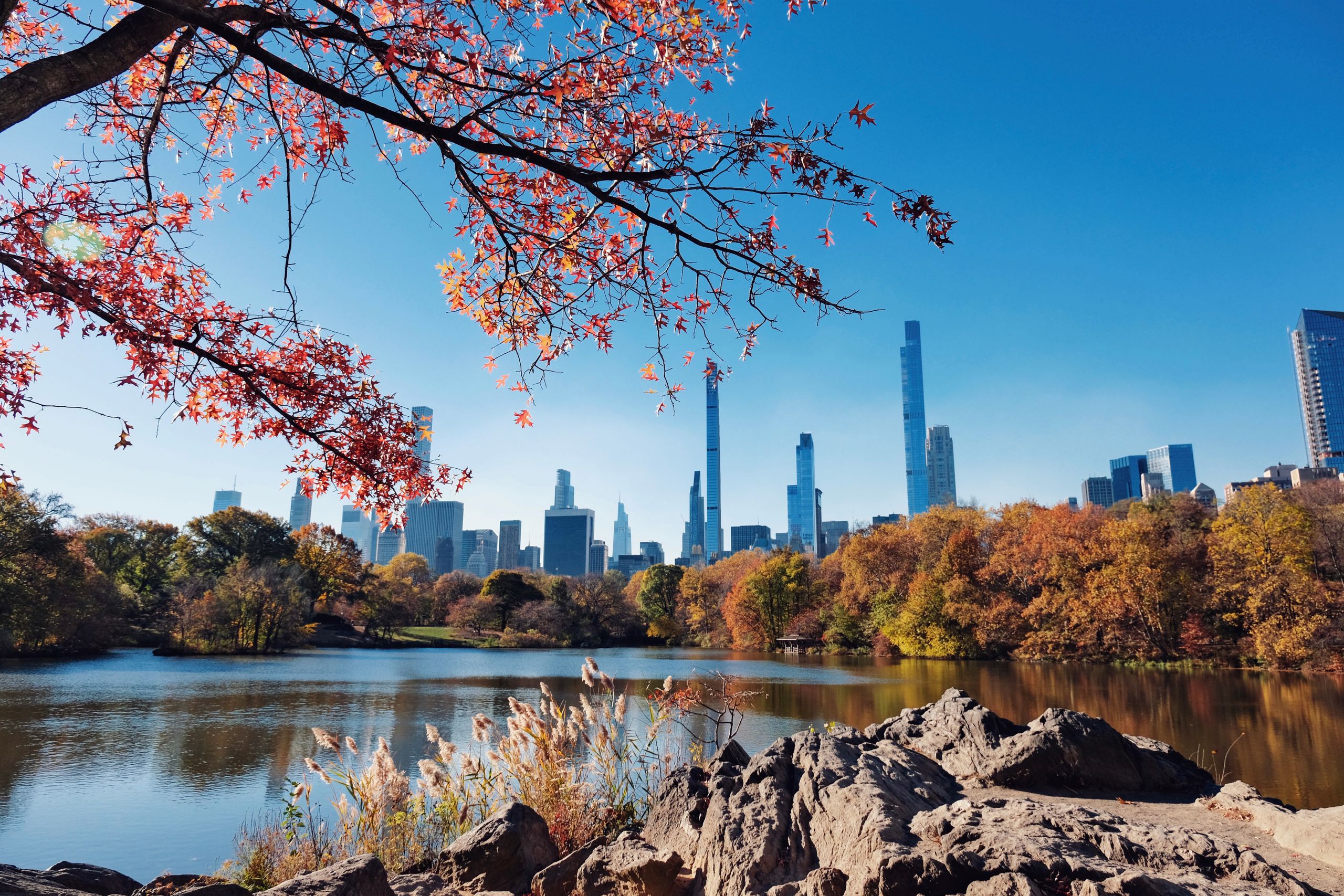
Buildings seem warmer near the end of the day. Parks shift from green into rust, gold, and brown, while ordinary streets begin looking more cinematic without trying to become attractions.
The softer light also changes how I photograph and remember a place. I notice shadows, windows, textures, and the small details that strong midday sun can flatten.
More importantly, the season changes my pace. Shorter days make time feel visible, and I become more selective about how I use it.
I do not need to fill every hour simply because daylight will not last forever.
Autumn Makes Slowness Feel Natural
Slow travel requires permission to leave something unseen.
During fall, that permission feels easier to accept. Cooler weather makes walking more comfortable, and a warm café offers a natural pause instead of feeling like time stolen from the itinerary.
This connects with what I have learned about choosing presence over pace through slow travel. Slowing down does not reduce the journey. It allows the destination to become more than a collection of stops.
I can return to the same neighborhood, sit in a park until the air changes, or spend an afternoon in one museum without wondering what else I should have completed.
The season encourages depth over accumulation.
Fewer Crowds Change the Emotional Texture
In some destinations, summer crowds begin to loosen once autumn arrives. Streets feel easier to navigate, restaurant tables become more available, and popular attractions may feel less like exercises in crowd management.
That does not mean every fall destination becomes quiet. Festivals, school breaks, harvest events, and changing leaves can draw large numbers of visitors.
Still, shoulder-season travel often creates more breathing room.
With less pressure around me, I can pay closer attention to the people who live and work in the place. A shopkeeper has time for a conversation. A guide can answer questions without rushing the group toward the next appointment.
Space changes the quality of attention.
The Season Reveals Everyday Life
Autumn often marks a return to routine.
Schools reopen, residents move back into familiar schedules, and businesses shift away from the intensity of peak tourism. The destination begins presenting more of its ordinary rhythm.
That rhythm interests me because culture rarely lives only in festivals, landmarks, and special events. It also appears in how people dress for the weather, what fills market stalls, and which foods return to restaurant menus.
My approach to respectful curiosity in cultural travel writing depends on noticing those ordinary patterns without pretending that one visit gives me full understanding.
Fall gives me a season in transition. I can observe how the city adjusts without turning local life into a performance staged for me.
Markets Tell the Story of the Season
Autumn markets carry a different kind of abundance.
Squash, apples, pears, root vegetables, mushrooms, herbs, and preserved foods begin replacing the lighter produce associated with summer. The colors deepen, and the food starts inviting roasting, simmering, and slower preparation.
Seasonal ingredients help me understand the relationship between climate and the local table. What appears in a market reflects agriculture, weather, labor, transportation, and what people expect to eat at that time of year.
A market visit also reminds me that fall beauty depends on work. Someone harvested, packed, transported, arranged, and sold everything that makes the display feel abundant.
The season may look effortless. The food system behind it never is.
Warm Meals Become Part of the Journey
Food feels different after walking through cool air.
A bowl of soup, fresh bread, roasted vegetables, or a warm drink can become one of the most memorable parts of the day. The meal does not need to be elaborate because the weather has already created the appetite for comfort.
Local dishes often reveal how communities respond to the season. Ingredients become heartier, cooking times lengthen, and meals begin carrying more warmth.
Food experiences available through GetYourGuide can add context when local guides connect seasonal dishes to farming, migration, family tradition, and regional history.
The best food experiences explain more than what is on the plate. They show why the meal belongs to that place and that moment in the year.
Fall Travel Still Requires Practical Preparation
Autumn weather can change quickly.
A cool morning may turn warm by afternoon, while rain can arrive with little warning. Layered clothing, comfortable walking shoes, and a light rain jacket make it easier to stay outside without carrying too much.
Shorter daylight also deserves attention. I plan long walks earlier, especially when I am unfamiliar with the route or traveling alone.
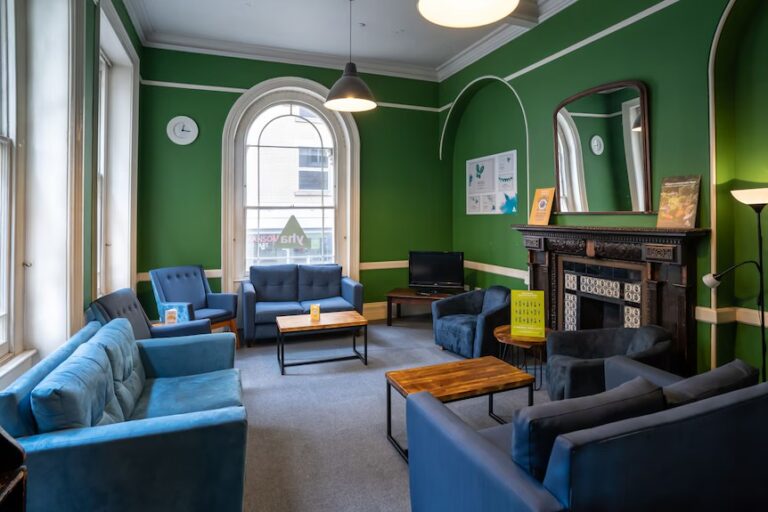
Budget stays available through Hostelworld can make it easier to remain in a destination longer, particularly when I want a social environment or a simple base near public transportation.
Preparation supports the slower pace. When I dress for the weather and understand when the light will change, I can wander without turning the day into a struggle.
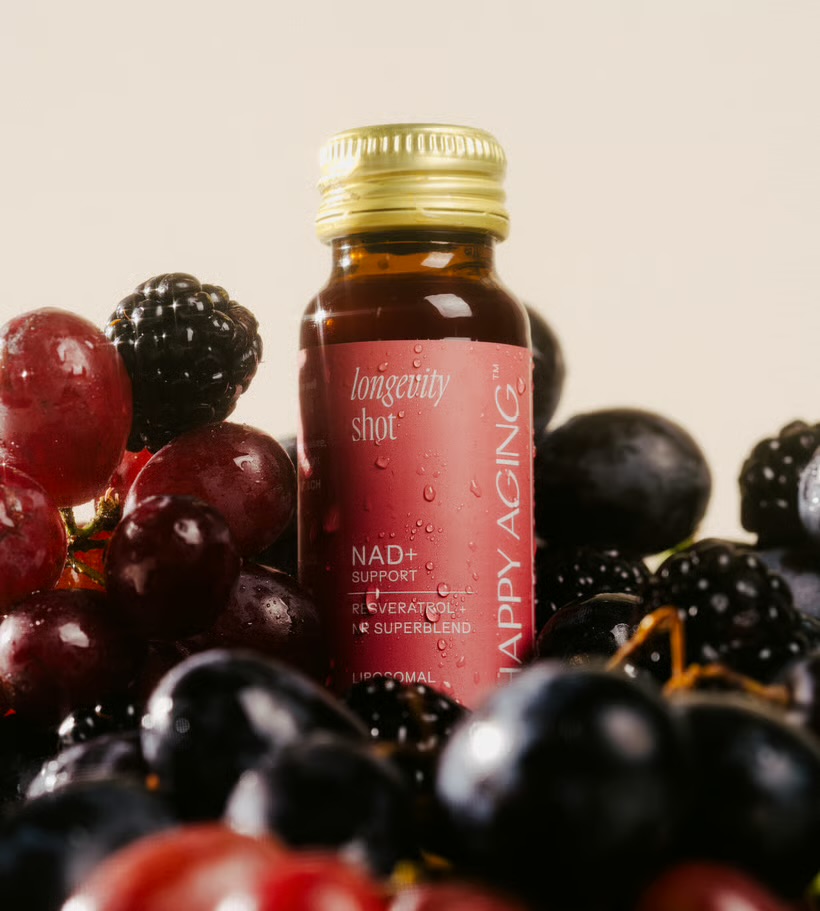
A DG Speaks Recommendation
I want more years to walk through changing seasons and remain curious about what each one brings
I partnered with Happy Aging to share products that support energy, vitality, and an active life shaped by movement, discovery, and change.
The Season Does Not Need to Become a Performance
Autumn has become highly marketable.
Changing leaves, seasonal drinks, sweaters, and carefully styled trips create an image of fall that can feel more like a campaign than a lived season.
I enjoy beauty, color, and the pleasure of documenting a place. Still, I do not want the search for the perfect fall photograph to replace the experience itself.
A rainy afternoon can belong to autumn too. So can bare branches, muddy paths, cold train platforms, and the disappointment of arriving after the leaves have already fallen.
The season becomes more honest when I stop asking it to look perfect.
The Antidote Is Traveling With the Season, Not Against It
Travel encourages control. I want clear weather, ideal light, open attractions, and a schedule that unfolds exactly as planned.
Autumn resists that certainty.
The weather shifts, daylight shortens, and the landscape can change between one week and the next. The trip works better when I stop demanding summer conditions from a season built around transition.
The antidote is flexibility.
I can carry a layer, change the walking route, spend a wet afternoon in a museum, or allow a colder day to lead me toward a café instead of another attraction.
Adapting does not mean settling for a lesser journey. It means allowing the actual season to shape the experience.
Autumn Makes Change Visible
Every season involves change, but fall places it directly in front of me.
Leaves shift color, daylight recedes, and outdoor spaces begin preparing for winter. Beauty appears at the same moment that the landscape starts letting go.
That combination gives autumn its emotional depth.
The season does not pretend that everything can remain at its peak. It shows that change may carry loss and beauty at once.
Travel often places me inside a similar transition. I arrive knowing I will eventually leave, and I begin loving a place while the departure already exists somewhere ahead.
Fall makes that truth easier to accept.
Why Fall Feels More Honest to Me
When I remember that cool morning, I think about how quickly my plans loosened. I still visited places I wanted to see, but I stopped treating the day as something I needed to conquer.
The air invited walking. The changing light encouraged pauses, and a warm meal felt like part of the destination rather than an interruption from it.
Fall travel suits the way I increasingly want to move through the world. I want enough structure to feel prepared and enough space to let the season change the plan.
Autumn does not promise endless daylight, perfect weather, or permanence. Its beauty carries change within it.
That may be why it feels honest.
The season reminds me to notice what is here, enjoy it without demanding that it last, and keep walking as the light changes.
Continue exploring reflections on seasonal travel, cultural curiosity, and moving through the world at a more thoughtful pace through DG Speaks Travel.