The First Peach of the Season Deserves Attention
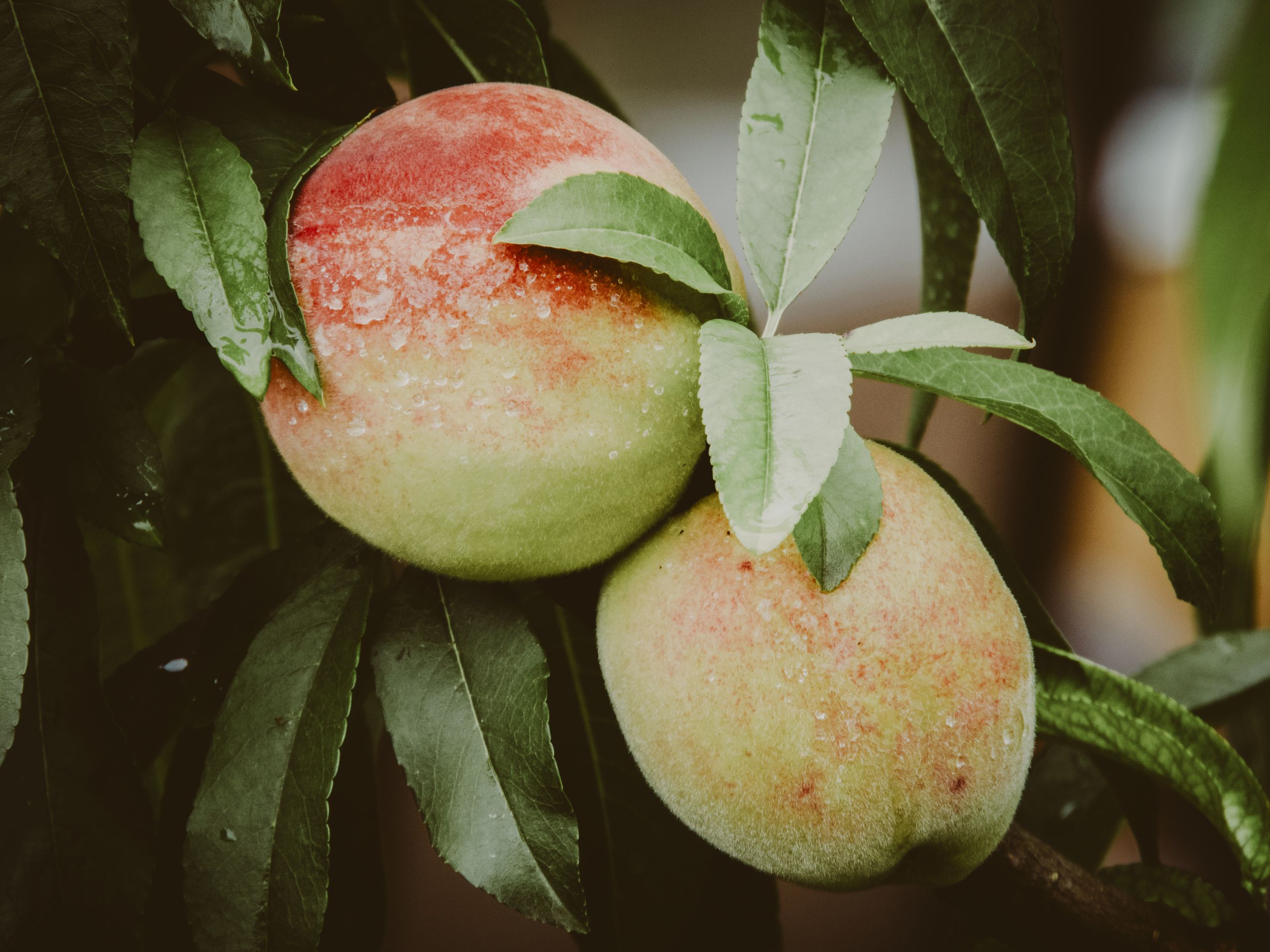
The first peach of the season was sitting in a paper bag on my kitchen counter.
I had bought it that morning from a farmers market after the vendor picked it up, pressed it gently near the stem, and told me it would be ready later that day.
“Not yet,” she said. “Give it a few hours.”
So, I waited.
By afternoon, the peach had softened slightly. Its scent reached me before I touched it—a warm, floral sweetness that made the entire kitchen feel more like summer.
I carried it to the sink because I already knew the juice would run.
The first bite confirmed it.
The flesh gave way immediately, and juice moved across my fingers and down my wrist. I leaned over the sink, laughing at myself for believing I could eat it neatly.
For those few minutes, I did nothing else.
I did not check my phone. I did not continue working or stand there planning dinner. I gave the peach my full attention because the first peach of the season deserved more than a distracted bite between tasks.
A good peach is never only a snack.
It is weather, waiting, soil, labor, and sweetness arriving at the same time.
The Peach Asked Me to Slow Down
Some foods allow distraction.
I can eat them while walking, working, driving, or moving from one task to the next. A ripe peach refuses that kind of treatment.
It bruises easily. The juice escapes, and the flesh can collapse if I grip it too tightly.
The fruit requires presence.
I need a napkin, a sink, or enough willingness to accept the mess. Either way, I have to pause.
That small interruption feels valuable in a life that often rewards speed.
The peach reminds me that pleasure can require both hands.
Waiting Makes the Sweetness More Specific
Peaches appear in grocery stores outside their local season, but the first truly ripe peach of summer feels different.
Part of the difference is flavor.
Another part is anticipation.
I have spent months without that particular sweetness. I remember it, but memory cannot fully reproduce the texture, fragrance, or warmth of fruit that has reached its proper moment.
Waiting sharpens attention.
The peach does not become valuable simply because it was unavailable. Its brief season teaches me to recognize when something has arrived rather than treating it as though it will always be there.
Modern Convenience Can Flatten Anticipation
I appreciate the convenience of being able to buy many foods throughout the year.
Still, constant availability changes the relationship.
When everything appears in every season, food can begin feeling detached from time. Strawberries no longer mean spring, tomatoes no longer announce summer, and apples stop carrying the particular feeling of autumn.
Seasonal eating restores some of that rhythm.
It tells me that timing matters.
The best flavors often refuse to be rushed, even when modern distribution makes the imitation of readiness possible.
A Peach Carries Weather Inside It
A peach does not taste the same every year.
Too much rain can dilute flavor. A late freeze may damage blossoms before the fruit has a chance to form, while heat, drought, or storms can affect the size and quality of the harvest.
The fruit carries those conditions quietly.
I may see only a beautiful peach on a market table, but the grower sees the season behind it.
They remember the cold morning that threatened the trees, the weeks without enough rain, or the day the weather finally shifted.
Each bite contains a history I cannot see simply by looking at the skin.
The Market Table Makes the Season Visible
At the farmers market, peaches have presence.
They sit in shallow baskets because they cannot tolerate careless stacking. Some are firm enough to travel home safely, while others are already fragrant and ready to eat.
A knowledgeable vendor knows the difference.
They can identify which peach belongs in today’s lunch and which one needs another day on the counter.
That conversation is part of why farmers market stories are worth slowing down for.
The person behind the table offers more than a product.
They provide information about timing, variety, weather, storage, and what the fruit needs next.
Ripeness Is a Form of Knowledge
Knowing when a peach is ready requires attention.
Color alone can mislead. The fruit needs to yield slightly without feeling bruised, and fragrance often reveals more than appearance.
This kind of knowledge develops through repetition.
Growers, vendors, cooks, and people who have handled peaches for years recognize details that a casual shopper may miss.
I value those small lessons.
They reconnect eating with observation.
Instead of treating food as a standardized object, I begin understanding it as something alive that continues changing after I bring it home.
The Grower Is Present in the Sweetness
It is easy to describe a peach romantically while overlooking the work behind it.
Someone planted and tended the trees. They monitored pests, weather, soil, and irrigation while waiting years for young trees to produce fully.
Harvest requires care because ripe peaches bruise so easily. The fruit must then be sorted, packed, transported, displayed, sold, and protected from heat.
The sweetness may feel effortless.
The labor is not.
This belongs beside my reflections on women leading change throughout food systems.
Women contribute to growing, harvesting, sorting, selling, cooking, and preserving fruit, often while their work remains less visible than the finished product.
Seasonal Pleasure Should Not Hide Agricultural Risk
Summer fruit represents pleasure for the consumer.
For the farmer, it may also represent financial risk.
A damaged crop cannot always be replaced. Trees require long-term investment, and one severe weather event can affect an entire season’s income.
Customers may respond to a higher price by comparing it with cheaper fruit elsewhere.
The grower may know that the price still does not fully reflect the cost of land, labor, water, equipment, transportation, and loss.
Appreciating seasonal food means seeing both sides of the table.
Beauty Does Not Automatically Create Access
A basket of peaches can make abundance visible.
That does not mean everyone can afford to bring it home.
Seasonal fruit may feel like a simple pleasure, yet price, transportation, market hours, and location shape who has access to it.
Farmers deserve fair compensation.
Families deserve nourishing, flavorful food.
Those needs should not be treated as opposing values.
A stronger food system would create more ways to support growers while helping communities afford what they produce.
The Fruit Reminds Me That Perfection Is Fragile
Peaches do not remain perfect for long.
One day, the fruit feels too firm. The next, it is ready. Wait another day, and a bruise may spread beneath the skin.
That narrow window can feel inconvenient.
It is also part of the beauty.
The peach asks me to respond while the moment is present.
I cannot keep postponing pleasure while expecting the fruit to remain exactly as it is.
Bruised Fruit Still Has Possibilities
A peach does not become useless because it softened too much for eating neatly.
It can still become a sauce, smoothie, cobbler, jam, compote, or topping for breakfast.
The form changes.
The value remains.
This flexibility matters because delicate fruit can easily become waste. Appreciating the peach means using it before perfection becomes the only condition under which I consider it worthy.
Food Memory Can Begin at the Sink
I have eaten peaches in many places and at different points in my life.
Still, the memory often contains the same details.
Juice running over my hand. The smell of the skin and the need to lean forward before the fruit stains whatever I am wearing.
The experience is physical enough to become memorable.
Years later, one bite can bring back another kitchen, roadside stand, backyard, or summer.
Food memory often works this way.
The body remembers before I begin telling the story.
Summer Has a Flavor Before It Has a Date
The calendar may announce summer on one day.
My senses recognize it through food.
A ripe peach can make the season feel official. So can the first tomato that actually tastes like a tomato or the first berries with enough sweetness that they need nothing added.
The season enters through appetite.
That may be why certain foods carry more emotional weight than their size suggests.
They do not simply taste good.
They confirm that time has moved.
Travel Changes the Meaning of Seasonal Fruit
Different places organize their food calendars differently.
Climate, altitude, agriculture, and cultural practice influence when fruit appears and how people use it.
While traveling, I may encounter peaches in pastries, preserves, drinks, sauces, salads, or savory dishes I would not have considered at home.
A food or market experience found through GetYourGuide can help explain how local seasons shape the table.
A guide can offer history and context.
The market still tells part of the story through what people are carrying home.
The Simplest Preparation Often Feels Like Enough
A truly good peach does not need much.
I may slice it into yogurt, add it to oatmeal, or serve it beside something savory. Still, eating it alone often feels like the fullest expression of the fruit.
No recipe competes with the fragrance or texture.
That simplicity reminds me that cooking with the season does not always require doing more.
Sometimes, the best decision is to interfere less.
Fresh Fruit Can Shape the Rest of the Meal
Seasonal cooking often begins with one ingredient.
I may plan the rest of the plate around what I found at the market rather than beginning with a rigid menu.
A ripe peach could become part of breakfast or appear beside grilled meat, greens, grains, or cheese. When I need proteins for home meals, I may use a resource such as ButcherBox and build the rest of the meal around what is fresh.
The seasonal ingredient gives the plate its moment.
Pleasure Does Not Need to Become Excess
The market table can make me want more than I need.
The peaches look beautiful in their baskets, and I imagine pies, breakfasts, snacks, and several perfect days of fruit.
Then, I remember how quickly they ripen.
Buying fewer peaches can be a form of respect.
I take home what I can eat and allow myself to return if the season continues.
Abundance does not require possession of everything at once.
The Final Bite Tastes Like Time
By the time I finished that first peach, only the pit remained in my hand.
The sink needed rinsing. My fingers were sticky, and a drop of juice had reached my shirt despite my efforts.
The entire experience lasted only a few minutes.
Still, it felt complete.
I had waited for the fruit to ripen, paused long enough to taste it, and allowed the moment to be messy.
Nothing about it could be saved exactly as it was.
That was part of the pleasure.
Why One Peach Can Hold a Season
The first peach of the season deserves attention because it carries more than sweetness.
It carries the weather that shaped it, the grower who tended it, and the patience required to wait until the fruit became ready.
Seasonal food reminds me that timing still matters.
Not everything improves through constant availability, speed, or control. Some pleasures become richer because they arrive briefly and cannot be held indefinitely.
A good peach asks me to notice.
It asks me to stop multitasking, lean over the sink, and accept that real ripeness may be inconvenient.
One peach can hold an entire season because it gathers sunlight, rain, labor, memory, and anticipation inside one fragile piece of fruit.
Pleasure often has a season.
That does not make it less valuable.
It makes it worth recognizing while it is here.
Explore more stories about seasonal food, farmers markets, food memory, and the people behind what we eat through DG Speaks Food. You can also discover how markets and local flavors shape the experience of place through DG Speaks Travel, or read more about culture, labor, memory, and everyday pleasure through DG Speaks Culture.