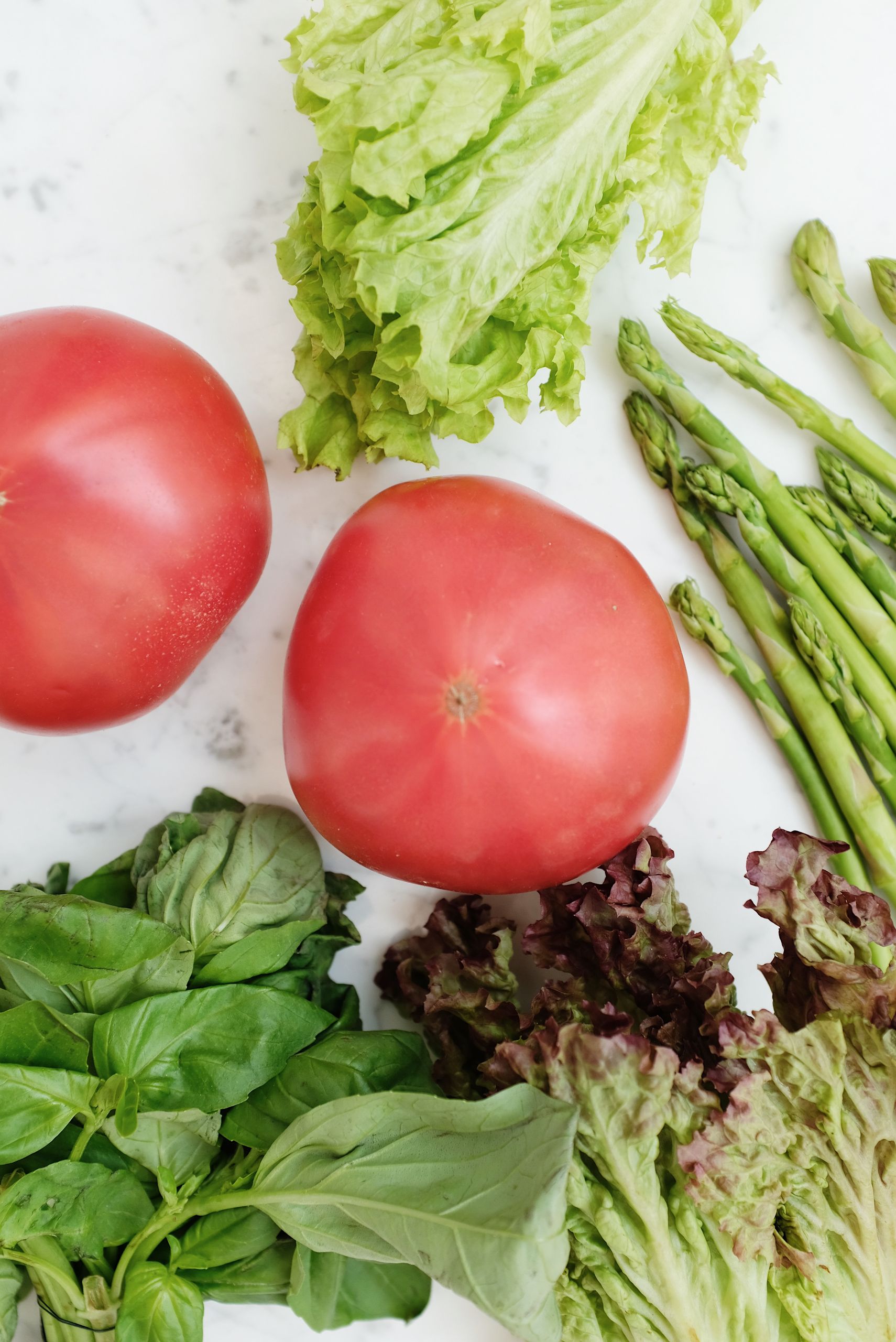
I Want Food That Still Knows Where It Came From
I was standing at a market table when the smell of basil reached me before I had decided what to buy. The leaves were piled beside crooked carrots, soft peaches, and tomatoes that did not match one another in size or shape.
Nothing looked styled. A little soil still clung to some of the roots, several leaves had small holes, and the peaches were ripe enough that I knew they would not wait patiently in my kitchen for the perfect moment.
That table made me hungry in a way a polished grocery display often does not. The food seemed awake.
I realized that I need food that feels alive.
Not perfect, precious, or arranged only for a photograph. I want color, scent, texture, season, and some visible evidence that what I am eating came through soil, weather, labor, and time before it reached me.
Alive food wakes up my appetite because it still seems connected to a place. Herbs release their scent before I cut them. Fresh bread changes the room when the bag opens, while ripe fruit announces that it will not wait forever.
That urgency is part of the pleasure. Food that feels alive asks me to pay attention while it is here.
I Want Color That Has Not Given Up
Color changes the way I approach a meal. Deep greens, purple roots, bright citrus, golden squash, and uneven loaves of bread speak before I cook them.
They do not need to look flawless. In fact, perfection can make food feel strangely distant, as though it were manufactured to meet a visual standard rather than grown through biological variation.
Some of the meals I love most are brown, beige, or softened by hours of cooking. Alive food is not a color palette. It is food that still carries character after it reaches the plate.
Freshness Has a Human Story
Freshness is often presented as though it happens naturally and effortlessly. A market table fills with herbs, fruit, eggs, greens, flowers, and bread, then customers arrive to admire the abundance.
Long before the display looked beautiful, someone planted, weeded, harvested, washed, sorted, packed, transported, unloaded, and arranged everything in front of me. The work may have begun before sunrise and continued through weather that shoppers never had to feel.
This is why farmers markets hold food stories worth slowing down for. The market is not simply an attractive place to shop. It is where labor becomes briefly visible before the food becomes anonymous again.
Freshness is not magic. It is work that deserves to be noticed and paid for.
A Plate Can Carry Weather
Food brings the season with it, even when the final dish looks calm. Too much rain can damage a crop, while heat changes ripening and drought reduces what a field can produce.
Those conditions eventually appear through price, size, flavor, and availability. A peach may arrive later than expected, greens may become tougher, or a familiar ingredient may disappear from the market entirely.
A plate with weather in it will not look identical every year. That variation reminds me that agriculture is not a factory process, even when the modern food system tries to make it feel predictable.
Eating seasonally helps me accept that food has rhythms I do not control.
The Farmer Is Part of the Meal
I do not want to talk about ingredients while erasing the people who produce them. Farmers carry financial risk, physical strain, uncertainty, and knowledge that cannot be separated from the food itself.
Women perform essential work throughout food systems as growers, vendors, processors, cooks, researchers, organizers, and business owners. Their contribution often remains underpaid or hidden behind language that treats food preparation as instinct rather than expertise.
My reflection on women leading change across food systems grows from that recognition. A lively stall may represent generations of knowledge, hours of physical labor, and one household carrying the consequences when a harvest fails.
Honoring the ingredient requires me to see the worker too.
Perfection Creates Distance and Waste
Modern food retail teaches us to expect uniformity. Produce should be the correct size, shape, color, and texture before it earns a place on the shelf.
That expectation makes biological variation look like failure. A scarred apple, crooked carrot, or unusually shaped squash may be rejected even when it remains perfectly usable.
Not every imperfection is harmless, and spoilage should never be romanticized. Still, appearance alone does not determine whether food has value.
When beauty becomes too narrow, edible food is discarded before anyone has the chance to taste it.
Markets Help Food Feel Less Anonymous
A market can shorten the emotional distance between me and what I eat. I may learn when something was harvested, how the seller prepares it, or why this week’s crop looks different from the last one.
That conversation does not make the entire system transparent. Some vendors grow what they sell, while others work through larger distribution networks. I do not assume intimacy simply because the setting feels local.
Even so, markets encourage questions that supermarkets rarely invite. They remind me that an ingredient has a route, a season, and people attached to it.
Food experiences available through GetYourGuide can offer similar context while traveling when local guides explain how markets, agriculture, migration, and everyday cooking connect. Tasting becomes more meaningful when I understand what the food means beyond my own appetite.
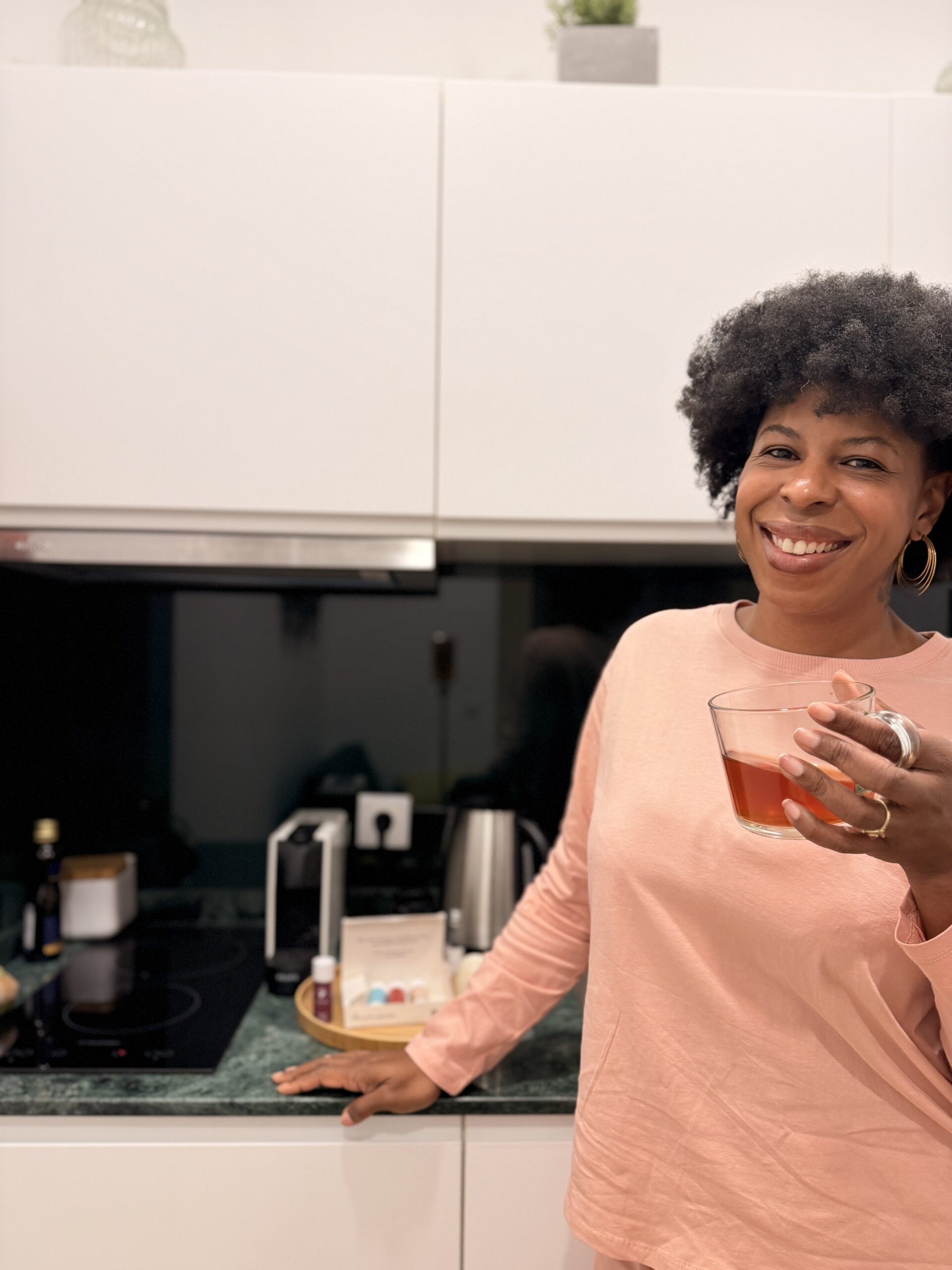
A DG Speaks Recommendation
I want more years of tasting, cooking, traveling, and staying curious
I partnered with Happy Aging to share products that support energy, vitality, and a life that remains fully engaged.
Convenience Is Not the Enemy
Food does not become more meaningful simply because it required more labor. Frozen vegetables, canned beans, prepared broth, pre-cut produce, and other conveniences can make cooking possible when time, energy, mobility, or kitchen access is limited.
I do not want a romantic vision of alive food that depends on one exhausted woman doing everything from scratch. Care should not require depletion.
The question is not whether every ingredient is fresh or local. I am more interested in whether the meal still offers flavor, nourishment, texture, and some connection to the people eating it.
Convenience can support that connection when it creates enough room for cooking to remain possible.
The Antidote Is Attention, Not Purity
The answer to a disconnected food system is not personal perfection. I cannot solve labor exploitation, food insecurity, climate risk, weak infrastructure, or unequal access by shopping correctly once a week.
Purity thinking also turns food into another way to judge people. Not everyone has the same markets, transportation, time, income, storage, physical ability, or cooking facilities.
The antidote is attention.
I can ask where food came from when that information is available. I can support farmers and food businesses I trust, use more of what I buy, remain flexible about appearance, and learn which ingredients are actually in season.
Those actions do not create a perfect system. They keep me from becoming completely passive inside the one I inhabit.
Eating Closer to the Source Can Take Many Forms
Sometimes eating closer to the source means shopping at a farmers market. On another day, it may mean buying directly from a small producer, joining a community-supported agriculture program, growing herbs, or learning more about the companies supplying my food.
Intentional sourcing can also include services that make planning easier. Ingredients from ButcherBox can support meals at home by helping me plan selected meats alongside vegetables, grains, beans, and seasonal sides.
No single source has to meet every value or every need. A resilient approach allows local markets, grocery stores, frozen foods, delivery services, home gardens, and community resources to coexist.
Closer does not always mean geographically nearest. It can also mean closer in knowledge, intention, and respect.
Keeping Food Alive Means Using It
Fresh food changes quickly. Greens wilt, fruit softens, herbs darken, and bread loses its first-day texture.
That change can create waste when I buy for an ideal week rather than the week I am actually going to live. A refrigerator full of beautiful ingredients means little if I do not have the time or energy to use them.
Part of the antidote is buying with honesty. I need to consider how many meals I will cook, what must be used first, and which ingredients can survive a changed plan.
Soft fruit can become sauce or a smoothie. Wilted greens may still belong in soup, while stale bread can become toast, crumbs, or the base of another dish. Respect continues after the food enters my kitchen.
A Living Plate Does Not Need to Be Complicated
A meal can feel alive without becoming an elaborate project. Fresh herbs over beans, seasonal fruit beside breakfast, greens folded into soup, or good bread served with something warm may be enough.
What I want is contrast and presence. Something crisp beside something soft, acidity cutting through richness, or an ingredient that tastes unmistakably like itself can change the entire plate.
Cooking this way helps me stop treating food as either convenience or performance. The meal can be practical and still carry season, memory, and care.
Aliveness often comes from one attentive choice rather than ten complicated ones.
I Want Food That Still Knows Where It Came From
When I think back to that market table, I do not remember perfection. I remember the smell of basil, the soil still clinging to the roots, and the sense that the food had arrived carrying a story.
Alive food reminds me that eating is a relationship rather than a transaction. The plate connects me to soil, weather, farmers, vendors, cooks, transportation workers, and every person whose labor moved the ingredient closer.
I want color that has not given up, bread with enough scent to change the room, and produce that reflects a season instead of pretending every month is the same. More importantly, I want to remain awake to the systems behind that beauty.
The antidote to anonymous food is not guilt. It is curiosity, attention, flexibility, and a willingness to value food before it becomes perfect, convenient, or photogenic.
Eating closer to the source helps me remember that food was alive before it became a product. My work is to meet it with enough care that some of that life remains when it reaches the table.
Continue exploring stories about farmers, seasonal ingredients, kitchen choices, and the systems shaping what we eat through DG Speaks Food.