The Freedom Inside a Long Weekend
I almost talked myself out of the trip because it was only three days.
By the time I considered transportation, lodging, packing, and the work waiting for me afterward, the weekend started feeling too short to justify the effort.
I told myself I should save the money for a longer journey. Perhaps I should stay home, catch up on everything I had postponed, and travel when I could do it properly.
Still, I kept looking at photographs of a nearby town I had never visited.
It was close enough to reach without flying. There was a small museum, a walkable historic center, a market, and a trail along the water. I could arrive Friday evening and return Monday without turning the trip into a complicated operation.
So, I went.
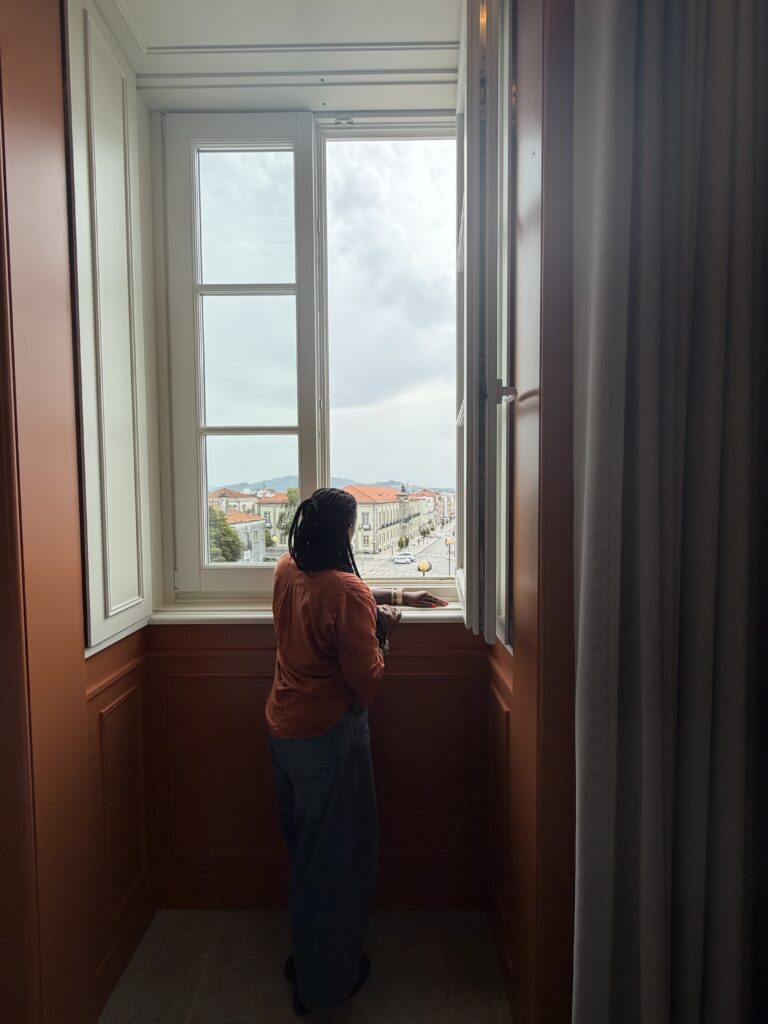
On the first morning, I woke in an unfamiliar room without my usual list of household tasks waiting beside the bed. I made coffee, opened the curtains, and stood there longer than necessary looking at a street where nobody knew me.
The destination was not far from home.
Emotionally, it felt far enough.
That is what thoughtful long weekend travel can offer.
It may not be a grand vacation, but three days can interrupt a season that has become too repetitive. A little distance can help me hear myself again.
Three Days Can Change the Rhythm
A long weekend does not transform my entire life.
The same responsibilities will still be waiting when I return. Work remains, bills remain, and anything unresolved before the trip may still require attention afterward.
Yet, a few days can change my relationship with those responsibilities.
At home, routines gather momentum. I move through familiar rooms, see the same unfinished tasks, and respond to the same demands in the same order.
Travel interrupts that sequence.
Even a nearby trip gives the body different information. I wake to another view, walk unfamiliar streets, and make decisions based on curiosity rather than habit.
Sometimes, that brief interruption is enough to restore perspective.
I Do Not Need to Cross an Ocean to Feel Elsewhere
There is a cultural tendency to measure travel through distance.
The farther I go, the more meaningful the journey appears. International travel is treated as transformation, while a nearby trip may sound like a consolation prize.
I do not believe meaning works that way.
A town two hours away can contain history, food traditions, landscapes, and communities I know little about. A neighborhood across my own city may challenge assumptions I formed without ever spending meaningful time there.
Travel begins when I become attentive.
Distance helps create separation, but curiosity creates experience.
Nearby Wonder Requires a Different Kind of Vision
It is sometimes easier to notice beauty far from home.
When I travel internationally, I expect discovery. I study architecture, ask questions, and pay attention to small differences because the environment feels unfamiliar.
Closer to home, familiarity can make me dismissive.
I tell myself I can visit someday. The town, museum, shoreline, or trail remains available enough that I never make an actual plan.
A long weekend gives nearby places a date.
Once I choose to go, I begin looking with the same curiosity I would bring to somewhere much farther away.
The Trip Needed One Reason, Not Twenty
I used to believe a short trip needed a full itinerary to justify the expense.
If I paid for transportation and a room, I should see everything available. The days became packed with reservations, attractions, restaurants, and long lists of places I was afraid to miss.
That approach made the trip feel productive.
It did not always make it restorative.
Now, I prefer one strong reason to go.
It may be an exhibition, a festival, a restaurant, a trail, or simply a town I have been curious about.
That anchor gives the weekend shape without controlling every hour.
One Anchor Activity Creates Enough Structure
On that trip, my anchor was the museum.
I booked a morning ticket and allowed the rest of the day to remain open. Afterward, I walked toward the market, stopped for lunch, and followed a street because the buildings looked interesting.
Nothing else required a reservation.
That balance helped me enjoy the museum without spending the entire visit worrying about the next appointment.
Planning can create freedom when it reduces uncertainty.
It becomes restrictive when every hour belongs to a schedule.
Slow Travel Is Possible Even When Time Is Short
Slow travel does not always mean staying for weeks.
It can also describe how I use the time available.
I can spend three days rushing through ten attractions, or I can choose fewer experiences and let them become more complete.
This connects with what slow travel has taught me about choosing presence over pace.
Slowness is not only a measure of duration.
It is a relationship with attention.
The Arrival Night Does Not Need to Perform
Friday evening can easily become another opportunity to overfill the trip.
I arrive tired but feel pressure to begin immediately. I search for the perfect restaurant, evening tour, or attraction because the weekend already feels as though it is disappearing.
Increasingly, I let the arrival be simple.
I check in, learn the immediate neighborhood, find something to eat, and prepare for the next morning.
That first quiet evening helps the body understand that it has left one rhythm and entered another.
A Good Meal Can Become the Heart of the Weekend
I like choosing one meal with intention.
It does not need to be the most expensive restaurant or the place with the longest list of recommendations. I want somewhere connected to the destination, whether through ingredients, history, ownership, or the way local people use the room.
The meal becomes more meaningful when I do not rush through it on the way to another activity.
I can watch the room, ask a thoughtful question, and let the food become part of how I remember the place.
Not Every Meal Needs to Be an Event
The other meals can remain practical.
A bakery breakfast, market lunch, grocery-store picnic, or simple dinner near the hotel may suit the weekend better than three elaborate reservations.
Short trips can become unnecessarily expensive when every meal is treated as a major travel experience.
I want one meal I will remember.
The rest can support the journey.
Walking Helps a Small Destination Expand
A place often feels larger when I walk it.
I notice the transition between the historic center and residential streets. A shop, garden, church, mural, or public square appears that I would have missed from a vehicle.
Walking also gives the weekend more texture without increasing the budget.
I am doing something, but I am not constantly purchasing access to the destination.
The town becomes an experience rather than a sequence of transactions.
A Short Solo Trip Builds a Particular Kind of Trust
Long weekend travel can be a useful way to practice traveling alone.
The distance is manageable, and the commitment feels less intimidating than an extended journey. I can learn how I respond to unfamiliar transportation, solo dining, and making decisions without another person’s input.
This connects with my reflections on building solo travel confidence by finding my own rhythm.
Confidence grows through manageable experiences.
I do not need to begin with the most difficult version of independence.
My Own Pace Becomes the Luxury
When I travel alone, I decide when the day begins.
I can spend longer at the museum, return to the room for an afternoon break, or change dinner plans because I am still full from lunch.
That flexibility feels especially valuable during a short trip.
I am not negotiating every decision or trying to satisfy several definitions of what the weekend should include.
The freedom is not that I can do everything.
It is that I can choose what is enough.
Where I Stay Shapes the Entire Weekend
For a short trip, location often matters more than luxury.
A room near the places I want to explore reduces transportation time and makes it easier to return for a break.
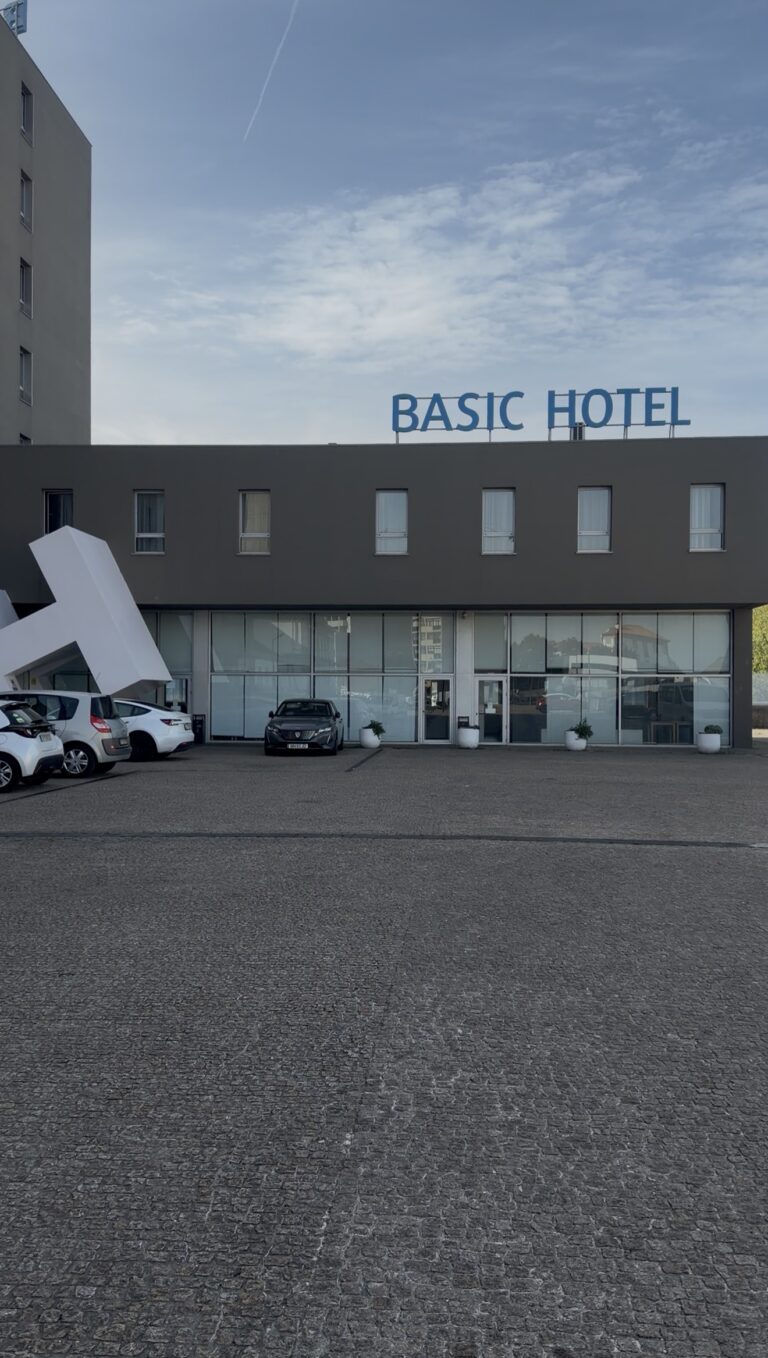
When comparing budget-friendly stays through Hostelworld, I pay attention to the neighborhood, public transportation, guest reviews, and whether I can comfortably walk to food and activities.
A low room rate loses some of its value if reaching everything requires expensive rides or long commutes.
One Night Away Can Still Create Distance
Not every long weekend needs three hotel nights.
Sometimes, one night is enough.
Leaving early, staying overnight, and returning the following evening can create a meaningful break without stretching the budget too far.
The overnight matters because waking somewhere else changes the experience.
A day trip can be refreshing.
A night away allows the new rhythm to continue into morning.
Budget Travel Works Better With Priorities
A limited budget requires choices.
I decide what matters most before the trip begins. Perhaps I care more about a central location than a private room. Maybe the exhibition ticket matters more than a formal dinner.
Priorities prevent every expense from feeling equally necessary.
I can spend where the experience gains value and simplify elsewhere.
Budget travel becomes frustrating when I attempt to reproduce a luxury itinerary with less money.
It becomes creative when I design a different kind of trip.
Nearby Experiences Can Add Context Without Taking Over
A guided walk, food tour, museum visit, or local excursion can deepen a short stay.
I may use GetYourGuide to find one experience that helps me understand the history, architecture, or culture of the destination.
The activity gives me context I could not gather through wandering alone.
Still, I try not to book several tours back-to-back.
I need time after an experience to notice what it changed in the way I see the place.
Rest Belongs on the Itinerary Too
Rest can feel difficult to justify on a short trip.
I am aware of the limited time, so an afternoon in the room may appear wasteful.
Yet, exhaustion makes every later experience less meaningful.
A nap, shower, quiet hour, or unhurried coffee can return enough energy for the evening.
I do not need to earn rest by reaching the point of collapse.
The purpose of the weekend includes feeling better, not merely seeing more.
The Destination Does Not Need to Be Famous
Some of my most satisfying short trips have involved places other people would not describe as essential.
They may lack internationally recognized landmarks. That absence can reduce pressure.
I am not trying to complete a required list.
I can pay attention to the museum, market, local restaurant, landscape, and ordinary streets without wondering whether I am failing to use the destination correctly.
Small places often leave more room for personal discovery.
Travel Can Begin in My Own Region
Local travel helps me understand the culture, geography, and history surrounding home.
I may discover how one town developed around agriculture, industry, migration, a university, a river, or a transportation route.
Those stories challenge the idea that meaningful culture exists primarily somewhere else.
Travel nearby can deepen belonging without requiring me to remain uncritical of where I live.
It gives me a fuller map of home.
The Weekend Should Not Create a Punishing Return
The temptation is to use every final minute.
I leave late, arrive home exhausted, and begin the next workday with unpacked bags and little sleep.
Then, the trip feels as though it borrowed energy from the week ahead.
I want a gentler return.
When possible, I come back early enough to unpack, eat, prepare for the next day, and let the trip close gradually.
Returning is part of the itinerary.
A Small Transition Helps Me Keep What the Trip Gave Me
I do not want to move immediately from travel into urgency.
After returning, I may make tea, sort photographs, write down a few impressions, or simply sit in my own room and notice how it feels after being away.
The pause helps the experience settle.
Without it, the weekend can disappear into the same pace it was meant to interrupt.
The Best Souvenir May Be a Different Mood
I do not always return with an object.
Sometimes, what I bring home is a slower pace, a new idea, or the memory of a street where I felt especially present.
The trip may remind me that I enjoy mornings more when I do not reach for my phone immediately. Perhaps I return wanting to walk more, visit local museums, or create more space around meals.
A useful trip changes something small in daily life.
The destination does not need to transform me dramatically.
It can simply return me to myself with more attention.
Three Days Are Enough When I Let Them Be Enough
On the final morning of that trip, I had no major plans.
I bought coffee, walked toward the water, and sat for a while before checking out.
Part of me wondered whether I should squeeze in one more attraction.
Instead, I stayed where I was.
The weekend had already given me what I needed.
I had experienced something new, rested, eaten well, and moved through a place slowly enough to remember it.
Adding more would not necessarily have made the trip fuller.
The Return That Feels Lighter
When I arrived home, my life had not changed.
The work was still there. The rooms looked the same, and the next week required the same responsibilities it had before I left.
Still, I felt less crowded inside them.
That is the freedom thoughtful long weekend travel can create.
Three days may not be enough to understand an entire place or escape every source of stress. They can be enough to change the rhythm.
A nearby town, museum, market, beach, trail, or hotel night can create useful distance from the routines that have become too loud.
The key is resisting the urge to overfill the time.
I want one anchor activity, one good meal, and enough space to walk, rest, and allow the destination to become more than a backdrop for my schedule.
I also want to return with energy left.
A long weekend works best when it gives me both movement and breath.
It does not need to prove itself through distance, expense, or a crowded itinerary.
Sometimes, three days are enough to make the rest of the season feel possible again.
Explore more stories about weekend escapes, nearby destinations, solo travel, and traveling with greater attention through DG Speaks Travel. You can also read more about the meals and markets that help define a destination through DG Speaks Food, or discover reflections on culture, rest, and creating a more spacious life through DG Speaks Culture.