
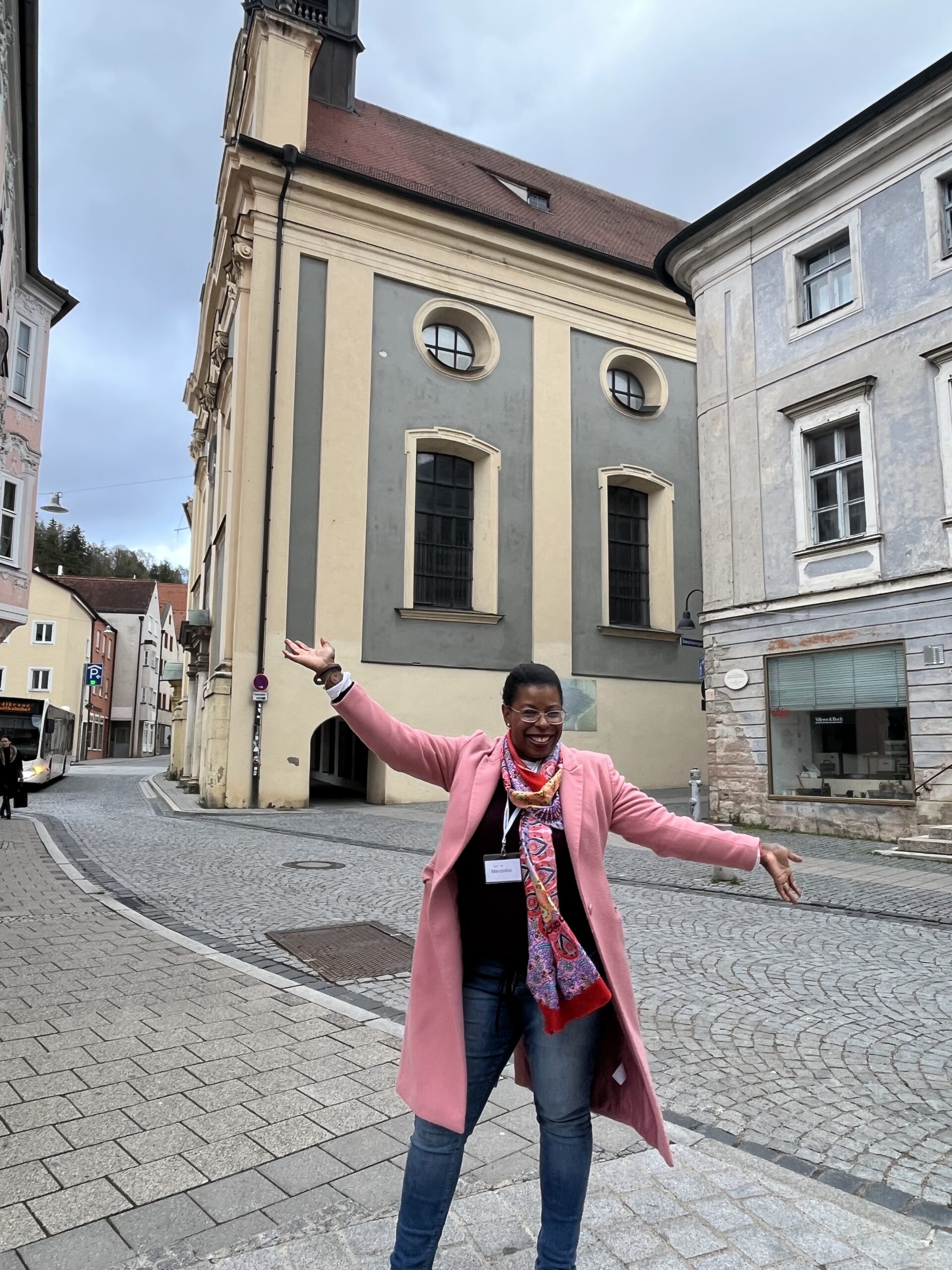
This Germany travel guide explores a country shaped by history, creativity, regional pride, food traditions, and the constant conversation between memory and modern life. Germany offers castles, cities, museums, forests, rivers, markets, music, and powerful historical sites. However, its deeper lessons often come from noticing how the past and present sit beside each other.
Germany is a country that asks travelers to pay attention. One day may bring medieval streets and traditional food. The next may lead to contemporary art, immigrant neighborhoods, industrial architecture, or a memorial that changes how you understand European history.
For me, Germany is most meaningful when the trip makes room for both enjoyment and reflection. There is beauty here, but there are also difficult histories that should not be reduced to quick sightseeing stops. A thoughtful visit allows space for food, culture, nature, memory, and the people shaping Germany today.
Germany Travel Guide: Quick Facts
- Capital: Berlin
- Currency: Euro
- Primary language: German
- Best for: History, museums, food, beer, architecture, music, castles, forests, and city breaks
- Ideal trip length: At least 7 to 10 days for two cities or one city and a surrounding region
- Major gateways: Berlin, Frankfurt, Munich, Hamburg, Düsseldorf, and Cologne
- Getting around: Long-distance trains, regional trains, buses, trams, underground systems, ferries, and rental cars
- Major regions: Bavaria, Saxony, the Rhineland, the Black Forest, the Baltic and North Sea coasts, and central Germany
Germany Is More Than One Story
Germany travel can look completely different depending on where you go. Berlin feels creative, layered, international, and restless. Bavaria offers mountains, royal history, villages, lakes, and a strong regional identity.
Hamburg looks toward the water. Cologne gathers around its cathedral and the Rhine. Dresden carries beauty, destruction, rebuilding, and political tension. Meanwhile, cities such as Leipzig, Frankfurt, Bremen, Nuremberg, and Stuttgart add their own histories and personalities.
That regional variety makes Germany rewarding for thoughtful travelers. The country is not one simple narrative. Instead, it is a place where culture, memory, innovation, migration, and everyday life continue to evolve.
The country’s 16 federal states each bring distinctive landscapes, food traditions, dialects, festivals, and regional pride. Therefore, travelers should resist treating Germany as one uniform destination.
The Best Time to Visit Germany
Germany can be visited throughout the year. However, the best season depends on whether you want city travel, hiking, festivals, Christmas markets, or time in the mountains.
Spring brings flowers, outdoor cafés, festivals, and milder temperatures. It can be a good time to visit cities before the busiest summer period begins.
Summer offers long days, river cruises, hiking, beer gardens, open-air events, and access to coastal destinations. However, popular cities and attractions can become crowded during school holidays.
Autumn brings harvest traditions, wine festivals, colorful landscapes, and cooler walking weather. It is also closely associated with major beer celebrations in Bavaria.
Winter is cold and often gray, but it brings Christmas markets, museums, seasonal food, and snow in some mountain areas. Pack warm layers, waterproof shoes, and clothing suitable for changing conditions.
Berlin: History, Creativity, and Reinvention
Berlin is one of Europe’s most layered capitals. The city carries the physical and emotional traces of monarchy, war, dictatorship, division, reunification, migration, political resistance, and artistic reinvention.
Major sites such as the Brandenburg Gate, Reichstag, Museum Island, Berlin Wall Memorial, and Holocaust Memorial help visitors understand key periods in German history. However, Berlin should not be reduced to monuments.
The city also lives through neighborhood cafés, international food, street art, music, nightlife, public parks, flea markets, galleries, and creative communities. Different areas can feel like entirely different cities.
For me, Berlin is best experienced with time to process. Visit an important museum or memorial, but do not stack several emotionally intense sites into one day. Leave room to walk, eat, rest, and reflect.
Berlin Experiences Worth Considering
- Visit the Berlin Wall Memorial and learn about the divided city.
- Explore Museum Island and nearby historic streets.
- Walk through the Brandenburg Gate and government district.
- Spend time in Kreuzberg, Neukölln, Prenzlauer Berg, or Friedrichshain.
- Explore Turkish, African, Middle Eastern, and other immigrant food traditions.
- Visit a contemporary gallery or independent cultural space.
- Learn about Black German history and Germany’s colonial legacy.
- Relax in Tiergarten, Tempelhofer Feld, or another public park.
Cities and Regions Worth Exploring
Germany becomes more interesting when you explore beyond one major city. Each region offers a different relationship with history, architecture, food, landscape, religion, industry, and identity.
Munich
Munich is often associated with beer halls, Oktoberfest, traditional clothing, and Bavarian culture. However, the city also offers major museums, elegant architecture, public markets, parks, music, and access to lakes and the Alps.
Spend time at the Viktualienmarkt, walk through the English Garden, and explore neighborhoods beyond the historic center. Munich also works well as a base for regional day trips.
Hamburg
Hamburg is a port city shaped by water, trade, shipping, migration, music, and maritime history. Its canals, warehouses, harbor, markets, and contemporary architecture create a distinct urban atmosphere.
The city is also known for nightlife, performance, seafood, and the historic Speicherstadt warehouse district. A harbor tour can help visitors understand how commerce shaped Hamburg’s growth.
Cologne
Cologne is centered around its enormous Gothic cathedral, but the city offers much more. It has Roman history, museums, riverfront life, neighborhood culture, carnival traditions, and a famously social atmosphere.
Local beer culture revolves around Kölsch, which is traditionally served in small glasses. The experience is as much about social ritual as it is about the drink itself.
Frankfurt
Frankfurt is often treated only as a financial center or transportation hub. However, it offers museums, international food, riverside walks, historic buildings, contemporary architecture, and neighborhoods shaped by migration.
The city’s airport and rail connections also make it a practical starting point for exploring other parts of Germany.
Dresden
Dresden is known for baroque architecture, museums, royal collections, and its position along the Elbe River. The city’s destruction during the Second World War and later reconstruction remain central to its identity.
Visitors should approach Dresden with attention to how history is remembered, interpreted, and sometimes politicized. The city is beautiful, but its modern story is complex.
Leipzig
Leipzig combines music, publishing, art, university life, industrial history, and political memory. It played an important role in the peaceful protests that helped bring an end to East Germany.
Today, former industrial spaces have become studios, galleries, cultural venues, and new communities. That makes Leipzig especially interesting for travelers drawn to creativity and urban change.
Nuremberg
Nuremberg offers medieval architecture, markets, regional food, and important sites connected to Nazi history and the postwar trials.
The city requires visitors to hold several truths at once. It is visually beautiful, culturally rich, and deeply connected to one of history’s most destructive political movements.
Heidelberg
Heidelberg is known for its castle ruins, university traditions, historic center, river views, and romantic image. It is one of Germany’s most visited smaller cities.
Walking along the Neckar River and exploring the hills above the city provide a quieter contrast to the busy historic streets.
Bremen
Bremen offers maritime history, medieval architecture, cultural traditions, and connections to the famous Town Musicians folktale. Its compact center makes it easy to explore on foot.
Bavaria Beyond Oktoberfest
Bavaria has one of Germany’s strongest regional identities. It is often represented through beer halls, traditional clothing, alpine villages, and royal castles. However, the region is much broader than those familiar images.
Bavaria includes large cities, farms, mountain communities, lakes, forests, religious traditions, industrial centers, and regional foods that change from one area to another.
Neuschwanstein Castle is one of the region’s most famous attractions. Yet smaller towns, mountain trails, local markets, and less visited historic sites can provide a deeper understanding of Bavarian life.
Travelers should also remember that traditional culture is not simply a costume created for visitors. Festivals, clothing, music, food, and local customs carry real meaning for many communities.
The Rhine and Moselle Regions
The Rhine and Moselle river valleys are known for vineyards, castles, historic towns, hiking paths, and river cruises. The landscape reflects centuries of trade, agriculture, conflict, tourism, and winemaking.
Places such as Koblenz, Mainz, Rüdesheim, Trier, and smaller riverside communities offer different entry points into the region.
Wine culture is especially important here. Travelers can visit vineyards, wine taverns, local festivals, and family-run producers. However, remember that the beautiful vineyard landscape also represents generations of agricultural labor.
The Black Forest and Southwestern Germany
The Black Forest is known for wooded landscapes, hiking trails, spa towns, traditional farmhouses, clocks, cakes, and small communities. It can feel far removed from Germany’s largest cities.
Freiburg offers a useful base for exploring the region. Baden-Baden is known for spa culture, while Lake Constance brings together water, mountains, gardens, and communities near the borders of Switzerland and Austria.
Southwestern Germany also has strong food and wine traditions. Regional dishes may include Spätzle, Maultaschen, local cheeses, seasonal vegetables, and Black Forest cake.
Germany’s North Sea and Baltic Coasts
Germany is not usually promoted first as a coastal destination. Still, the North Sea and Baltic coasts offer islands, beaches, fishing communities, ports, dunes, historic resorts, and national parks.
The coast provides a very different experience from Bavaria or Berlin. Seafood, maritime traditions, ferry travel, and changing weather shape daily life.
Visitors interested in slower travel may enjoy exploring smaller coastal towns, islands, and nature areas rather than focusing only on major cities.
History Is Everywhere
Few countries make public history feel as present as Germany does. Memorials, museums, architecture, plaques, preserved sites, and reconstructed spaces invite visitors to reflect.
Germany’s history includes far more than the Nazi period. Roman settlements, medieval kingdoms, religious conflict, industrialization, colonialism, imperial rule, two world wars, division, communism, reunification, and migration have all shaped the country.
Still, the Holocaust and Nazi dictatorship require particular care. Sites connected to persecution, concentration camps, forced labor, resistance, and genocide should never be treated as ordinary photo opportunities.
Responsible travel includes a willingness to learn, listen, and sit with discomfort. Germany can be beautiful, but it is also serious in important ways. As travelers, we should make room for both.
Visiting Memorials and Historical Sites Respectfully
- Allow enough time to read and process the information.
- Follow all rules concerning photography and behavior.
- Avoid staged or playful photographs at memorials.
- Speak quietly and respect other visitors.
- Do not turn human suffering into entertainment.
- Learn about victims as individuals rather than only as numbers.
- Use reputable museums, archives, and local guides.
- Leave time after difficult visits to rest and reflect.
Black Germany, Migration, and Colonial History
A thoughtful Germany travel guide should acknowledge Black German history, colonialism, immigration, and the communities that have helped shape modern German identity.
Germany established colonies in Africa and the Pacific. That history continues to influence museum collections, public monuments, street names, political debates, and relationships with African communities.
Black people have also lived in Germany across different periods, including during imperial rule, the Weimar era, the Nazi dictatorship, the postwar years, and modern reunified Germany.
Germany’s contemporary population also includes large communities with roots in Türkiye, Syria, Poland, Italy, the Balkans, Africa, Asia, and elsewhere. Their food, music, businesses, activism, and cultural work form an essential part of German life.
Look for museums, walking tours, exhibitions, literature, neighborhood businesses, and cultural organizations that bring these histories into the broader travel conversation.
Food Beyond Sausages and Beer
German food is often reduced to sausages, pretzels, potatoes, and beer. Those foods matter, but the country’s culinary story is much larger.
Regional breads, pastries, cheeses, stews, dumplings, market foods, wines, seasonal vegetables, seafood, cakes, and preserved foods all shape Germany’s culinary identity.
Food changes from north to south and east to west. Coastal regions have strong seafood traditions. Southern regions are known for dumplings, noodles, pork dishes, and Alpine influences. Wine regions bring another set of flavors and customs.
Germany’s cities also offer Turkish, Syrian, Vietnamese, Italian, African, Balkan, and other global cuisines. These foods are not separate from modern German culture. They are part of the way Germany eats today.
Because of my background in food systems, I also think about the people behind the meal. Farmers, bakers, brewers, vineyard workers, restaurant staff, market vendors, and immigrant entrepreneurs all help carry the country’s food culture forward.
Foods to Try in Germany
- Fresh bread from a neighborhood bakery
- Regional sausages and mustard
- Pretzels in southern Germany
- Spätzle and Maultaschen in the southwest
- Currywurst in Berlin
- Regional potato dishes and dumplings
- Seafood along the northern coast
- Seasonal white asparagus in spring
- Plum cake, apple cake, and regional pastries
- Black Forest cake in southwestern Germany
- Turkish-German döner kebab
- Regional wines from the Rhine, Moselle, and other wine areas
Bread, Bakeries, and Market Culture
Bread plays an important role in German food culture. Bakeries offer an enormous variety of loaves, rolls, pretzels, cakes, and pastries.
A neighborhood bakery can offer an easy and affordable introduction to everyday life. It can also provide breakfast, snacks, or a simple meal during a busy travel day.
Markets are another useful entry point. Weekly markets may feature seasonal produce, bread, cheese, flowers, meats, prepared foods, and products from nearby farms.
Christmas markets are more famous internationally. However, travelers should also seek out ordinary community markets that serve local residents throughout the year.
Beer, Wine, and Regional Tradition
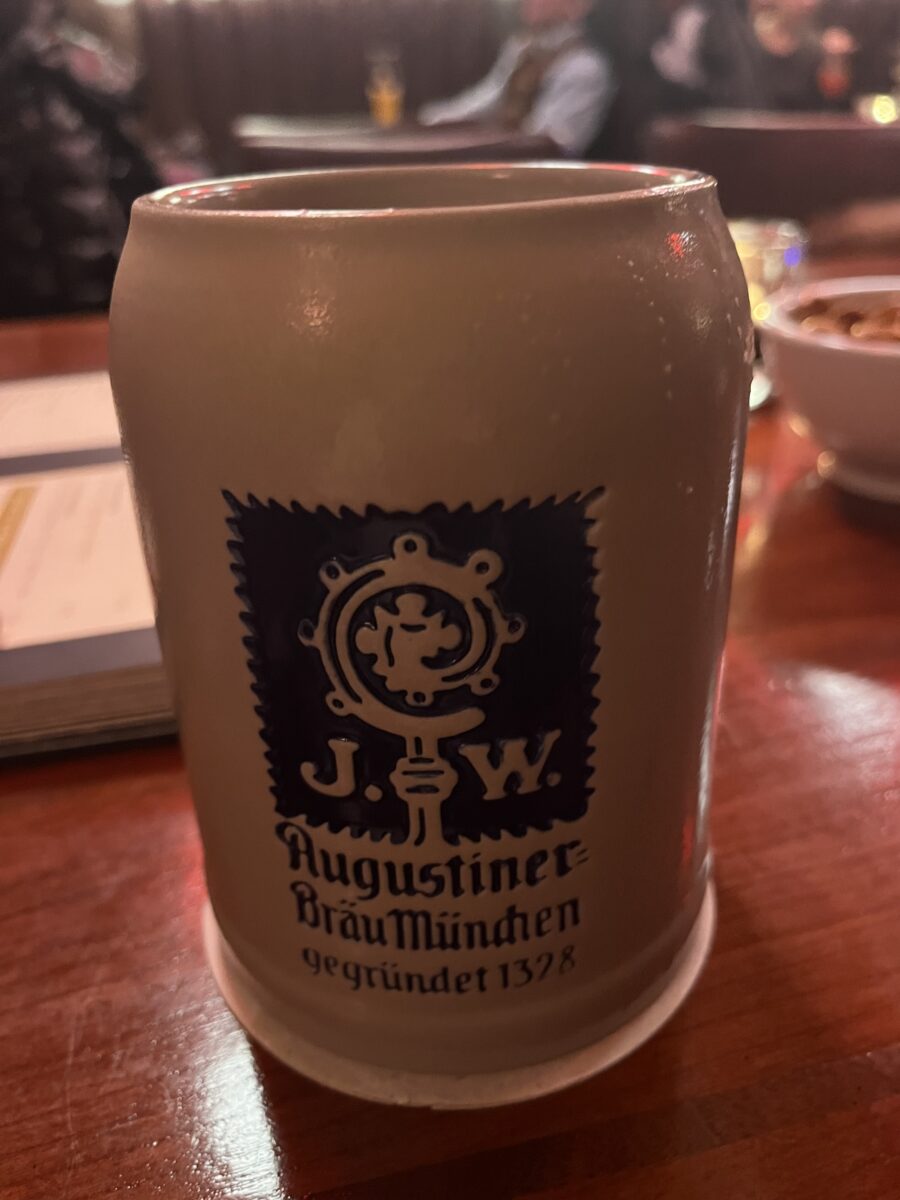
Beer culture is deeply connected to place, craft, history, and community. In many regions, breweries and beer halls are not simply places to drink. They are social spaces where local identity is preserved and enjoyed.
Different cities and regions have their own beer styles and traditions. Cologne is associated with Kölsch, Düsseldorf with Altbier, and Bavaria with several brewing customs and large communal beer gardens.
Germany is also an important wine-producing country. The Rhine, Moselle, Franconia, Baden, and other regions offer vineyards, tasting rooms, seasonal festivals, and wine taverns.
You do not need to drink alcohol to participate in German food culture. Nonalcoholic beers, mineral water, juices, coffee, tea, and seasonal drinks are widely available.
Music, Art, and Creative Culture
Germany has made major contributions to classical music, literature, philosophy, visual art, architecture, theater, cinema, electronic music, and contemporary design.
Travelers may arrive thinking about Bach, Beethoven, Goethe, the Bauhaus, or German Expressionism. However, creative culture continues through independent galleries, film festivals, clubs, public art, performance spaces, and multicultural communities.
Berlin is widely associated with contemporary art and electronic music. Leipzig has strong connections to music, publishing, and visual art. Hamburg, Cologne, Düsseldorf, and other cities also maintain influential cultural scenes.
Visit major institutions, but also make time for smaller museums, neighborhood galleries, music venues, bookstores, and artist-run spaces.
Castles, Palaces, and the Stories Behind Them
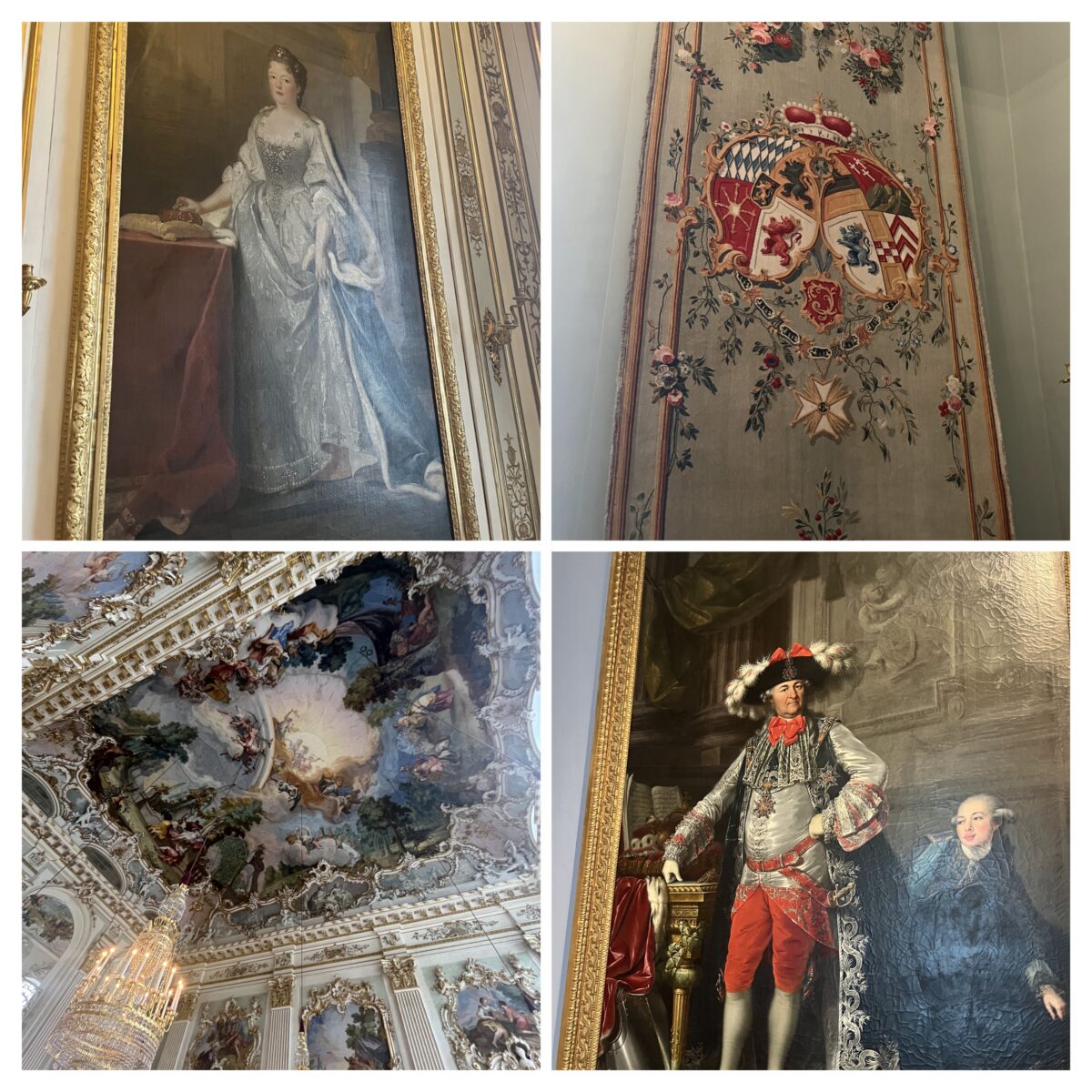
Germany has castles, palaces, fortresses, and royal residences throughout the country. They reflect political power, warfare, wealth, art, religion, and changing ideas about national identity.
Neuschwanstein may be the most famous, but many regions have less crowded historic sites that reveal just as much about local history.
When visiting royal properties, look beyond decoration and architecture. Ask who built them, who funded them, who worked there, and how power shaped the surrounding communities.
Nature, Forests, Rivers, and Walking
Germany offers far more nature than many first-time visitors expect. Forests, rivers, lakes, mountains, islands, vineyards, and protected landscapes create opportunities for walking, cycling, boating, and slower travel.
The Alps attract hikers and winter travelers. The Black Forest offers wooded trails and spa towns. The Rhine and Moselle valleys combine walking paths with vineyards and historic villages.
Germany also has urban green spaces, riverfront paths, and former industrial areas restored for recreation. You do not always need to travel far from a city to spend time outdoors.
Follow trail rules, respect protected areas, carry out your waste, and avoid disturbing wildlife or agricultural land.
Suggested Germany Itineraries
Five Days in Germany
For a five-day visit, choose one major city and explore it well. Berlin, Munich, Hamburg, or Cologne can each fill several days without requiring constant travel.
Add one nearby day trip if your schedule allows. However, avoid losing too much time moving between distant cities.
One Week in Germany
With one week, combine two connected cities or one city with a surrounding region. Berlin and Leipzig work well together. Cologne can be paired with Düsseldorf or the Rhine Valley.
Another option is to stay in Munich and explore nearby Bavarian towns, lakes, castles, or mountain areas.
Ten Days in Germany
Ten days provides enough time for three destinations without rushing. You might combine Berlin, Dresden, and Leipzig for a route focused on history, politics, art, and the former East Germany.
Another route could include Frankfurt, Heidelberg, and the Rhine Valley. Food and regional culture travelers might prefer Munich, Nuremberg, and the Bavarian countryside.
Two Weeks in Germany
Two weeks gives you time to compare several regions. One route could include Berlin, Hamburg, Cologne, and the Rhine Valley.
Another option could include Frankfurt, Heidelberg, the Black Forest, Munich, and the Bavarian Alps.
Germany may look manageable on a map, but repeated travel days can make a trip exhausting. Choose a logical route and leave room for unplanned discoveries.
Getting Around Germany
Germany has an extensive transportation network. Long-distance trains connect major cities, while regional trains, trams, underground systems, buses, and ferries serve local areas.
High-speed trains can reduce travel time between major destinations. Regional trains are useful for smaller cities, villages, and countryside trips.
Check the full itinerary before boarding because some journeys require transfers. Also, leave extra time for connections. Train delays and platform changes can occur.
The DB Navigator app can help travelers check schedules, platforms, delays, routes, and ticket options. However, read the ticket conditions carefully because some discounted fares limit flexibility.
Local transit systems may use different fare zones and ticket rules. Validate paper tickets when required, and do not assume that buying a ticket automatically activates it.
A rental car may help when visiting rural areas, smaller villages, castles, or mountain destinations. Still, city parking can be difficult, and environmental zones may restrict certain vehicles.
Money and Budgeting
Germany can accommodate several travel budgets. Berlin, Munich, Hamburg, and major event destinations can become expensive, especially during festivals and trade fairs.
Accommodation and long-distance train tickets may cost less when booked early. Regional transportation passes can also provide value when you plan several local journeys.
Bakeries, markets, casual lunch counters, university neighborhoods, and immigrant-owned restaurants can help travelers eat well without relying on expensive tourist restaurants.
Cards and mobile payments have become more common. However, some smaller businesses, market vendors, cafés, and local establishments may still prefer cash. Carry a modest amount of euros rather than depending entirely on cards.
German Etiquette and Cultural Tips
You do not need to speak fluent German, but basic greetings can make everyday interactions smoother. A polite beginning matters, especially in shops, restaurants, and smaller communities.
- Use Guten Morgen, Guten Tag, or Hallo as a greeting.
- Say bitte for please or you’re welcome.
- Use danke to say thank you.
- Respect quiet hours in residential buildings and neighborhoods.
- Stand to the right on escalators when others need to pass.
- Wait for passengers to leave public transportation before boarding.
- Follow recycling and waste-sorting instructions.
- Do not walk in designated bicycle lanes.
- Ask before photographing people.
- Respect rules at museums, memorials, parks, and historic sites.
German communication can sometimes feel direct to visitors. Directness does not always mean anger or disrespect. Listen to the context before making assumptions.
Women Traveling in Germany
Germany is generally straightforward for women traveling independently. Public transportation is extensive, tourism infrastructure is strong, and many city centers are easy to navigate.
Still, use ordinary awareness in crowded stations, nightlife districts, festivals, and busy tourist areas. Keep your phone, wallet, passport, and bag secure.
Plan how you will return after late events. Check the final train, tram, or bus before staying out late, especially outside the largest cities.
Trust your instincts in hostels, shared accommodations, bars, tours, and transportation. Ask to change rooms, move seats, leave an activity, or seek assistance whenever a situation feels uncomfortable.
How to Travel Germany More Thoughtfully
Thoughtful Germany travel means making room for pleasure, regional culture, difficult history, and the realities of modern life. It also means understanding that monuments, museums, landscapes, and food traditions exist within larger stories of labor, migration, power, and community.
- Stay longer in fewer destinations.
- Use trains and public transportation when practical.
- Support neighborhood restaurants, markets, and independent shops.
- Visit historical sites with respect and patience.
- Learn about colonialism, migration, and Black German history.
- Explore regional cultures beyond Berlin and Bavaria.
- Avoid treating memorials as social media backdrops.
- Choose locally led walking tours and cultural experiences.
- Respect residential areas, bicycle lanes, parks, and hiking trails.
- Travel outside the busiest festival periods when possible.
Germany is not only a country to admire. It is a place that invites questions about memory, responsibility, identity, rebuilding, and how societies choose to confront the past.
Experiences to Consider in Germany
Depending on your interests, consider museum tours, neighborhood history walks, food markets, brewery visits, wine tastings, castle excursions, river cruises, street art tours, memorial visits, hiking trips, and regional train journeys.
You can browse Germany museum tours, food experiences, beer tours, day trips, memorial visits, and cultural activities through GetYourGuide. Before booking, compare group sizes, accessibility information, cancellation terms, and recent reviews.
Explore More Travel Stories
Germany is part of a wider conversation about food, history, identity, migration, memory, and responsible travel. Explore more DG Speaks stories, browse the travel guide collection, or visit the food travel section for more ways to experience the world through people and place.
Germany Stories and Travel Guides
Explore Germany through my personal travel stories, cultural reflections, museum visits, historic sites, food discoveries, and practical accommodation reviews. These articles move beyond a traditional checklist to examine how history, regional identity, creativity, and everyday life shape each destination.
Munich Travel Stories
- Munich Travel Guide: Culture, Food, History, and City Life
- Munich Residenz: Walking Through Power, Beauty, and Memory
- Deutsches Museum Munich: Science, Society, and Human Ingenuity
- Nymphenburg Palace Munich: Art, Royal History, and Baroque Beauty
- Wombat’s Munich Werksviertel: My Honest Hostel Experience
- A Dark Beer, a Munich Pause, and a Taste of Place
Nuremberg History, Culture, and Food
- Nuremberg Narratives: Where Empire, Art, and Memory Meet
- Five Reasons Hostel Nuremberg: A Quiet and Walkable Winter Stay
Bavarian Castles and Smaller Cities
- Neuschwanstein and Hohenschwangau: My Bavarian Castle Day
- A Day in Eichstätt: The Bavarian Surprise I Needed
Germany in My Wider Travel Journey
- Seeking Adventure and Finding Me in 2023
- Wandering Through 2023: Reflections From a Year of Travel
- Travel Is a Political Act: What the Road Taught Me
These stories are part of my continuing exploration of Germany. This Germany travel guide will continue to grow as new stories are published. Future coverage may include Berlin neighborhoods, museums, memorials, regional food, Black German history, train travel, Christmas markets, hotel reviews, cultural experiences, and reflections from my own travels through Germany.
What interests me most about Germany is the way memory remains visible. The country does not always offer easy answers. Instead, it often asks visitors to consider how history is preserved, challenged, interpreted, and carried into the present.
That is the Germany I want to keep exploring. Not only the country of castles, markets, beer halls, and forests, but the living country shaped by creativity, migration, difficult memory, regional pride, and constant change.
This page may contain affiliate links. If you book through one of these links, DG Speaks may earn a commission at no additional cost to you. These partnerships help support independent travel storytelling.