Travel Is a Political Act: Discovering the Power of Connection and Understanding
Travel has never felt neutral to me. Every border I cross, conversation I enter, meal I share, and historical site I visit changes how I understand power, culture, and my place in the world.
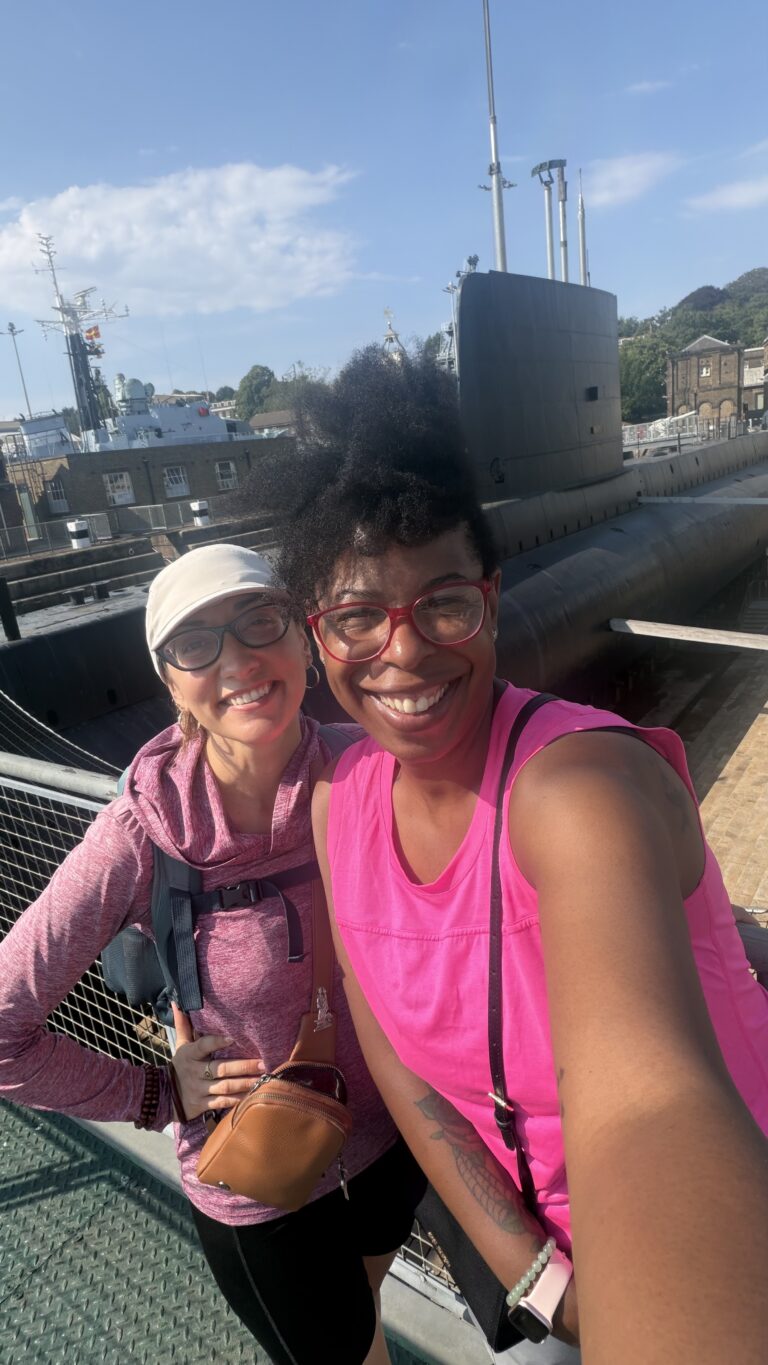
I have wandered through crowded streets in China, stood beneath ancient monuments in Egypt, and traced layers of history across Germany. Along the way, I have learned that travel offers more than beauty, escape, or entertainment. It can challenge the stories we have inherited and force us to look closely at lives shaped by decisions far beyond our own.
That understanding sits at the heart of Rick Steves’ book, Travel Is a Political Act. The title immediately resonated with me because it describes what thoughtful travel has always required: curiosity, humility, and a willingness to question what we think we know.
Every Journey Begins With a Point of View
None of us enters another country without assumptions. We arrive carrying news reports, school lessons, family beliefs, personal fears, and cultural stereotypes. Even travelers who consider themselves open-minded bring expectations shaped by where they come from.
Travel gives us a chance to examine those ideas against real life. The process can feel uncomfortable because reality rarely fits neatly inside a headline.
During my time in rural Hunan, China, I learned far more from ordinary interactions than I ever could from a television report. The Great Wall and Forbidden City carried undeniable historical importance. However, conversations with teachers, students, families, and neighbors showed me the rhythms of daily life.

I saw generosity, humor, ambition, frustration, tradition, and contradiction. Those experiences did not erase the realities of political control. Instead, they complicated my understanding by placing human faces inside a political system.
That distinction matters. Governments are not the same as the people living under them. Policies may shape daily life, yet individuals still create families, friendships, art, community, and joy inside those systems.
Nuremberg Made History Feel Uncomfortably Close
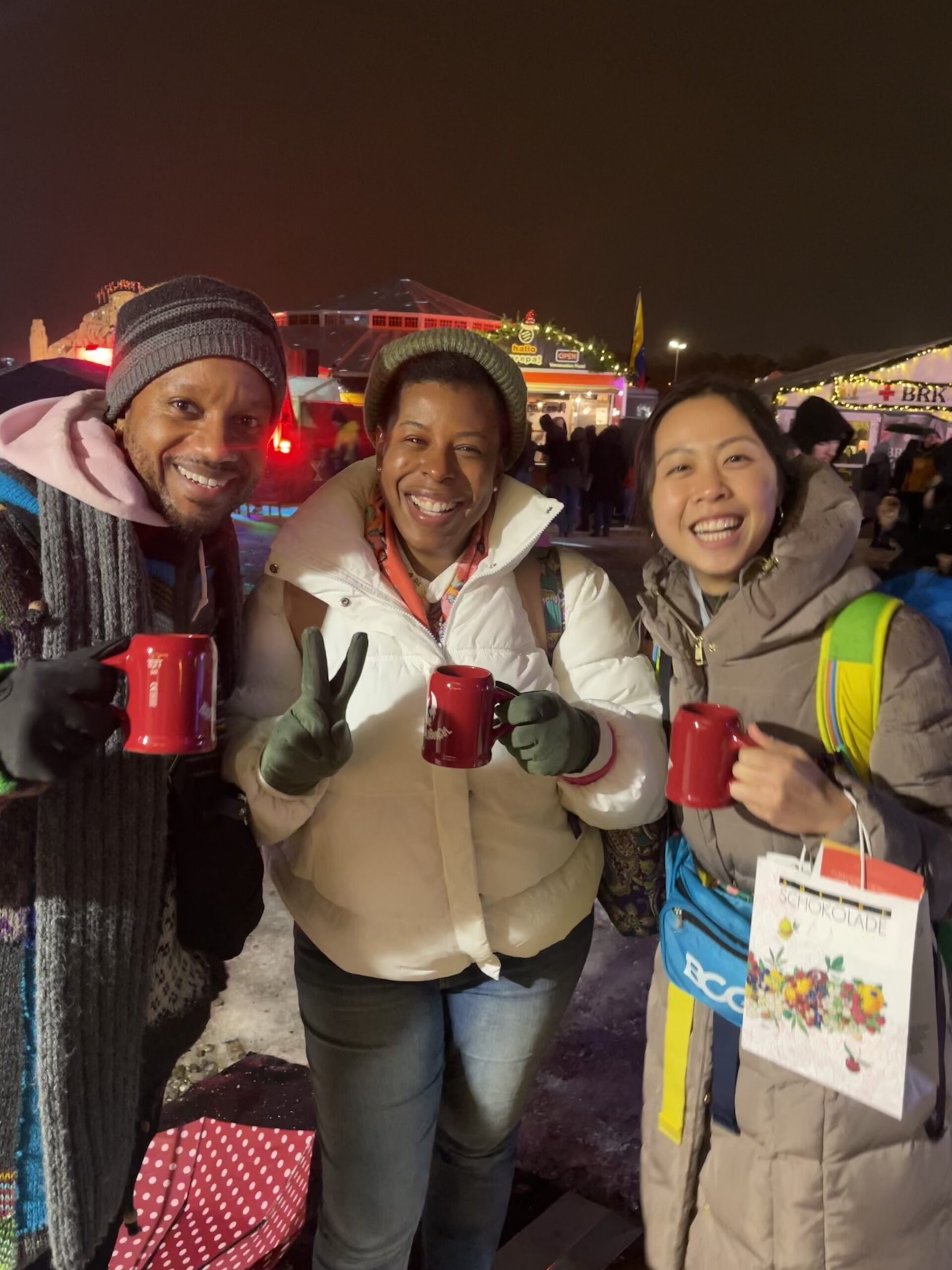
Nuremberg offered a different lesson. The city carries medieval beauty, imperial history, art, markets, and architecture. At the same time, it remains inseparable from the rise of Nazism, the spectacle of propaganda, and the trials that followed the Second World War.
Walking through the city forced me to hold several truths at once. I could admire the castle walls and riverside buildings while remaining conscious of the political history attached to the place.
That tension shaped my broader reflection in Nuremberg Narratives. The city does not allow thoughtful visitors to treat history as something distant or abstract. Its landscape keeps asking what happens when propaganda becomes culture, when prejudice becomes policy, and when political loyalty replaces moral judgment.
Learning about the Nuremberg Trials also deepened my understanding of accountability. Political leaders make decisions, but those choices move through institutions, armies, businesses, courts, schools, and communities.
History becomes dangerous when we reduce it to a few monstrous individuals. Systems depend upon participation. They also depend upon silence.
Empathy Requires More Than Feeling Sorry
One of the most important ideas in Steves’ work involves empathy. Travel can move us beyond statistics by introducing us to people living inside political realities.
However, empathy should not become pity. Pity keeps distance between the observer and the person being observed. Genuine empathy asks us to listen without assuming that we already understand someone else’s life.
While traveling in Egypt, I met people whose lives had been shaped by political uncertainty, economic pressure, and social change. Their stories carried resilience, but I did not want to romanticize that resilience. People should not have to endure endless hardship to become inspirational to travelers.
Listening helped me see individuals rather than symbols. Families had plans. Young people carried ambitions. Workers worried about money. Parents wanted safety and opportunity for their children.
Those concerns felt familiar because human beings often want many of the same things, even when political systems and cultural traditions differ.

The People I Met Changed the Meaning of Place
Landmarks help us understand where we are. People help us understand what a place means.
Some of my richest travel memories began through shared meals, public transportation, classrooms, markets, or conversations that were never part of an itinerary. A local guide could explain why a monument matters. A shopkeeper might reveal how tourism affects the neighborhood. A teacher could describe what students worry about. A farmer might connect food, land, climate, and policy in ways that no brochure ever could.
Community-based tourism can create space for those exchanges when local people hold meaningful control over the experience. Hiring local guides, eating at independently owned restaurants, and purchasing directly from artisans can keep more travel spending within the community.
Still, ethical travel requires attention. Not every experience marketed as “authentic” benefits local residents. Travelers should ask who owns the business, who tells the story, and who receives the income.
Travel Has Taught Me to Question the Official Story
Every country tells stories about itself. Museums, monuments, schoolbooks, tourism campaigns, and public ceremonies all help shape national identity.
Those stories may celebrate achievement while avoiding violence. They may glorify rulers while ignoring workers. A country may honor scientific advancement without fully confronting exploitation. Another may market cultural harmony while marginalized communities remain unheard.
As a Black and Latina woman, I move through many places with an awareness of colonialism, race, gender, and power. That awareness does not stop me from admiring architecture, art, or cultural achievement. Instead, it pushes me to ask who created those things and under what conditions.
I can marvel at a palace while recognizing that wealth did not appear by magic. I can appreciate a museum collection while asking how objects were acquired. I can admire a city’s beauty while remembering the people excluded from its official history.
That kind of questioning does not ruin travel. It makes the experience more honest.
Crossing Borders Can Challenge Fear
Fear grows easily when people remain distant from one another. Political rhetoric often depends upon turning entire populations into threats, stereotypes, or abstractions.
Travel cannot solve every conflict. It can, however, interrupt some of those narratives.
Once I have eaten with someone, listened to their family story, laughed at a shared misunderstanding, or watched them care for the people they love, it becomes harder to accept language that denies their humanity.
That does not mean every encounter becomes profound. Nor does it mean travelers understand a country after one visit. Humility requires admitting how much remains outside our view.
Nevertheless, even limited contact can challenge the belief that borders separate fundamentally different kinds of people.
Thoughtful Travel Comes With Responsibilities
If travel is political, then travelers carry responsibilities. We choose where our money goes, which stories we repeat, and how we portray the people we encounter.
That responsibility begins with research. Learn the history before arriving. Read local writers. Seek perspectives from women, Indigenous communities, racial minorities, workers, migrants, and others who may sit outside the dominant narrative.
Once there, listen more than you speak. Ask respectful questions. Avoid treating poverty, religious rituals, or private lives as scenery.
Photography also requires care. A person standing in a market is not automatically available as content. Children deserve special protection. Sacred spaces deserve respect. Permission matters.
Finally, consider the environmental and economic effects of the trip. Choose locally rooted businesses when possible. Reduce waste. Stay longer rather than rushing through places. Approach communities as homes, not backdrops.
Travel Changed Me Because I Allowed It To
Movement alone does not guarantee growth. A person can cross dozens of borders and return with every prejudice intact.
Transformation requires openness. It asks us to notice when reality contradicts our expectations. More importantly, it requires us to carry those lessons home.
My journeys have changed how I think about development, food systems, culture, race, gender, history, and belonging. They have also changed how I understand my own country.
Distance can reveal what familiarity hides. Sometimes I needed to leave the United States to see American systems more clearly.
The Most Important Souvenir Is a Wider View
Rick Steves’ Travel Is a Political Act reminds us that every journey offers a chance to deepen understanding.
We may return with photographs, souvenirs, and stories. Yet the most valuable thing we can bring home is a more complicated view of the world.
Thoughtful travel should make us harder to manipulate. It should make simplistic stereotypes less convincing. Ideally, it should expand the number of people whose freedom, dignity, and safety matter to us.
That is what political travel means to me. It does not require turning every vacation into a lecture. Instead, it asks us to remain awake, curious, and willing to recognize our shared humanity wherever the road takes us.
Browse locally guided cultural experiences through GetYourGuide. For more reflections on how movement has shaped me, read Seeking Adventure and Finding Me in 2023 and Wandering Through 2023.
Affiliate disclosure: This article contains affiliate links. If you purchase or book through one of these links, DG Speaks may earn a commission at no additional cost to you.