Women’s Health at CES 2027 Deserves More Than Hype
When companies begin talking about women’s health as an emerging technology market, I find myself holding two thoughts at once. I’m encouraged that subjects long pushed to the margins are attracting more investment and attention. At the same time, I want to know why it took so long for so many experiences to be taken seriously, and whether the people leading this latest wave of innovation are prepared to listen to the women they hope to serve.
A timely conversation at CES 2027
Among the opportunities announced for CES 2027 is a show-floor tour called The Business of Women’s Health, An Untapped Opportunity. The title is revealing. It acknowledges an area with substantial commercial potential, but it also invites a more important discussion about research priorities, access to care, and how product design can respond to needs that have been overlooked.
I’ve worked in public health and gender-responsive development, where the consequences of treating women as a single category become obvious very quickly. Age, income, geography, disability, race, and the responsibilities people carry all influence their health experiences. A device that works well for one group may be far less useful to another. Good research should account for that variation before a product reaches consumers.
Beyond one-size-fits-all wellness
Wearables and connected health services can help people notice patterns, organize questions, or gather information to discuss with clinicians. However, there is a difference between supporting personal awareness and claiming to diagnose or treat a condition. At CES, I will be asking companies how their claims are tested, whether their studies include diverse participants, and what happens when the data does not match a person’s experience.
Privacy deserves equal attention. Information connected to reproductive health, hormonal changes, sleep, or other personal experiences can be highly sensitive. People should understand what is collected, how long it is retained, whether it is shared, and what control they have over their records. Those questions shouldn’t be buried in a lengthy terms-of-service document.
I’ve explored related questions in Safer Beauty for All and my writing about pelvic floor health. Both subjects remind me that women need useful information, honest discussion of risks, and products designed for their actual lives.
Who is building and funding these companies?
It’s also worth asking whose ideas are receiving investment. Women entrepreneurs and researchers bring lived experience and professional knowledge to areas that have not always received sufficient attention. Yet having a compelling product idea does not guarantee access to the networks and financing needed to bring it to market. I am interested in the founders who are navigating those challenges and in investors willing to support thoughtful, evidence-based solutions.
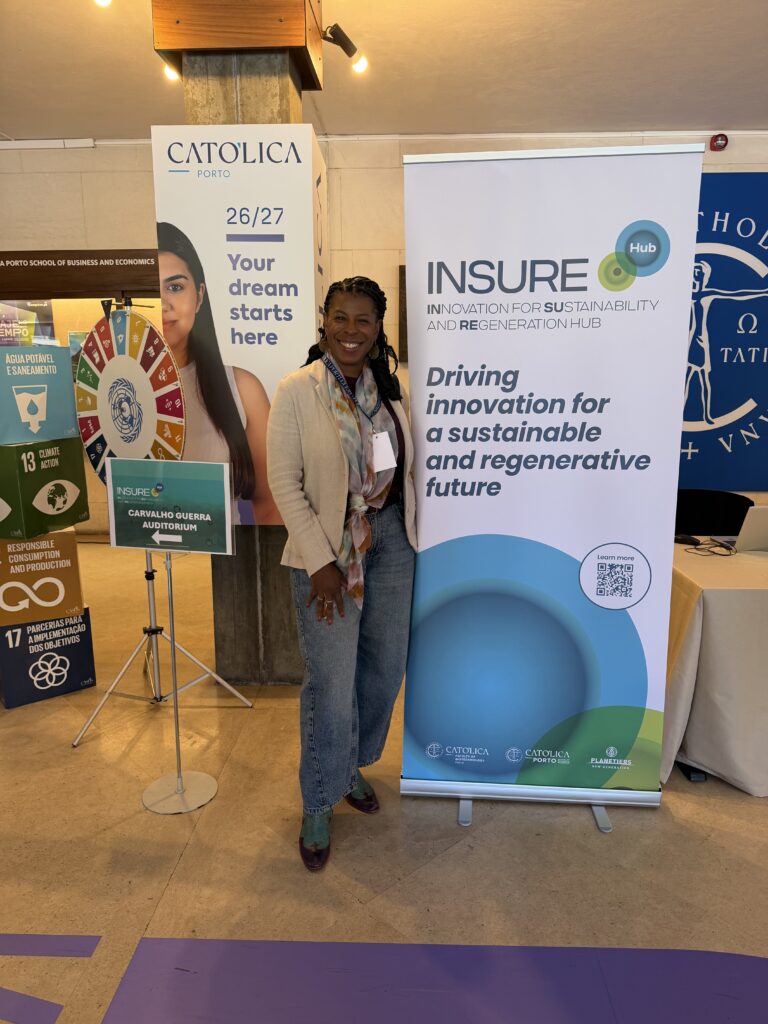
During my earlier reporting on women leading innovation at Web Summit, I found myself returning to the same question: are women being invited to participate in a system already defined by others, or do they have the opportunity to shape its priorities?
My coverage of Web Summit 2026 in Lisbon brought me back to questions I have asked throughout my years of technology reporting: who benefits from innovation, which problems are being addressed, and who gets to help shape the answers? Those questions also guide my DG Speaks technology coverage as I look ahead to CES 2027.
What I hope CES will reveal
I’m interested in conversations about midlife health, accessible care, caregiving, and the design of tools that reduce the burden of managing health rather than creating additional work. Not every promising technology needs to be complicated, and not every concern can be solved by another subscription. I will be looking for teams who understand those realities, explain their evidence clearly, and treat women as participants in the innovation process rather than a demographic on a sales slide.
CES 2027 presents an opportunity to have a more mature conversation about women’s health technology, one that takes both the possibilities and the limitations seriously. That’s the discussion I want to bring to DG Speaks readers.