Smart Kitchens at CES 2027 and the Cost of Convenience
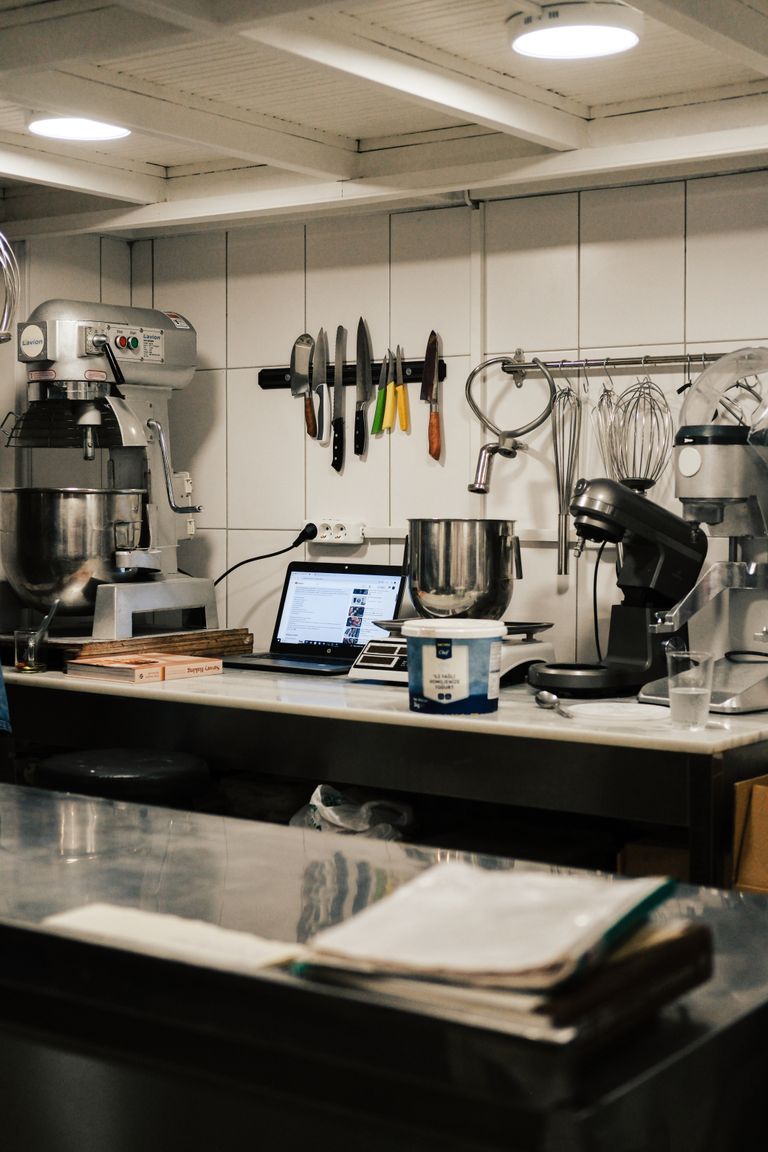
I love spending time in a good kitchen, whether I’m trying a new recipe, talking with a chef, or watching someone prepare a dish that has been passed through generations. I also appreciate the convenience of technology, particularly when travel and work make an already busy schedule feel even more complicated. That’s why the discussion of smart kitchens at CES 2027 catches my attention. I’m curious about what happens when automation enters a space that is both practical and deeply personal.
From connected appliances to self-driving kitchens
In its preview of CES 2027, the Consumer Technology Association highlighted programming on the conversational smart home and a session titled The Self-Driving Kitchen: How AI and Robotics Will Change The Home Kitchen. It also drew attention to connected appliances and energy-efficient systems. Those topics speak to a broader shift in consumer technology, where devices are increasingly expected to coordinate activities rather than simply perform one task at a time.
It’s easy to see the attraction of an appliance that might reduce unnecessary energy use, help plan meals, or make food preparation more manageable. Yet I would want to understand how well such systems handle actual households, where preferences change, ingredients run out, and the person cooking may have no interest in following a machine’s idea of the perfect meal.
Can convenience and sustainability work together?
One of my first questions concerns resource use. A connected kitchen could potentially help households track ingredients, make better use of leftovers, or coordinate appliances more efficiently, but those outcomes need to be demonstrated rather than assumed. If a new system requires frequent replacement, constant connectivity, or expensive proprietary supplies, its overall environmental benefits may be much smaller than a product demonstration suggests.
Food waste is another area where I see considerable potential. Better planning and storage can support both household budgets and environmental goals. Still, the most useful innovations should be accessible to people with different incomes, living arrangements, and cooking habits, not reserved exclusively for homeowners who can afford a fully remodeled kitchen.
The same considerations show up in my Airbnb kitchen essentials guide. Whether a kitchen serves a family or a short-term guest, thoughtful equipment and practical organization often do more than a long list of complicated features.
The cultural side of cooking
Food carries history and identity, and that makes kitchen technology different from many other household products. I’ve watched skilled cooks prepare extraordinary dishes using a handful of familiar tools, relying on memory, instinct, and the knowledge they’ve gained over a lifetime. Technology can help with repetitive work, but I’m not interested in a future where it erases the pleasure of cooking or the cultural traditions people bring into their homes.
My Food Summit coverage has explored how innovation intersects with the food system beyond the kitchen counter.
I have also reported on solar-powered brewing, where the connection between energy choices and food production is easy to see. I would welcome the same clarity from the next generation of household kitchen products.
My coverage of Web Summit 2026 in Lisbon brought me back to questions I have asked throughout my years of technology reporting: who benefits from innovation, which problems are being addressed, and who gets to help shape the answers? Those questions also guide my DG Speaks technology coverage as I look ahead to CES 2027.
What I will ask smart-home companies
At CES 2027, I’ll be looking closely at the relationship between convenience, affordability, energy consumption, and the human experience of cooking. I want to know how companies measure efficiency claims, what kinds of data their devices collect, and whether repairs are realistic when something goes wrong. I’d also love to hear from women and food entrepreneurs working on these products, because practical knowledge from the kitchen deserves a place in the development process.
Some of the most valuable improvements may be modest. If a technology makes everyday cooking easier without taking away our choices, reduces waste without increasing costs elsewhere, and fits into the way people actually live, that’s a story worth telling.