CES 2027 Health Technology Raises Questions Worth Asking
Every year, technology companies announce products that promise to help us live longer, feel better, and understand our bodies more clearly. Some of those ideas hold genuine promise. Others arrive with impressive marketing language and far less clarity about the evidence behind their claims. As I look toward CES 2027, I am particularly interested in that space between a compelling demonstration and a technology that people can confidently use in their daily lives.
Health takes a larger place in the CES conversation
The Consumer Technology Association has outlined an extensive health program for CES 2027, with sessions addressing longevity, regulation of AI in medicine, brain health, wearable intelligence, and accessibility. It has also announced a CES Health Hub presented by Abbott, bringing together industry leaders, clinicians, innovators, and health-focused businesses on the show floor. That mix of technology and healthcare expertise is important because the most thoughtful innovations need both technical capability and a clear understanding of human needs.
The conference’s announced conversations about AI oversight are especially relevant. I am interested in what developers consider sufficient evidence, how they account for differences across populations, and what they disclose when a system is unable to provide a dependable result. Consumers deserve more than a polished interface and a reassuring chart. They need to understand the boundaries of what a product can and cannot tell them.
Wearables, independence and everyday care
One of the most interesting areas is the move beyond devices that require constant attention. CES has highlighted contactless monitoring, including discussions of radar-based sensors that may track breathing and heart rate without cameras or microphones. There are potential benefits for people who dislike wearing devices or need additional support at home, but practical questions remain about privacy, reliability, affordability, and who receives the information collected.
I’ve followed wearable technology for years, including my coverage of Xenoma’s e-skin at CES 2021. That earlier work reminded me that a clever application doesn’t automatically mean a product can replace professional guidance or deliver the health outcomes people might imagine. I want the same discipline applied to new devices arriving at CES 2027.
Who is included in the design?
As a public health professional, I pay particular attention to the circumstances that shape whether someone can make use of a health intervention. Does the device require an expensive subscription? Can people with disabilities operate it comfortably? What happens in homes with unreliable connectivity, or when a user has questions that cannot be answered by an algorithm? The experience of older adults, caregivers, and women deserves meaningful attention from the start.
My existing coverage of pelvic floor health for hikers reflects another side of this conversation. Useful health information has to connect to everyday circumstances, not simply to the specifications printed on a product box.
CES has also announced a show-floor tour focused on women’s health as an emerging business opportunity. That framing opens an important conversation about the needs that have been neglected and the danger of treating women as a new marketing segment rather than people who should have had greater influence over health innovation all along.
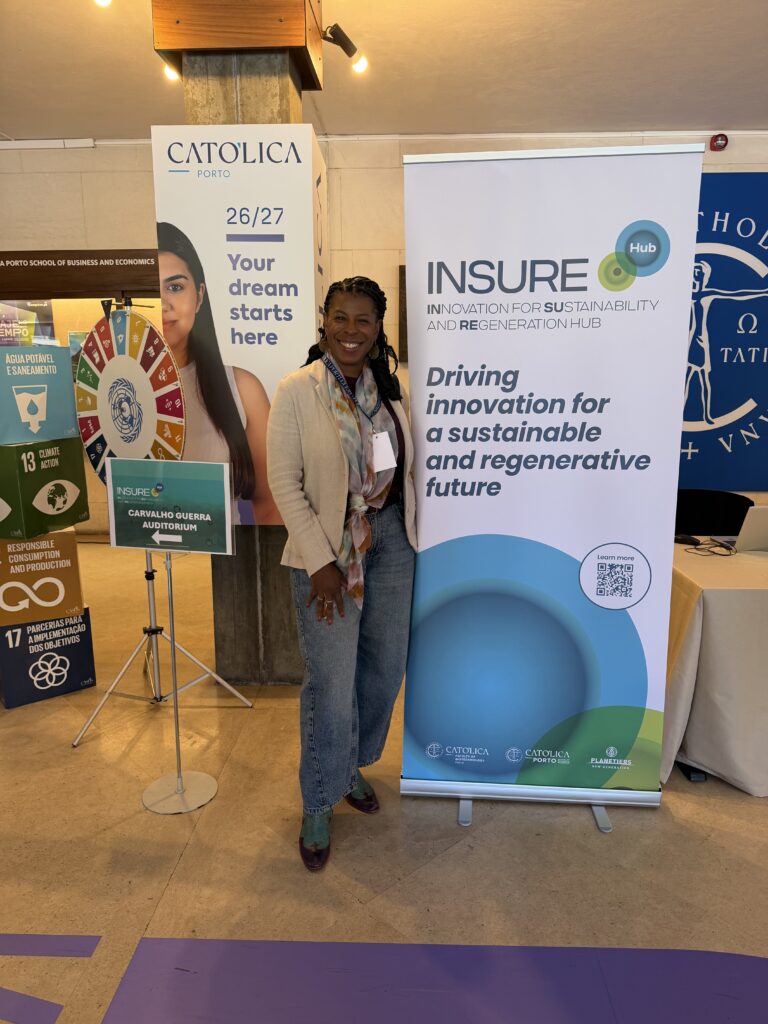
My coverage of Web Summit 2026 in Lisbon brought me back to questions I have asked throughout my years of technology reporting: who benefits from innovation, which problems are being addressed, and who gets to help shape the answers? Those questions also guide my DG Speaks technology coverage as I look ahead to CES 2027.
The conversations I hope to have
I will be looking for founders, researchers, and product teams who can speak openly about clinical validation, privacy, accessibility, and pricing. I want to learn where health technology can genuinely support care, and where the most responsible answer remains to seek a qualified clinician. Excitement about new tools can coexist with careful questions about their limits. In fact, I believe that kind of scrutiny is one of the best ways to recognize innovations worthy of our attention.
For readers interested in everyday relaxation rather than medical monitoring, I also have a Calm guest pass available through DG Speaks. That is a separate wellness resource, not a CES exhibitor recommendation or a substitute for medical advice.
Editorial note: Products mentioned in pre-event materials are not medical recommendations or endorsements.
Affiliate disclosure: Some links in this article are affiliate or referral links. DG Speaks may receive a commission or referral benefit at no additional cost to you. Editorial opinions remain independent.