Pelvic Floor Health for Hikers: The Strength We Forget
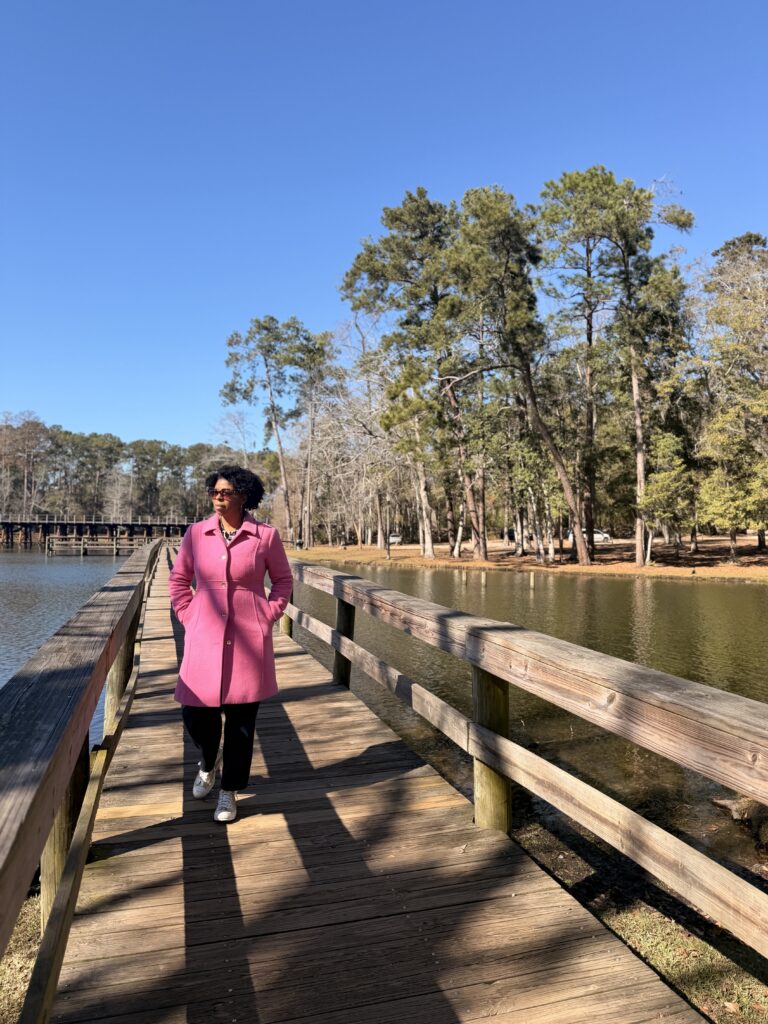
As I prepare to walk from London to Canterbury, I have been thinking carefully about what my body will need from me.
Naturally, I have considered my feet, legs, back, and shoulders. I have thought about shoes, backpack weight, hydration, rest, and daily mileage. After walking the Camino Francés, I know that every small physical weakness eventually introduces itself on a long trail.
However, I had not spent much time thinking about pelvic floor health for hikers.
Like many women, I connected the pelvic floor mainly with childbirth, bladder control, or Kegel exercises. I did not immediately link it with breathing, posture, core stability, carrying a backpack, or walking for hours.
That changed when I interviewed Dr. Caroline Packard, a Doctor of Physical Therapy and the founder of Connect Pelvic Floor Fitness. Her answers challenged several assumptions I had carried about pelvic strength, movement, and the way our bodies manage pressure.
A Long Walk Begins Below the Surface
When we picture a long-distance hiker, we often focus on powerful legs and impressive endurance. Yet hiking uses the entire body.
Your core stabilizes you as the terrain changes. Your hips help control every step. Meanwhile, your diaphragm manages breathing while your pelvic floor responds to the pressure created as you climb, descend, carry weight, and move for hours.
That system matters even more when you add a backpack.
Dr. Packard explained that pelvic floor dysfunction rarely comes down to strength alone. Instead, coordination, breathing, posture, and pressure management often shape how the body responds.
A woman may exercise regularly and still experience leaking, heaviness, pressure, pain, or core dysfunction. General fitness does not automatically teach the pelvic floor how to coordinate with the rest of the body.
“You can be doing everything right in the gym and still have no idea your pelvic floor is part of the equation.”
Dr. Caroline Packard
For hikers, stronger legs alone may not prepare the entire body for repeated miles.
The Silence Surrounding Pelvic Floor Symptoms
Pelvic floor problems remain difficult for many women to discuss.
Leaking during exercise may become a private inconvenience. Pelvic pressure often gets dismissed as part of aging. Pain can cause a woman to quietly avoid certain movements without ever asking why they hurt.
According to Dr. Packard, much of that silence comes from shame. Symptoms connected to the pelvic floor often get labeled embarrassing rather than medical. Because many women experience them, they may also assume they are simply normal.
“Common isn’t the same as normal.”
Dr. Caroline Packard
That sentence deserves attention.
No woman should have to stop hiking, running, laughing, lifting, or enjoying intimacy because she fears leaking or pain. She should not feel broken because her body needs specialized support.
Furthermore, the emotional effects can become just as serious as the physical symptoms. Dr. Packard has worked with women who stopped exercising, withdrew from relationships, or avoided social situations because they could not predict what their bodies might do.
That uncertainty can slowly chip away at confidence.
Kegels Cannot Solve Every Pelvic Floor Problem
Most of us have heard the same advice about pelvic floor health: do Kegels.
However, Kegels are not appropriate for every symptom or every body.
Some women have pelvic floor muscles that are weak. Others have muscles that remain overly tense or do not relax properly. In those cases, repeatedly squeezing the muscles may increase discomfort rather than solve it.
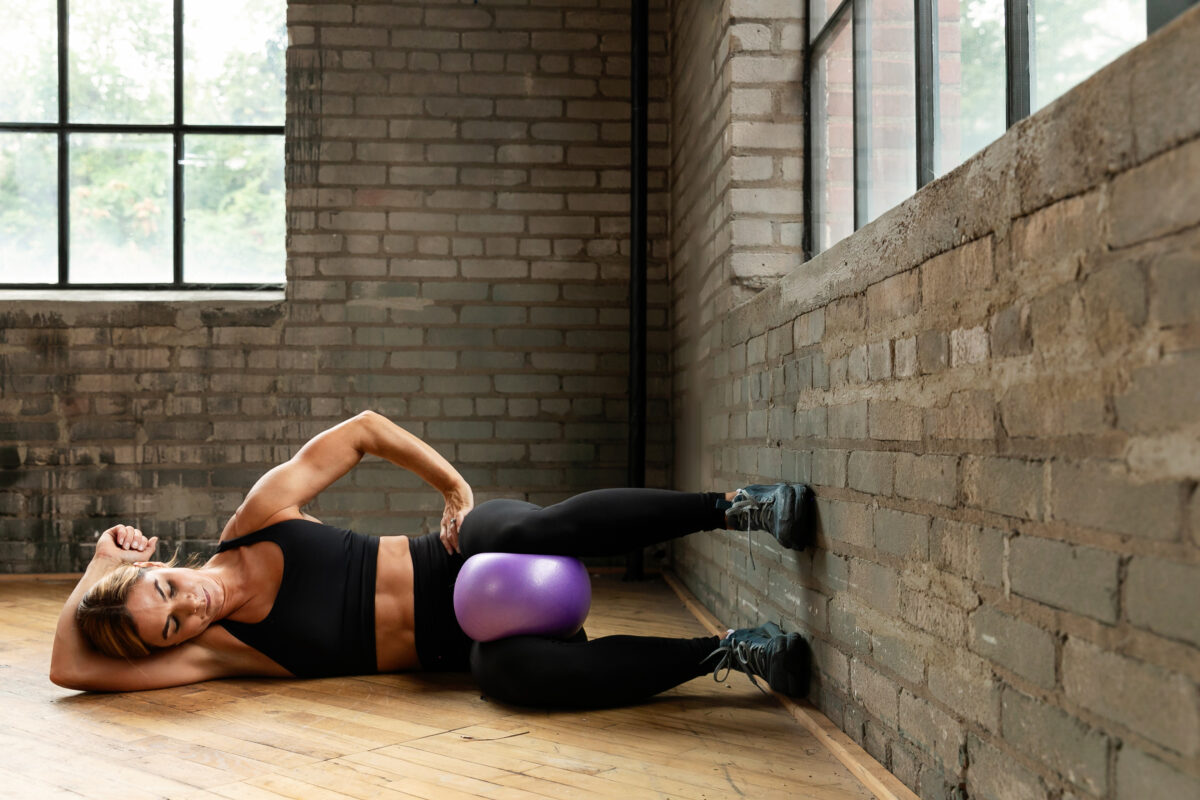
Dr. Packard uses the image of two bowls to explain the relationship between the diaphragm and pelvic floor. The diaphragm forms one bowl, while the pelvic floor forms the other. Ideally, they move together as we breathe.
Posture, alignment, muscle tension, and breathing patterns can affect how those two areas coordinate. Therefore, squeezing one group of muscles in isolation may not address the larger movement pattern.
This becomes especially relevant while hiking.
During a climb, I may lean forward and shorten my breathing. When tired, I might brace my abdomen or hold my breath while stepping over an obstacle. At the same time, the weight of my backpack changes my posture.
Each small adjustment influences how my body manages pressure.
Breathing, Pressure, and the Mechanics of Every Step
One of the most important lessons from Dr. Packard’s answers was that pelvic floor work should eventually become part of everyday movement.
Learning to identify the muscles marks only the beginning. Next, the body must coordinate the pelvic floor with breathing, lifting, walking, running, bending, and carrying.
The goal is not to spend a few minutes performing isolated exercises and then forget about those muscles for the rest of the day. Instead, the body learns how to respond during real activity.
That approach makes sense to me as a long-distance walker.
On the trail, movement rarely happens under perfect conditions. I may walk on pavement, grass, loose gravel, mud, or steep stone paths. I may need to lift my backpack, squat beside the trail, climb stairs, or regain my balance quickly.
My body must respond as one connected system.
How Connect Builds Strength From the Inside Out
Dr. Packard created Connect Pelvic Floor Fitness after experiencing pelvic floor dysfunction following her own pregnancies.
The online platform combines pelvic floor education with progressive total-body strength training. Rather than treating pelvic health as something women must finish before returning to “real” exercise, the program integrates both.
Its Pelvic Floor Foundations program moves through five stages: Prep, Reset, Integrate, Strength Fundamentals, and Elevated Strength.
Early sessions focus on breathing, pressure, alignment, and pelvic floor awareness. Later stages introduce more resistance, movement complexity, and advanced strength patterns.
According to Dr. Packard, both sides progress together. Women build physical strength while also learning how to manage pressure and coordinate their muscles during movement.
I appreciate that philosophy because women should not always have to choose between rehabilitation and performance. Sometimes we need both.
What This Means for My Walk to Canterbury
My upcoming walk from London to Canterbury feels deeply personal.
After completing the Camino de Santiago, I found myself longing for another pilgrimage. I also wanted a journey connected to stories that have fascinated me since childhood.
The Canterbury Tales made Canterbury feel almost mythical to me. Now, I want to experience that road through my own footsteps.
Still, romance and determination will not carry my backpack. My body will.
Therefore, my preparation must include more than increasing my daily step count. I need to pay attention to posture, breathing, core stability, recovery, and the way I carry weight.
I also need to listen for symptoms rather than treating them as inconveniences.
Leaking, pressure, heaviness, persistent pelvic pain, or unusual core weakness should not become things I simply endure because I want to keep moving.
As Dr. Packard explained, symptoms provide information. They are not a life sentence or proof that a woman must give up the activities she loves.
That message feels especially important for women approaching midlife.
Midlife Strength Requires More Than Pushing Through
Women often take pride in pushing through discomfort.
We carry families, careers, responsibilities, grief, expectations, and everyone else’s needs. Then we may carry a backpack for miles while telling ourselves that pain is simply part of being strong.
Yet strength also means paying attention.
It means asking questions when something feels wrong. It means seeking professional help without embarrassment. It also means learning new ways to move, even after years of exercise.
An online program may provide education and guided movement. However, it should not replace medical evaluation when someone has significant pain, bleeding, a noticeable bulge, worsening symptoms, or concerns about a medical condition.
The Strength Supporting Every Mile
The pelvic floor may be hidden, but its role is not small.
It supports movement, breathing, stability, continence, and confidence. Moreover, it works with the rest of the body rather than operating alone.
As I prepare for another long walk, I am learning to view strength differently.
Strength is not only the ability to keep going. Sometimes strength means becoming more aware of what makes going possible.
My feet will carry me toward Canterbury. My legs will move me over the miles. My backpack will sit on my shoulders.
However, underneath every step, another system will quietly help hold everything together.
It is time we stopped overlooking it.
This article is for educational purposes and does not provide medical advice. Anyone experiencing pelvic pain, leaking, pressure, heaviness, or other concerning symptoms should speak with a qualified healthcare professional or pelvic health physical therapist.