Wellness Beyond Weight Loss: A Conversation with Denise Chakoian
I know what it feels like to organize wellness around a number on the scale. For years, so many of the conversations directed at women have begun with the same assumption: our bodies are problems to solve.
We are encouraged to shrink ourselves, count everything we eat, and treat visible transformation as the clearest evidence of health. Yet a smaller body does not automatically guarantee strength, energy, mobility, restful sleep, emotional balance, or freedom from pain.
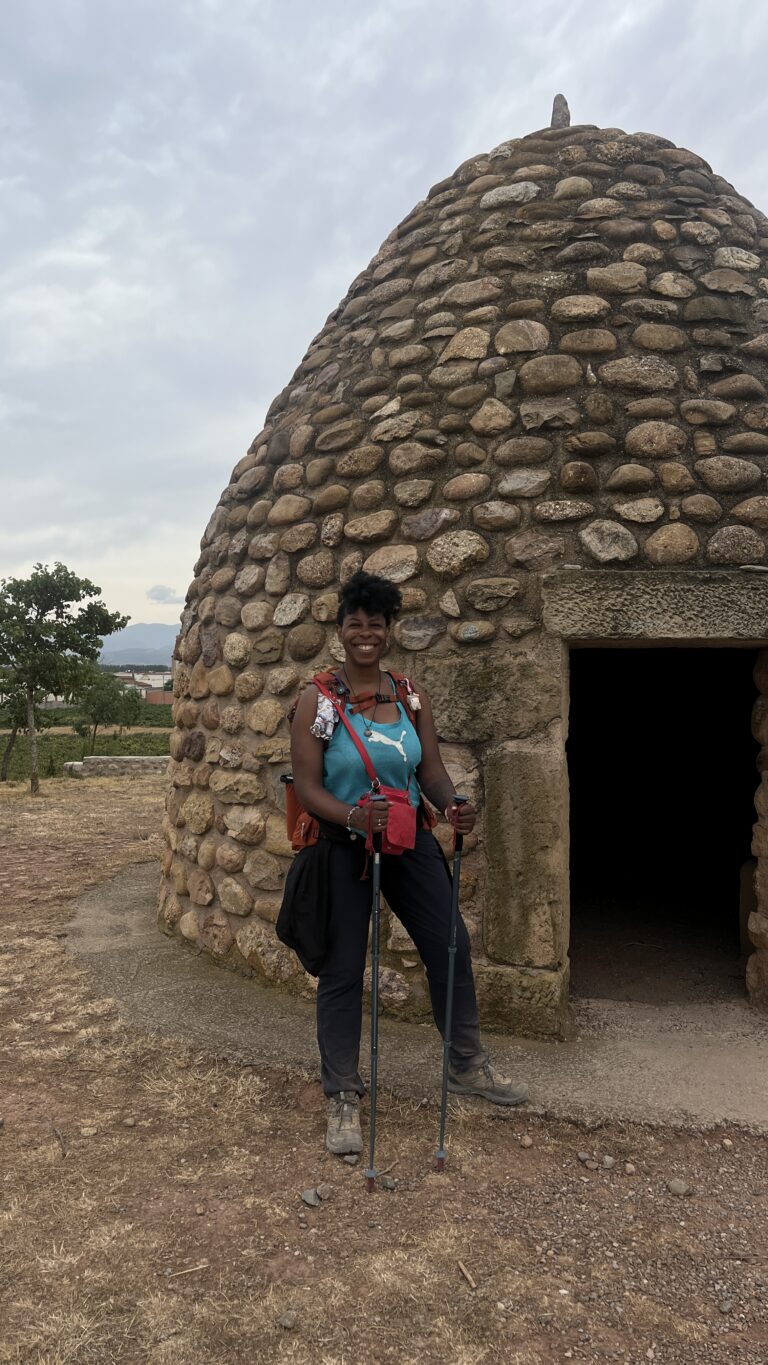
My own weight-loss journey improved my health in meaningful ways. Losing 50 pounds helped me move more easily and feel more confident. However, walking the Camino de Santiago later taught me that weight loss was only one part of the story.
My body still needed muscle, endurance, nourishment, recovery, and care.
That is why wellness beyond weight loss matters so much to me. It asks a better question than “How small can I become?” It asks, “How well can I live?”
A different way to measure wellness
Fitness professional and cancer survivor Denise Chakoian, owner of Core Cycle and Fitness Lagree in Rhode Island, offers a refreshingly practical way to think about health.
Instead of beginning with appearance, she looks at everyday function. Do you wake with energy? Are you sleeping well? Can you move without constant pain? Do you have enough stamina to participate in your own life?
Those questions shift the conversation away from punishment and toward quality of life.
Wellness appears in ordinary moments. It is climbing stairs without becoming completely winded. It is carrying groceries, walking through an airport, playing with children, concentrating at work, and recovering from a demanding day.
It also includes having enough emotional resilience to respond when life becomes difficult.
As someone who has worked across public health, food systems, international development, and women’s empowerment, I find this whole-person approach much more useful than treating fitness, nutrition, sleep, stress, and mental health as unrelated categories.
They constantly affect one another.
Cancer changed her relationship with movement
Surviving cancer transformed the way Denise understood exercise and her body. Before that experience, movement was more closely connected to changing how she looked. Recovery gave it a different meaning.
“I stopped exercising to change my body and started moving because I was grateful my body could move at all.”
That perspective stayed with me because gratitude rarely occupies the center of mainstream fitness culture.
We hear about discipline, motivation, sacrifice, and transformation. We hear much less about appreciating what our bodies already allow us to do.
Gratitude does not mean ignoring illness, pain, disability, frustration, or the desire for change. It means recognizing that movement can support life rather than serve as punishment for having the wrong body.
Denise’s recovery also strengthened her respect for rest, patience, stress management, and the changing needs of the body. Exercise became one part of wellness rather than the entire definition.
The fitness industry often rewards extremes
Modern wellness culture frequently celebrates dramatic transformation. Before-and-after images attract attention. Thirty-day challenges promise fast results. Restrictive plans offer the excitement of beginning again.
However, sustainable habits rarely look dramatic enough to become viral content.
Going to bed consistently, walking regularly, eating enough protein, drinking water, completing a manageable strength routine, and taking a rest day do not create shocking reveal photographs. They create something more valuable: a life the body can continue supporting.
“The fitness industry still pushes extremes instead of habits people can actually maintain long term.”
Most people do not need another unsustainable challenge. They need habits that fit alongside work, caregiving, relationships, health concerns, financial realities, and the normal unpredictability of life.
Consistency does not require perfection. It requires a plan flexible enough to survive ordinary life.
My Camino made wellness beyond weight loss real
I understood this lesson intellectually before walking the Camino. The road made it physical.
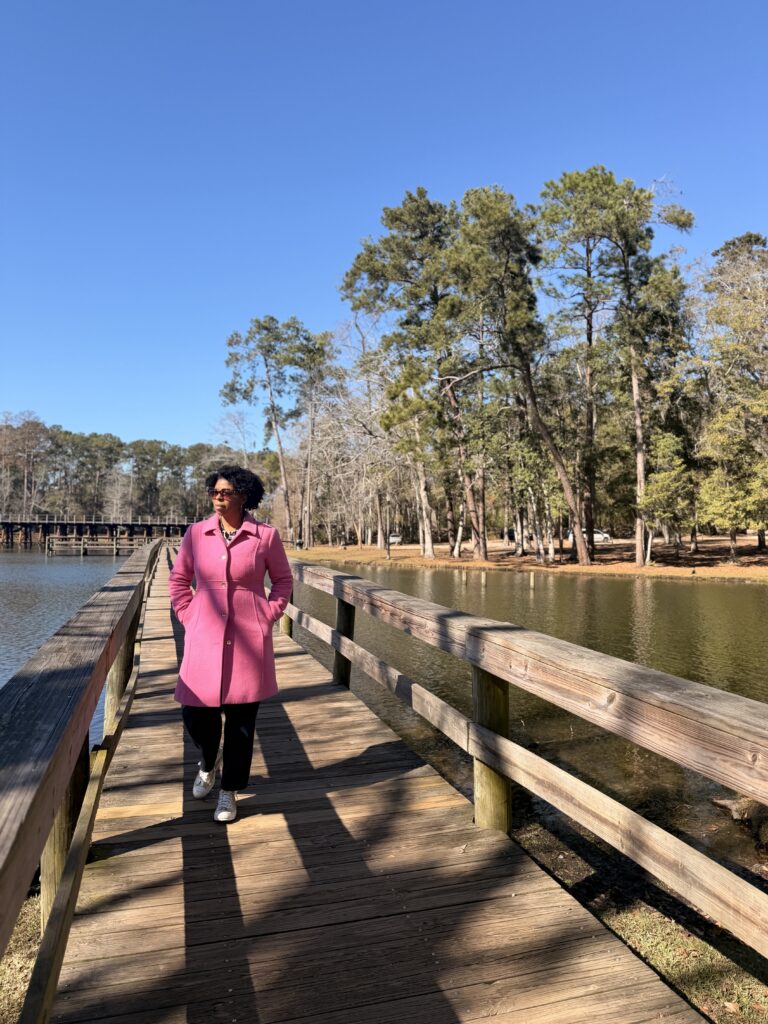
I began the journey healthier and 50 pounds lighter. Still, the first week brought intense pain in my back, hips, and knees. Some days, I cried because walking hurt so much.
I needed rest days. I rode a bus for part of one stage. On difficult days, I sent my backpack ahead so I could continue without placing the same strain on my body.
Around day 12, I began to feel stronger. My body had started adapting to the repeated miles.
That experience taught me that losing weight had made movement easier, but it had not automatically built the muscle, core stability, endurance, and recovery capacity required for long-distance walking.
I explore those lessons more fully in The Camino Brought Me to Tears: How I Am Preparing My Body Differently at 50.
Low-impact exercise can still build meaningful strength
Denise has seen growing interest in approaches such as Lagree because many people want exercise that feels challenging without relying on constant jumping, pounding, or exhaustion.
Low-impact does not necessarily mean low effort. Controlled movement can challenge strength, balance, stability, posture, and muscular endurance while offering an alternative to workouts built around speed and impact.
That distinction is especially relevant for women balancing work, stress, caregiving, hormonal changes, old injuries, and the desire to remain active for decades.
The best exercise is not always the routine that leaves someone most depleted. It is the one that safely supports their goals and remains realistic enough to repeat.
Strength protects more than appearance
Muscle supports the experiences I want to keep having. Strong legs help me climb hills and stairs. Glute and hip strength can support stability. A stronger core and back make carrying a backpack or suitcase more manageable.
Strength also contributes to balance, posture, mobility, and independence. Those benefits matter far more to me now than chasing a specific clothing size.
“Strength should be measured by how you feel and function, not just how you look.”
I want to know whether my body can help me walk through a new city, navigate a train station, carry what I packed, and get up the next morning ready to remain curious.
Those abilities are not cosmetic. They shape freedom.
Healthy aging is not the same as chasing youth
One of the most damaging ideas in wellness culture is that aging well requires looking as though aging never happened.
I am not trying to erase 50. I want my age to reflect experience, survival, knowledge, and continued possibility.
For me, healthy aging means preserving enough strength, energy, mobility, and independence to continue participating in life.
It means traveling, creating, learning, eating memorable meals, walking long routes, and adapting when my body needs something different.
Happy aging also leaves room for pleasure. Health should not reduce life to measurements, appointments, supplements, and restrictions. Joy, rest, intimacy, creativity, food, beauty, and play belong in the picture too.
Food should support strength, energy, and pleasure
Wellness beyond weight loss also changed the way I think about food. I still monitor my sugar intake and pay attention to the habits that affect my weight. However, I now think more seriously about protein, hydration, muscle preservation, energy, and recovery.
Food cannot be only about creating a calorie deficit. My body needs nourishment for walking, thinking, working, traveling, and repairing itself.
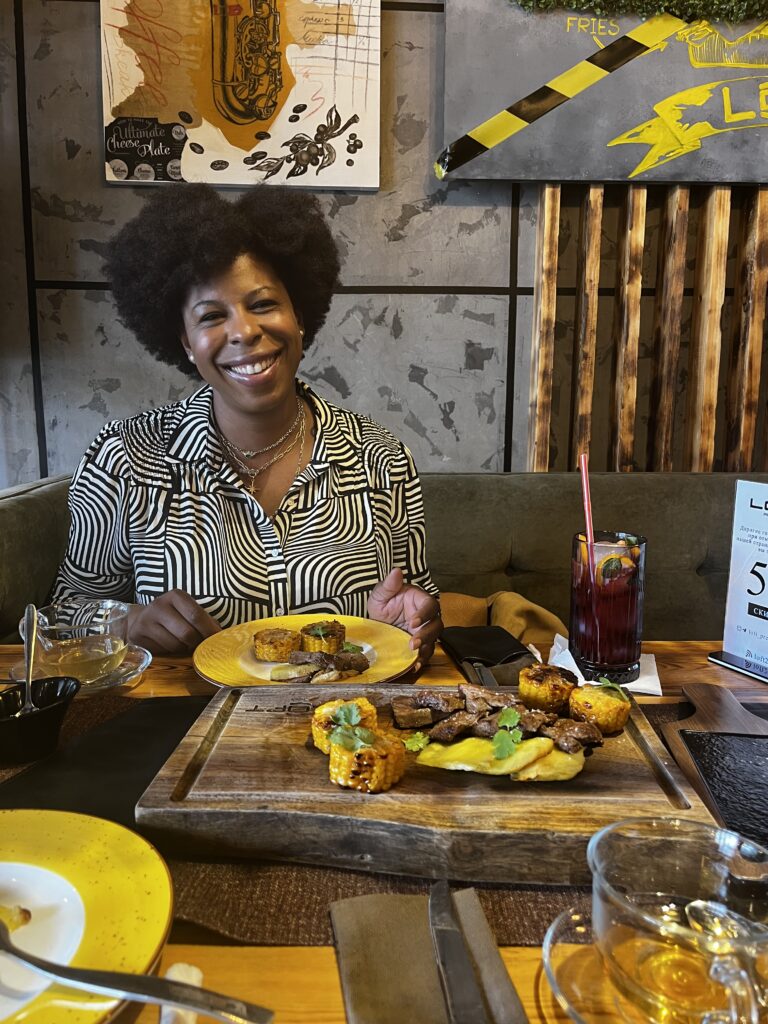
At the same time, food remains part of culture, memory, celebration, and pleasure. A sustainable approach must make room for all of those realities.
I explore this more deeply in Food for Balanced Wellness: Nourishment Beyond Dieting.
Sleep and recovery belong in the wellness conversation
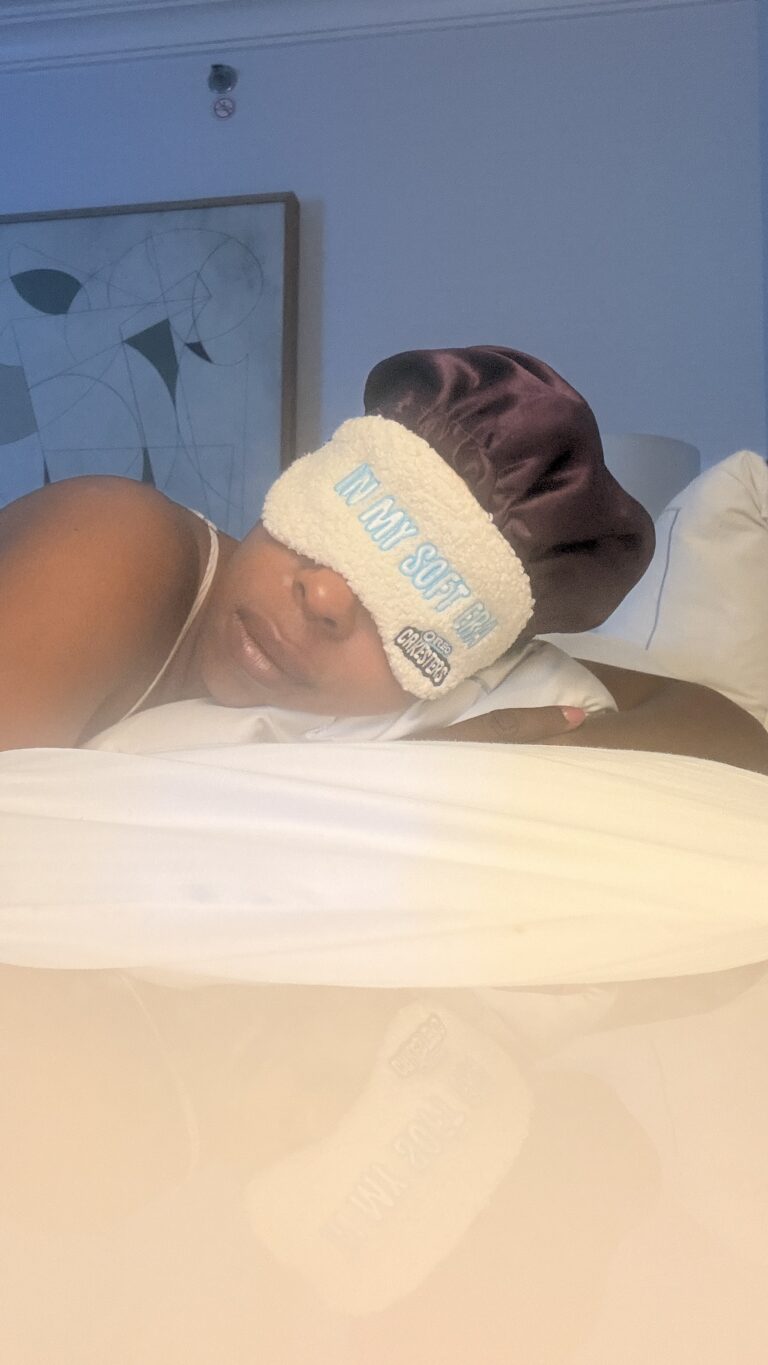
Exercise often receives the most public attention, but the body adapts during recovery. Sleep affects energy, pain perception, appetite, concentration, mood, and decision-making.
Rest is not evidence that a person lacks discipline. It is one of the conditions that allows effort to remain sustainable.
Meditation also supports my wellness by helping me regulate stress and notice what my body is communicating. That awareness becomes especially valuable when I need to distinguish ordinary discomfort from a warning that deserves attention.
Readers interested in guided meditation and sleep support can access my Calm guest pass.
Women’s health requires a wider conversation
Women’s wellness cannot focus only on weight, appearance, and generic workout advice. Pelvic-floor health, hormonal changes, bladder concerns, bone health, pain, caregiving stress, and changing recovery needs all influence how we feel and move.
These concerns should not be treated as embarrassing side notes. They belong in the center of conversations about strength, mobility, and healthy aging.
My article on pelvic floor health for hikers explores some of the issues that standard fitness and gear discussions often overlook.
Wellness should help us participate more fully in life
What I appreciate most about Denise’s perspective is that it returns wellness to the experiences that actually matter.
Energy to begin the day. Strength to move through it. Mobility to go where we want. Resilience when life becomes difficult. Rest that allows recovery. Joy that gives all of the effort a purpose.
The scale cannot measure those things. A photograph cannot fully reveal them. Yet they may offer the clearest evidence that our wellness practices are working.
I still care about managing my weight. I simply no longer want weight to carry the entire meaning of health.
My goal is not merely to occupy less space. I want enough strength, energy, and confidence to keep expanding my life.
Wellness beyond weight loss is about freedom
Wellness beyond weight loss is not a rejection of weight-related health goals. It is an invitation to place them within a larger and more humane vision.
I want a body that can carry me toward the experiences I still desire. I want the wisdom to rest when necessary, the patience to build strength gradually, and the confidence to adapt without seeing every change of plan as failure.
At 50, I am not trying to become a smaller version of myself.
I am trying to become a stronger, healthier, more rested, and more fully present version of the woman I already am.
That is the kind of transformation I want wellness to make possible.