Pinterest: The Visual Diary Helping Me Design My Life
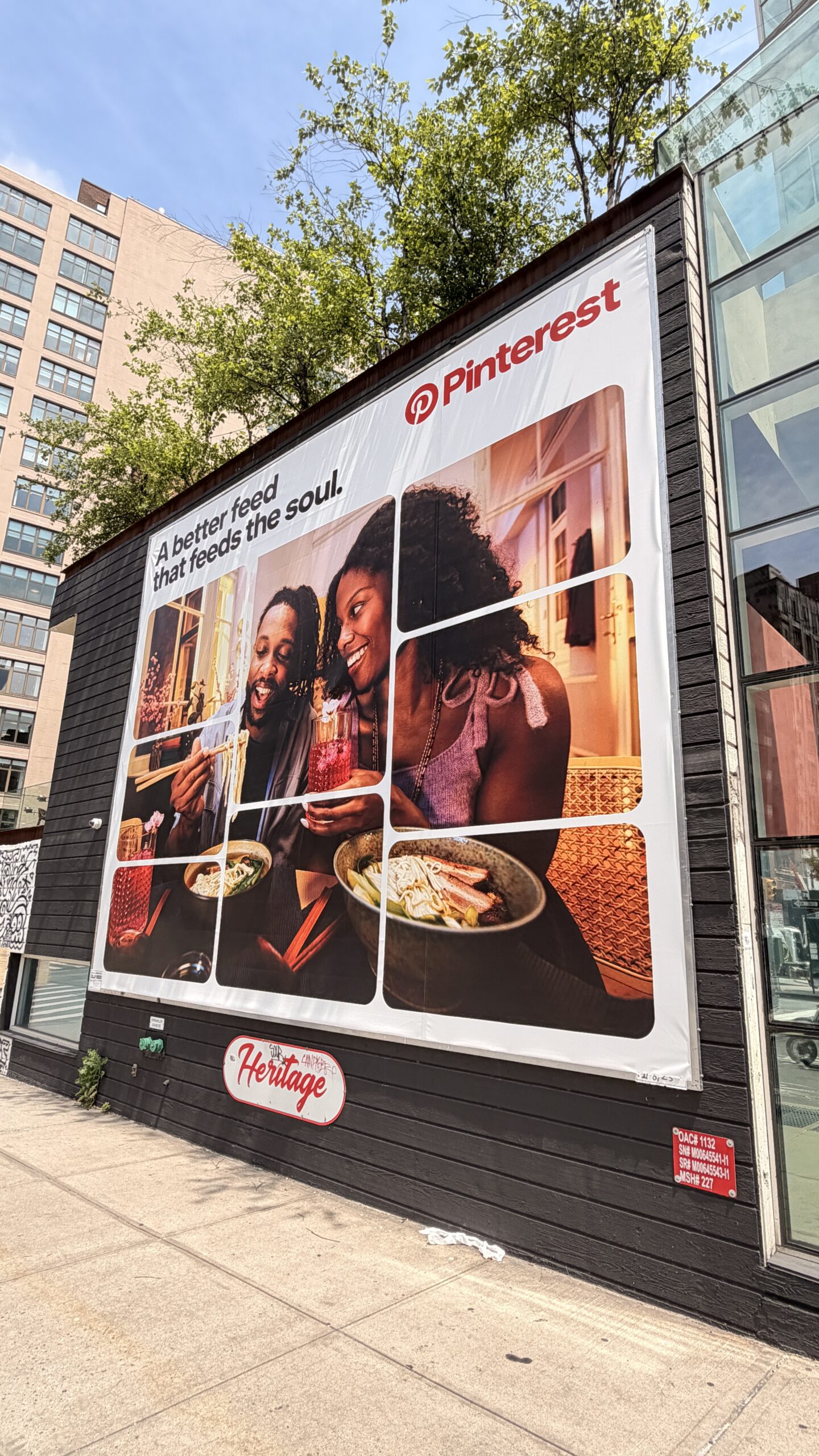
While walking through New York City, I looked up and saw a massive Pinterest advertisement stretched across the side of a building. Its message read, “A better feed that feeds the soul.”
I stopped long enough to take a photograph because those words captured something I had already been thinking about. Our digital feeds constantly show us what to buy, where to go, who to become, and how our lives should look. However, very little of that noise leaves us feeling more certain about what we actually want.
That is what makes how I use Pinterest different.
I do not use Pinterest simply to collect beautiful images. I use it to study my own desires. The boards become places where scattered ideas slowly form patterns. Those patterns help me understand my personal style, shape my home, plan my travels, explore food, and imagine creative projects before I have all the words to describe them.
Pinterest has also become part of how I share my work through DG Speaks. A story that begins in my life can travel through a photograph, become an article, and later reach someone through a Pin months or even years after I published it.
For me, Pinterest sits somewhere between a search engine, a visual diary, and a living vision board. Yet its real value does not stay on the screen. The value appears in the decisions I make afterward.
When the Pictures Begin Telling Me the Truth
I have always noticed beauty.
Color catches my eye. So do interesting fabrics, old buildings, beautifully plated food, dramatic landscapes, handmade objects, and rooms that feel as though someone has truly lived inside them.
However, loving many beautiful things can become confusing. Attraction does not always equal alignment. I may appreciate something without wanting to wear it, live with it, or make room for it in my everyday life.
Pinterest helps me see the difference.
Once I save enough images to a board, repetition begins to reveal the truth. Certain colors return. Similar shapes appear again and again. I may keep choosing the same type of room, the same style of jacket, or the same relaxed but expressive travel outfit.
Those patterns often tell me more than one isolated image ever could.
They show me what feels like me, rather than what merely looked beautiful for a moment.
My mind often understands something visually before I can explain it verbally. I may know that a room feels wrong without knowing why. I may sense that an outfit does not reflect me, even though every individual piece looks nice.
A board allows me to step back and see the larger story.
Building a Wardrobe That Can Keep Up With My Life
My life asks a great deal from my clothing.
I may spend one week walking through a European city, another attending a professional conference, and another working from home while writing or teaching. I want to feel comfortable, but I do not want comfort to erase my personality.
I want my wardrobe to feel feminine, artistic, free, and expressive. At the same time, I travel often and prefer to own less. Those two desires can easily compete with each other.
Pinterest helps me make them work together.
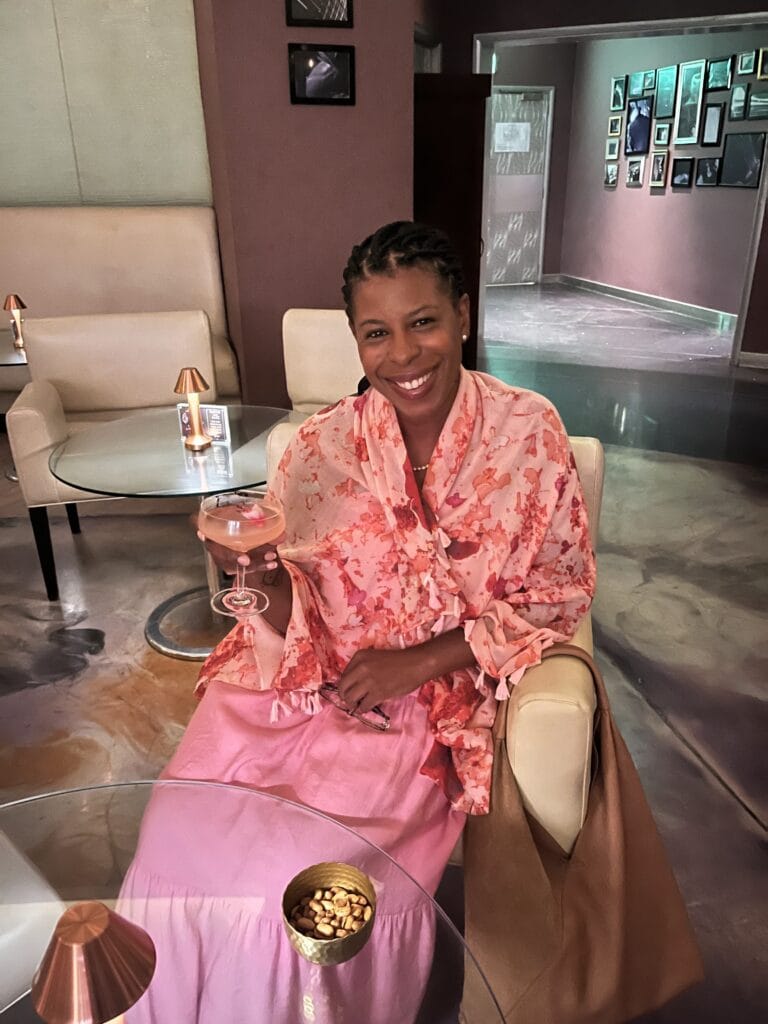
I create boards filled with silhouettes, fabrics, hairstyles, accessories, shoes, and color combinations. Then, instead of copying an entire outfit, I study the individual elements that keep calling me back.
I may notice fitted tops paired with flowing trousers. Perhaps bold jewelry appears repeatedly. Maybe I keep saving dramatic glasses, soft layers, artistic prints, or clothing that moves beautifully when someone walks.
Eventually, those details become a language.
That language helps me decide what belongs in my wardrobe and what does not. Rather than buying something simply because it looks good on a hanger, I can ask whether it supports the woman I already am and the life I am actively living.
This process has also helped me understand that minimalism does not have to look plain.
I do not want a wardrobe stripped of color, culture, or imagination. My goal is not to disappear into beige. I want fewer pieces, but I want those pieces to feel unmistakably mine.
Packing Light Without Leaving Myself Behind
Travel reveals very quickly whether a wardrobe actually works.
At home, I can change clothes when something feels uncomfortable or wrong. On the road, every item must earn its place inside my backpack or carry-on.
Before a trip, I often use Pinterest to create a visual picture of the experience ahead. I consider the weather, local culture, planned activities, walking conditions, and the kind of photographs I may want to take.
A city visit might require clothes that feel polished but can survive hours of walking. A long-distance journey needs practical layers, dependable shoes, and fabrics that dry quickly. A conference calls for outfits that can move from daytime sessions into evening events without requiring an entirely separate wardrobe.
Seeing those looks together helps me choose pieces that work across several situations.
More importantly, it helps me travel lightly without feeling as though I left my identity at home.
Minimalist travel should make life easier. It should not require becoming visually invisible.
That balance between freedom and structure also appears in the way I use other tools. In my article about how I use Notion to organize my beautifully busy life, I share how I manage the practical details behind my travels, writing, business, learning, and wellness goals.
Notion helps me organize the plan. Pinterest helps me see how I want that plan to feel.
Creating a Home That Holds Memory
Pinterest has also shaped how I think about home.
I am less interested in creating a room that looks perfect than creating one that feels alive. A space can contain expensive furniture and still feel cold. Another room may use simple pieces and feel warm, soulful, and deeply welcoming.
I pay attention to the rooms that create an emotional response in me.
Warm lighting often matters. So do layered textures, books, art, plants, and objects that carry stories. I love the idea of a home that reflects where I have traveled, what I value, and how I want people to feel when they enter.
However, I do not want my home buried beneath things.
My version of minimalism has never meant owning almost nothing. It means choosing what deserves space.
Sometimes, a Pinterest board shows me that I do not need to buy anything at all. I may need to move the furniture, change the lighting, display a piece of art differently, or remove objects that create visual noise.
That realization matters because visual inspiration can easily become a shopping list. I do not want every beautiful image to convince me that my current life is inadequate.
I want inspiration to deepen my appreciation for what I already have while helping me make more thoughtful choices about what comes next.
The Difference Between Desire and Distraction
Pinterest can support intentional living, but it can also work against it.
There will always be another perfect kitchen, flawless capsule wardrobe, elegant storage system, or beautifully arranged desk. If I am not careful, the platform can turn possibility into dissatisfaction.
Therefore, I have learned to question the images that attract me.
- Does this idea fit the way I actually live?
- Would it make my life easier or simply give me more to maintain?
- Can I create the same feeling with something I already own?
- Does this reflect my values, or does it only encourage consumption?
Those questions help me separate desire from distraction.
Not everything I admire belongs in my life. Some images are meant to be appreciated and released.
That lesson extends far beyond Pinterest. Learning what to save, what to pursue, and what to let go of is part of living deliberately.
Following Flavor Into Other Cultures
Food represents another important part of how I use Pinterest.
I search for recipes, cooking techniques, flavor combinations, and creative ways to use ingredients already sitting in my kitchen. The visual nature of the platform works especially well for food because an image can communicate the feeling of a dish before I ever read the recipe.
A bowl of soup may look comforting. A bright plate may inspire a lighter meal. A beautifully arranged table can remind me that food involves culture, memory, hospitality, and pleasure as much as nutrition.
I also save recipes from different countries and regions because food offers one of the clearest paths into culture.
A dish can introduce a history, a migration story, a climate, or a family tradition. Even when I change a recipe to match my own tastes, I still begin by paying attention to what the dish is trying to tell me.
I rarely treat recipes as unchangeable instructions. Instead, they become starting points. I may adjust the spices, remove an ingredient I dislike, simplify the process, or combine ideas from several dishes.
That approach reflects how I live in general. I appreciate structure, but I always leave room for instinct.
A Place to Hold the Ideas That Are Not Ready Yet
Not every idea arrives at the moment when I have the time, money, energy, or space to pursue it.
That does not make the idea meaningless.
I use Pinterest to save crafts, photography concepts, visual storytelling ideas, event inspiration, travel possibilities, and other creative projects. Some become real quickly. Others wait quietly for years.
I like that a board can hold a possibility without turning it into an obligation.
We often feel pressured to act on every idea immediately. Yet some ideas need time to mature. Others need to connect with something else before their purpose becomes clear.
Pinterest gives those unfinished thoughts somewhere to wait.
That role mirrors how I use Notion, although the two platforms serve me differently. Notion holds plans, notes, deadlines, and systems. Pinterest holds moods, visual clues, and possibilities.
Together, they support both sides of my creative process: the part that imagines and the part that organizes.
Giving My Stories Another Way to Travel
Pinterest is not only a private source of inspiration for me. It also helps my writing reach people beyond my existing audience.
Through DG Speaks, I publish stories about travel, food, culture, women, personal growth, and the experiences that shape how I understand the world.
Every story begins in one place, but it does not have to remain there.
A travel article may help another woman imagine taking her first solo trip. A food story may introduce someone to a cultural tradition. A personal reflection may give a reader language for something she has felt but never fully explained.
Pinterest gives those stories another route into the world.
I can create Pins using my photographs, headlines, descriptions, and links to the full articles. Unlike a traditional social media post that may disappear within hours, a useful Pin can continue appearing in searches long after I publish it.
That longevity makes Pinterest especially valuable for the kind of evergreen storytelling I create.
You can explore my travel, food, culture, and lifestyle content through the DG Speaks Pinterest profile.
Old Stories Deserve New Doorways
Writers spend so much time creating the next story that we often neglect the ones already sitting in our archives.
Yet an older article may still contain useful travel advice, cultural insight, or personal encouragement. It simply needs a new doorway.
Pinterest allows me to return to those stories and present them from a fresh angle.
A Camino article, for example, may contain several different stories inside it. One Pin could focus on packing. Another might highlight food, solo women’s travel, village life, community, or personal transformation.
Likewise, one destination guide can lead readers toward information about accommodations, restaurants, transportation, local etiquette, and things to do.
The article does not change. However, the point of entry does.
That approach helps me respect the work I have already created instead of constantly treating old content as disposable.
Creators who want to explore publishing tools, analytics, and content discovery can visit the official Pinterest Business website.
Connection, Organization, and Imagination
This article belongs to a larger series about the digital tools I use in my everyday life.
Each platform solves a different problem for me.
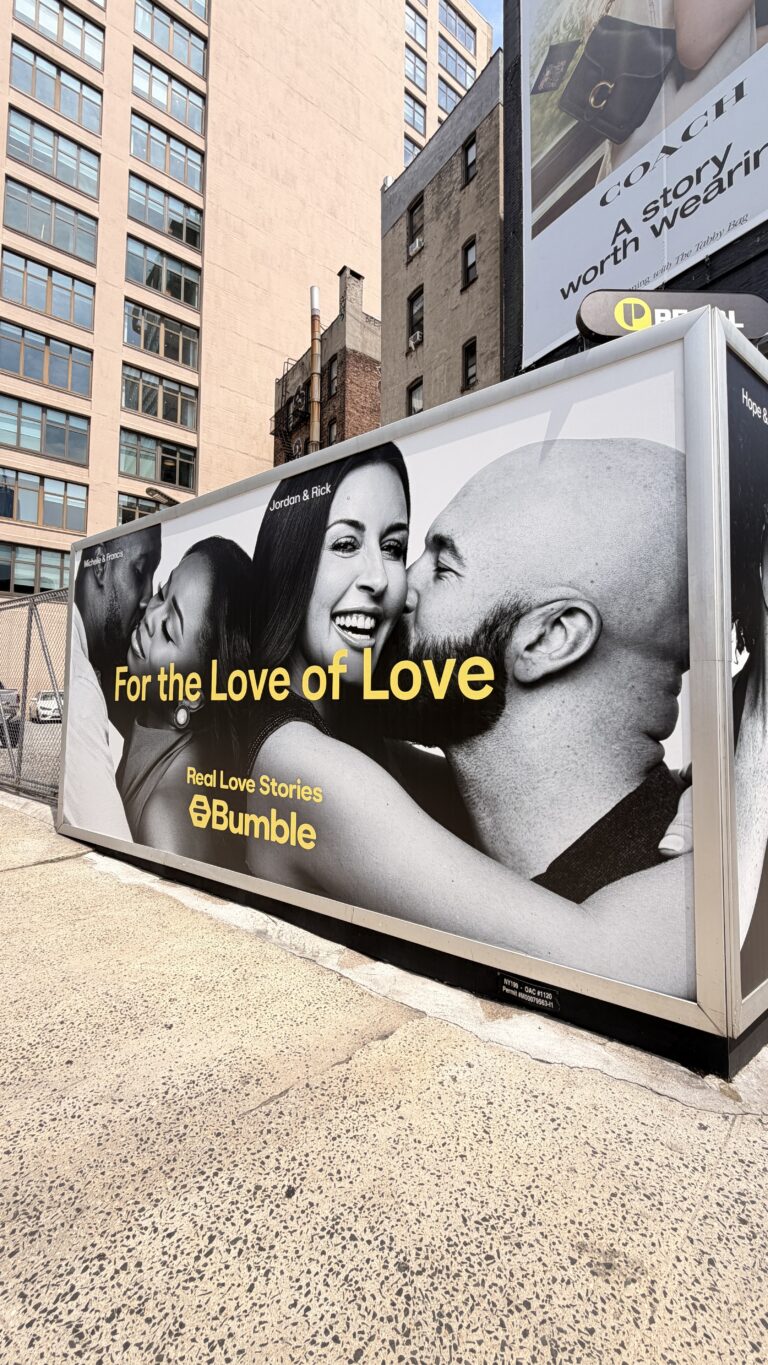
Notion helps me organize my business, travels, writing, learning, and personal goals. Bumble BFF helps me connect with other women and build community beyond romantic relationships. Pinterest gives me room to imagine, refine, and visually express what I want to create.
Together, those three platforms illustrate how I use technology to organize, connect, and create.
Technology works best in my life when each tool has a purpose. I do not need every app to perform every function. I need the right tool to support the right part of my life.
The Life Beyond the Board
The Pinterest advertisement I photographed promised “a better feed that feeds the soul.” I understand why the message stayed with me.
Most digital feeds leave us overstimulated. We consume hundreds of images, opinions, and advertisements without remembering much of what we saw.
Pinterest can become another version of that endless consumption. However, I try to use it as a bridge between inspiration and action.
A wardrobe board helps me dress with greater intention. A home board helps me understand the atmosphere I want to create. A recipe may become dinner. A travel image may become a journey. A DG Speaks Pin may guide a new reader toward one of my stories.
The real value begins when the inspiration leaves the screen.
I do not use Pinterest because I want someone else’s life. I use it to better understand my own.
The images I save help me recognize what brings me joy, what supports the way I live, and what no longer fits. They remind me that beauty and simplicity do not have to compete.
I can live with less while still embracing color, culture, travel, food, art, and personality.
That is how I use Pinterest. I gather the images, listen to the patterns, and make choices that help my real life feel more intentional and more like me.