Bumble: The Dating App That Led Me Back to Friendship
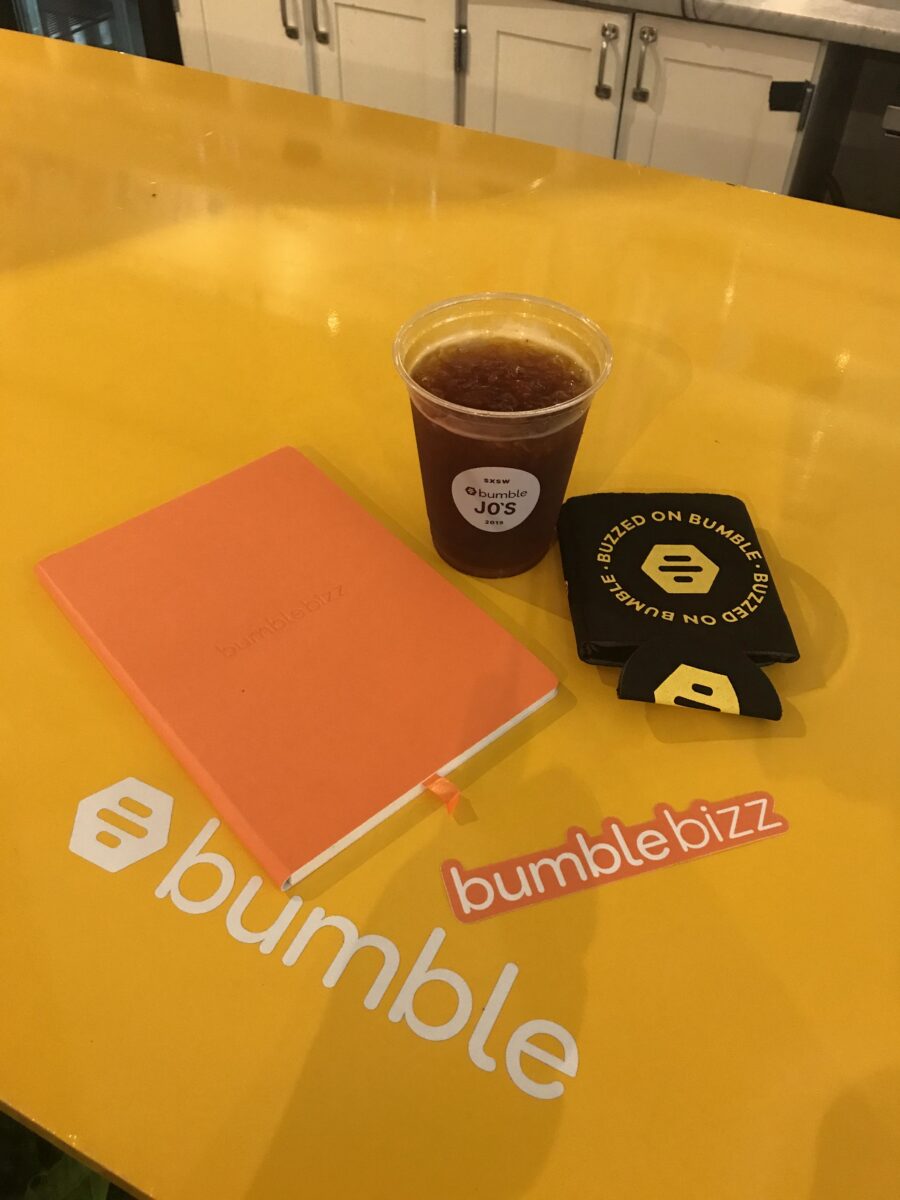
I first became aware of Bumble at South by Southwest in 2019.
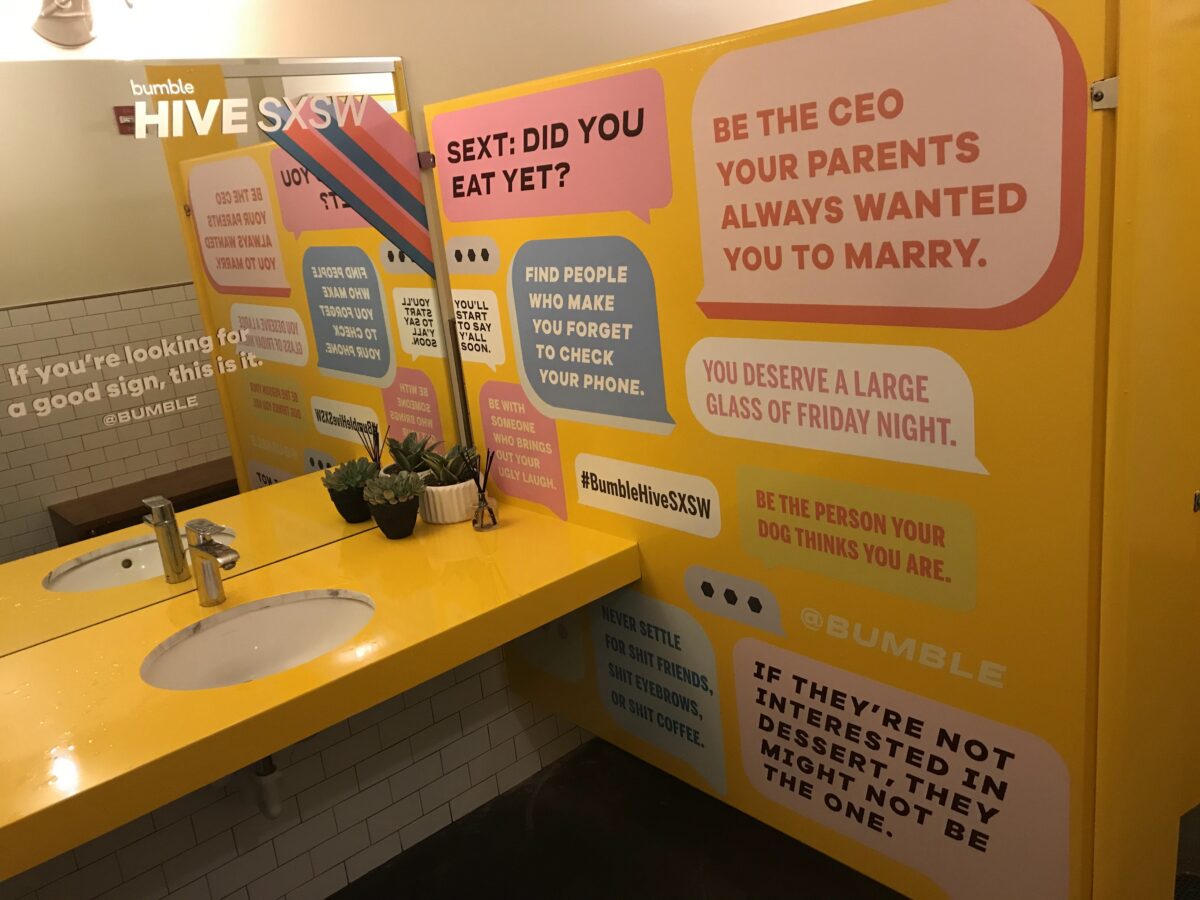
I was in Austin moving through the usual mix of panels, brand activations, films, conversations, and ideas when I visited the Bumble House. At the time, I knew very little about the app. However, I understood the story almost immediately.
Bumble had been built around women taking the first step.
That idea caught my attention because online dating has never felt neutral for women. Too often, signing up means opening the door to unwanted messages, sexual comments, harassment, and photographs nobody asked to see.
I liked that Bumble acknowledged the imbalance. I also liked its female founder story and the larger message that technology could respond to women’s actual experiences instead of expecting women to adapt to unsafe digital spaces.
Still, romance was never the reason Bumble became useful to me.
I tried online dating a few times, but I have always preferred meeting partners in the real world. The part of Bumble that stayed with me was the possibility of meeting other women, building friendships, and creating community.
The Bumble House Made Me Pay Attention
South by Southwest has a way of turning brands into experiences.
You do not simply hear about a company. You walk into its world, meet the people behind it, and begin to understand what it wants to represent.
That was how Bumble entered my life.
I was drawn to the company because it did not frame women’s safety as a side issue. Instead, safety sat close to the center of the brand’s identity.
The original women-first model also felt significant. It gave women greater control over the beginning of an interaction. Even though no app can eliminate harassment, design still matters. The rules of a platform reveal what kind of behavior it considers normal.
Bumble seemed to understand that women deserved more control over who entered their digital space.
Why “Women First” Felt Like More Than Marketing
Women often enter online spaces knowing that attention can turn hostile without warning.
A pleasant conversation may become sexual before we invite it. A polite rejection can trigger anger. A stranger may send an explicit image as though our boundaries do not exist.
Those experiences do more than annoy women. They change how we move through digital spaces.
We become cautious. We study language for warning signs. We think about privacy, screenshots, locations, and whether someone will respect the word no.
That is why women-centered technology matters to me.
When a company considers safety, privacy, harassment, and power from the beginning, it signals that women’s experiences belong in the design process.
Of course, no platform deserves blind loyalty. Policies change, user experiences differ, and companies should always remain open to criticism. Still, the original question behind Bumble mattered: What would online connection look like if women had more control?
That question felt overdue.
Romance Has Never Worked for Me as a Swipe
Even though I liked Bumble’s approach, I never fell in love with online dating.
I tried it. I looked through profiles. I exchanged a few messages. Yet the entire process always felt slightly removed from how attraction works for me.
I notice energy before I notice a list of interests.
I pay attention to how someone enters a room, how they treat people, whether they are curious, and whether their presence feels warm or performative. Humor matters. Kindness matters. The small details matter.
A profile can tell me where someone went to school or what they enjoy doing on weekends. However, it cannot always tell me how I will feel standing beside them.
For that reason, I prefer meeting romantic partners through travel, work, events, mutual friends, daily life, and unexpected moments.
I enjoy the surprise of discovering someone without first reducing them to photographs and a paragraph of carefully selected information.
That does not mean dating apps lack value. Plenty of people have found love through them. They simply do not match the way I prefer to form romantic connections.
The Friendship Door Was the One I Needed
Bumble became more useful to me when romance stopped being the point.
I have mainly used it to meet other women who may want to have coffee, attend an event, visit a museum, try a restaurant, or explore a neighborhood.
That may sound simple, but adult friendship is rarely simple.
When we are young, friendship often grows from proximity. School places us around the same people each day. Later, work, family, moves, caregiving, relationships, and changing priorities make connection less automatic.
Women may look up one day and realize that the people they love no longer live nearby. Others may enter a new city, begin traveling long-term, end a relationship, or move into a new stage of life.
Wanting new friends does not mean something is wrong.
It may simply mean that life changed.
Bumble BFF creates a place where women can be honest about that need. Instead of waiting for friendship to happen accidentally, we can intentionally look for people who share our interests, lifestyle, or desire for connection.
Building Community in a Life That Keeps Moving
My life has included travel, entrepreneurship, teaching, consulting, writing, reinvention, and long stretches away from familiar places.
I enjoy moving through the world independently. I can explore a city alone, eat alone, attend an event alone, and build a full day without needing someone beside me.
Still, independence does not erase the desire for companionship.
Solo travel does not mean I always want to be alone. Sometimes, I want another woman to meet for lunch. I may want company for a gallery visit, a market, a walking tour, or an evening event.
Those moments do not need to become lifelong friendships to matter.
A person can bring joy to one season of your life. She can make a new city feel more familiar, offer a conversation you needed, or share an experience that would have felt different alone.
That possibility makes Bumble BFF valuable to women who move often, travel slowly, work remotely, or simply want to expand their circle.
Readers can learn more through the official Bumble BFF website.
Friendship Without the Performance of Dating
Friendship allows connection to begin without the pressure of imagining a romantic future.
Dating apps often turn every conversation into an evaluation. Could this person become a partner? Are we attracted to each other? Is this going anywhere?
Friendship begins with a different set of questions.
Do we enjoy talking? Do we share interests? Would we have fun exploring the same place? Can we make each other laugh?
That shift removes some of the performance.
It also reminds us that romance cannot meet every human need.
A woman may have a loving partner and still need friends. Another may feel fulfilled while single but want more community. Someone else may simply want women in her life who understand her ambitions, curiosity, or current season.
Connection takes many forms, and technology works best when it recognizes that truth.
A Love Story Does Not Have to Be Romantic
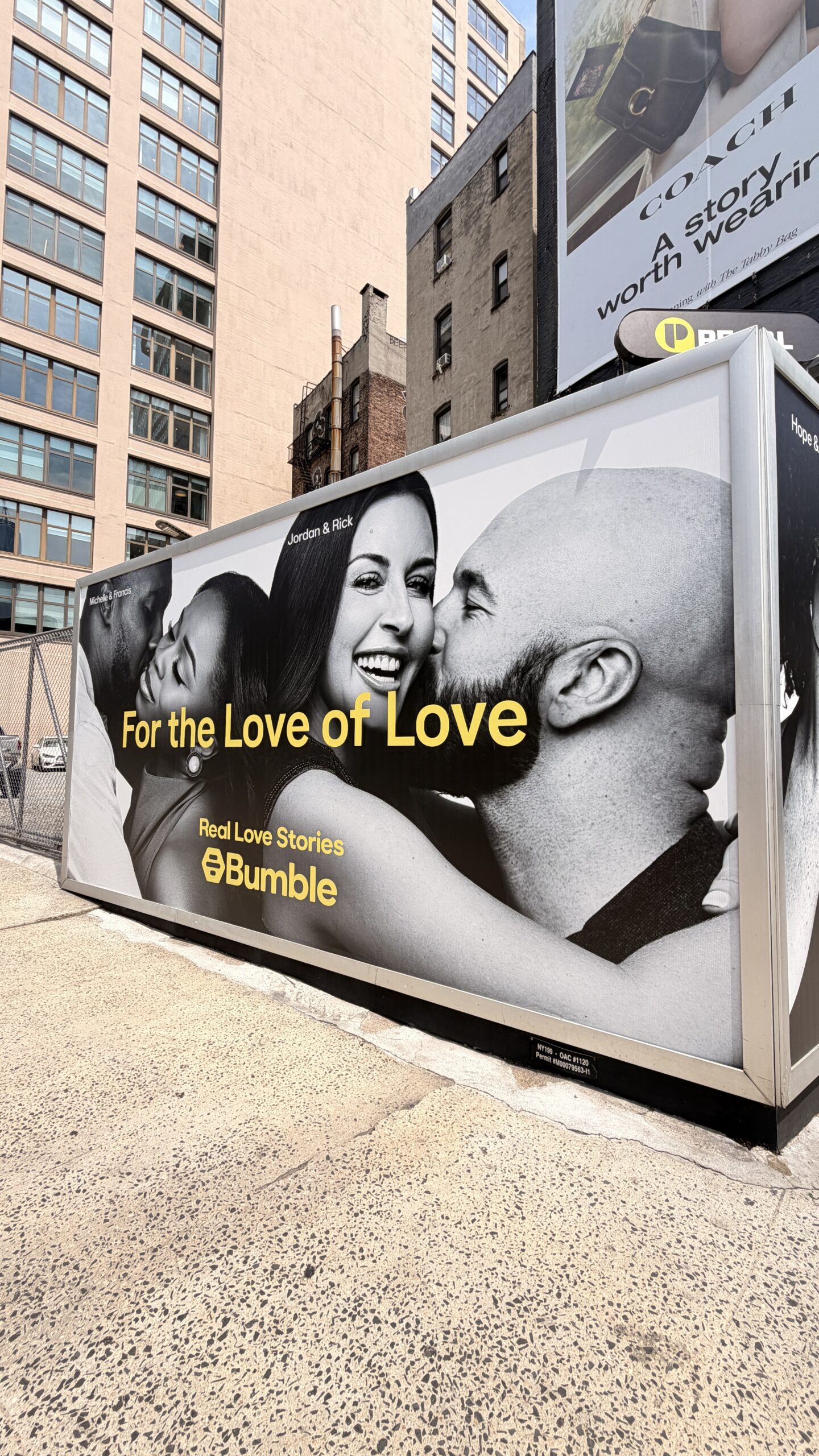
The Bumble billboard I photographed in New York read, “For the Love of Love.”
The images celebrated romance, affection, and couples. Yet my relationship with Bumble tells another kind of love story.
I did not find a romantic partner through the app.
Instead, I saw how technology could create space for women to find friendship, companionship, and community.
That still belongs in the language of love.
Friendship includes trust, tenderness, laughter, loyalty, and care. A friend may encourage you during a difficult transition, explore a new city with you, or sit across the table while you talk through a dream.
Sometimes, love looks like having someone to call when you do not want to spend another evening alone.
Sometimes, it looks like meeting a woman for lunch in a place where neither of you knows many people.
Sometimes, love begins with admitting that you want more community and taking the first step toward finding it.
Where Bumble Fits Into My Digital Life
Bumble is part of a larger series about the digital tools I use to support different areas of my life.
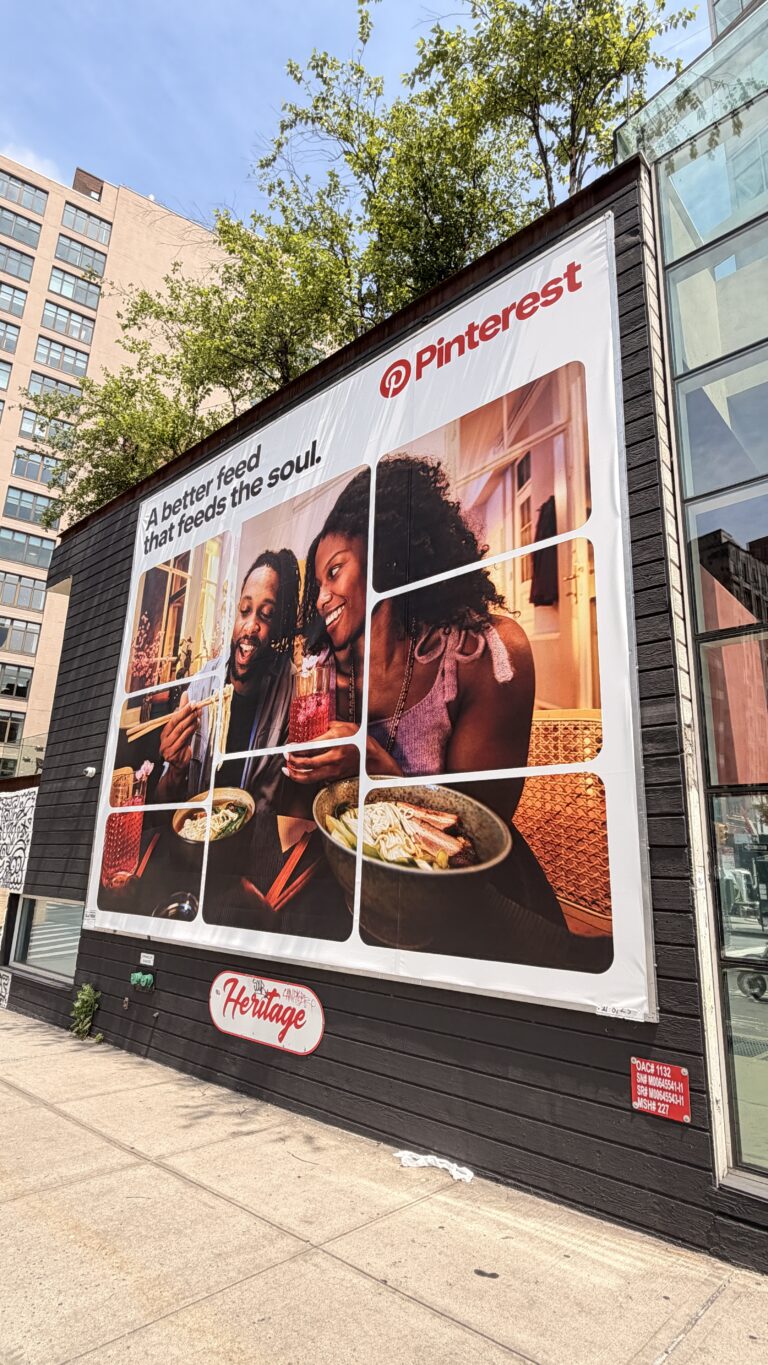
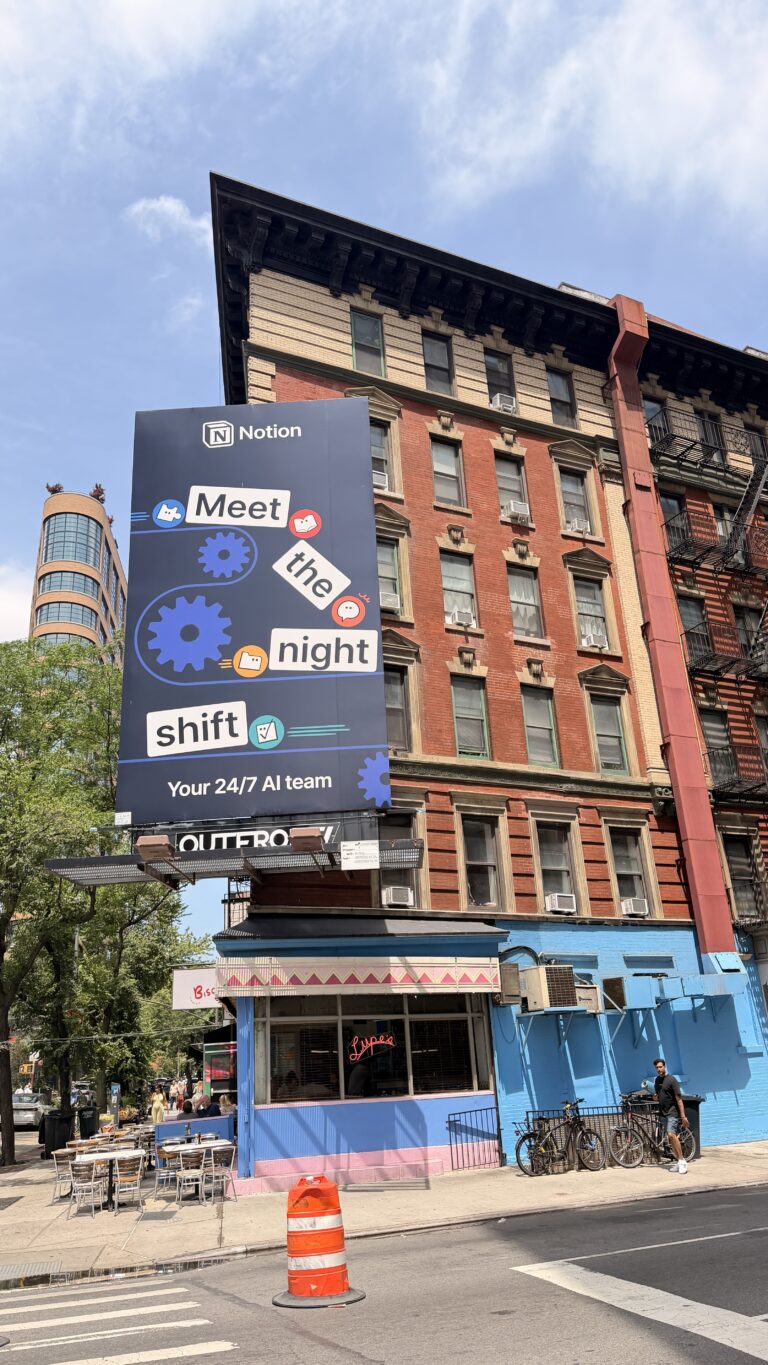
Notion helps me organize my business, travels, writing, goals, learning, and personal plans. Pinterest helps me visualize my style, home, travel wardrobe, food ideas, and creative direction.
Bumble serves a different purpose. It creates another doorway to connection.
Together, these platforms show how I use technology to organize, connect, and create.
I do not expect one app to meet every need. Instead, I value tools that solve a specific problem without taking over my life.
The Door Technology Can Open
I still prefer meeting romantic partners in person.
Bumble never changed that.
However, it expanded my understanding of what a connection app could offer. It showed me that technology can respond to safety concerns while also addressing friendship, loneliness, relocation, and the search for community.
An app cannot create a meaningful relationship on its own. It can only make an introduction.
Real friendship still requires honesty, effort, time, respect, and the willingness to show up.
Still, introductions matter.
Sometimes, technology does not replace human connection. It simply helps us find the door.