Food Summit at Web Summit: The Future of Food
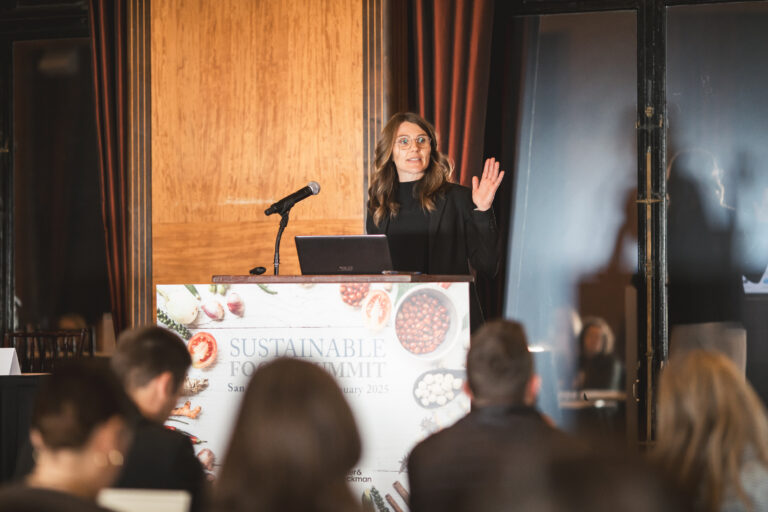
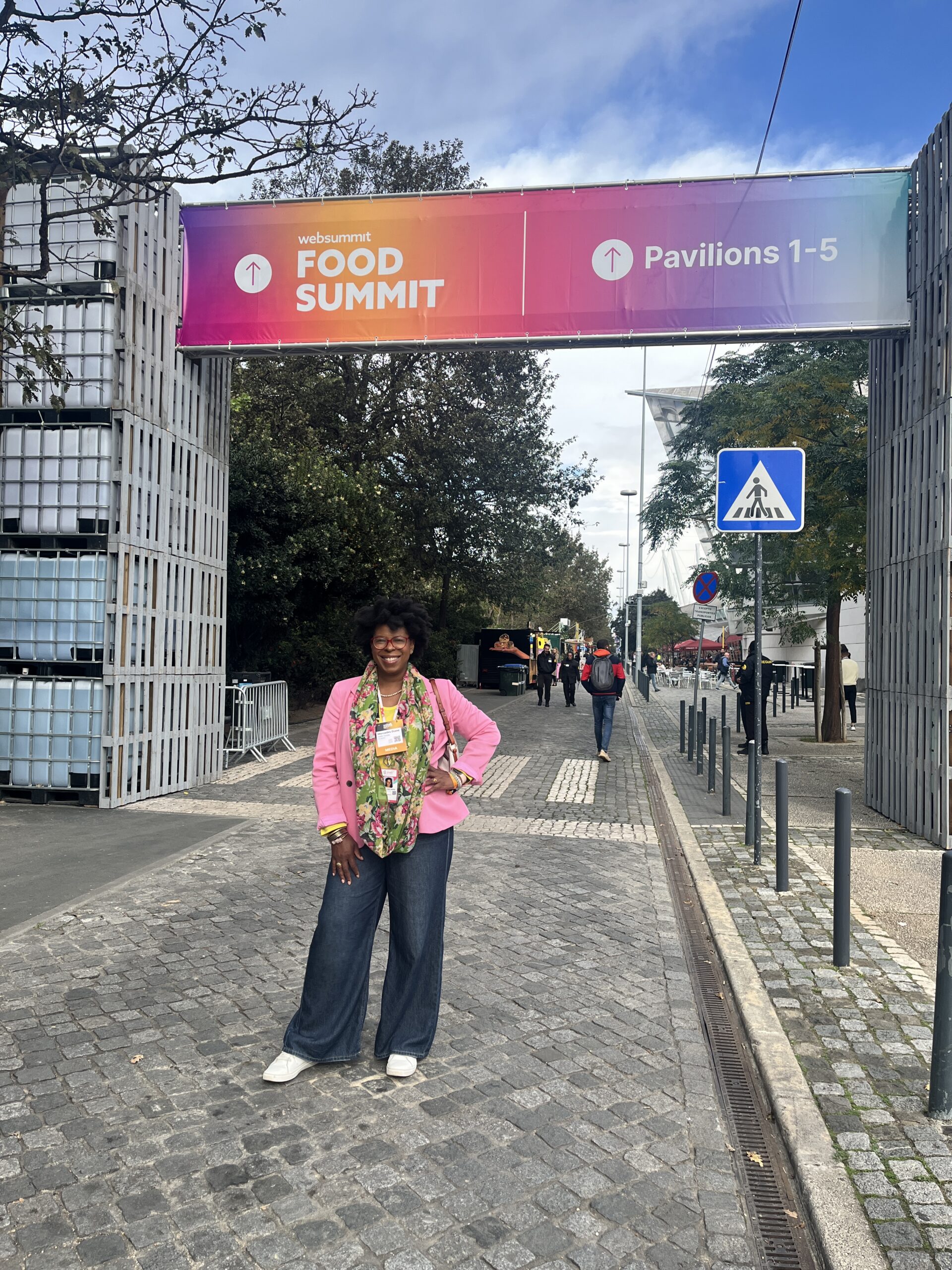
Food Summit caught me off guard at Web Summit. I arrived expecting big conversations about artificial intelligence, startups, and venture capital. Instead, one of the most powerful conversations I heard in Lisbon centered on food.
That makes sense when you really think about it. Food touches everything. It shapes our health, economies, cultures, climate, communities, and daily choices.
For me, this was not an abstract topic. Before I covered Web Summit Lisbon as media, I spent more than two decades working in sustainable food systems, agriculture, gender equity, and international development. So when Food Summit opened the door to conversations about the future of food, I leaned all the way in.
More Than Another Stage at Web Summit
Food Summit belongs at Web Summit because food systems need innovation just as much as finance, media, transportation, or health care. In fact, every major global issue eventually connects back to food.
Climate change affects farmers. Supply chains affect prices. Technology changes how food moves from field to table. Meanwhile, consumers want healthier, more sustainable choices.
That mix creates urgent questions. How do we feed more people without exhausting the planet? How do farmers adapt to changing weather? How do businesses reduce waste and still remain profitable?
Those are the kinds of questions that made Food Summit feel essential, not optional.
Food Is the World’s Oldest Technology
When people hear the word technology, they often think about apps, robots, or artificial intelligence. However, agriculture has always been one of humanity’s greatest technologies.
Learning to grow food changed civilization. Today, food systems are changing again through data, sensors, biotechnology, artificial intelligence, improved storage, better packaging, and climate-smart agriculture.
One conversation might focus on crop monitoring. Another might explore food waste, soil health, or sustainable packaging. Before long, you realize these topics are not separate. They are all part of the same system.
I saw that same systems thinking in my coverage of Releaf Paper, a company reimagining paper production through fallen leaves. I also saw it in Etosha Cave’s work with carbon transformation. Different industries, same bigger question: how can innovation reduce harm and create something better?
Twenty Years Prepared Me for This Room
Sitting at Food Summit, I kept thinking about farmers and entrepreneurs I have met around the world.
I thought about women farmers in Ghana working to improve market access. I remembered agricultural cooperatives in Kenya navigating shifting weather patterns. My mind also went to processors in Mozambique looking for better ways to reduce post-harvest losses.
Those experiences changed how I hear conversations about food innovation. I do not only think about technology. I think about people.
A new tool only matters if someone can use it. A new system only works if communities can access it. Better data means little if farmers still lack financing, storage, transport, or fair markets.
That is why Food Summit felt so relevant to my work. It connected global ideas with the everyday realities I have seen across Africa, Latin America, Eastern Europe, and Asia.
Every Meal Tells a Bigger Story
Food has never been just food to me. It carries memory, labor, land, migration, culture, and power.
A simple meal can tell you who grows the crops, who owns the land, who controls the market, and who gets paid fairly. It can also reveal what a community values, protects, and celebrates.
That is why I wrote Why Food Is the Fastest Way to Understand a Culture. Food opens doors that statistics never can. At Food Summit, that same idea showed up again, but through the lens of innovation.
The future of food will not depend on one brilliant invention. Instead, it will require thousands of thoughtful improvements across farming, logistics, packaging, nutrition, finance, and public policy.
Better Questions Build Better Systems
The best innovators do not begin with answers. They begin with better questions.
How can farmers grow more with less water? What would it take to reduce food waste before food ever reaches consumers? How can small businesses access better tools without being pushed out of the market?
These questions matter because food systems are deeply connected. A climate problem can become a health problem. A transportation problem can become a food security problem. A financing problem can become a gender equity problem.
Food Summit gave those connections room to breathe. Instead of treating food as a lifestyle trend, it placed food where it belongs: at the center of conversations about the future.
Portugal Was the Perfect Place for This Conversation
Lisbon gave Food Summit the right backdrop. Portugal is a country where food still feels deeply connected to place.
Meals stretch longer here. Coffee feels like a ritual. Wine belongs to daily life. Seafood, bread, olive oil, pastries, and regional dishes all help tell the story of the country.
That cultural connection made the conference feel even richer. After sessions ended, Lisbon continued the conversation through markets, restaurants, cafés, and neighborhood bakeries.
If you are visiting for Web Summit, my Lisbon Travel Guide is a great place to start. I also recommend exploring Belém, trying the Original Pastéis de Belém, and taking a day trip with my Sintra Travel Guide. If you have more time, head north and read my Porto Travel Guide.
For official destination inspiration, the Visit Portugal website is also a helpful resource for food, wine, and cultural travel ideas.
Innovation Should Taste Like Hope
The most meaningful innovation often improves life quietly. It may not always dominate headlines, but it changes what people can grow, sell, eat, and afford.
Helping farmers reduce losses matters. Creating better packaging matters. Improving food distribution matters. Making nutritious food more accessible matters.
Food Summit reminded me that technology works best when it serves people first. That idea should guide every conversation about the future of food.
I left Lisbon thinking about possibility. Not the shallow kind that comes from hype, but the grounded kind that comes from people doing serious work to solve real problems.
Continue the Conversation
- Inside Web Summit Lisbon: Four Years of Innovation, Ideas, and Inspiration
- Wine Summit at Web Summit: Where Portugal’s Wine Culture Meets Innovation
- Pharrell Williams on Culture, Commerce, and Closing the Wealth Gap
- Etosha Cave on Building a Carbon-Neutral Future
- How Releaf Paper Is Reinventing Sustainable Packaging
- DG Speaks Media & Press
If you are planning your own trip to Web Summit or Portugal, browse local experiences through GetYourGuide. For budget-friendly stays, compare hostels through Hostelworld. For longer international travel, consider SafetyWing travel medical insurance and check entry requirements through iVisa.
Disclosure: DG Speaks attended Web Summit as accredited media. Some links in this article are affiliate links, which means I may earn a small commission if you make a purchase through them, at no additional cost to you.