What We Learn When Everyone Eats From the Same Pot
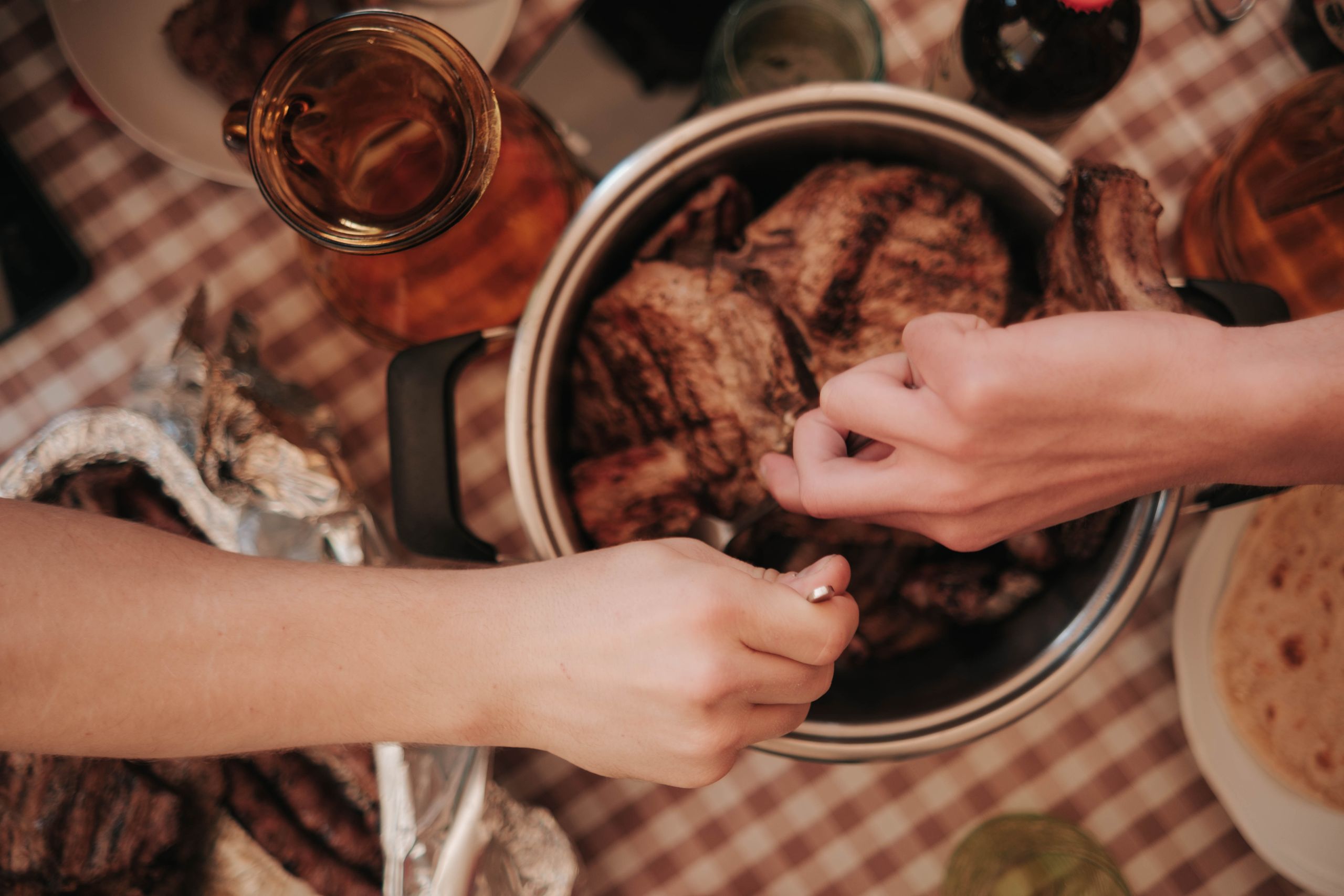
There is a particular moment when the lid comes off a large pot.
Steam rises, the room fills with aroma, and people begin paying attention. Someone brings bowls. Another person finds a ladle, while the cook gives the food one final stir before deciding whether it needs more seasoning.
Soup, beans, stew, greens, curry, gumbo, or rice may be waiting inside. The specific dish matters, but so does the promise created by its size.
A shared pot suggests that the meal was prepared with more than one person in mind. It represents planning, labor, and the hope that everyone present can receive a bowl.
That hope carries a practical form of gratitude. The food does not need to be extravagant. Its meaning comes from the act of making enough, setting it in the center, and allowing nourishment to move through the room.
One Dish Can Organize the Whole Table
A shared-pot meal creates its own rhythm.
Instead of preparing several individual plates in the kitchen, the cook brings one central dish to the table or serves directly from the stove. People wait, pass bowls, and pay attention to how much remains.
That structure can make a meal feel less formal. Guests may serve themselves, return for another portion, or add bread, rice, herbs, and condiments according to taste.
At the same time, one pot requires cooperation. Someone must make sure the ladle keeps moving, that the person at the far end receives food, and that nobody gets overlooked because they were too quiet to ask.
The meal may look simple, but the table still needs care.
The Cook Had to Imagine the Number of Bowls
Cooking for several people begins long before anyone sits down.
The cook considers how much food each person might eat, which ingredients will stretch, and whether the pot can hold enough without losing flavor. Timing also matters because beans, greens, stews, and braised dishes often need patience.
Making enough requires experience.
Too little food creates anxiety. By contrast, too much may strain the budget or leave more leftovers than the household can use safely.
The cook works somewhere between those possibilities. That judgment deserves recognition because abundance does not appear by accident.
A Shared Pot Can Carry Food Memory
Many of the foods served from large pots come with history.
A particular soup may belong to cold evenings, illness, or a relative who seemed able to feed unexpected guests without panic. Beans can recall weekday dinners, while gumbo, curry, or stew may connect generations through technique and seasoning.
This is part of why food memories continue following us home. We remember more than taste. We remember who stood near the stove, which bowls appeared, and how the room felt once everyone began eating.
The recipe may change over time. Still, the gesture remains familiar: one person makes a pot large enough to bring several lives to the same table.
Serving Reveals the Social Rules of the Room
The order in which people receive food can say a great deal.
Children may eat first. Elders might receive the first bowls, while guests get served before the household. In another family, the cook waits until everyone else has food before preparing a portion for herself.
These customs can express respect, but they may also expose inequality.
If the same woman cooks, serves, monitors the table, and eats last every time, generosity has become concentrated in one person’s labor. Gratitude should include noticing whether the cook has a warm bowl and a place to sit.
A meal meant to nourish the group should not leave its maker hungry or exhausted.
The Pot Encourages Attention to Other People
Individual plates can hide differences in appetite and need.
A shared dish makes those differences visible. Someone may take a smaller serving because they know another guest has not eaten yet. Meanwhile, a person who needs more can return without being made to feel demanding.
That awareness creates a small social negotiation.
Ideally, people balance appetite with consideration. They do not count every spoonful, yet they remain conscious that the food belongs to the whole table until everyone has eaten.
This kind of attention does not require speeches about community. It develops through the ordinary practice of passing the ladle and looking around before taking the final portion.
Enough Should Not Depend on Culinary Miracles
Shared-pot meals often demonstrate remarkable resourcefulness.
Beans, broth, vegetables, grains, and smaller amounts of meat can become deeply satisfying when seasoned and cooked well. A skilled cook knows how to build flavor without relying on the most expensive ingredients.
However, I do not want to romanticize the pressure to stretch food endlessly.
Creativity can be joyful when the cook has choices. It feels different when a household must make too little feed too many people because wages, prices, or access leave no alternative.
Communities deserve adequate food, not admiration for surviving preventable scarcity. The shared pot can represent generosity without becoming an excuse to ignore why so many families must continually calculate whether dinner will be enough.
The Meal Becomes Part of Community Infrastructure
During difficult periods, a large pot can become practical support.
Soup travels to someone who is ill. A pot of beans helps a family during a demanding week, while stew arrives after a birth, death, job loss, or emergency.
The food does more than communicate sympathy. It removes one task from a person whose energy already has several claims on it.
That is why the shared pot belongs in the larger conversation about how community resilience develops before a crisis. People learn how to feed, check on, and support one another through repeated everyday action.
When trouble comes, they are not inventing care from nothing. They are drawing from relationships already built.
Ingredients Tell Their Own Story
Although one pot may feel modest, its ingredients connect the kitchen to a much larger food system.
Farmers grew the vegetables and grains. Workers harvested, processed, transported, stocked, and sold them. Someone paid for fuel, water, refrigeration, and the energy needed to cook the meal.
Those layers become easy to overlook once the aroma fills the room.
As I have explored in why food remains central to DG Speaks, meals connect culture and memory with labor, access, land, and economics.
A shared pot feels intimate, yet it depends on many people who will never sit at the table.
Meat Can Flavor the Pot Without Controlling It
In many dishes, a smaller amount of meat provides flavor rather than becoming the largest item in every bowl.
Chicken may enrich a soup. Beef can deepen a stew, while smoked meat seasons beans or greens. This approach allows vegetables, grains, and broth to share the center of the meal.
When meat fits my home-cooking plans, I may use ButcherBox as one source for ingredients.
Regardless of where the food comes from, the cooking method matters. Chopping, braising, shredding, and simmering can help one ingredient contribute across many servings without making the dish feel incomplete.
Shared-Pot Traditions Change Across Cultures
People around the world gather around dishes prepared in communal vessels.
The pot may hold hot pot, tagine, feijoada, gumbo, curry, cassoulet, pozole, biryani, or a regional soup. Each dish has its own history, ingredients, and rules for preparation.
A food tour or cooking experience found through GetYourGuide may offer context for these traditions while traveling. A thoughtful guide can explain when the dish appears, who usually prepares it, and how the recipe changed across generations.
Still, tasting one meal does not make me an authority on an entire culture. Respect begins with understanding that a familiar-looking pot may carry meanings I have not yet learned.
Leftovers Extend the Original Gesture
A generous pot often continues feeding people after the first meal ends.
Someone packs a bowl for a neighbor who could not attend. Another portion becomes lunch the next day, while the remaining broth gains flavor overnight.
Sharing leftovers can extend care beyond the table. However, food should be cooled, stored, and reheated safely so generosity does not create unnecessary risk.
The cook may also need some of the food for the household’s next meal. Offering everything away can appear generous while creating more work and expense tomorrow.
Sustainable hospitality includes the needs of the people who live in the home.
Gratitude Should Reach the Person Who Cooked
Complimenting the food is welcome, but gratitude can become more practical.
Someone can carry bowls to the table, refill water, store leftovers, or wash the pot afterward. Guests might ask what would genuinely help rather than praising the cook while leaving every task behind.
The largest pot is often the most difficult item to clean.
Sharing that labor completes the meal differently. It acknowledges that the experience included shopping, chopping, stirring, serving, and restoring the kitchen once everyone finished eating.
Appreciation becomes stronger when it moves from words into action.
What the Shared Pot Offers
A shared pot can become a modest ceremony of enough.
It gathers ingredients into one dish and people around one source of nourishment. Each bowl may look slightly different, yet everyone participates in the same meal.
The pot does not guarantee fairness, abundance, or community. People still decide who cooks, who serves, who eats first, and whether the person carrying most of the labor receives care in return.
Nevertheless, the structure offers an opportunity.
We can pay attention to one another. We can serve with generosity, accept a portion without apology, and notice who still needs a bowl. Later, we can help clean, carry food home, or make sure the cook sits down before everything grows cold.
The most powerful feeling is not the illusion that the pot will never empty.
It is the knowledge that people looked at what was available, made thoughtful choices, and tried to ensure that nobody faced the meal alone.
That is a practical kind of gratitude.
It tastes like soup, beans, greens, curry, gumbo, rice, or stew. More importantly, it appears in the hands that prepare, serve, share, and help afterward.
For more stories about the cultural meaning of everyday meals, kitchen labor, and the memories carried through recipes, explore DG Speaks Food. Reflections on mutual care, belonging, and the social habits that strengthen communities continue in DG Speaks Culture.